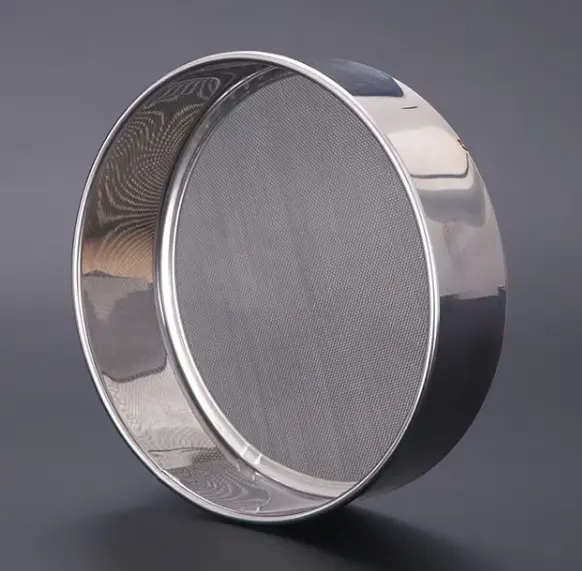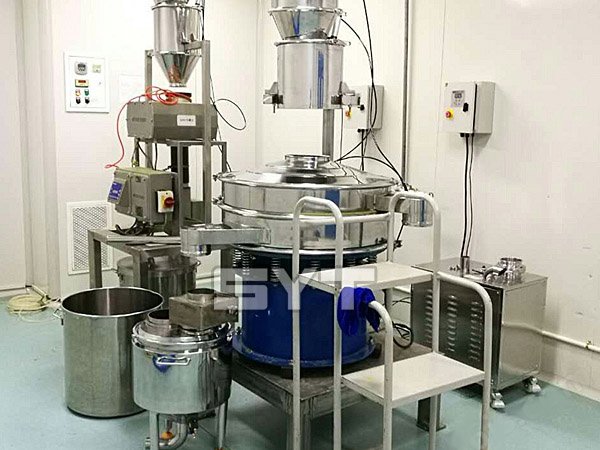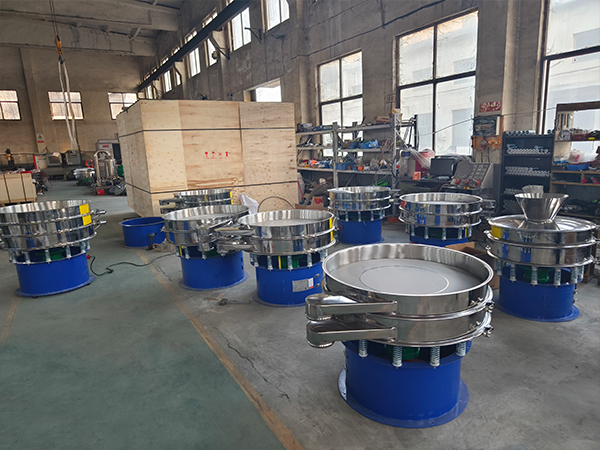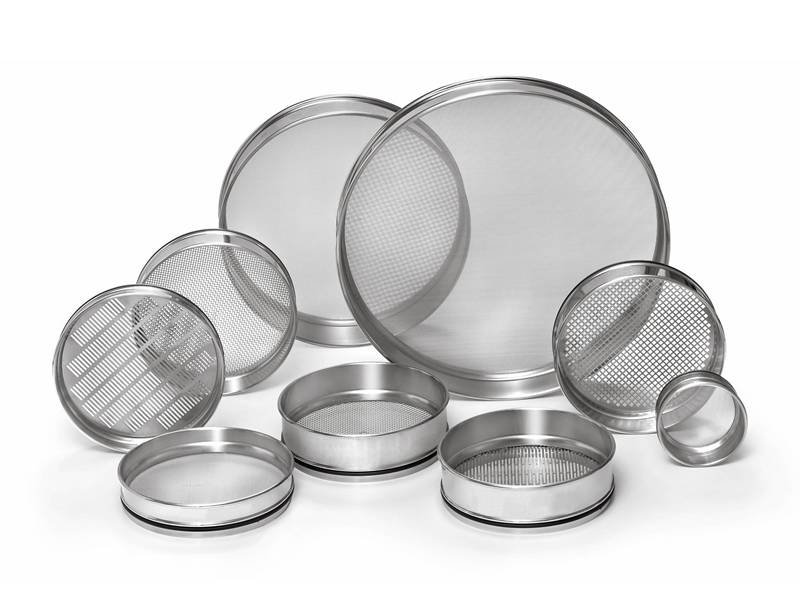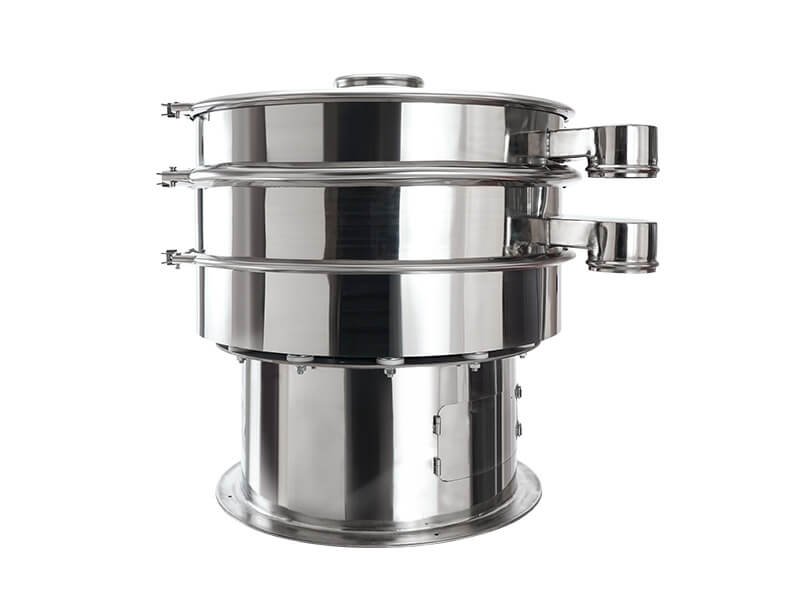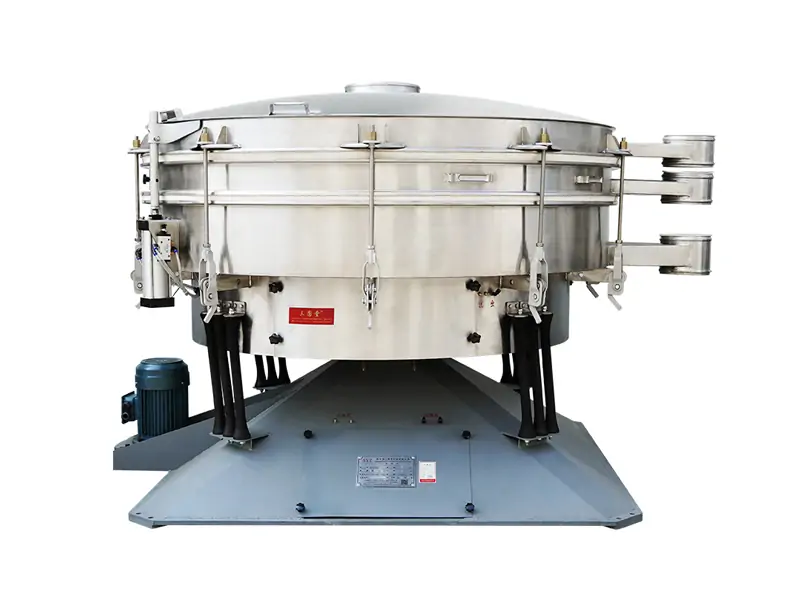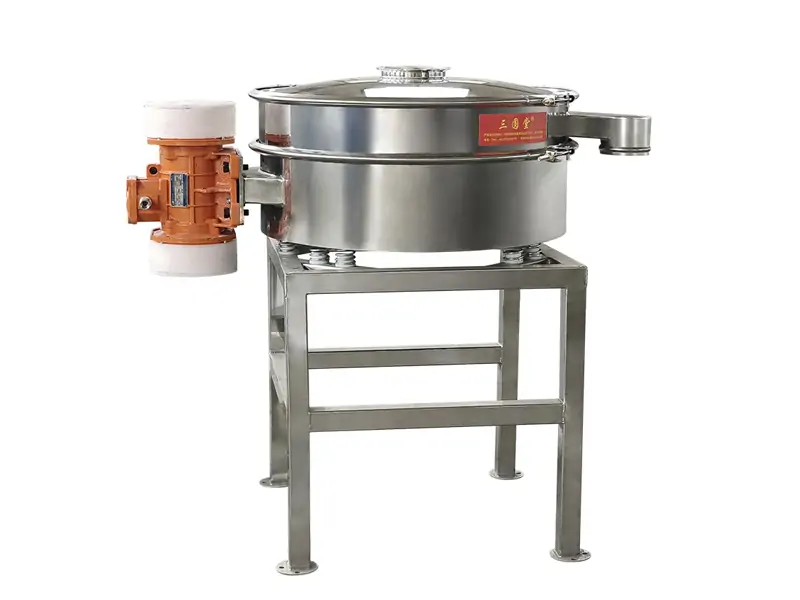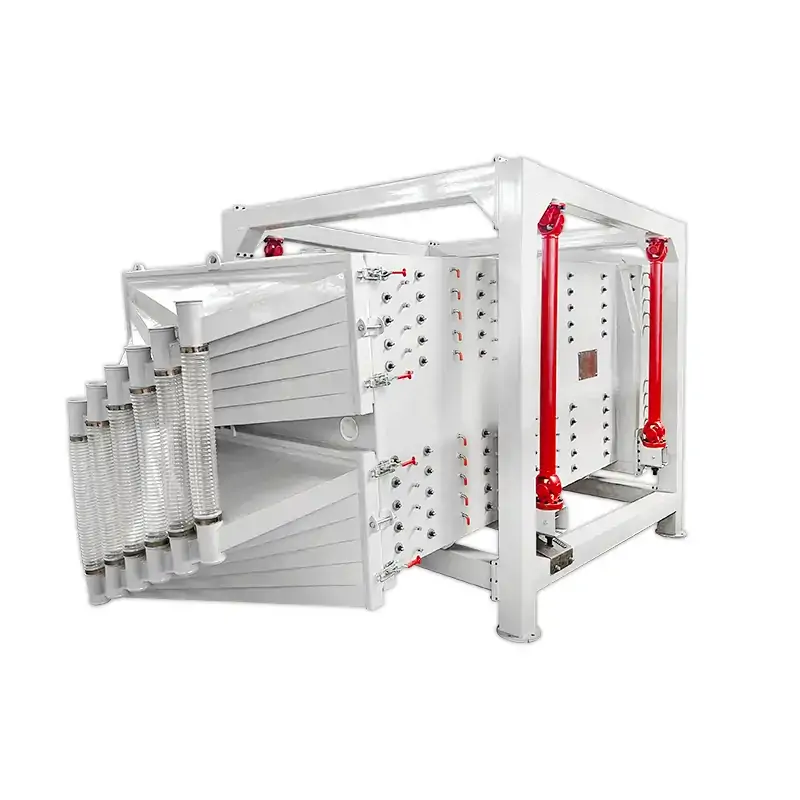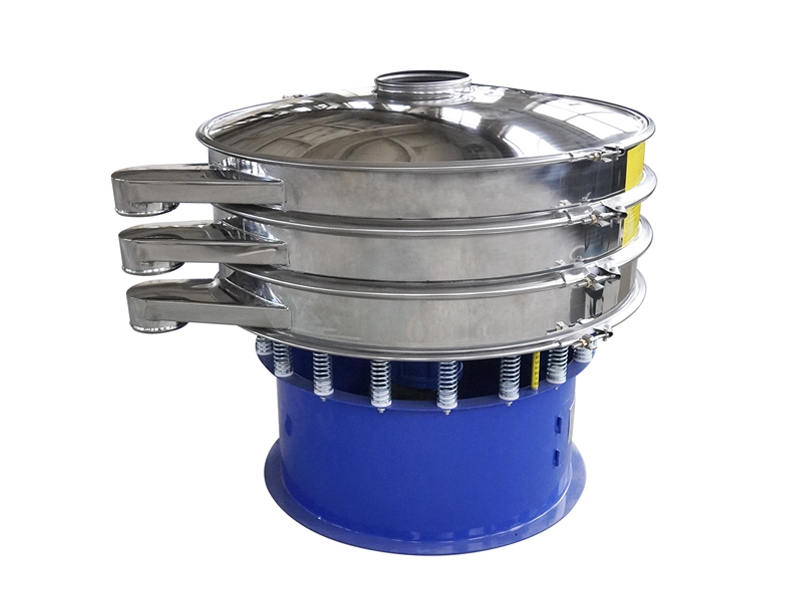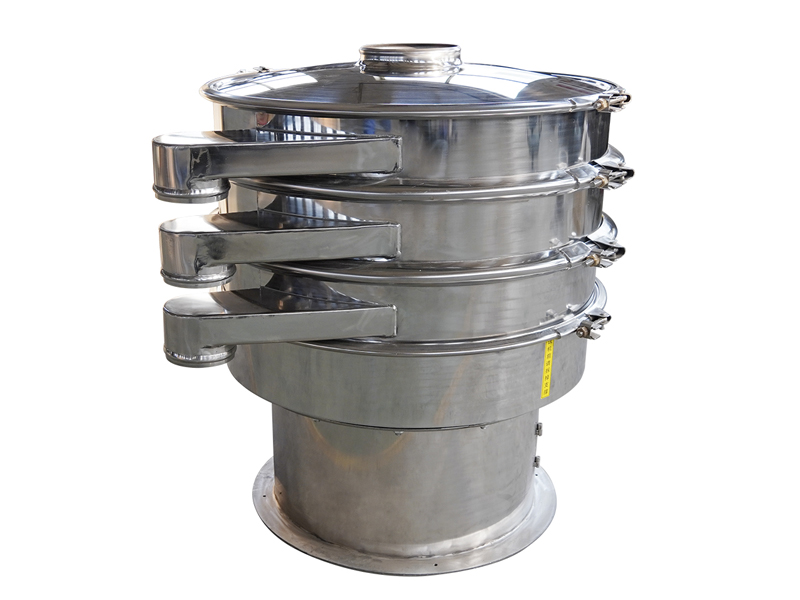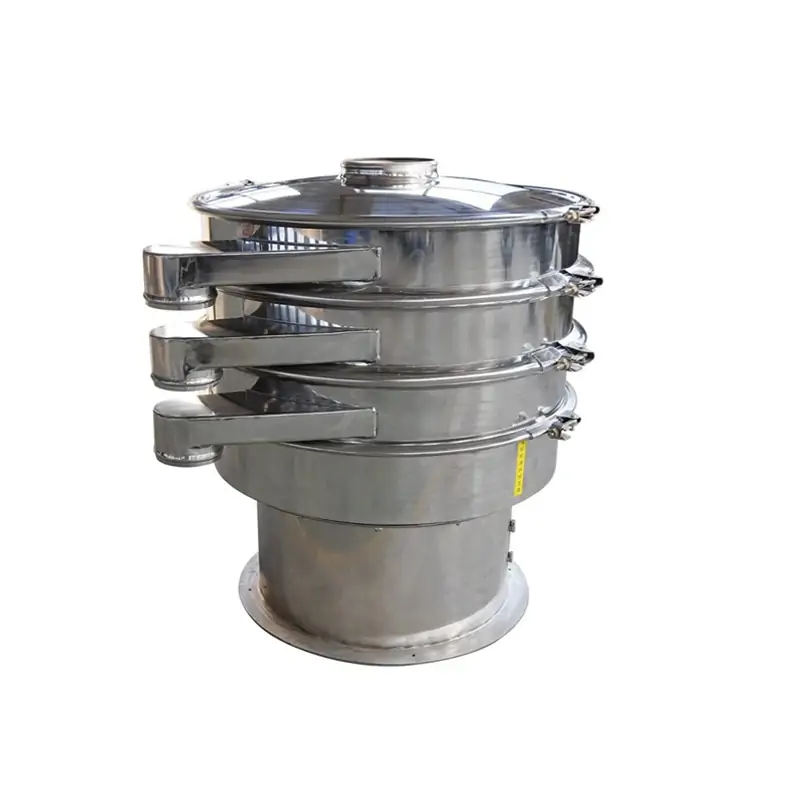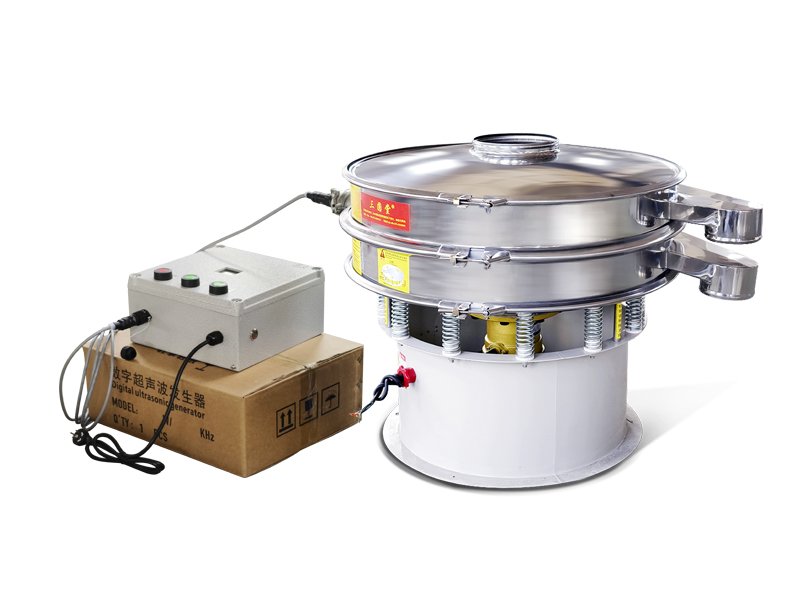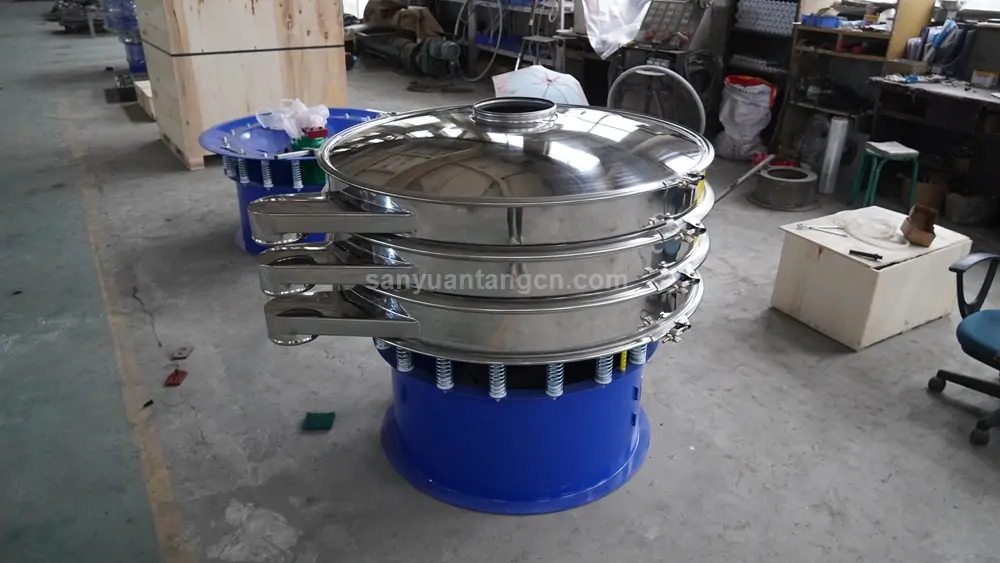


The lab test sieve shaker is a standard sieve shaker (also called lab sifter, sample dividing sieve, and analytical sieves), which is made for the purpose of particle size distribution measurement, and the determination of impurity content or solid content in liquid, which are extensively used in scientific laboratories and quality inspection departments. For laboratory work, match the sieve set and operating procedure to the particle-size result you need to report.
Rotacinio laboratorinio sieto kratytuvas turi griežtus tinklelio dydžio reikalavimus, jo skersmuo yra 200 mm ir 300 mm. Specialiems reikalavimams galima įsigyti 75 mm. Ekrano rėmelio akių skaičius svyruoja nuo 8 iki 500 akių. Kuo didesnis tinklelio skaičius, tuo mažesnės skylės.
- Modelis: SY-200 / SY-300
- Medžiaga: nerūdijantis plienas 304
- Tinklo dydis: 5-635 akių
- Sluoksniai: 1-7 sluoksniai
Kaina: 630–1300 USD / rinkinys
Veikimo principas
Laboratorinis sietas kratytuvas naudoja YZU vertikalios vibracijos variklį kaip vibracijos šaltinį. Vibracijos variklis priverčia vibruoti viršutinę vibracijos plokštę, o tada vibracijos plokštė perduodama į Φ200 ekrano rėmą, esantį ant viršutinės vibracinės plokštės dalies.
Tada ekrano rėmas, kuriam reikia aptikti tinklelio dydžio medžiagos daleles su tinklelio angomis, yra sijojamas į apatinį sieto rėmą, kad kiekviename bandomųjų sietų sluoksnyje liktų tik vienodo dydžio dalelių medžiagos, kad būtų atskirtos skirtingo dydžio dalelės ir nustatoma medžiagos dalelių dydžio sudėtis, kad Φ200 tipo filtravimo rėmo medžiagos būtų labai efektyvios, o filtravimo rėmo klasifikavimas.

Naudojimo instrukcijos
Naudojame naujo tipo, gerai kvalifikuotą energijos generatorių, generuojantį daugiamačius, aukšto dažnio vibracijos procesus, kad užtikrintume itin efektyvų sijojimą ir nustatymą. Atsižvelgdami į skirtingų medžiagų savybes, klientai gali nustatyti skirtingą darbo laiką, reguliuodami elektrinį laiko valdiklį, kad analizės paklaidos būtų kuo mažesnės ir taip būtų garantuoti vieningi sieto analizės rezultatai.
For a documented sieve analysis, use the sample preparation, loading and endpoint criteria required by your test method:
Žingsnis 1. Prepare a representative sample and record its initial mass and any conditioning.
Žingsnis 2. Inspect the sieves, then stack them from the largest opening to the smallest, with the receiver below.
Žingsnis 3. Load the specified quantity, fit the lid and secure the stack according to the machine instructions.
Žingsnis 4. Run the prescribed programme or time, checking the endpoint as required by the method.
Žingsnis 5. Stop the machine before releasing the stack. Recover and weigh each fraction without forcing particles through the mesh.
Žingsnis 6. Compare total recovered mass with initial mass and record the size distribution, settings and any losses.
If repeat tests disagree, check sampling, moisture, loading, sieve condition and run settings together. Extending every run may not correct overloading or blinding and can break fragile particles.

Savybės
- Bendras bandomasis sieto kratytuvo aparatas yra lengvas, mažos formos ir tūrio, paprastas valdymas ir lengvai perkeliamas.
- Mažas triukšmas, didelis efektyvumas, tikslus tikslumas, galima sijoti iki 0.025-3 mm.
- Visa mašina pagaminta iš aukštos kokybės SUS304 nerūdijantis plienas, atsparus korozijai.
- Pritaikyta skaitmeninio ekrano relė, automatinis išsijungimas su laiku ir tikslus sijojimo laiko valdymas.
- Neprivaloma daugiasluoksnė medžiaga, vienu metu galima sijoti 1–2 dalelių dydžius.
- Miltelius, daleles galima sijoti, profesionaliai medžiagų dydžio analizei.
- Medžiagoms, turinčioms stiprią adsorbciją, lengvą aglomeraciją, didelę statinę elektrą ir šviesos savitąjį sunkumą, galima pridėti ultragarsinį įrenginį.
Detalės


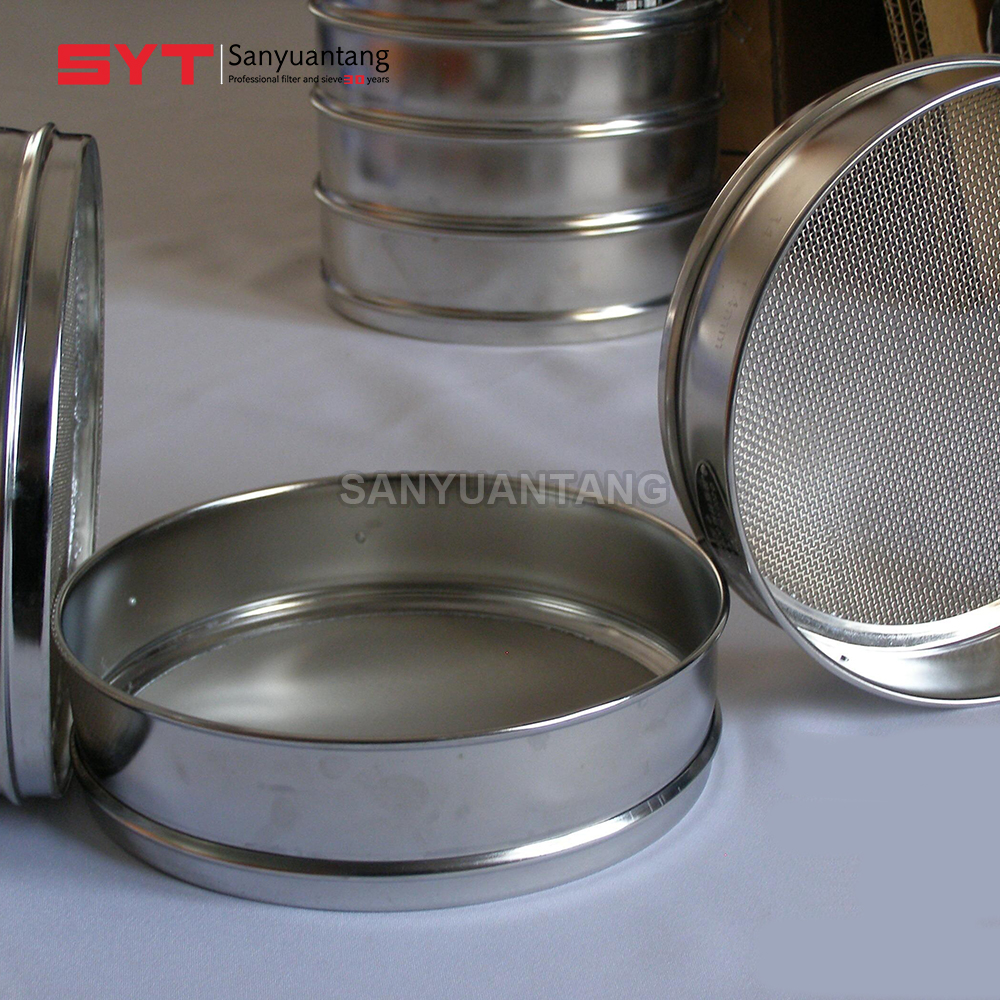

taikymas
Jis taikomas atliekant tikslią dalelių ir galios medžiagų granuliuotų struktūrų analizę bei tiriant kietųjų medžiagų kiekį skystyje laboratorijoms, kokybės kontrolės patalpoms ir mokslinių tyrimų skyriams. Bandymo sietas yra plačiai naudojamas chemijos, farmacijos, maisto, statybinių medžiagų, miltelių metalurgijos ir aplinkos apsaugos pramonės nuotekų ir nuotekų apdorojimo procese.
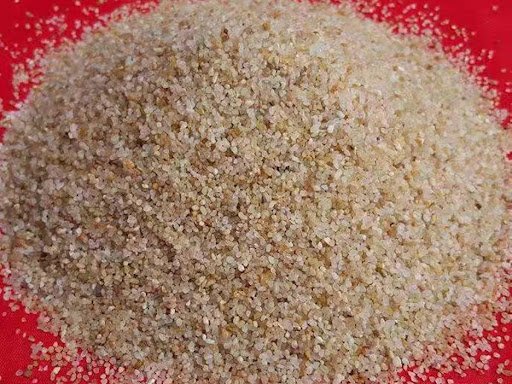 Smėlis
 Dirvožemis
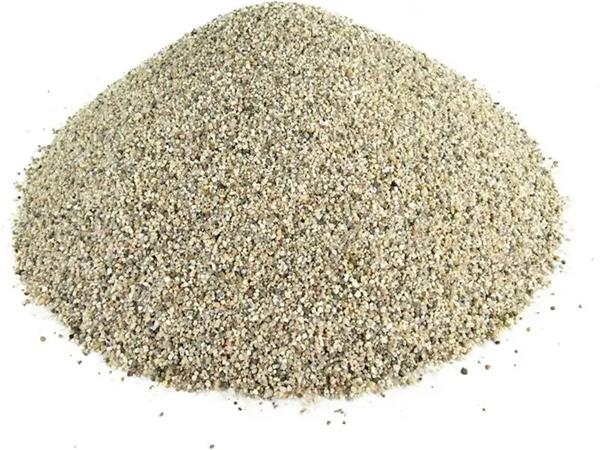 Silicio smėlis
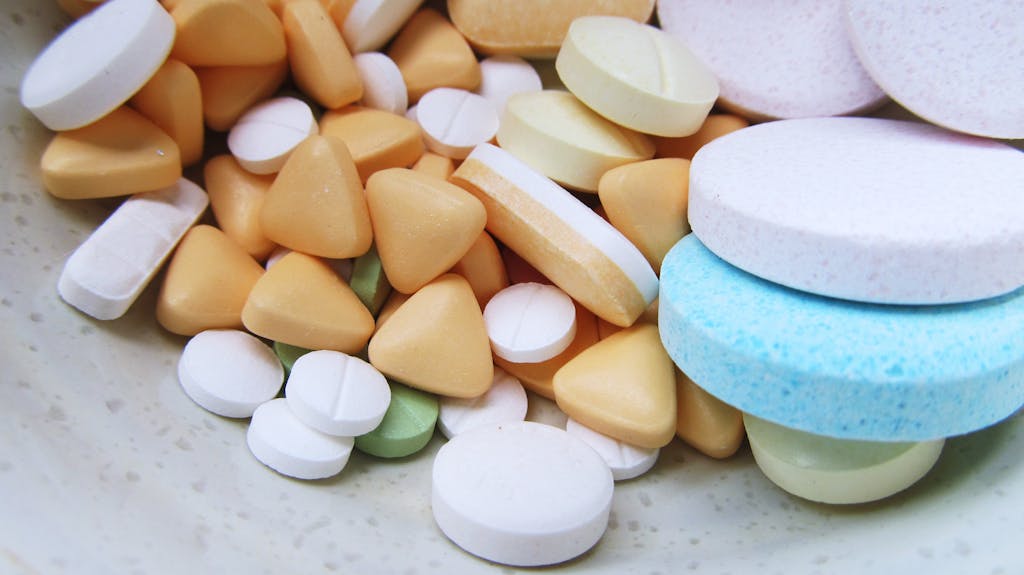 Medicina
 Medicinos milteliai
 Kvietiniai miltai
 Pieno milteliai
 Plastikinės dalelės
Techninis parametras
| Skaičius | Jūsų vardas | Vienetas | Duomenys |
|---|---|---|---|
| 1 | Sluoksniai | sluoksnis | 1-8 |
| 2 | skersmuo | mm | 200 |
| 3 | Smulkmenos | mm | 0.038-3 |
| 4 | Triukšmas | dB | 50 |
| 5 | Maitinimo talpa (vieną kartą) | G | 200 |
| 6 | Amplitudė | mm | 5 |
| 7 | Įtampa | v | 220 |
| 8 | Greitis | R / min | 1420 |
| 9 | Elektros energija | Kw | 0.125 |
| 10 | Apskritai dimensija | mm | 360 * 300 * 736 |
| 11 | Svoris | Kg | 45 |
Choosing the Sieve Set and Sample Loading
Use the technical data together with the dimensions of the complete sieve stack. Confirm the sieve frames, receiver and lid as one assembly before ordering.
| Atrankos taškas | Informacija, kurią reikia patvirtinti | Kodėl tai svarbu |
|---|---|---|
| Rėmo suderinamumas | Frame diameter, frame height and clamp clearance | Whether your sieve set can be secured correctly |
| Aperture sequence | Required openings and the test-sieve specification | Which particle-size fractions can be reported |
| Stack arrangement | Number of sieves, receiver and lid | Total height and collection of the finest fraction |
| Mėginio įkėlimas | Method requirement, material density and retained mass | Screen loading and repeatability |
| Tiekiami komponentai | Shaker, sieves, receiver, lid and any optional assistance | A quotation that matches the laboratory setup |
Specify any required test-sieve documents in the enquiry. Standards such as ASTM E11 and ISO 3310 concern test-sieve specifications; a reference to them does not by itself certify the complete shaker.
Lab Test Sieve Shaker FAQs
How do I choose between different sieve diameters
Follow your test method and sample requirements, then confirm mechanical compatibility with the shaker. A larger frame provides more screen area, but it also changes the required clamp space and allowable stack arrangement. Send the dimensions of your existing sieves when requesting a quotation.
How many test sieves can the shaker hold
The limit depends on the shaker, frame height and the space needed for the receiver and lid. Confirm the complete stack height and number of sieves for the quoted model rather than applying one layer count to every configuration.
How much sample should I load
Use the loading requirement in your test method and the machine limits. Bulk density and the quantity retained on each sieve matter as well as total mass. If the screen is overloaded, use a permitted smaller test portion or another method-approved procedure.
How long should a sieve analysis run
Use the time or endpoint criterion in the applicable method. The appropriate duration depends on the sample and openings. Extending every run can cause particle breakage and may not correct overloading or blocked mesh.
Why do repeated sieve tests give different results
Possible causes include unrepresentative sampling, changed moisture, different loading, inconsistent run settings, damaged sieves or material lost during recovery. Compare the test records and mass recovery before attributing the difference to the shaker.
Can I add ultrasonic assistance for fine powder
It may be an option for a compatible setup, but confirm the sieve frame, ultrasonic components and test-method requirements first. Compare results against an agreed procedure; adding assistance should not silently change how your laboratory defines the result.
Does the quotation include certified test sieves
Confirm this separately. The shaker, sieve frames, receiver, lid and sieve documents can have different supply scopes. If conformity or inspection documents are required, identify the relevant specification and document type in the order.