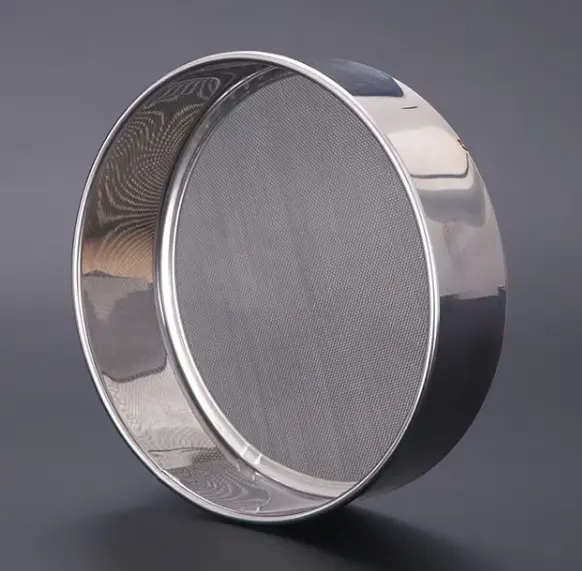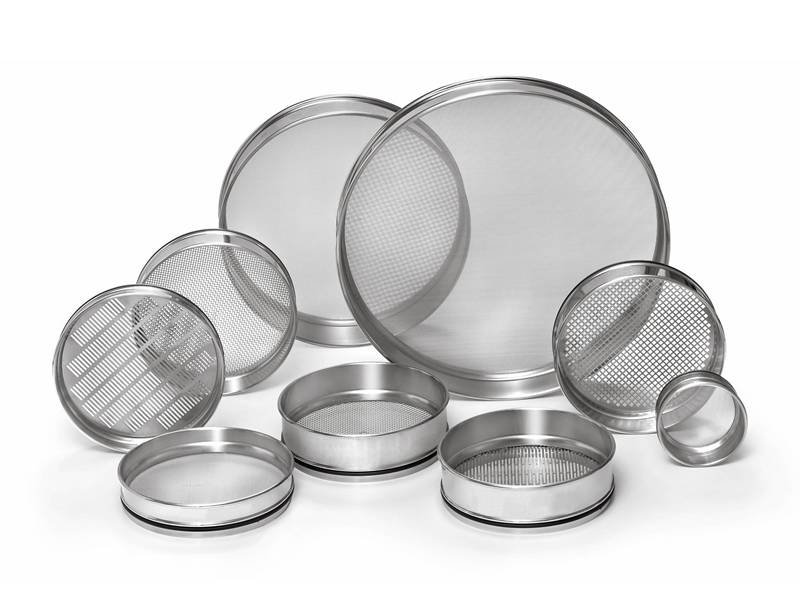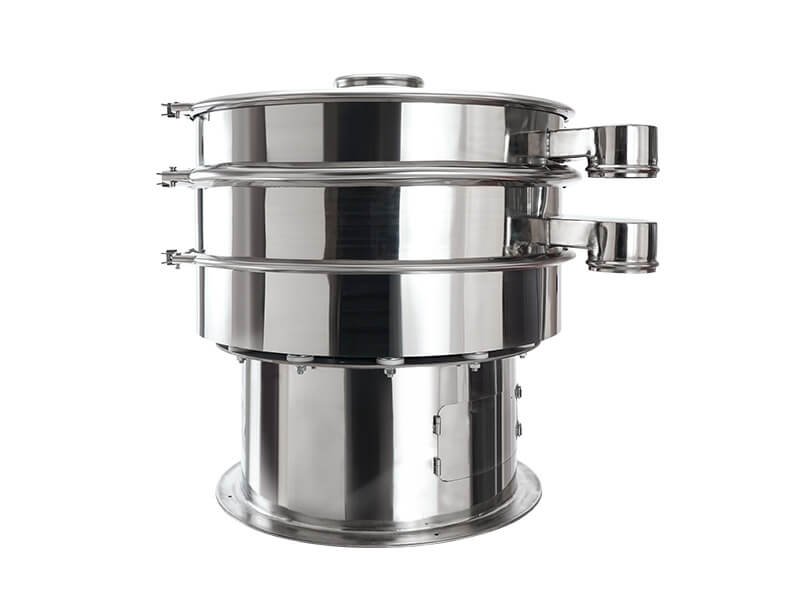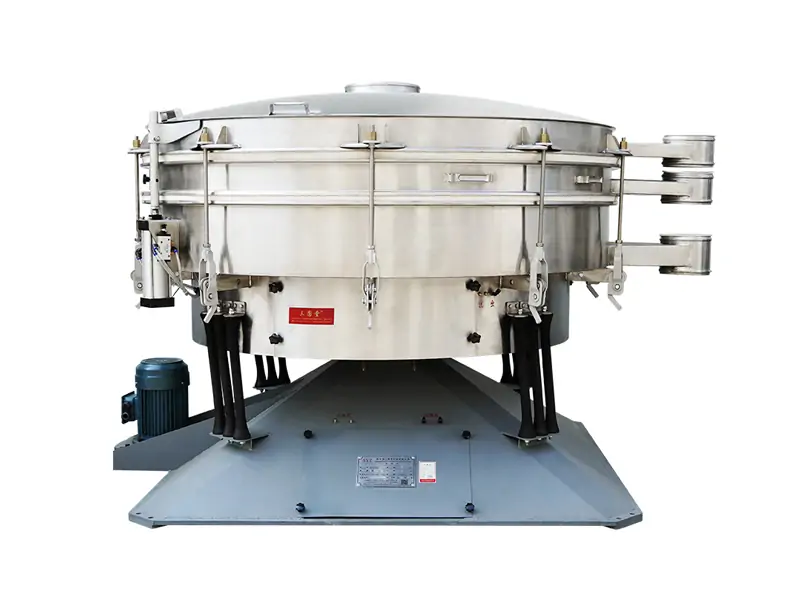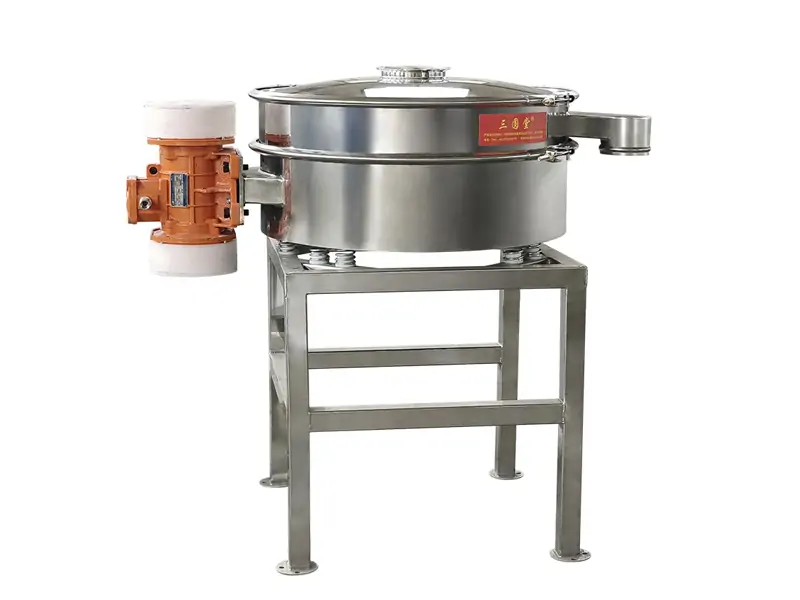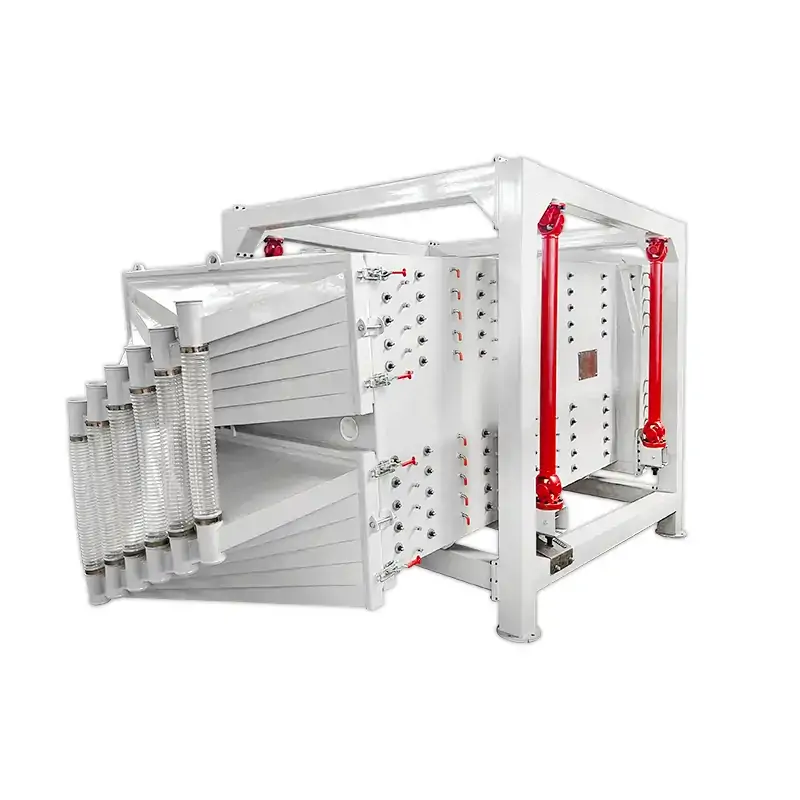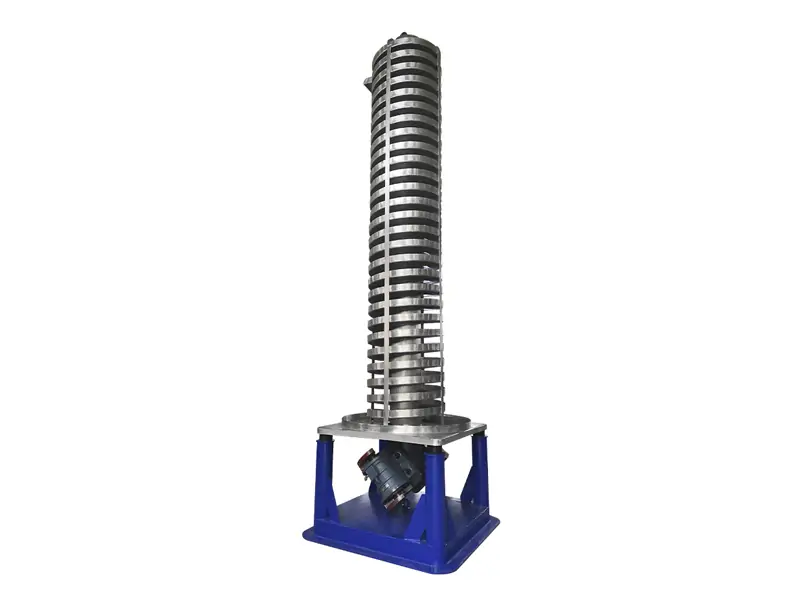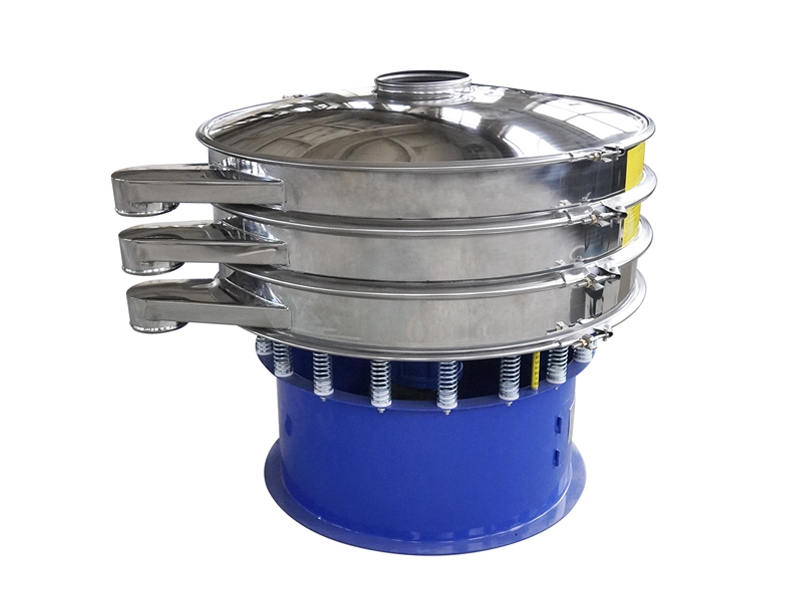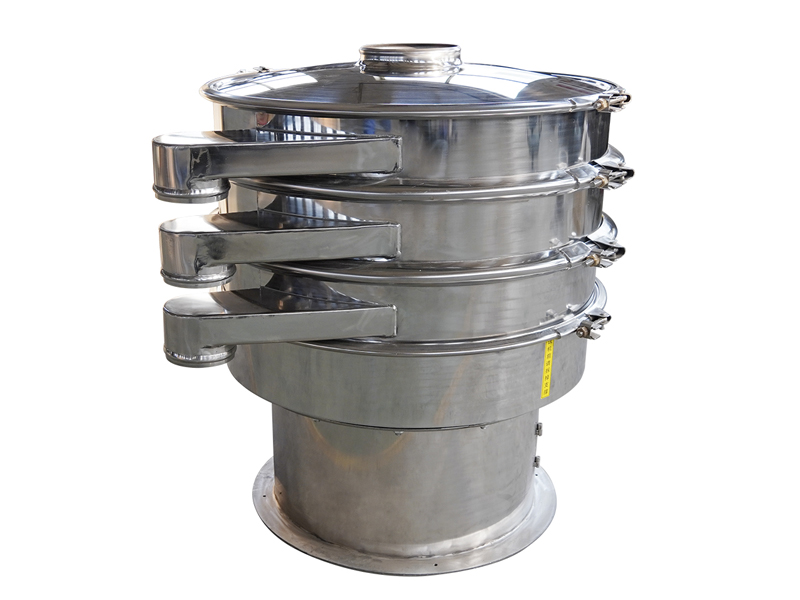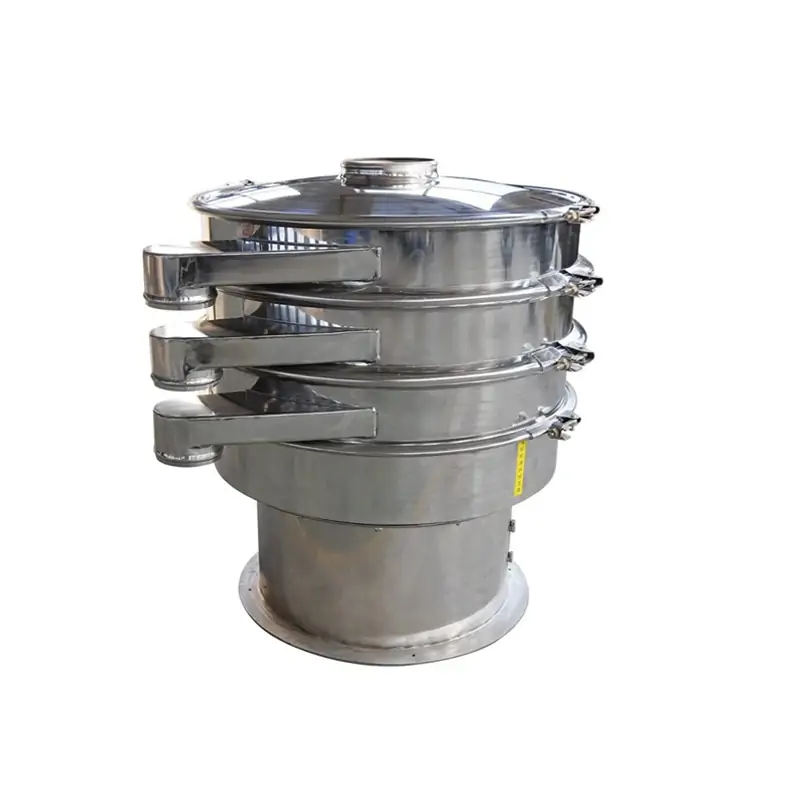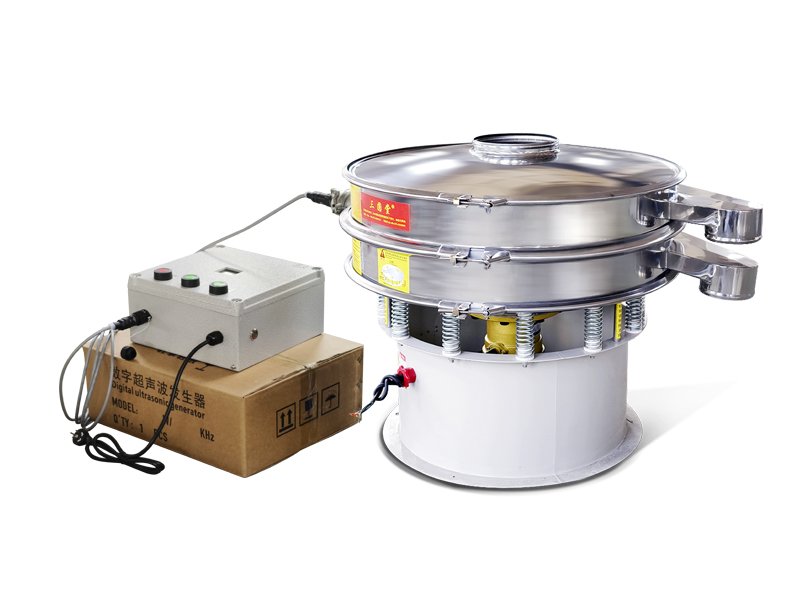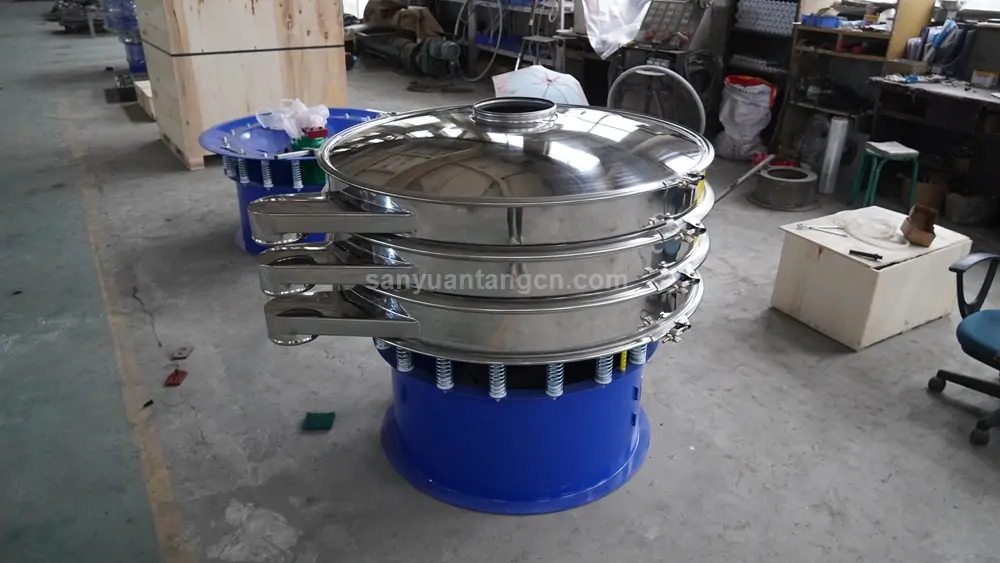


The lab test sieve shaker is a standard sieve shaker (also called lab sifter, sample dividing sieve, and analytical sieves), which is made for the purpose of particle size distribution measurement, and the determination of impurity content or solid content in liquid, which are extensively used in scientific laboratories and quality inspection departments. For laboratory work, match the sieve set and operating procedure to the particle-size result you need to report.
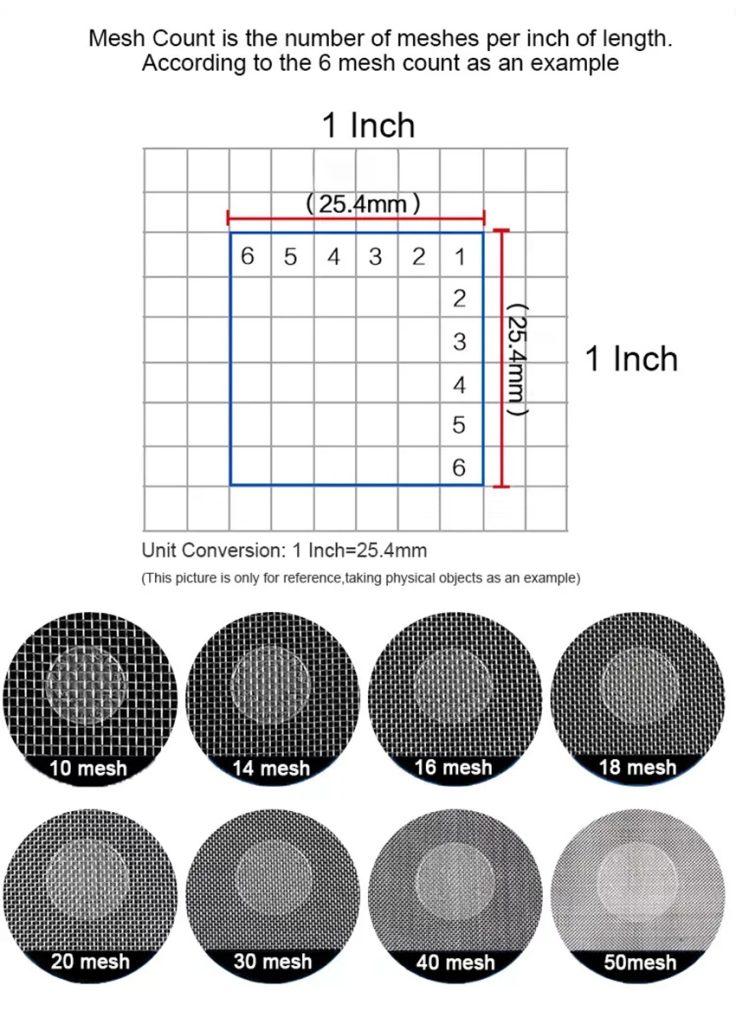
The rotary lab sieve shaker has strict mesh size regulations, with diameters of 200mm and 300mm. For special requirements, 75mm is available. The mesh number of the screen frame ranges from 8 mesh to 500 mesh. The larger the mesh number, the smaller the holes.
- Model: SY-200 / SY-300
- Material: Stainless Steel 304
- Mesh Size: 5-635 mesh
- Layers: 1~7 Layers
Price: $630 – $1300 /Set
Working Principle
The laboratory sieve shaker uses a YZU vertical vibration motor as the vibration source. The vibration motor drives the upper vibration plate to vibrate, and then the vibration plate is transmitted to the Φ200 screen frame placed on the upper part of the vibration plate.
Then the screen frame that needs to detect the mesh size material particles with mesh apertures are screened to the lower sieve frame, so that only materials with the same particle size remain in each layer of test sieves, achieving separation of different particle sizes and determining the particle size composition of the material, so that the materials in the Φ200 type sieve frame can be very effectively It serves the purpose of filtering, classifying and screening.

Operation Instructions
We adopt a well-qualified new type of energy generator generating multi-dimensions high frequent vibration to ensure highly efficient sieving and determination. According to different materials features, customers can set different working times by adjusting the electric time controller so that the analysis errors can be reduced to a minimum and therefore guaranteed sieve analysis results unanimously.
For a documented sieve analysis, use the sample preparation, loading and endpoint criteria required by your test method:
Step 1. Prepare a representative sample and record its initial mass and any conditioning.
Step 2. Inspect the sieves, then stack them from the largest opening to the smallest, with the receiver below.
Step 3. Load the specified quantity, fit the lid and secure the stack according to the machine instructions.
Step 4. Run the prescribed programme or time, checking the endpoint as required by the method.
Step 5. Stop the machine before releasing the stack. Recover and weigh each fraction without forcing particles through the mesh.
Step 6. Compare total recovered mass with initial mass and record the size distribution, settings and any losses.
If repeat tests disagree, check sampling, moisture, loading, sieve condition and run settings together. Extending every run may not correct overloading or blinding and can break fragile particles.

Features
- The overall test sieve shaker machine is light in weight, small in shape and volume, simple in operation, and easy to move.
- Low noise, high efficiency, accurate precision, can sieve to 0.025-3mm.
- The whole machine is made of high-quality SUS304 stainless steel, corrosion resistant.
- Adopting digital display relay, timed automatic shutdown, and accurate control of sieving time.
- Multi-layer optional, 1 kind of material can be sieved 2-8 particle sizes at the same time.
- Powder, particles can be sieved, professionally for material size analysis.
- For materials with strong adsorption, easy agglomeration, high static electricity, and light-specific gravity, an ultrasonic device can be added.
Details


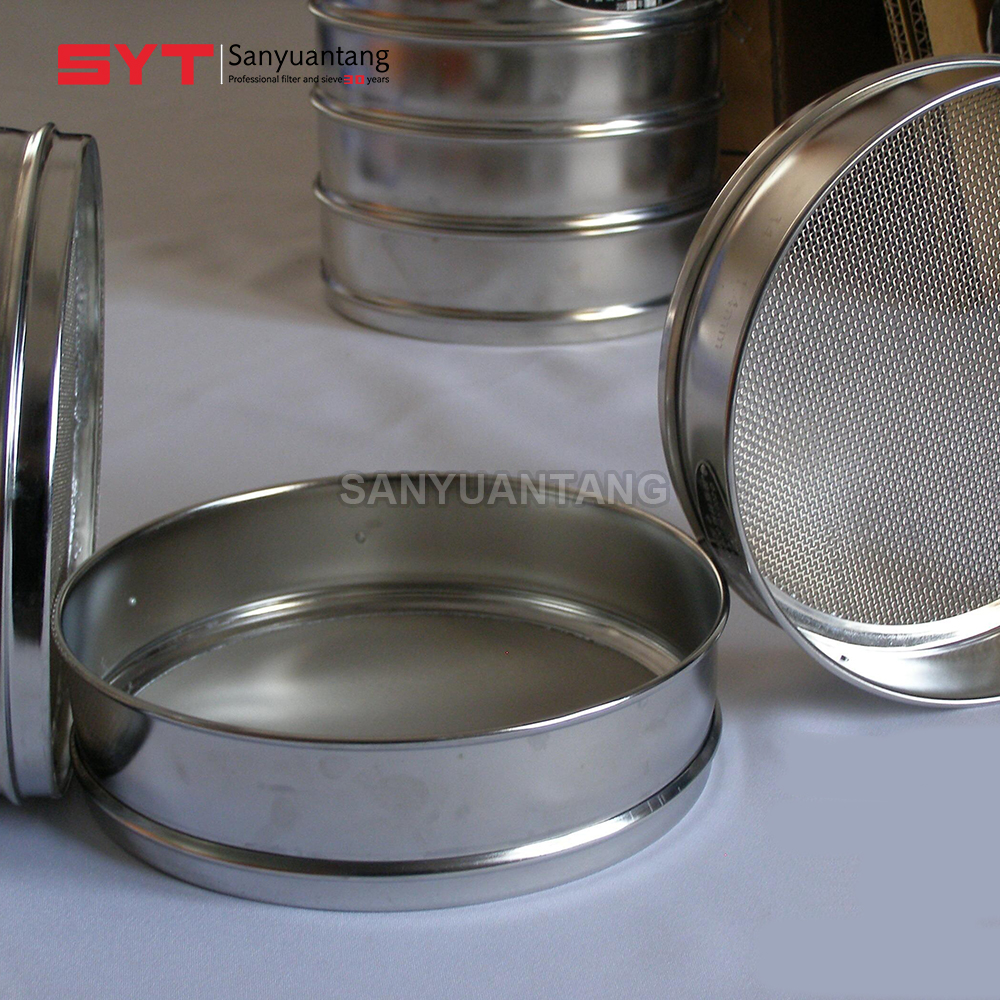

Application
It applies in the accurate analysis of granularity structures of particle and power materials, and the testing analysis of solid content in liquid for laboratories, quality control rooms, and scientific research departments. The testing sieve is widely used in testing analysis of chemical, pharmaceutical, food, building materials, powder metallurgy, and material in the processing process of sewage and wastewater from the environmental protection industry.
 Sand
 Soil
 Silica Sand
 Medicine
 Medicine Powder
 Wheat Flour
 Milk Powder
 Plastic Particles


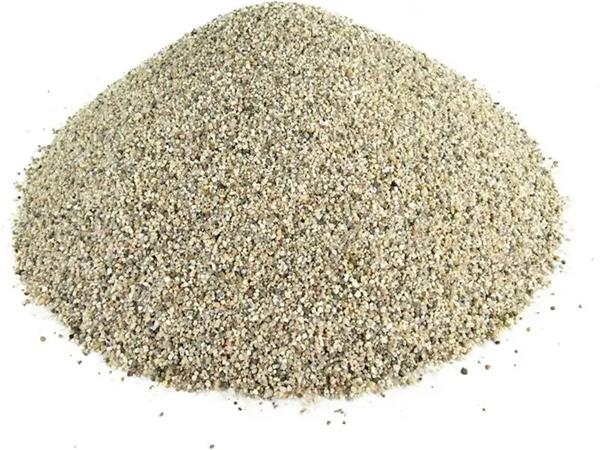



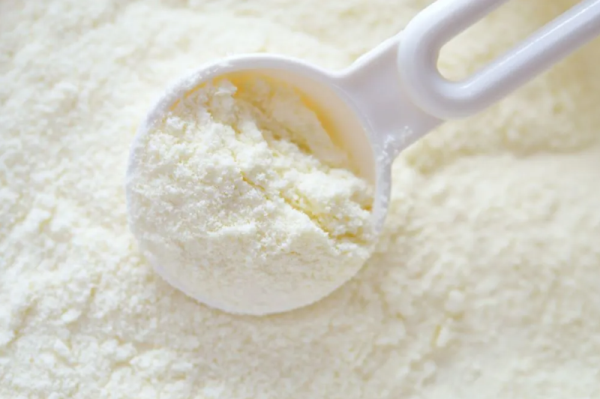

Technical parameter
| Number | Name | Unit | Data |
|---|---|---|---|
| 1 | Layers | Layer | 1-8 |
| 2 | Diameter | mm | 200 |
| 3 | Granularity | mm | 0.038-3 |
| 4 | Noise | dB | 50 |
| 5 | Feeding Capacity(once) | G | 200 |
| 6 | Amplitude | mm | 5 |
| 7 | Voltage | v | 220 |
| 8 | Speed | R/min | 1420 |
| 9 | Power | Kw | 0.125 |
| 10 | Overall Dimension | mm | 360*300*736 |
| 11 | Weight | Kg | 45 |
Choosing the Sieve Set and Sample Loading
Use the technical data together with the dimensions of the complete sieve stack. Confirm the sieve frames, receiver and lid as one assembly before ordering.
| Selection point | Information to confirm | Why it matters |
|---|---|---|
| Frame compatibility | Frame diameter, frame height and clamp clearance | Whether your sieve set can be secured correctly |
| Aperture sequence | Required openings and the test-sieve specification | Which particle-size fractions can be reported |
| Stack arrangement | Number of sieves, receiver and lid | Total height and collection of the finest fraction |
| Sample loading | Method requirement, material density and retained mass | Screen loading and repeatability |
| Supplied components | Shaker, sieves, receiver, lid and any optional assistance | A quotation that matches the laboratory setup |
Specify any required test-sieve documents in the enquiry. Standards such as ASTM E11 and ISO 3310 concern test-sieve specifications; a reference to them does not by itself certify the complete shaker.
Lab Test Sieve Shaker FAQs
How do I choose between different sieve diameters
Follow your test method and sample requirements, then confirm mechanical compatibility with the shaker. A larger frame provides more screen area, but it also changes the required clamp space and allowable stack arrangement. Send the dimensions of your existing sieves when requesting a quotation.
How many test sieves can the shaker hold
The limit depends on the shaker, frame height and the space needed for the receiver and lid. Confirm the complete stack height and number of sieves for the quoted model rather than applying one layer count to every configuration.
How much sample should I load
Use the loading requirement in your test method and the machine limits. Bulk density and the quantity retained on each sieve matter as well as total mass. If the screen is overloaded, use a permitted smaller test portion or another method-approved procedure.
How long should a sieve analysis run
Use the time or endpoint criterion in the applicable method. The appropriate duration depends on the sample and openings. Extending every run can cause particle breakage and may not correct overloading or blocked mesh.
Why do repeated sieve tests give different results
Possible causes include unrepresentative sampling, changed moisture, different loading, inconsistent run settings, damaged sieves or material lost during recovery. Compare the test records and mass recovery before attributing the difference to the shaker.
Can I add ultrasonic assistance for fine powder
It may be an option for a compatible setup, but confirm the sieve frame, ultrasonic components and test-method requirements first. Compare results against an agreed procedure; adding assistance should not silently change how your laboratory defines the result.
Does the quotation include certified test sieves
Confirm this separately. The shaker, sieve frames, receiver, lid and sieve documents can have different supply scopes. If conformity or inspection documents are required, identify the relevant specification and document type in the order.