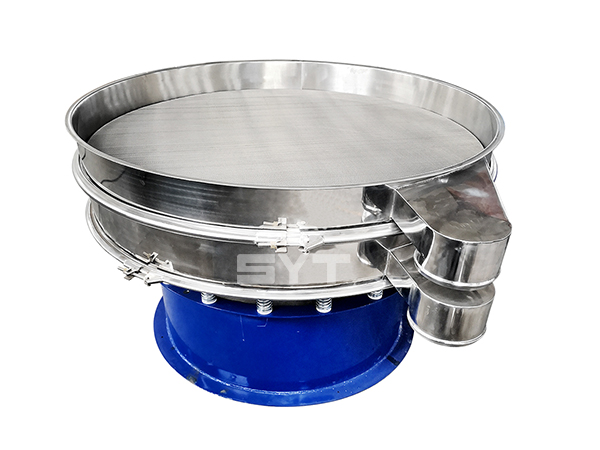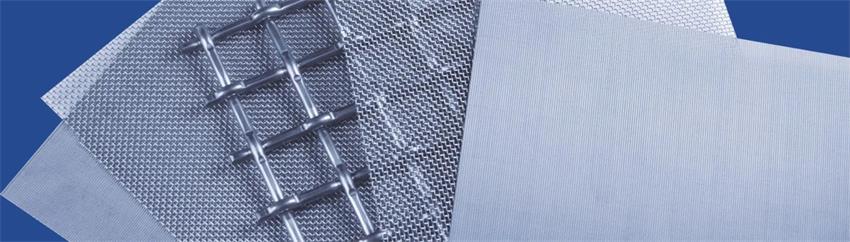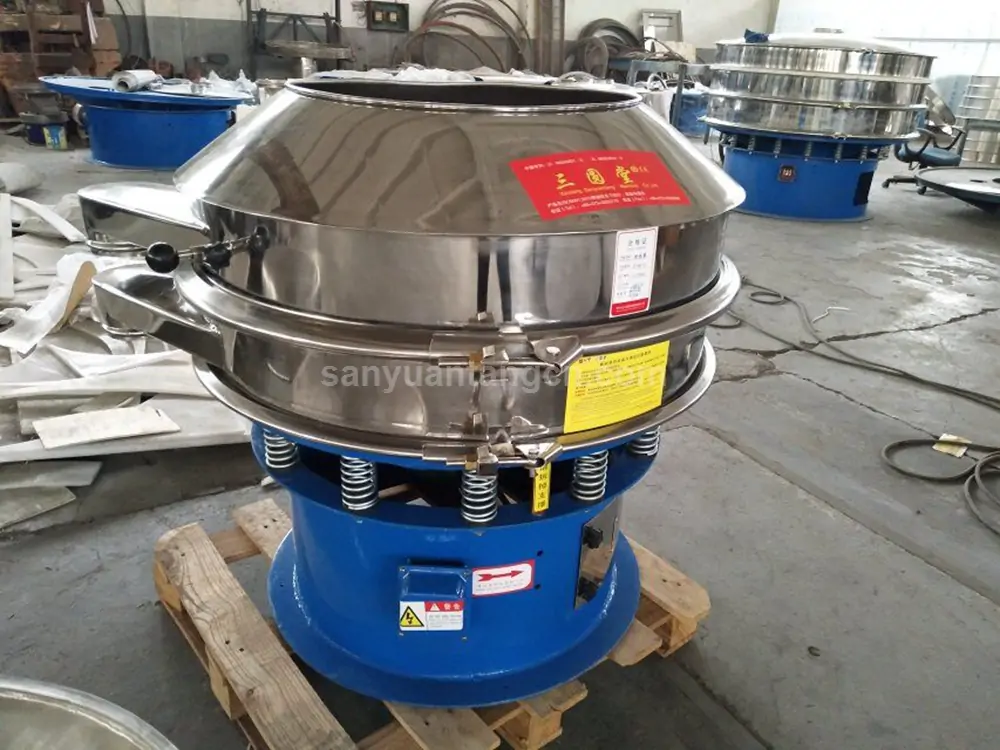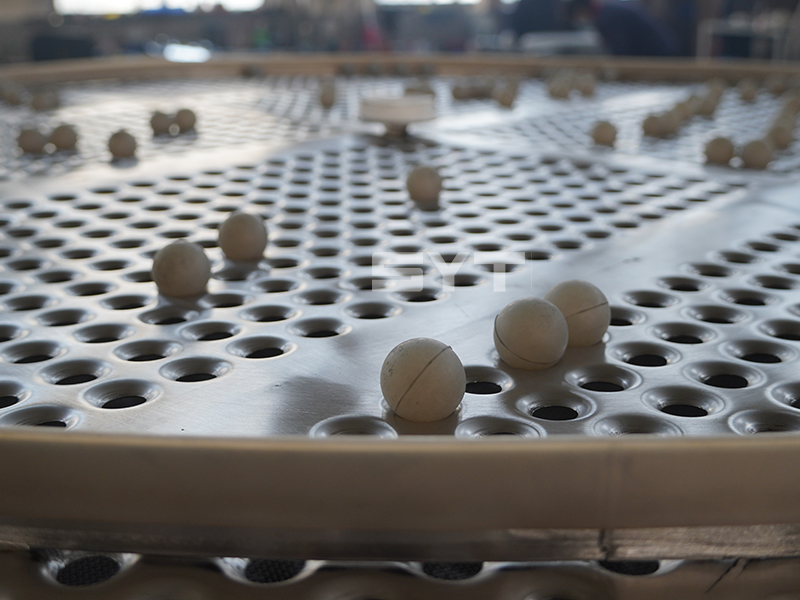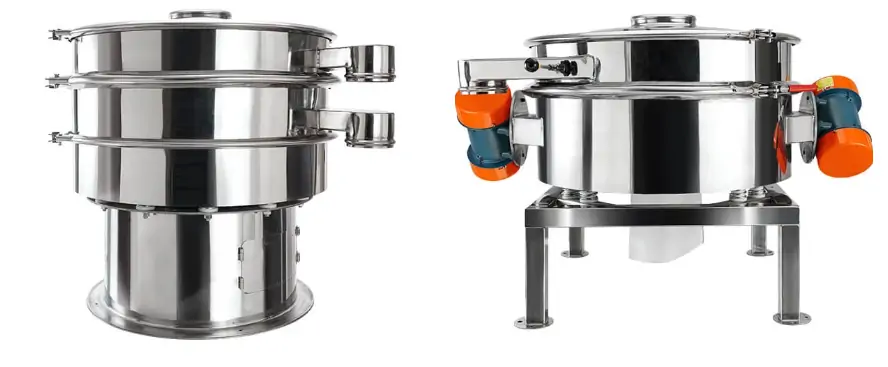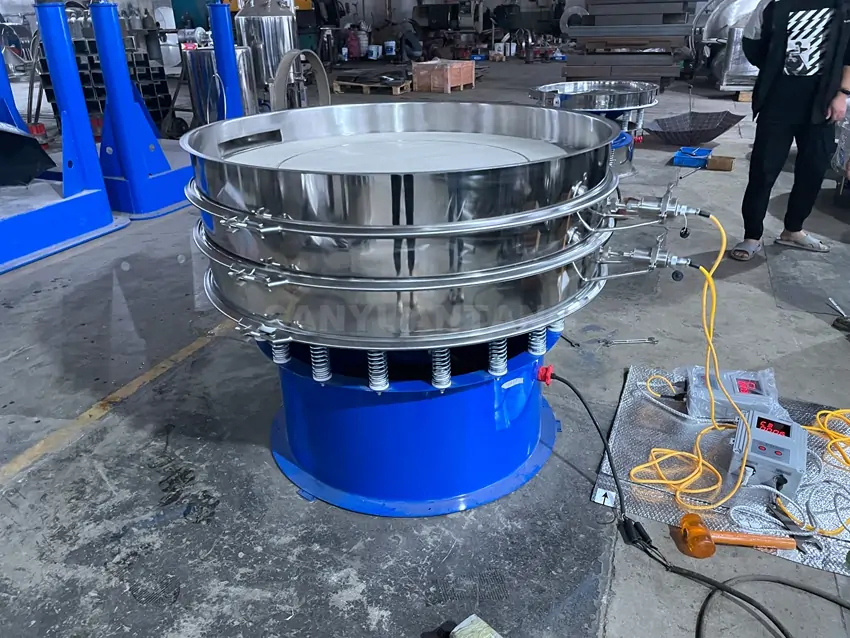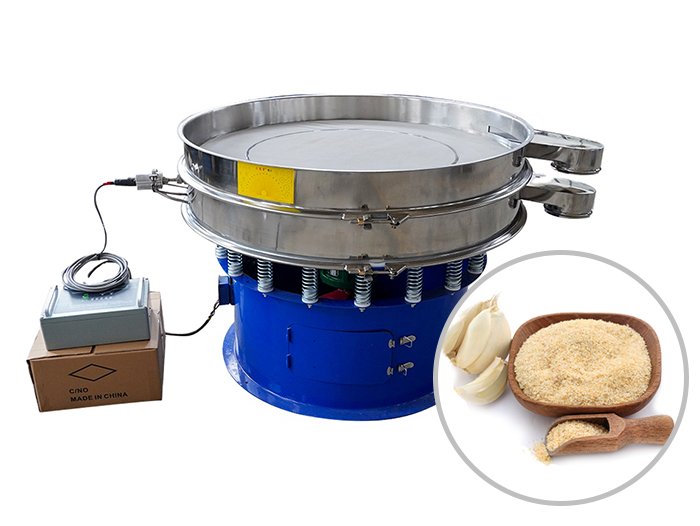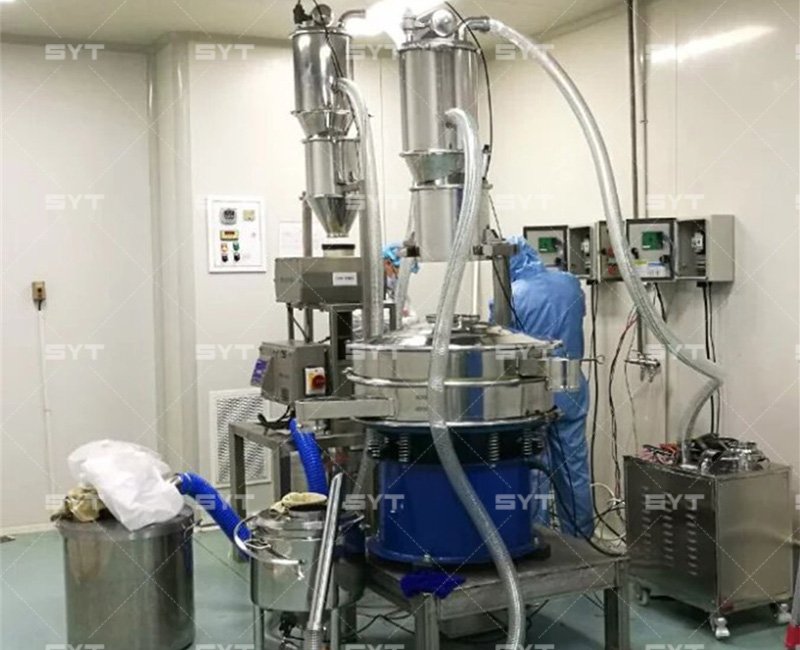


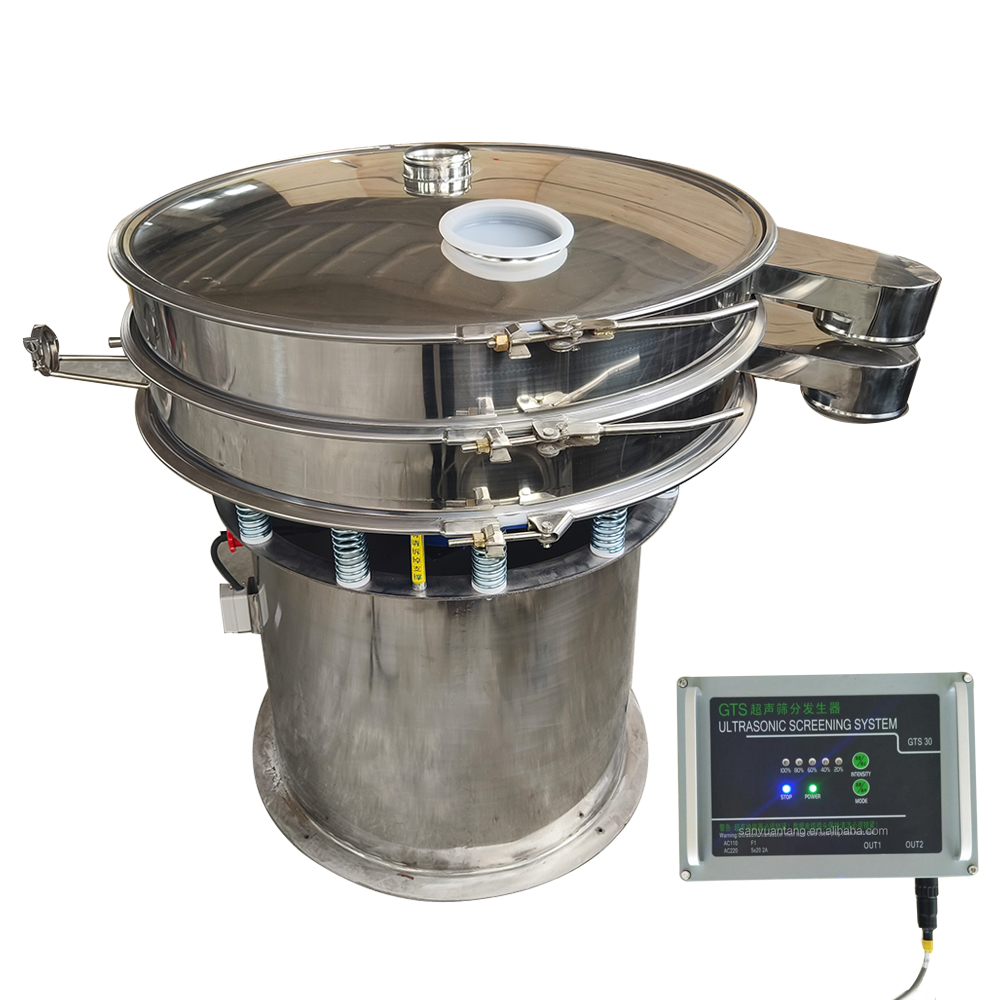
The ultrasonic vibrating screen is a fine screening machine. It is based on the ordinary round vibro sifter, with an ultrasonic screening system installed on the screen mesh. The ultra-fine powder receives huge ultrasonic acceleration so that the materials on the screen surface always remain suspended, thus suppressing screen-blocking factors such as adhesion, friction, leveling, and wedging. For equipment selection, check the powder condition, target aperture and required product quality together.
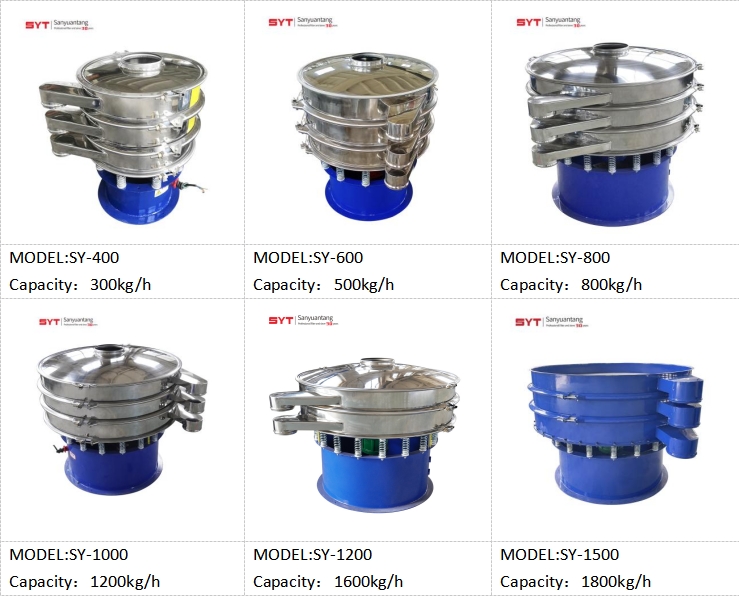
- Model: SY-400/600/800/1000/1200/1500/1800 mm
- Material: Stainless Steel 304/316
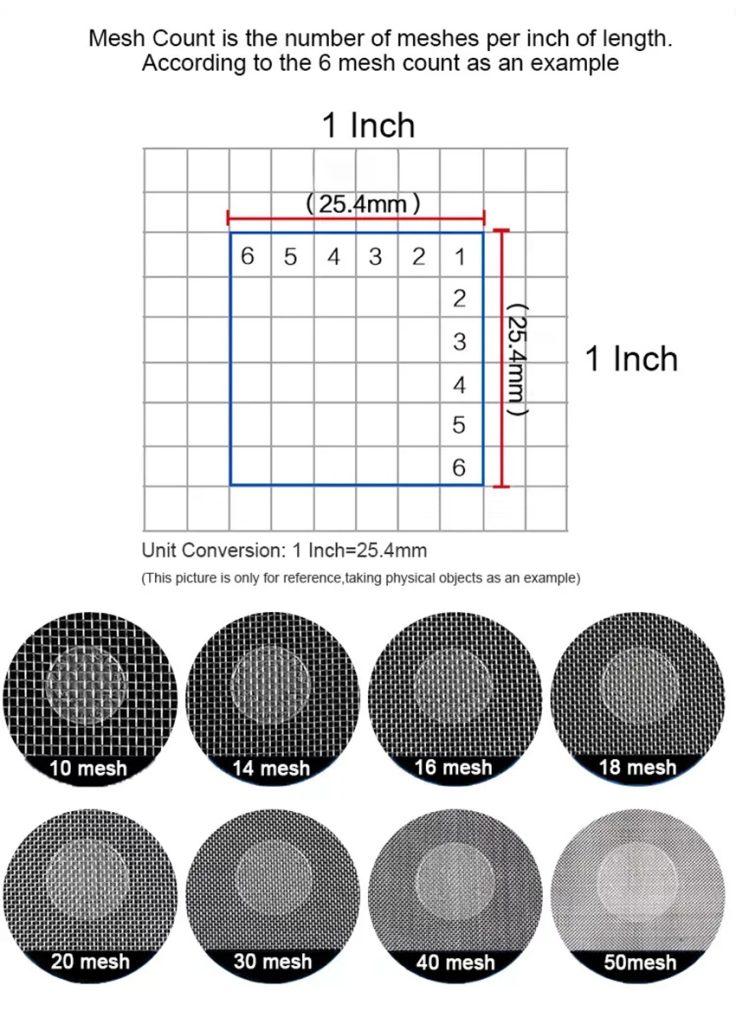
- Mesh Size: 10-635 mesh
- Layers: 1-3 layers
- Motor Power: 0.25-3 kw
- Capacity: 50-3500 kg/h
- Customized: Acceptable
Price: $790 – $2900 /Set
Application
Ultrasonic vibrating screens are widely used in pharmaceutical, metallurgical, chemical, mineral processing, food, and other industries that require fine screening and filtration, effectively solving screening problems such as agglomeration, static electricity, strong adsorption, and blocking of mesh holes.
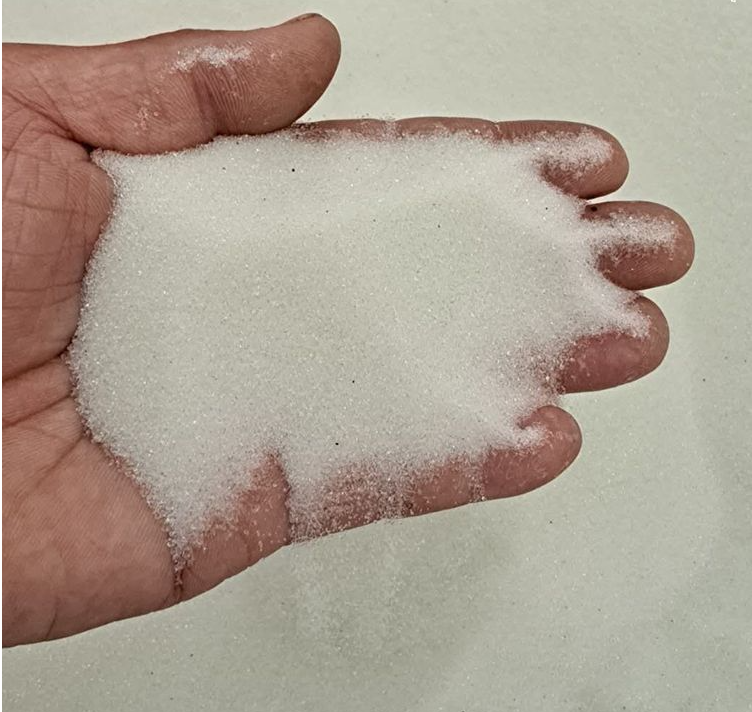
Such as metallurgy powder, electromagnetic materials, metal powder, iron powder, zinc oxide, alumina powder, alloy powder, molybdenum powder, cobalt powder, carborundum, copper, nickel powder, silica powder, titanium oxide, tungsten carbide, tungsten powder, titanium powder, stainless steel powder, etc.
 Wheat Flour
 Milk Powder
 Oil Fracturing Proppant
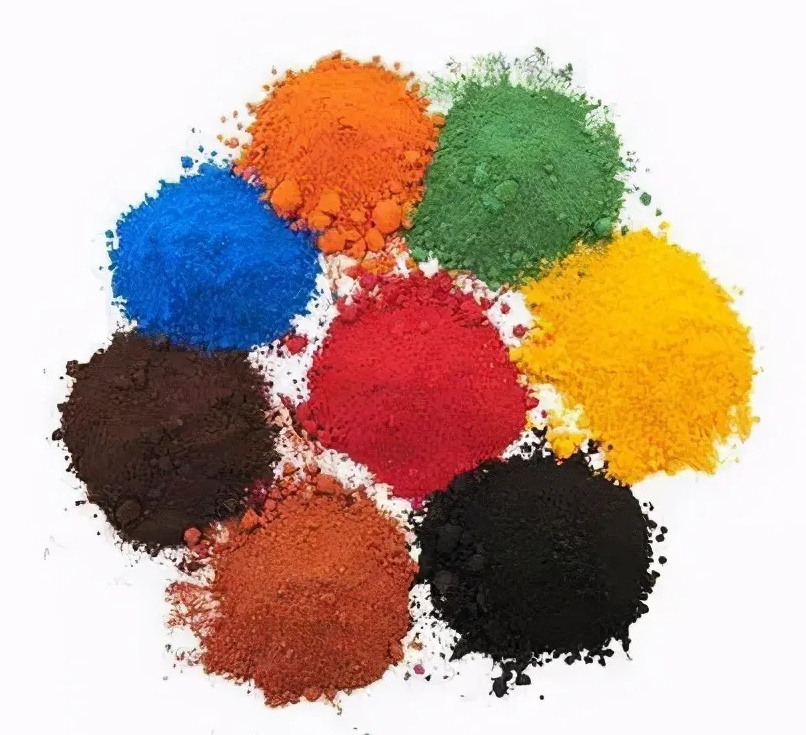
 Paint Coating
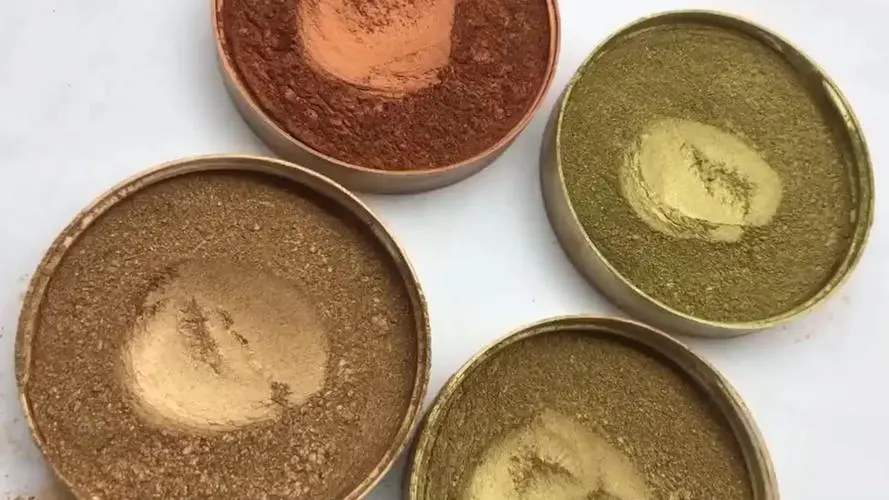
 Metal Powder
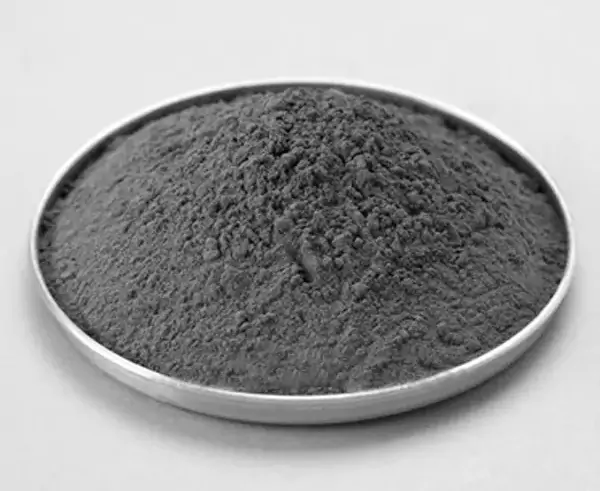
 Molybdenum Powder Screening


Working Principle
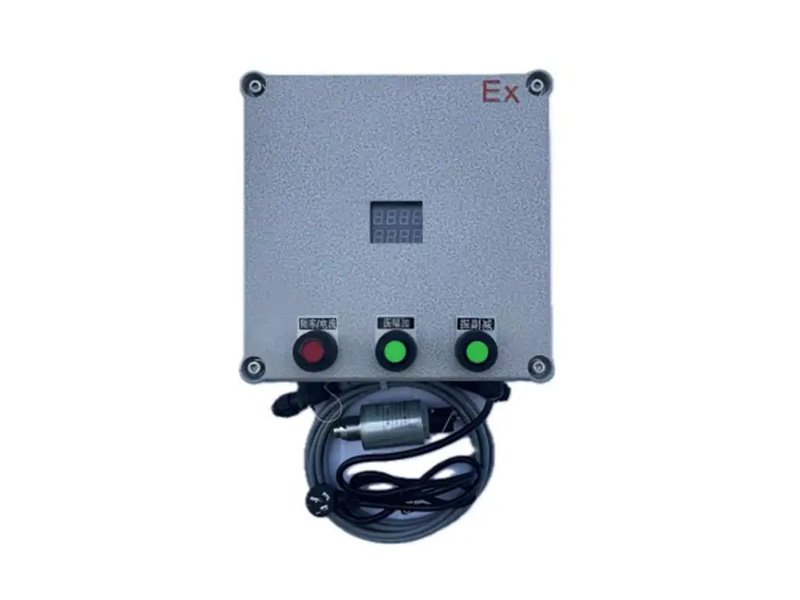
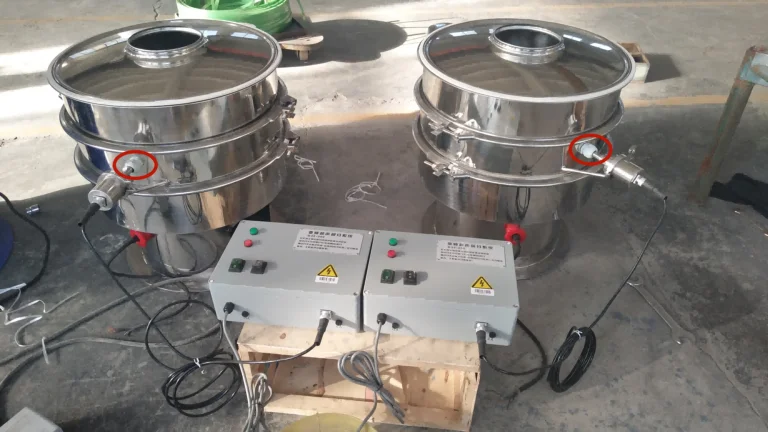
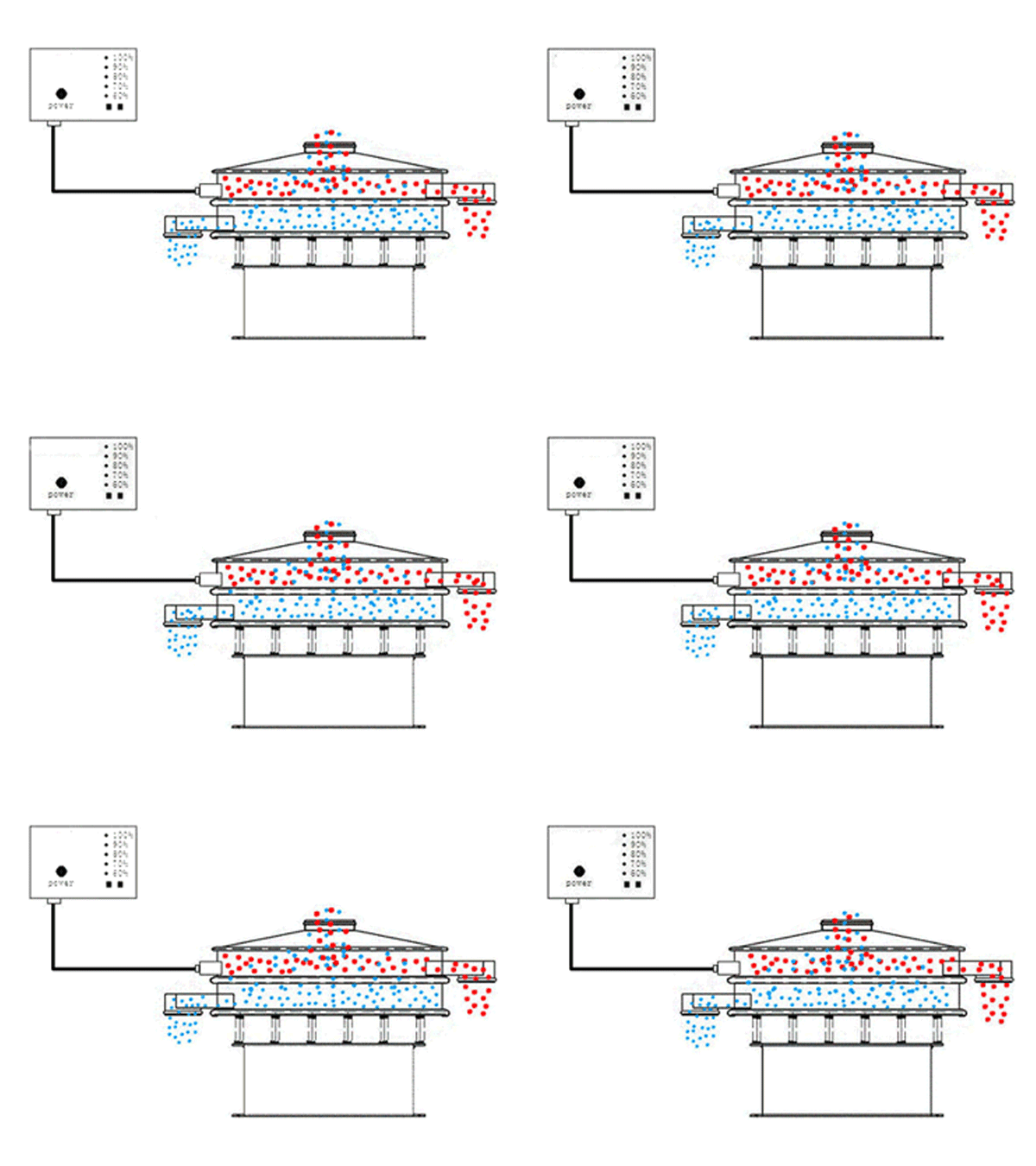
The ultrasonic vibrating screen is based on the ordinary round vibrating screen and is equipped with a low-amplitude, high-frequency ultrasonic transducer (vibration head). The transducer converts the high-frequency electricity generated by the 220-volt AC ultrasonic electric control box into high-frequency sinusoidal These oscillation waves are transmitted to the resonator to cause the resonator to resonate, and then the resonator transmits the vibration evenly to the screen surface.
The materials on the screen undergo low-frequency three-dimensional vibration and are superimposed with ultrasonic vibration, which can not only prevent the mesh from being blocked but also improve screening output and accuracy. This solves screening problems such as strong adsorption, easy agglomeration, high static electricity, high fineness, high density, and light-specific gravity.
Custom according to your needs
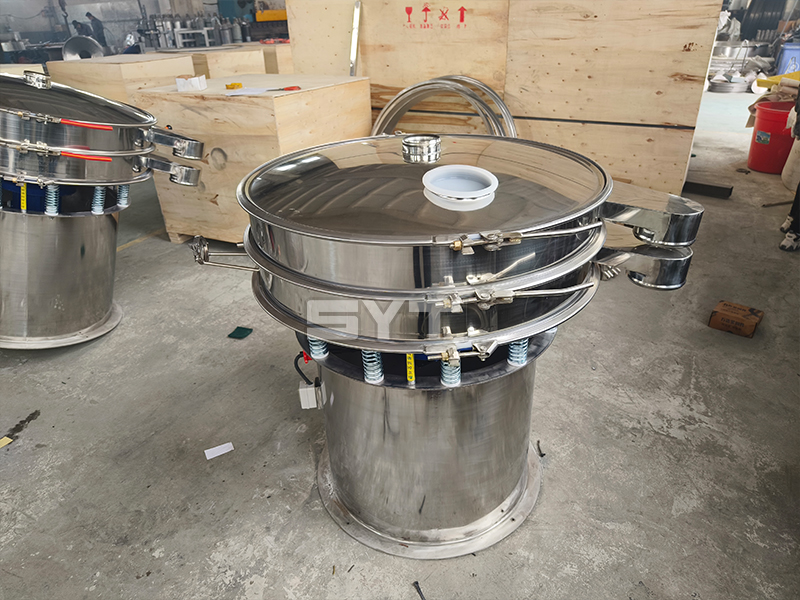
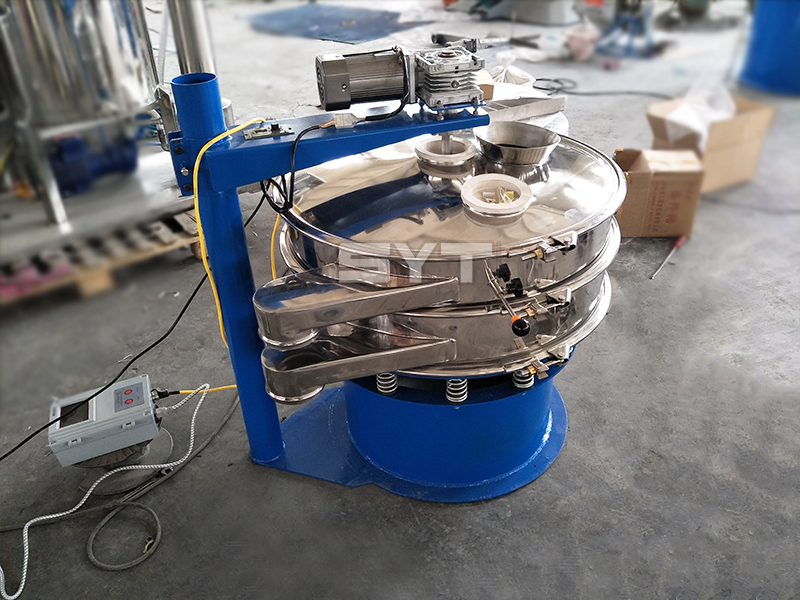
Ultrasonic vibrating sieves are available in a variety of models, and we can customize them according to your specific requirements, such as size, number of layers, screens, outlet, and inlet, including gate type, mobile wheel type, elevated type, airtight type Formula, etc. Ensuring customers can find the perfect machine for their unique needs.
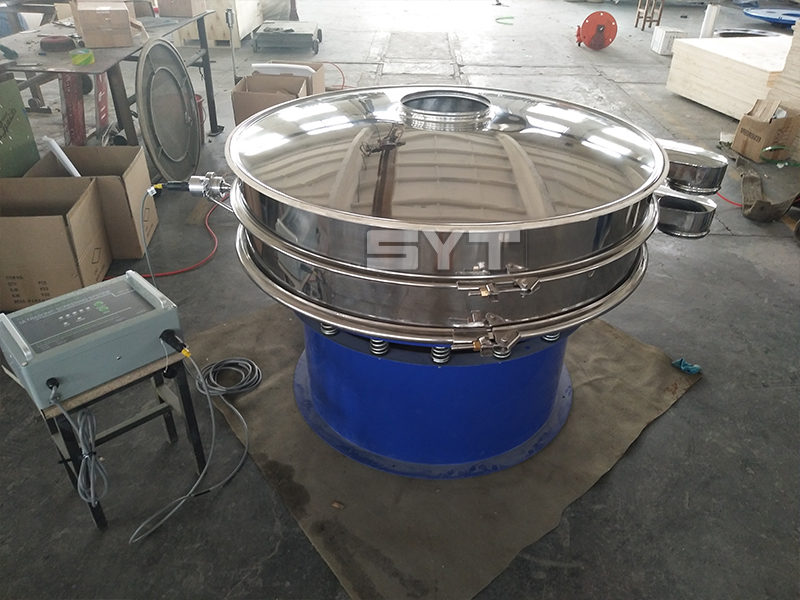
 All stainless steel
- All stainless steel
- Standard stype
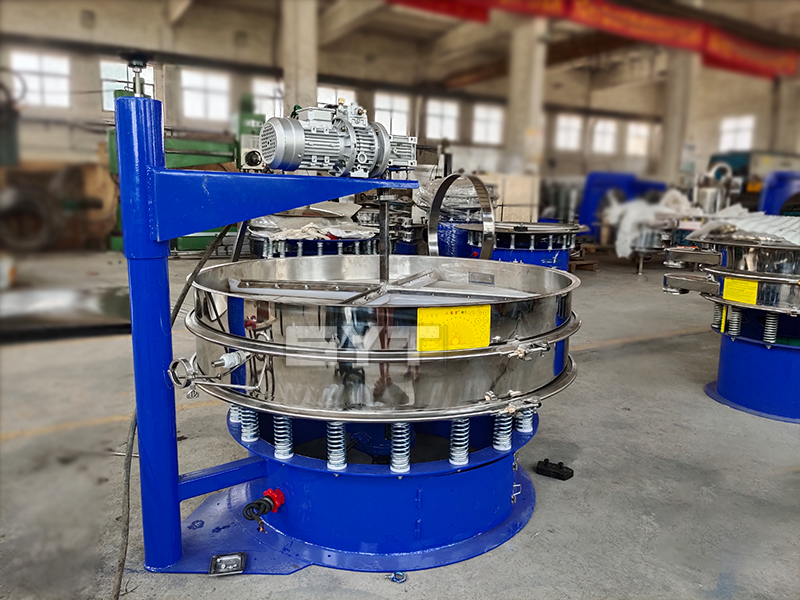
- Add scraper
- Add scraper
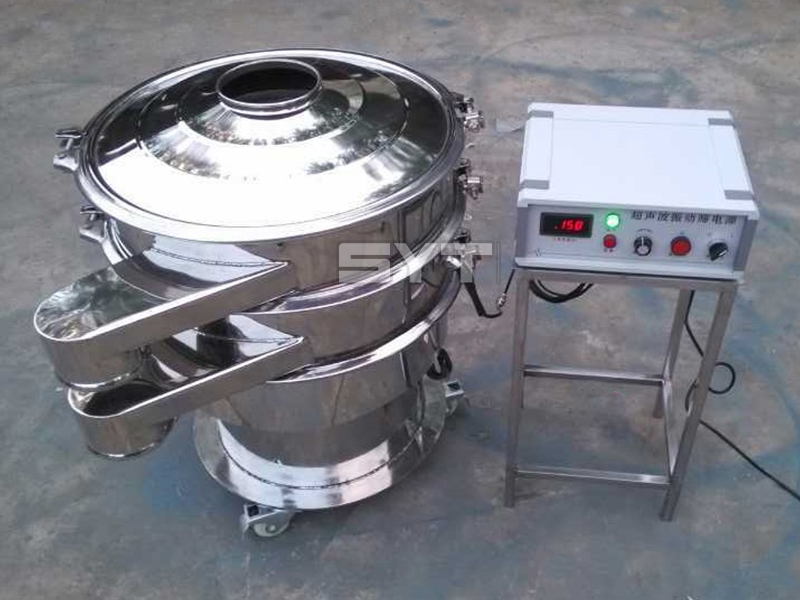
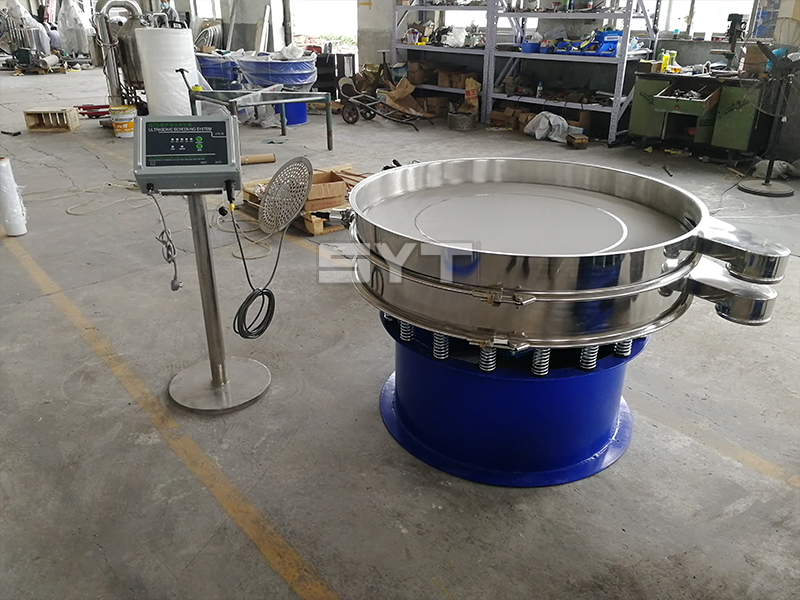
- Ultrasonic controller with bracket
- Screen
- Mini stype
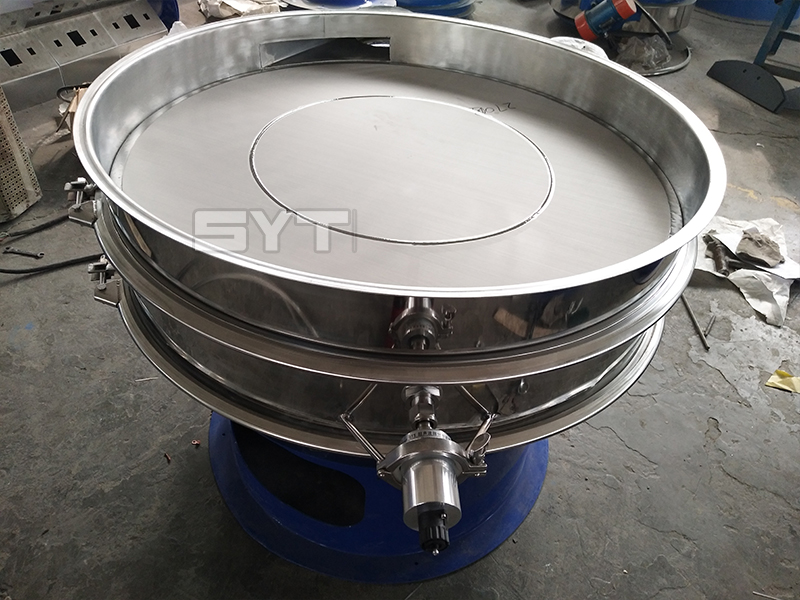
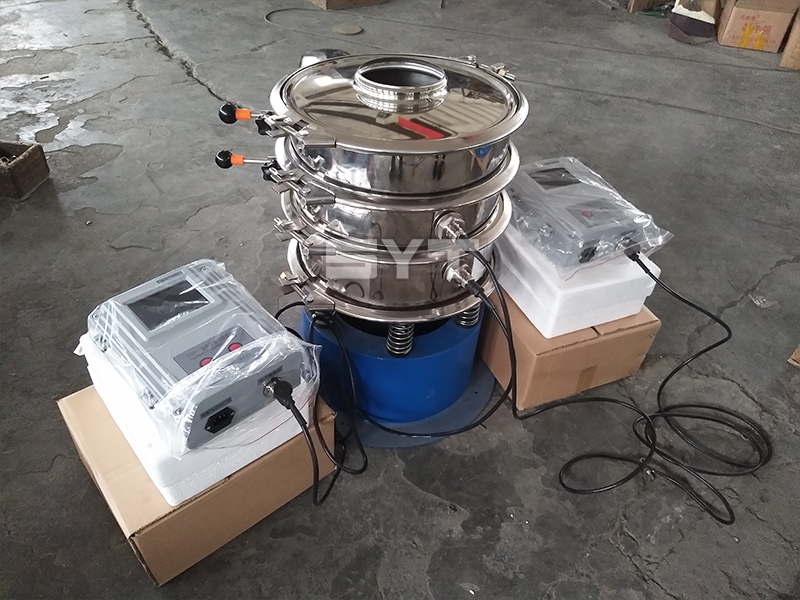
Specifications
| Model | Power(kW) | Effective diameter for sieve surface | Packing Size(MM) | Layer |
|---|---|---|---|---|
| SYC-600- 1S | 0.25 | Φ600 mm | 800×800×680 | 1-5 |
| SYC-800- 1S | 0.55 | Φ800mm | 900×900×780 | 1-5 |
| SYC-1000- 1S | 0.75 | Φ970mm | 1160×1160×880 | 1-5 |
| SYC-1200- 1S | 1.1 | Φ1170mm | 1360×1360×980 | 1-5 |
| SYC-1500- 1S | 1.5 | Φ1470mm | 1850×1850×1130 | 1-5 |
| SYC-1800-1S | 2.2 | Φ1770mm | 2200×2200×1360 | 1-5 |
Ultrasonic vibrating screen structures
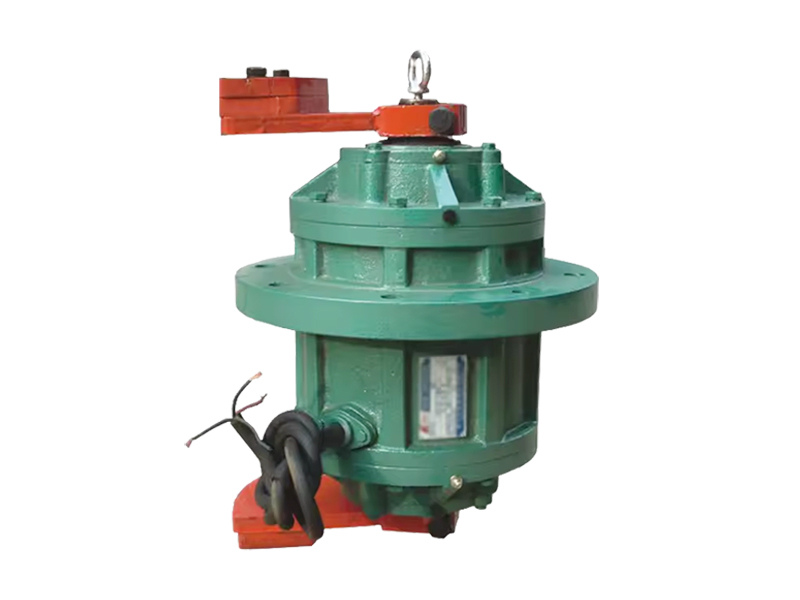
The ultrasonic vibrating screen mainly comprises an ultrasonic transducer, grid, power supply, resonant ring, screen, screen frame, vibration motor, damping spring, base, and other components. We can customize different types of ultrasonic systems and ultrasonic grids according to customer requirements.


It can be used in single-layer or multi-layer. A set of intelligent ultrasonic generators uses three transducers at the same time. Can also be mounted to new or existing vibrating screens for easy integration into your production line.
Features
Effectively solves the screening problems of materials that are difficult to screen, such as: high electrostatic, high fineness, strong adsorption, easy agglomeration, high density, and light-specific gravity.
Low-amplitude vibration reduces the vibration height of the material, maintains the contact between the material and the screen surface, and reduces the phenomenon of empty materials.
Improve screening efficiency
Ultrasonic vibrating screens use the dual effects of high-frequency vibration and ultrasonic waves to quickly and evenly disperse materials on the screen surface, thereby improving screening efficiency.
Prevent screen clogging
Ultrasonic waves cause the screen to expand and contract instantly, helping materials that are difficult to screen pass through the screen holes and reduce clogging. The screening accuracy is as low as 20μm (#635 mesh).
Increase production
Ultrasonic vibration can make the powder pass through the sieve holes faster, improve the sieve hole penetration efficiency, thereby increasing the screening capacity by 5-10 times.
High-precision screening
This equipment can achieve precise particle size control by adjusting parameters such as amplitude and frequency to meet the screening of materials with different particle size requirements.
Videos
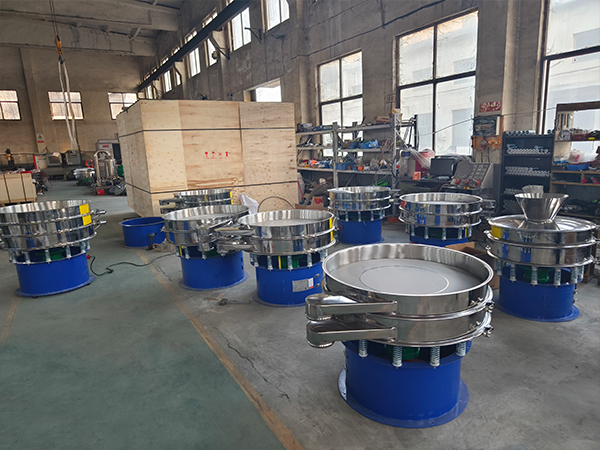
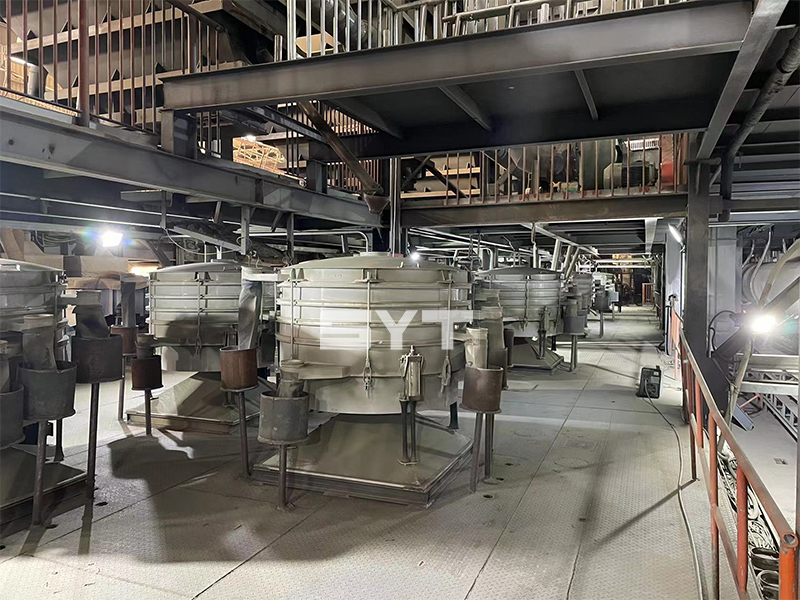
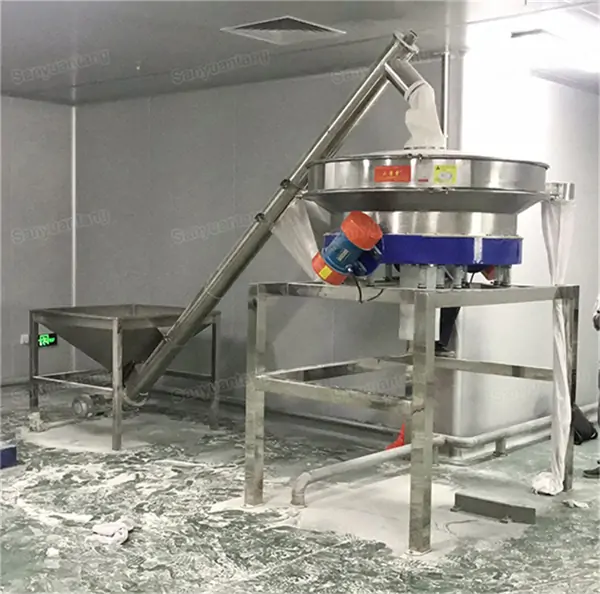
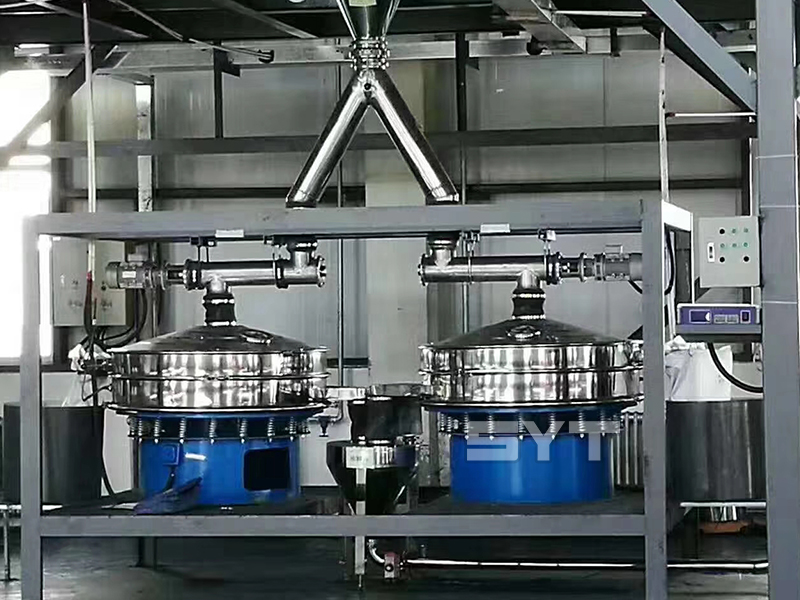
Customer Site



Difference between ultrasonic vibrating screen and ordinary rotary vibrating screen
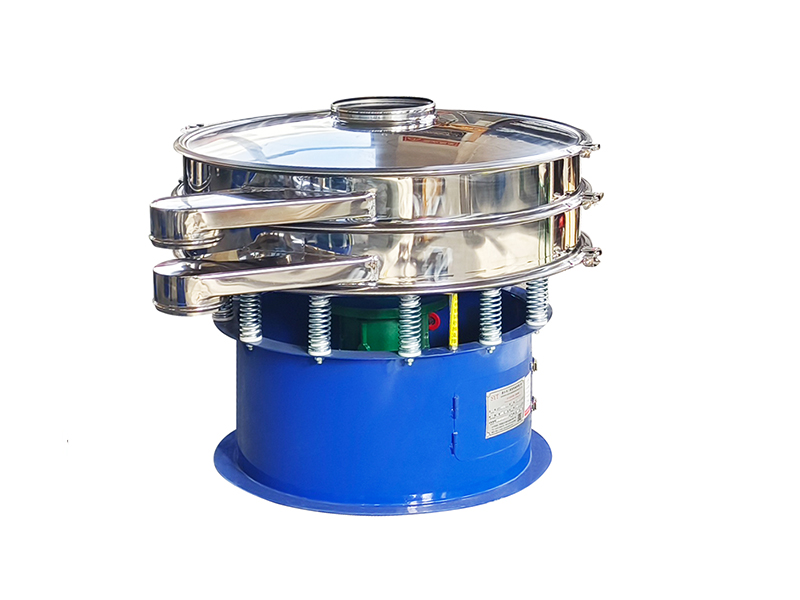
rotary vibrating screen
Ordinary rotary vibrating screens are suitable for screening and impurity filtering of dry powder within 200 mesh or powder particle slurry within 600 mesh. The screening accuracy is generally around 60%-70%.
ultrasonic vibrating screen
The ultrasonic vibrating screen is mainly used for screening dry powdery materials within 300 mesh to 600 mesh. It can effectively solve the problem of static electricity, adsorption and easy clumping, light-specific gravity, and sticky materials that are difficult to screen. The screening accuracy can reach above 95. The screening output of an ultrasonic vibro sifter is 5-10 times that of an ordinary rotary vibrating screen.
Test Results
| Model(mm) | Test material | Ordinary Rotary Vibrating Screen | Ultrasonic Vibrating Screen | ||
| Mesh | Test Results | Mesh | Test Results | ||
| SY-1200 | Silicon carbide | 500 | cannot be sieved | 500 | 1200KG/H |
| SY-1200 | Tungsten carbide powder | 600 | 10 minutes no sifting out fine powder | 600 | 40KG/H |
| SY-1200 | Vitamin C Powder | 100 | 1.5kg/hour | 100 | 130-180KG/H |
| SY-800 | pollen | 300 | 10 minutes no sifting out fine powder | 300 | About 30% fine powder is sieved in 15 minutes, and finer grading is possible |
| SY-1200 | Nickel, Zinc, Cobalt Powder | 325 | 20kg/hour | 325 | 400KG/H |
| SY-1000 | Emery powder | 400 | Cannot be sieved | 300 | 13000KG/H |
How to Assess Screening Performance for Your Powder
When using trial results to choose a configuration, compare the same material and product requirement. Record any differences in aperture, wire construction, effective screen area and feeding conditions.
Step 1. Use a representative material batch and record its moisture condition and particle-size distribution.
Step 2. Identify the mesh assembly and cleaning system on each deck, including which decks use ultrasound.
Step 3. Run long enough to observe changes in deposits and output, rather than reporting only the initial feed rate.
Step 4. Collect and weigh each output, then check accepted product quality and useful powder lost with the reject.
Step 5. Record cleaning intervals, mesh condition and the complete configuration alongside accepted output.
If tests use different apertures or materials, their throughput figures need to be interpreted separately. Agree trial conditions and acceptance criteria for your powder before treating a result as the basis for an equipment order.
China ultrasonic Vibrating Screen Manufacturer and Supplier
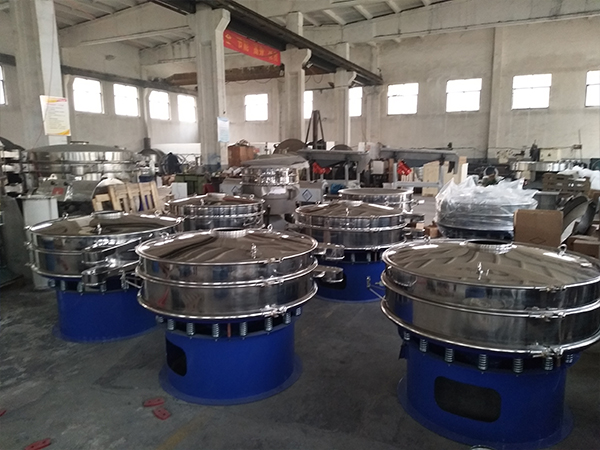
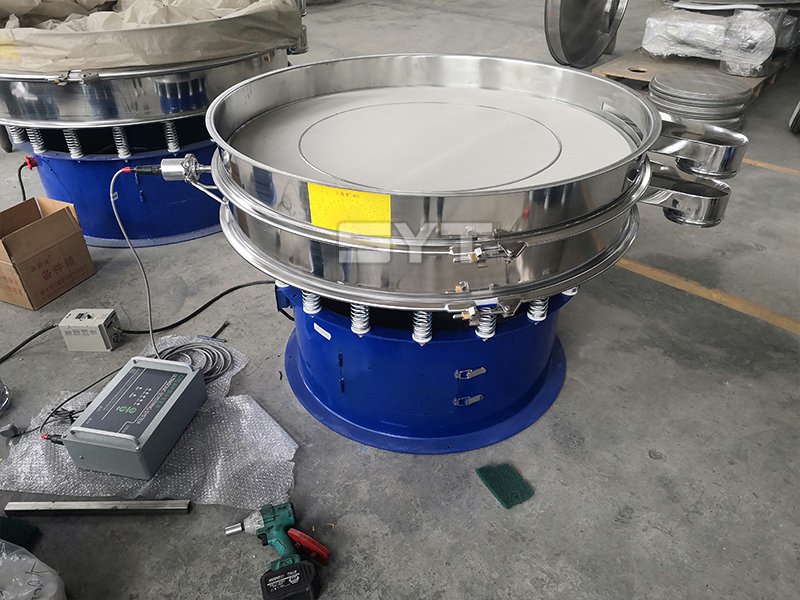
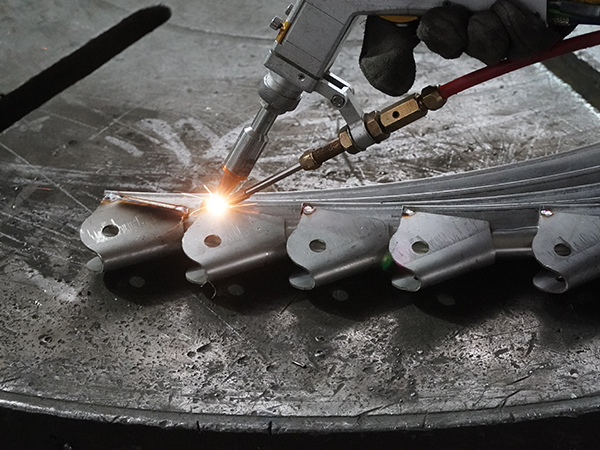
Sanyuantang Machinery is China’s leading manufacturer and supplier of fine powder ultrasonic vibrating screen, with 24 years of rich production experience. We focus on the R&D and manufacturing of ultrasonic vibrating screens and are committed to solving screening problems for customers in various industries. Our products have been exported to more than 50 countries around the world, providing customers from all walks of life with high-quality products, comprehensive services, and cost-effective screening solutions. With advanced technology and a professional team. Discover our range of reliable and durable ultrasonic vibrating screens today.


Ultrasonic Vibrating Screen FAQs
Will ultrasound solve every screen blinding problem
No. Identify whether the cause is adhesion, near-size particles, moisture, hard lumps or an overloaded bed. Ultrasonic assistance may help suitable fine-powder duties, while other causes can require changes to the material, feeding or separation method.
What mesh size can an ultrasonic vibrating screen handle
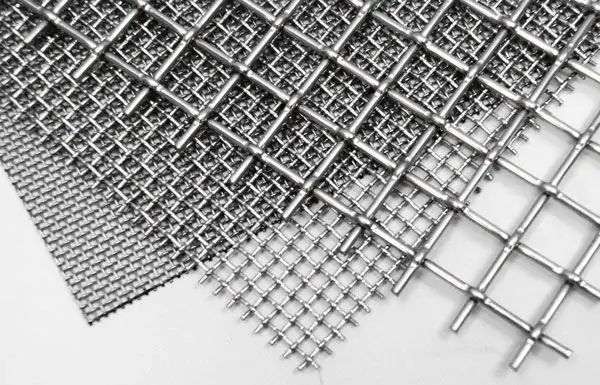
Specify the actual aperture, wire construction and material rather than relying only on mesh count. Practical performance depends on the powder and configuration. Confirm available screen assemblies and use a material trial to assess the required separation.
How much can ultrasonic assistance increase output
There is no fixed increase for every powder. Compare accepted output and recovery with and without assistance under comparable conditions. Report the aperture, screen area, feed and run time alongside any improvement figure.
Can I add an ultrasonic generator to my existing screen
Only after confirming compatibility of the complete system. The generator, transducer, resonant components and mesh assembly must work together. Send the screen model and frame details before selecting retrofit components.
Does ultrasound remove static electricity
Ultrasonic motion may help particle passage, but it should not be described as an electrical static-control system. Review earthing, material behaviour and any dust requirements separately for the complete installation.
Do all decks on a multi-layer screen use ultrasound
Not necessarily. The supplied arrangement may use different cleaning systems on different decks. Confirm the number of assisted decks and the matched components for each one in the quotation.
What should I send for a fine-powder screening trial
Provide a representative sample, target aperture, particle-size requirement, required output and current screening conditions. Include moisture information, deposit photographs, product-loss concerns and any restrictions on contact materials or sample handling.