
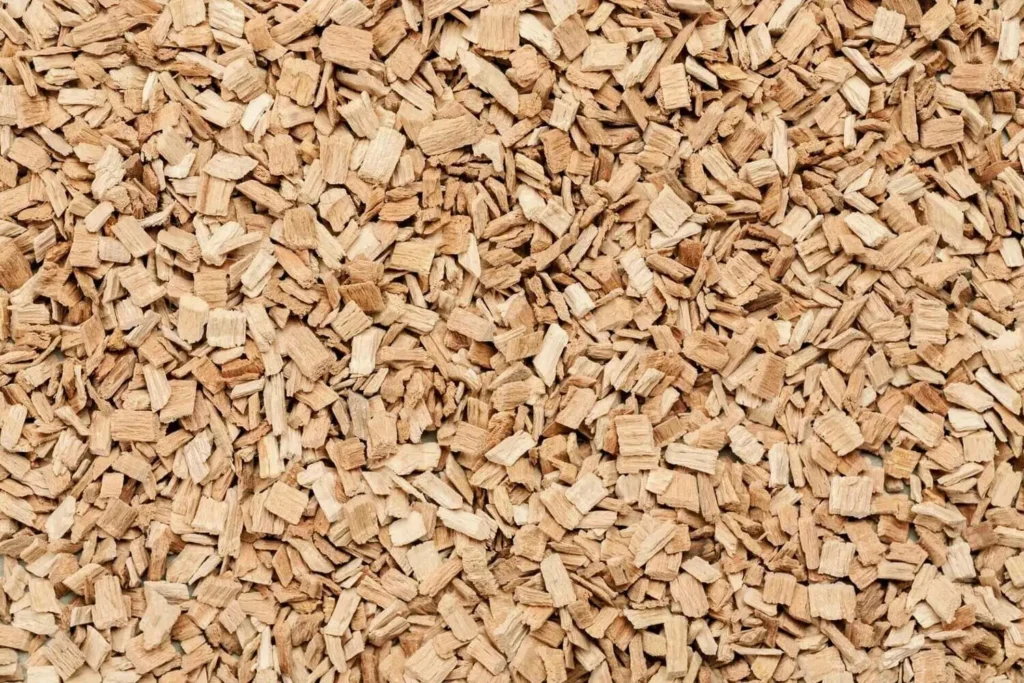
Wood chipping means cutting branches, logs or wood waste into smaller chips with a chipper. The chips can be used for mulch, biomass fuel, paper, wood board, compost and other products.
When landscaping is the intended market, review the expected wood chip mulch uses and quality before setting the screen cuts. The choice of wood chips for landscaping and mulch also affects acceptable size, dust content and appearance.
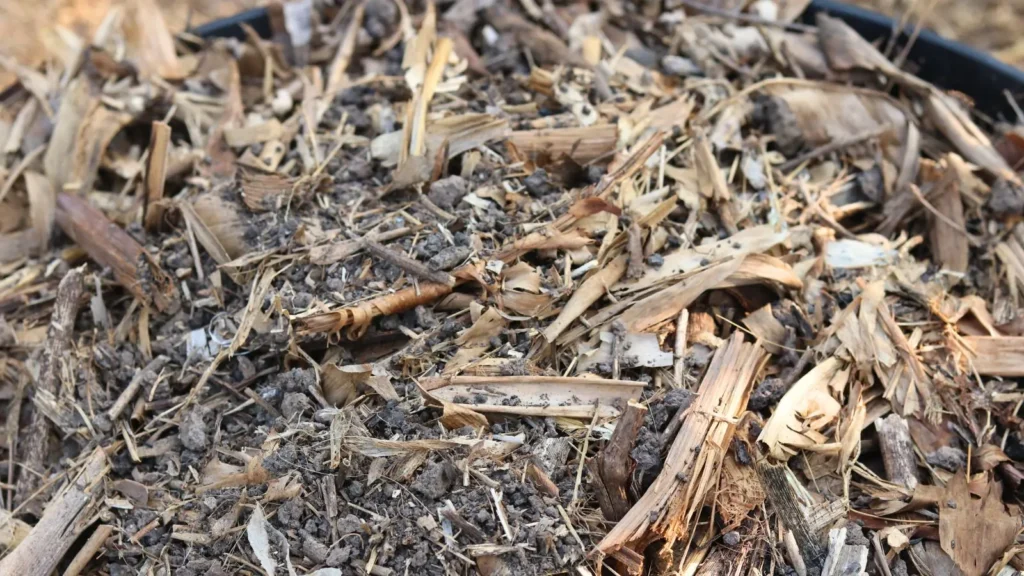
But the material coming out of a chipper is normally mixed. You may see good chips, small powder, bark, long strips and large pieces in the same pile. This is acceptable for some uses. For a customer who needs a fixed size, it is a problem.
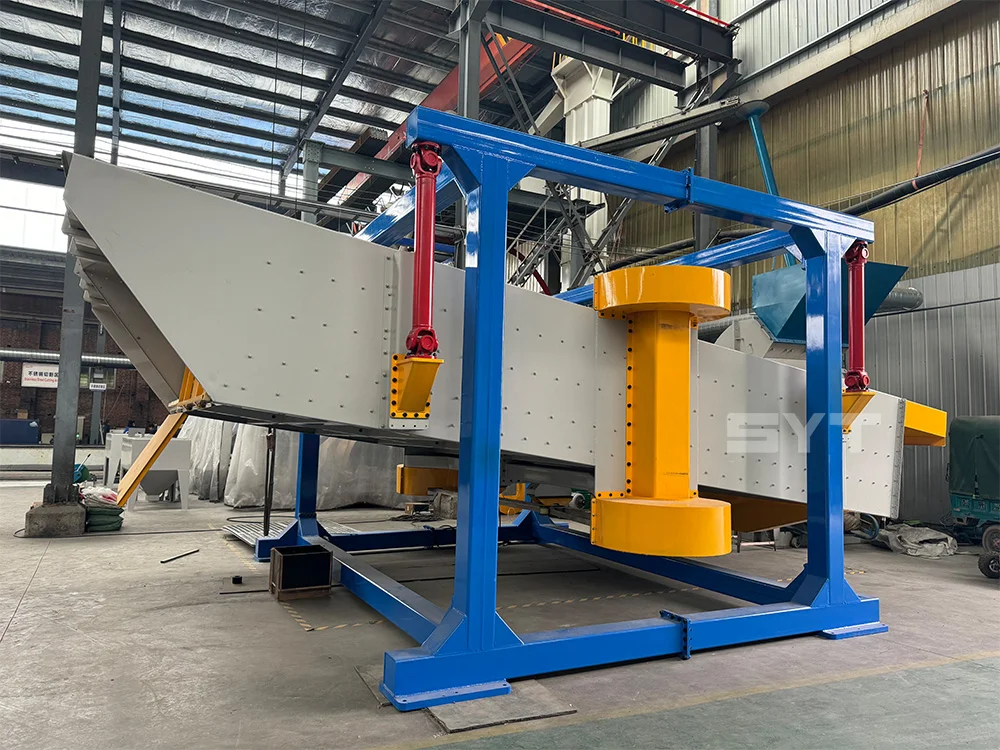
This is where Sanyuantang can help. We do not produce the wood chipper. Our work starts after chipping. We use a wood chip screener to remove fine and oversized pieces, make different product sizes and send the material to the next process.
What Is Wood Chipping?
During wood chipping, feed rollers or another feeding mechanism move wood toward rotating knives. The knives cut the material into pieces instead of reducing it entirely to powder.
Common feed materials include:
- forestry branches and tops;
- small logs;
- sawmill slabs and offcuts;
- orchard pruning;
- clean urban wood;
- wood-processing residue.
The intended use should be decided before processing begins. Mulch producers may accept a natural mix of wood and bark. Pulp, board and biomass buyers may impose tighter limits on chip dimensions, fines, bark, ash or contaminants.
“Wood chips” is therefore not one universal specification. Two products with the same name can behave very differently in a boiler, digester, pellet line, or landscape bed.
Wood Chipping vs Shredding vs Grinding
These terms are often used together, but the resulting material is different.
| Process | Main action | Typical output | Common use |
|---|---|---|---|
| Chipping | Knives cut wood into chips | Defined pieces with relatively clean cuts | Pulp, biomass, mulch, board feedstock |
| Shredding | Rotors tear mixed material | Irregular, stringy pieces | Green waste, recycling, volume reduction |
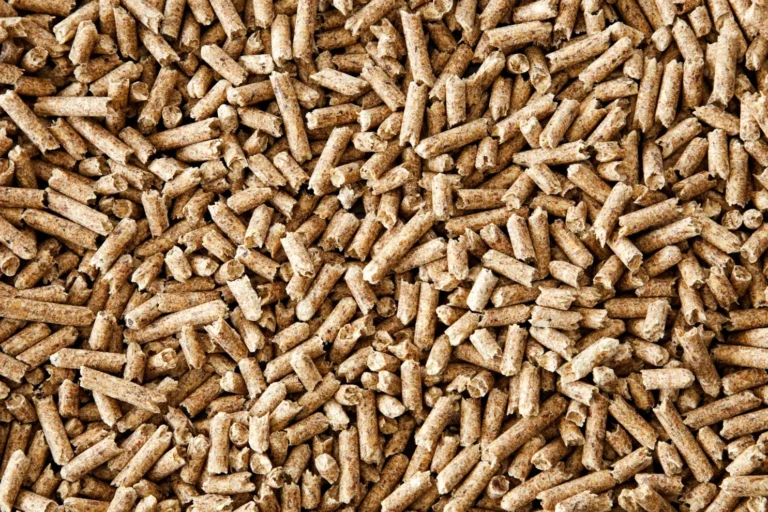
| Grinding | Hammers or teeth reduce material | Finer, more variable particles | Fuel preparation, compost, waste processing |
The best machine depends on the feed and required output. Clean logs intended for pulp are not processed in the same way as mixed demolition wood. Contaminated waste also requires stronger separation and safety controls.
For a consistent finished chip, the process usually needs both size reduction and classification.
A Simple Wood Chipping Production Process
1. Define the finished product
Start with the product you want to sell or use. Confirm the required chip sizes, how much fine material is allowed, the maximum large piece and the material moisture.
Without a clear product specification, operators may produce a large volume of chips that cannot enter the intended market.
2. Inspect and prepare the raw wood
Remove soil, stone, wire, nails and other foreign objects before chipping. Metal can damage cutting equipment and become a safety hazard. Depending on the product, logs may also require debarking or washing.
Clean feedstock is especially important for mulch sold to gardeners and for fuel products where ash content is controlled.
3. Control the feed
Uneven feed causes unstable load and variable chip quality. A hopper, feeder or conveyor should deliver material at a rate the chipper can accept.
Large forked branches may need preprocessing so they enter correctly. Operators must follow the chipper manufacturer’s safety procedures and never bypass guards or feeding controls.
4. Chip the material
The chipper reduces the prepared wood. Knife sharpness, knife clearance, rotor speed and feed rate affect the output.
Dull knives can create more fines and damaged, irregular pieces. Excessive feed can reduce cutting quality or overload the machine. Very dry, frozen or wet wood may behave differently even when the nominal feed size is unchanged.
5. Remove metal and heavy contaminants
Magnets or other removal equipment may be installed before or after the chipper. This depends on the raw wood. Please remember that a screen separates by size. It cannot replace every metal or stone removal machine.
6. Screen and grade the wood chips
Mixed chips enter a Wood Chip Screener and are separated into defined fractions. A simple line may produce fines, acceptable chips and oversize. A multilayer screen can create several commercial grades in one pass.
Screening affects more than appearance. It can improve downstream feeding, combustion consistency, pulping conditions, board quality and bagged-product uniformity.
7. Reprocess oversize
Oversized or overlong pieces can be returned to a suitable rechipper or grinder. A controlled return loop reduces waste, but the recycle rate should be monitored. A very high oversize return may indicate worn knives, unsuitable feed or incorrect chipper settings.
8. Handle fines separately
Fines are not always waste. Clean fine material may have value in composting, fuel or another product. The correct outlet depends on particle size, contamination, moisture and local market requirements.
9. Convey and store each product
Each fraction requires controlled transfer and storage. Fine, dry wood dust needs suitable dust and fire controls. Wet chips can heat during storage, while irregular chips may bridge in hoppers.
Design the discharge and conveyors around the material—not only around the rated tonnage.
Why Screening Is Necessary After Wood Chipping
A chipper controls the cut, but real feed is variable. Branch diameter, species, knots, bark, moisture and knife wear all influence the result. The output therefore has a particle-size distribution rather than one fixed size.
Screening performs four practical jobs:
- removes fines that create dust or reduce product life;
- separates oversize and overlong pieces;
- creates one or more saleable chip grades;
- stabilizes material flow to downstream equipment.
For mulch, screening improves visual consistency and spreading. For biomass, a controlled size can support steadier feeding and combustion. For pulp and panels, excessive fines and oversize can disrupt processing and final quality.
Do not select the screen only by one opening size. Wood chips have different lengths, widths and thicknesses. Wet chips also move differently from dry chips. These points all change the screening result.
Typical Chip Requirements by Application
| Application | Main Requirements | Key Considerations |
|---|---|---|
| Landscape Mulch | Clean, visually consistent chips with controlled fines and oversize | Excess sawdust creates dust, while long pieces are difficult to spread. Preferred chip size depends on decorative beds, paths or bulk coverage. |
| Biomass Fuel | Consistent chip size for reliable feeding and combustion | Oversize chips may bridge or block handling equipment. Excessive fines can affect airflow and combustion. Moisture content is also important. |
| Pulp and Paper | Controlled chip dimensions with low bark, dirt and oversize content | Chip size affects chemical penetration and cooking consistency. Final specifications should follow the requirements of the pulp mill process. |
| Particleboard & Fibreboard | Classified particle fractions suitable for different board layers | Controlled classification helps maintain consistent board density, bonding performance and surface quality. |
| Animal Bedding | Clean material with controlled dust, suitable texture and wood species | Material suitability depends on the intended animal and the safety requirements of the destination market. |
| Compost & Soil Products | Appropriate chip fraction for carbon supply and structural support | Required size depends on whether chips are used as a bulking agent, path material or finished soil-covering product. |
Factors That Change Wood Chip Quality
Wood species
Hardness, fiber structure and bark content affect cutting and screening. A setting that works for one species may not give the same result for another.
Moisture content
Wet chips can stick together and reduce screen efficiency. Very dry material can generate more dust. Moisture should be measured on representative feed, not estimated from appearance alone.
Knife condition
Sharp, correctly set knives normally produce a cleaner cut. More fines or stringy pieces may indicate wear or incorrect clearance.
Feed size and shape
Uniform logs behave differently from mixed branches. Forks, leaves and long fibrous pieces can create an uneven process load.
Screen opening and motion
Opening shape, screen angle, motion, amplitude, feed distribution and retention time influence classification. A larger opening does not automatically mean a good separation if chips lie flat or travel unevenly.
Common Problems and Practical Responses
| Problem | Check first | Possible response |
|---|---|---|
| Too many fines | Knife wear, dry feed, repeated handling | Service knives, reduce unnecessary drops, separate fines early |
| Too much oversize | Feed diameter, knife setting, chipper load | Correct chipper settings and add a controlled return loop |
| Long or stringy chips | Wood species, dull knives, shredding action | Improve cutting condition and select a screen suited to overlength material |
| Screen blockage | Moisture, feed depth, unsuitable opening | Control moisture/feed rate and test screen parameters |
| Uneven screen output | Poor feed distribution | Add a distributor or controlled feeder |
| Stones or metal in product | Contaminated feed | Improve incoming inspection and install appropriate separators |
| Unstable capacity | Variable moisture or bulk density | Measure feed condition and size the line for realistic variation |
A common mistake is to adjust the screen repeatedly when the problem begins at the chipper or feedstock. Troubleshoot the entire process in sequence.
What Information Should You Send to Sanyuantang?
You do not need to prepare a long technical document. Before asking for equipment, send us:
- raw material and wood species;
- minimum, typical and maximum feed size;
- moisture range;
- chipper type and current output distribution;
- required finished sizes;
- acceptable fines and oversize;
- hourly or daily capacity;
- number of product fractions;
- expected contaminants;
- installation space and conveyor arrangement;
- dust, noise and fire-safety requirements.
Photos and videos help us understand the material. If the separation is difficult, a real sample is better. It lets us see how wet, light or long pieces move on the screen.
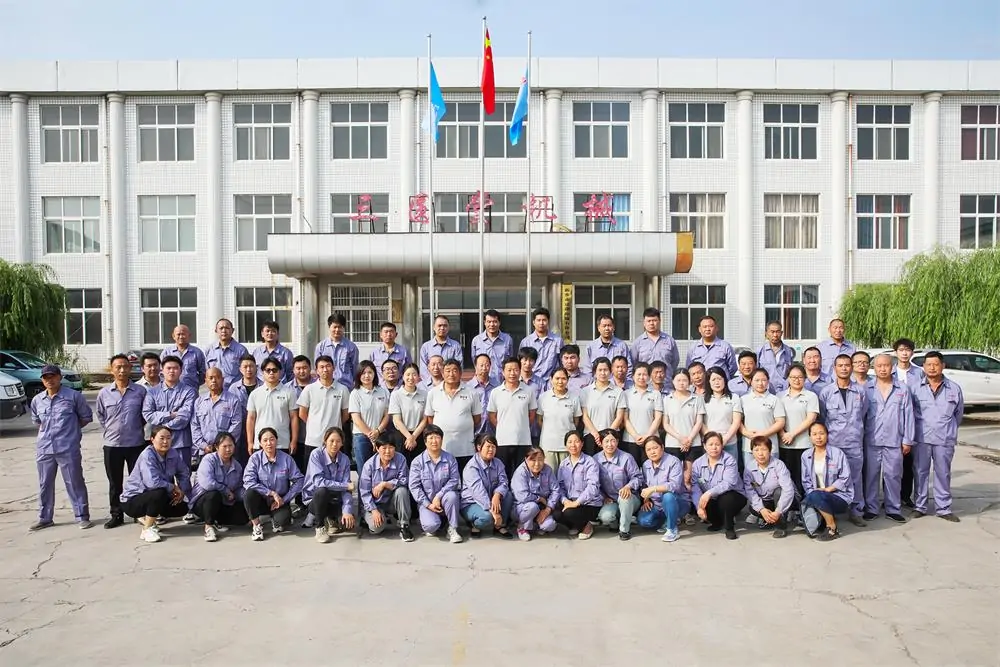
Sanyuantang has focused on screening and conveying solutions since 1994. Its oscillating wood chip screen uses four excitation points and an adjustable screening arrangement for wood chips, sawdust, mulch and biomass feedstock. The published FYBS-4060 range is 1–5 layers, 5–55 mm and 600–1000 m³/h, with a 15 kW drive. Actual performance depends on the feed and cut points, so material testing is part of responsible selection.
For the machine structure and specification, see the Sanyuantang Wood Chip Screener.
Frequently Asked Questions
What is wood chipping?
Wood chipping uses a mechanical chipper to cut branches, logs or clean wood residue into smaller pieces for transport or further use.
Is a wood chipper the same as a wood shredder?
No. A chipper cuts wood with knives and normally creates more defined chips. A shredder tears material and usually produces a more irregular output.
What happens after wood is chipped?
Industrial chips may pass through metal removal, screening, oversize return, fines handling, conveying and storage before sale or downstream use.
Do wood chips always need to be screened?
No. Rough landscape use may accept mixed chips. Screening is important when the buyer requires controlled size, low fines, limited oversize or steady downstream feeding.
What size should wood chips be?
There is no universal best size. Mulch, biomass, pulp, panels and bedding all have different requirements. Use the end-user specification to define the screen cuts.
How can a producer reduce fines?
Check feed cleanliness, wood condition, knife sharpness, chipper settings and the number of handling drops. Then separate unavoidable fines with a suitable screen.
Need to Screen the Material After Wood Chipping?
Good wood chipping is not only about making more chips. The final product needs to match the next use. Fine material should go to the correct outlet. Large pieces should be removed or returned for another cut. The required chips should stay clean and even.
If the material from your chipper contains too much dust, large pieces or mixed sizes, contact Sanyuantang. Send us the raw material size, moisture, finished sizes and capacity. Our sales and engineering team will check the project together and tell you whether the Sanyuantang wood chip screener is suitable. We can also arrange a material test and show you the result by video.
Email: info@sanyuantang.com
Phone: +86-18639095165