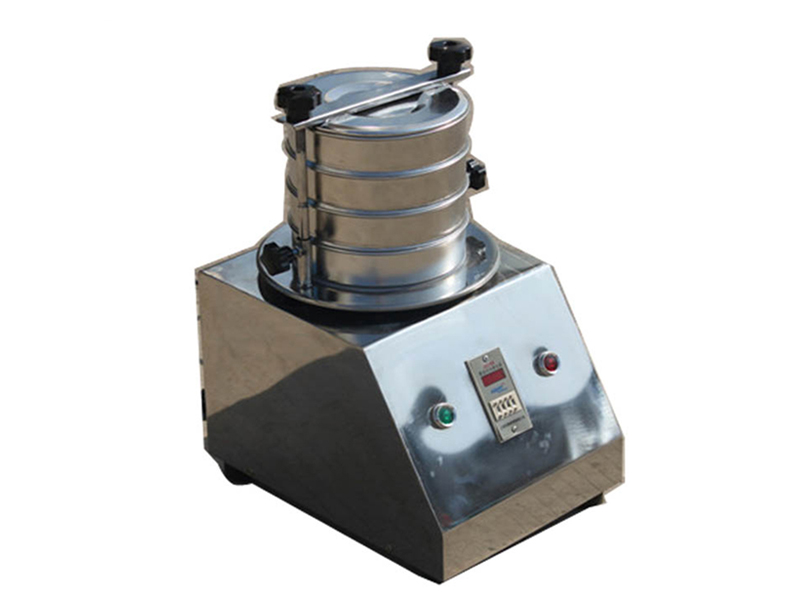
Project Overview
A global manufacturer specializing in eco-friendly construction aggregates was processing recycled oyster shells into high-value graded materials. The target product required precise particle size distribution at 4.75mm, 3mm, and 2.36mm for downstream construction applications.
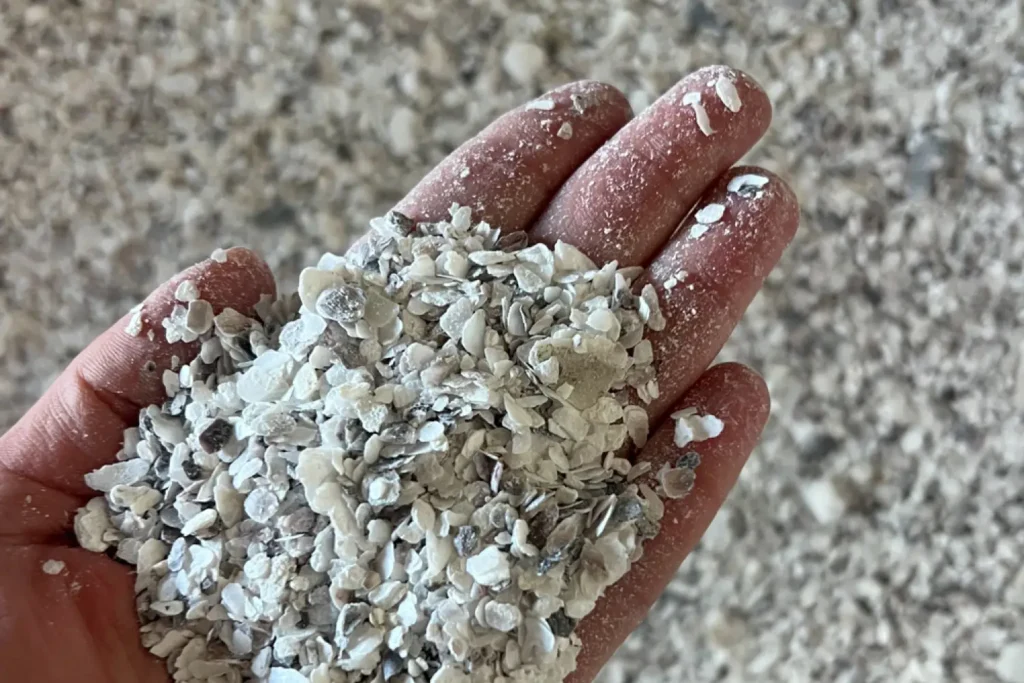
However, the client’s existing screening system had become a critical bottleneck. Although the production line was designed for 500–700 kg/h, the actual throughput remained limited to only 300 kg/h, making it impossible to meet commercial demand. More importantly, inconsistent classification accuracy led to unstable product quality and reduced market competitiveness.
Challenges
The client’s production issues were mainly concentrated in three areas:
- The first challenge was insufficient screening capacity. The equipment could not sustain continuous high-load operation, causing a significant mismatch between production demand and actual output.
- The second issue was unstable particle classification. After crushing, oyster shell fragments generated fine powders that easily mixed with target particles, resulting in an inconsistent grading curve and reduced product uniformity.
- The third challenge was the potential mesh clogging risk. Although oyster shell material has relatively good flowability, its residual moisture content of 1–3% occasionally caused slight adhesion to the screen surface during long-term operation, reducing screening efficiency and stability.
Engineering Analysis & Solution Development
The engineering team conducted a detailed material evaluation using the provided oyster shell samples, with a bulk density of 1400–1500 kg/m³. Small-batch screening tests were performed to simulate real operating conditions.
The analysis showed that achieving both high precision and high throughput required a screening system with:
- optimized multi-dimensional vibration motion
- enhanced material stratification efficiency
- effective anti-blocking structure for slightly moist fine powders
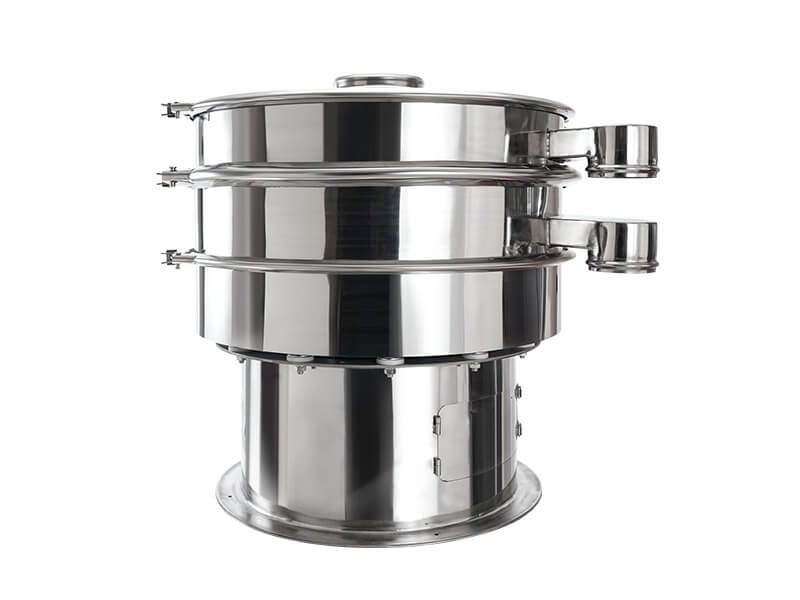
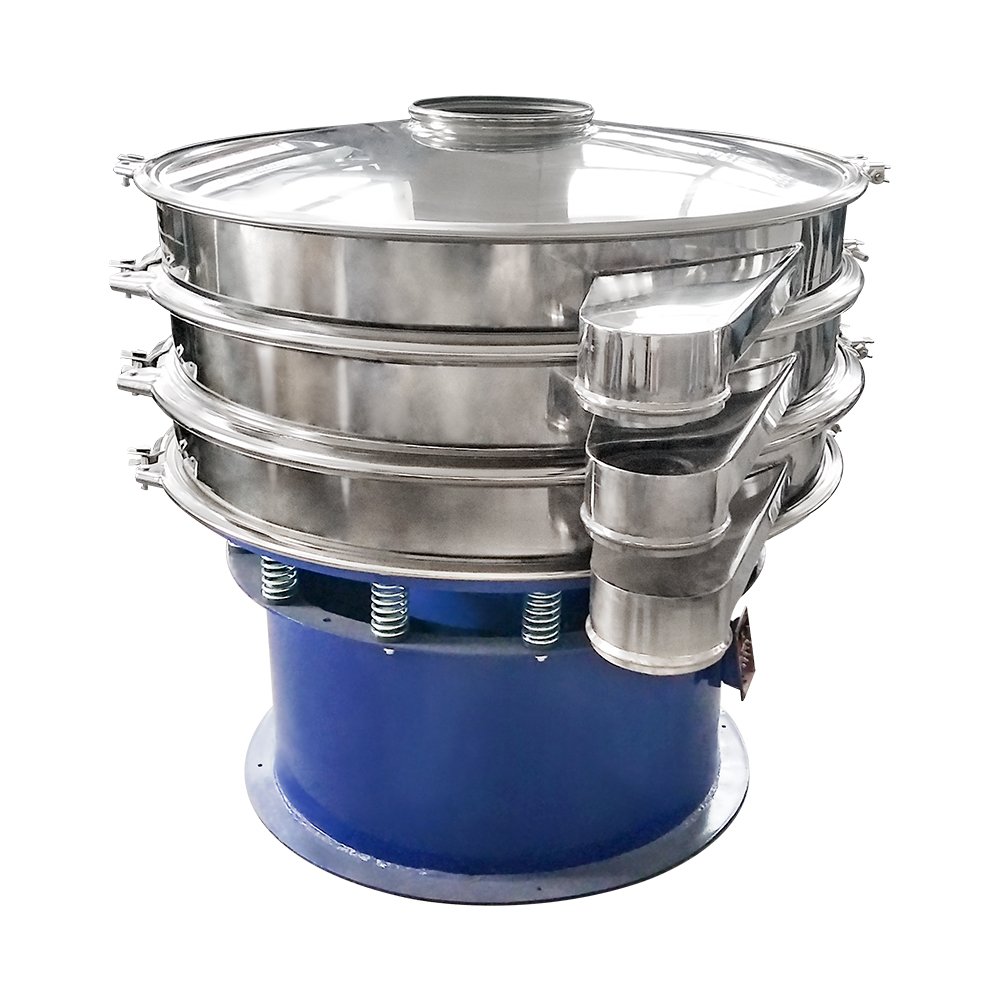
Based on these findings, a 1-meter-diameter stainless steel rotary vibrating screen was recommended as the core solution.
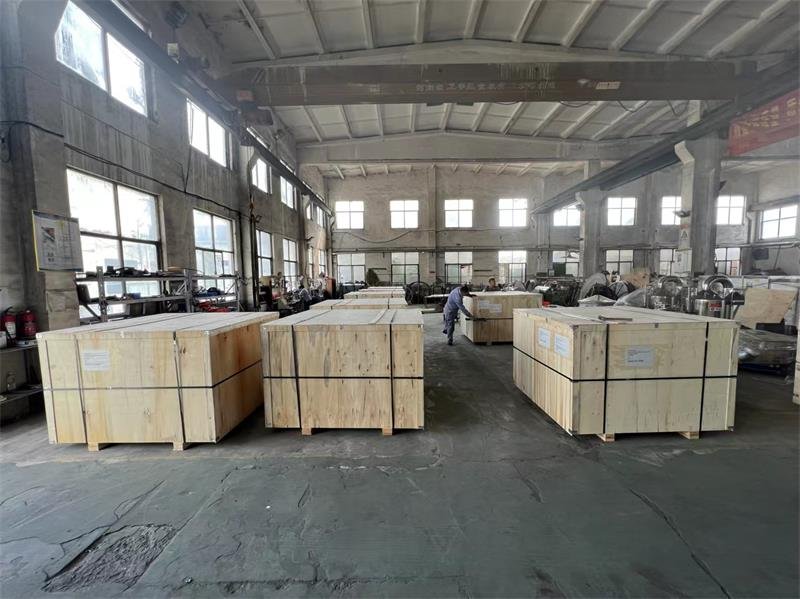
Final Equipment Configuration
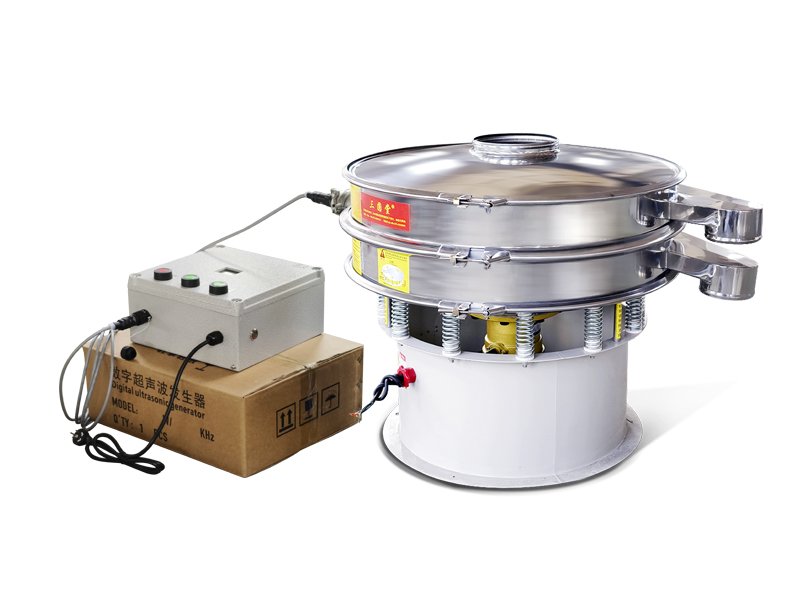
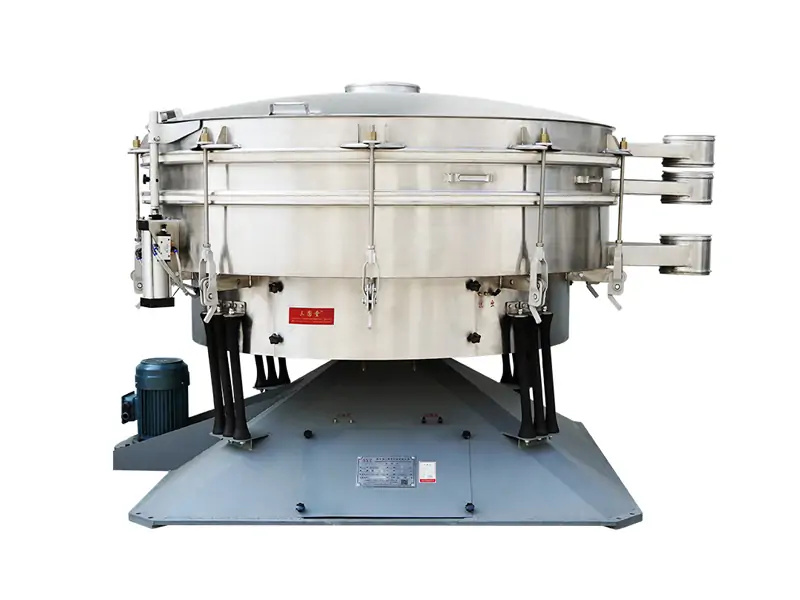
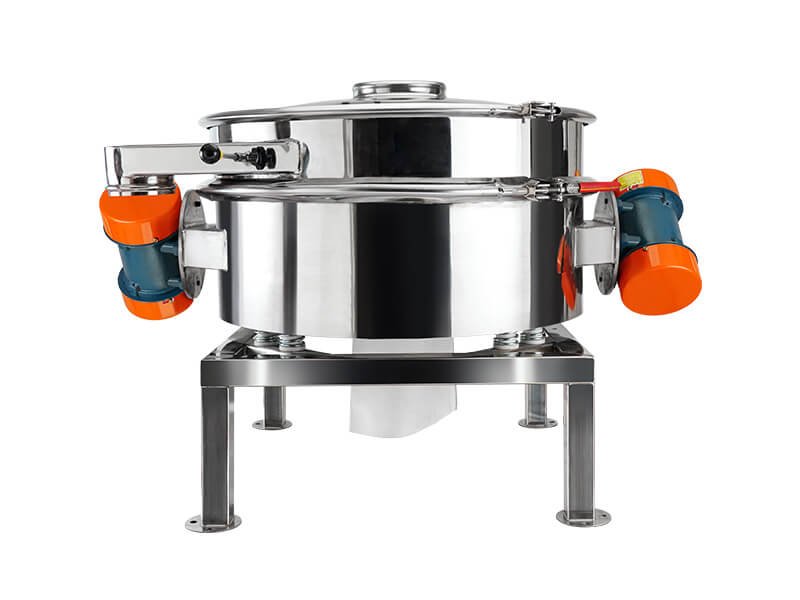
The selected solution was a Rotary Vibrating Screen for Oyster Shell Aggregate Grading equipped with a three-layer screening system:
- Top layer: 4.75mm
- Middle layer: 3mm
- Bottom layer: 2.36mm
The machine operates on a three-dimensional vibration principle, which allows materials to spread evenly across the screen surface, significantly improving separation efficiency and particle accuracy.
To address potential clogging issues caused by micro-moisture content, an elastic bouncing ball cleaning system was integrated. This continuously knocks the underside of the mesh, preventing particle adhesion and ensuring uninterrupted operation.
Technical Specification Overview
| Item | Specification |
|---|---|
| Model | SY-1000 Rotary Vibrating Screen |
| Screen Diameter | 1000 mm |
| Screening Layers | 3 decks (multi-grade separation) |
| Mesh Sizes | 4.75 mm / 3.0 mm / 2.36 mm |
| Capacity | 500–800 kg/h (stable 650 kg/h achieved) |
| Material | 304 Stainless Steel |
| Motor Power | 0.75 – 1.5 kW |
| Cleaning System | Elastic bouncing ball anti-blocking system |
| Structure | Fully enclosed dust-proof design |
Reference product: Rotary Vibrating Screen by Sanyuantang Machinery
Performance Comparison (Before vs After)
| Performance Metric | Previous Equipment | Sanyuantang Solution |
|---|---|---|
| Stable Capacity | ~300 kg/h | 650 kg/h |
| Grading Accuracy | Unstable/mixed fractions | ≥95% stable separation |
| Production Stability | Frequent shutdowns | Continuous 8-hour operation |
| Screen Clogging | Occasional blockage | Anti-blocking system active |
| Product Quality | Inconsistent grading | Uniform, market-ready aggregate |
The most significant improvement was not only a capacity increase, but also process stability under continuous industrial operation.
Application Scope of SY-1000 Rotary Vibrating Screen
| Industry | Typical Materials | Application Purpose | Key Benefits |
|---|---|---|---|
| Environmental Recycling | Oyster shell, construction waste aggregates, recycled minerals | Particle size classification, fine separation | High efficiency grading, stable continuous operation |
| Food Processing | Flour, starch, sugar, salt, milk powder, and seasoning powders | Fine powder sieving and impurity removal | Hygienic stainless steel structure, dust-free operation |
| Chemical Industry | Resins, pigments, coatings, rubber additives | Powder classification and de-agglomeration | High precision screening, anti-clogging performance |
| Mining & Metallurgy | Quartz sand, metal powders, abrasives, refractory materials | Particle size grading and impurity separation | High throughput, wear-resistant screening performance |
| Pharmaceutical Industry | API powders, granules, pharmaceutical intermediates | Fine and ultra-fine material classification | Stable precision screening, compliant hygienic design |
| Plastic & Polymer Industry | Plastic pellets, masterbatch, additives | Size uniformity control and impurity removal | Consistent particle distribution, improved product quality |
Engineering Recommendations
Based on long-cycle testing, our engineers provided the following operational guidance:
1. Screen tension inspection every 200–300 hours
Maintaining proper mesh tension is critical for consistent particle cut accuracy.
2. Maintain spare mesh sets for rapid replacement
Different grading specifications can be switched within 3–5 minutes, minimizing downtime.
3. Ensure stable and uniform feeding
Avoid surge feeding, which may temporarily overload the screen surface and reduce classification efficiency.
Conclusion
This project demonstrates a key principle in industrial screening engineering:
Screening performance is not defined by machine size alone, but by how accurately the vibration system matches material behavior.
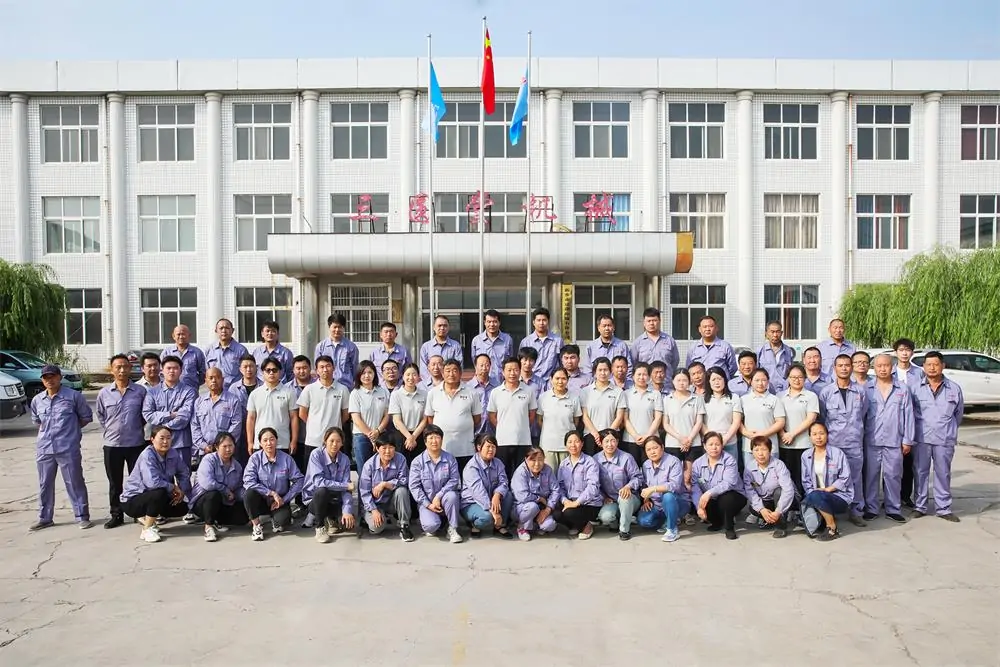
Through targeted material testing and structural optimization, Sanyuantang Machinery delivered a solution that transformed a production bottleneck into a stable, high-efficiency grading process.
For oyster shell aggregate processors and recycled mineral material producers, this case proves that proper rotary vibrating screen selection directly impacts:
- production capacity
- particle grading quality
- downstream product value
If you are also looking for solutions to issues related to material screening efficiency, accuracy, or screen clogging, please feel free to contact us. We can arrange a free material test run and provide a customized technical solution, using real-world data to help you make the best decision.
Email: info@sanyuantang.com
Phone: +86-18639095165