Introduction
Fine powder screening often runs into mesh blinding, especially when particles are too fine, sticky, or irregular. This blocks the mesh and leads to unstable operation, lower capacity, and more cleaning stops.
An ultrasonic vibrating screen solves this by adding high-frequency vibration directly onto the mesh, helping particles pass through more smoothly and keeping the process running continuously. This article explains how it works, why blinding happens, and where it is used in real production lines. In Sanyuantang’s engineering experience, these issues are more common in fine powders below 500 mesh or materials with strong cohesion.
What Is an Ultrasonic Vibrating Screen?
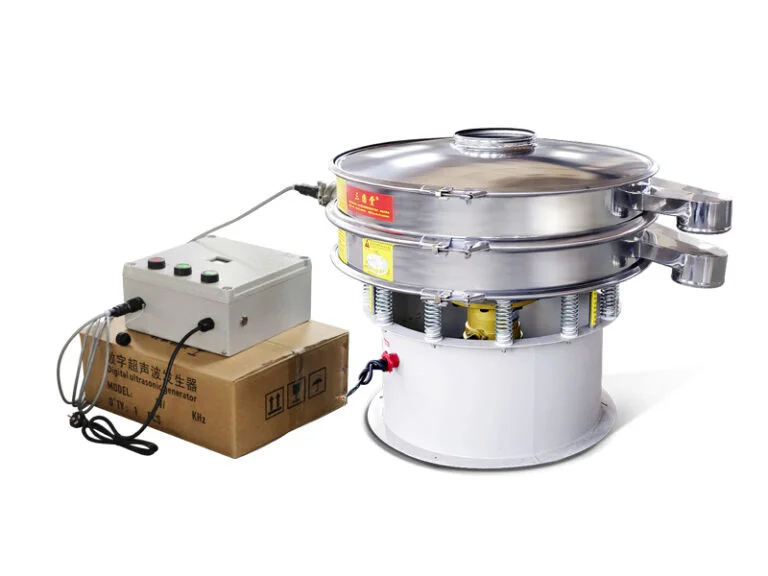
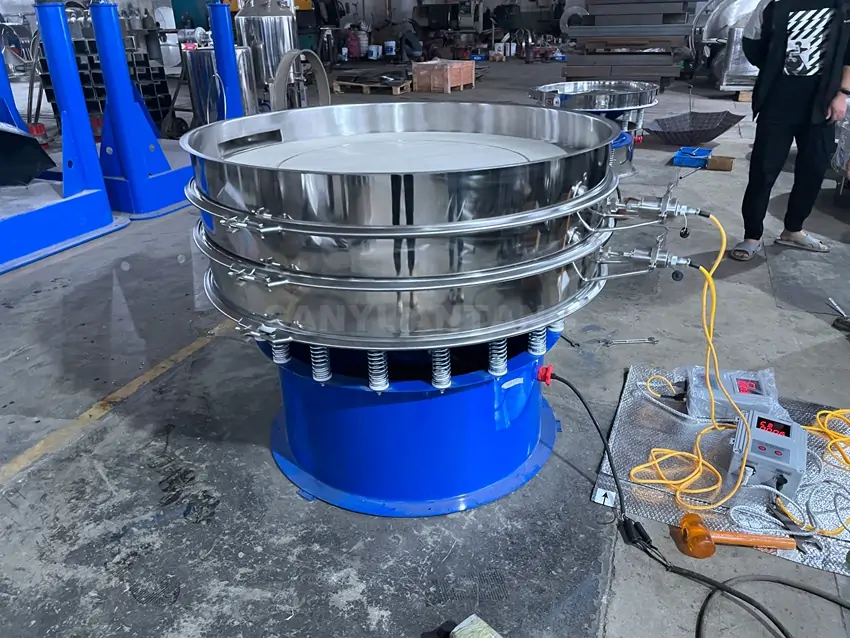
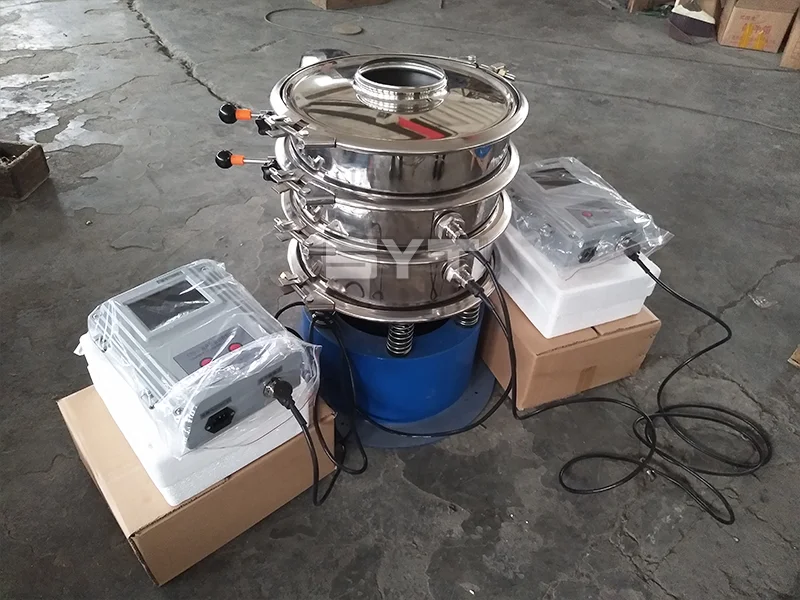
Ultrasonic Vibrating Screen, also known as ultrasonic vibro sifter or ultrasonic sieving machine, is a fine powder screening equipment based on a standard Rotary Vibrating Screen integrated with an ultrasonic screening system. It is designed for materials that are difficult to separate due to adhesion, static electricity, or fine particle size.
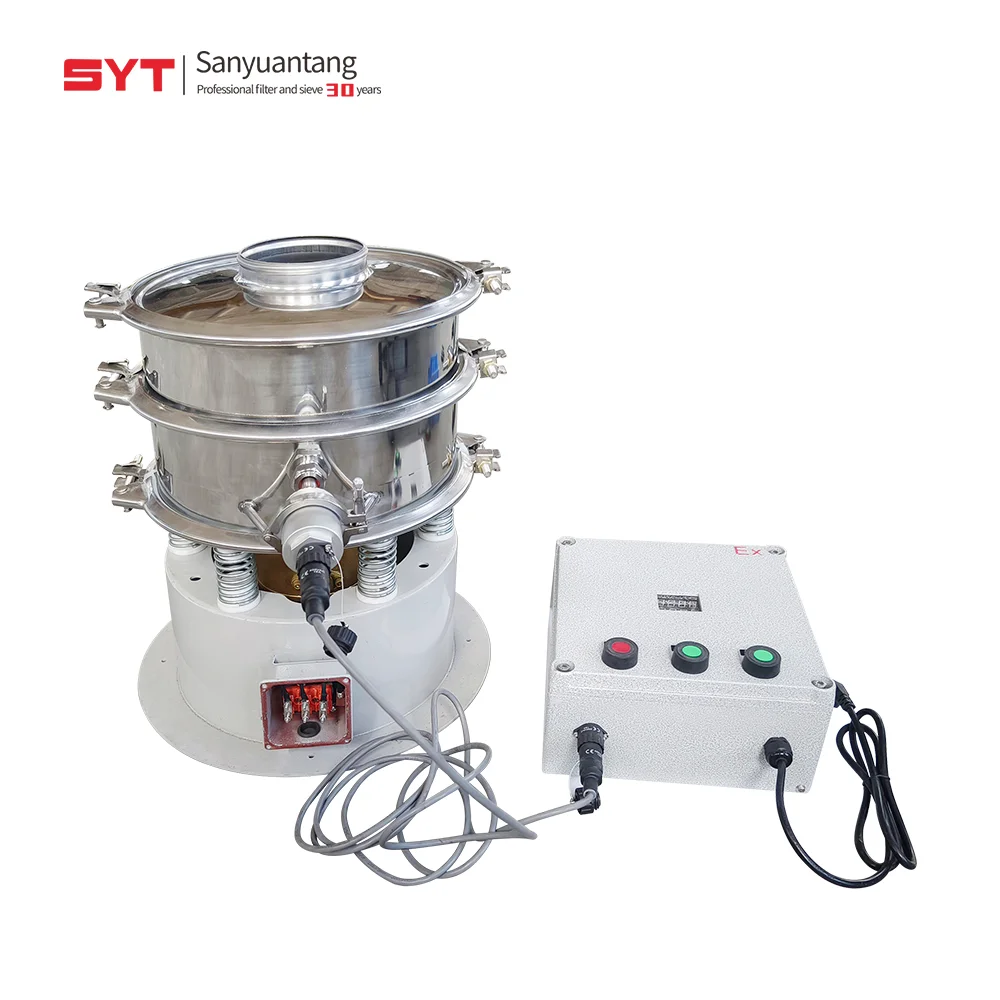
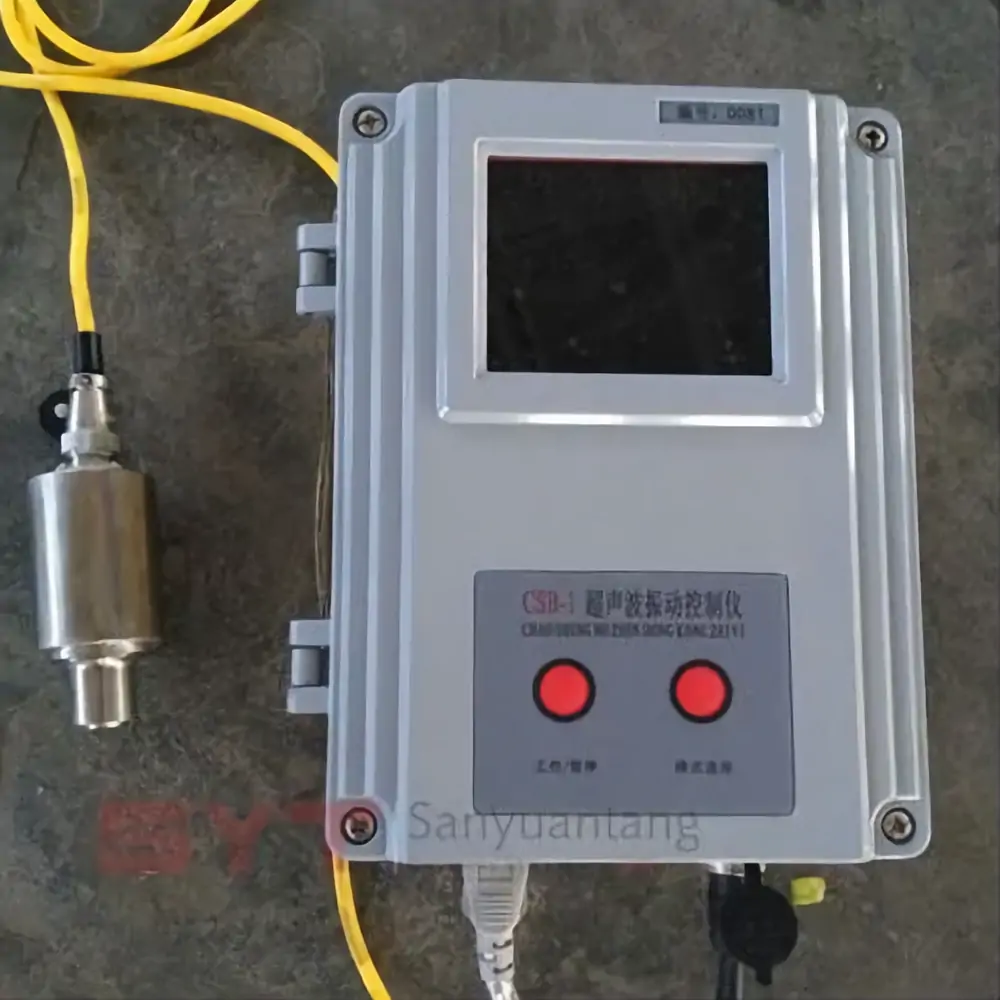
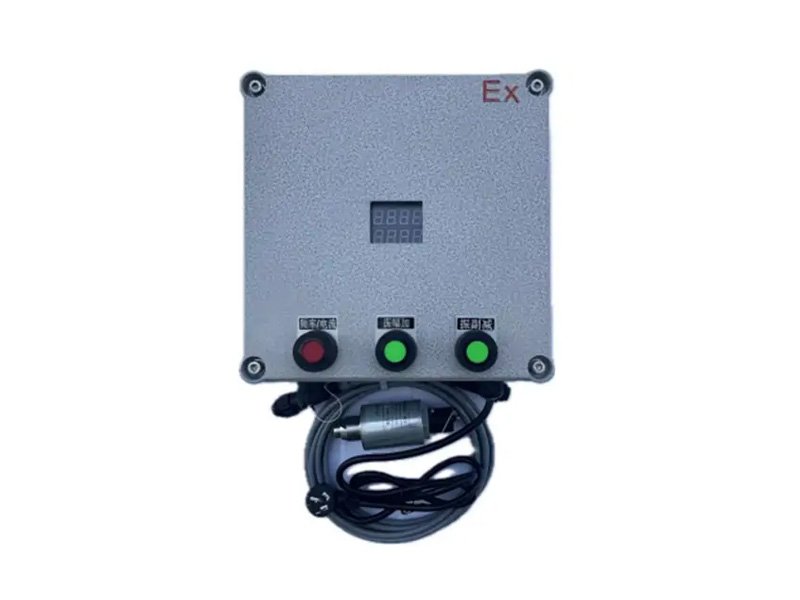
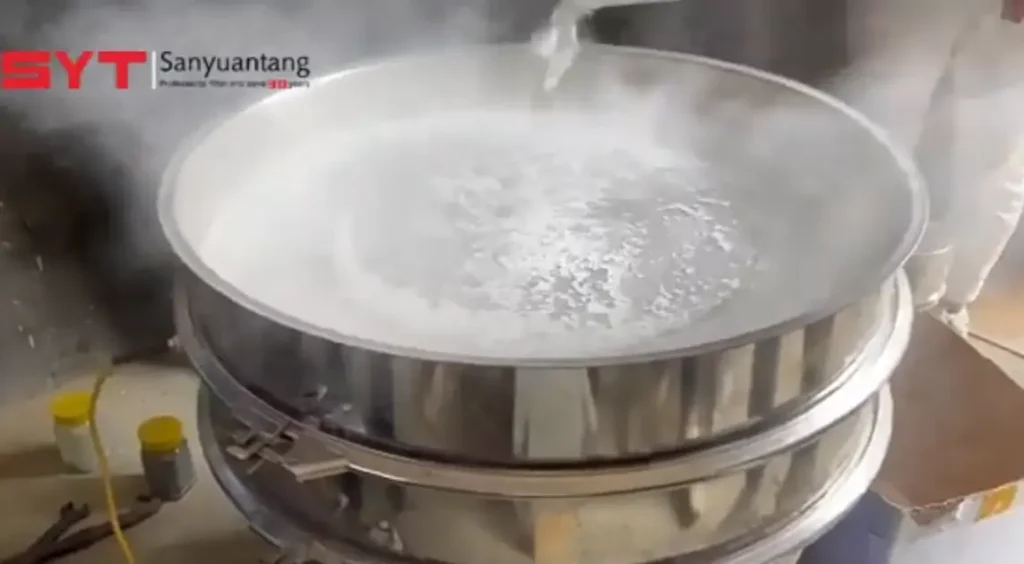
The system uses an ultrasonic generator and transducer to apply high-frequency vibration to the screen mesh. This makes ultra-fine particles stay suspended on the screen surface, reducing blockage factors such as adhesion, friction, and particle wedging. It is commonly used for fine powder screening up to around 600 mesh (≈20 μm), where stable and precise classification is required.


How Does an Ultrasonic Vibrating Screen Work?
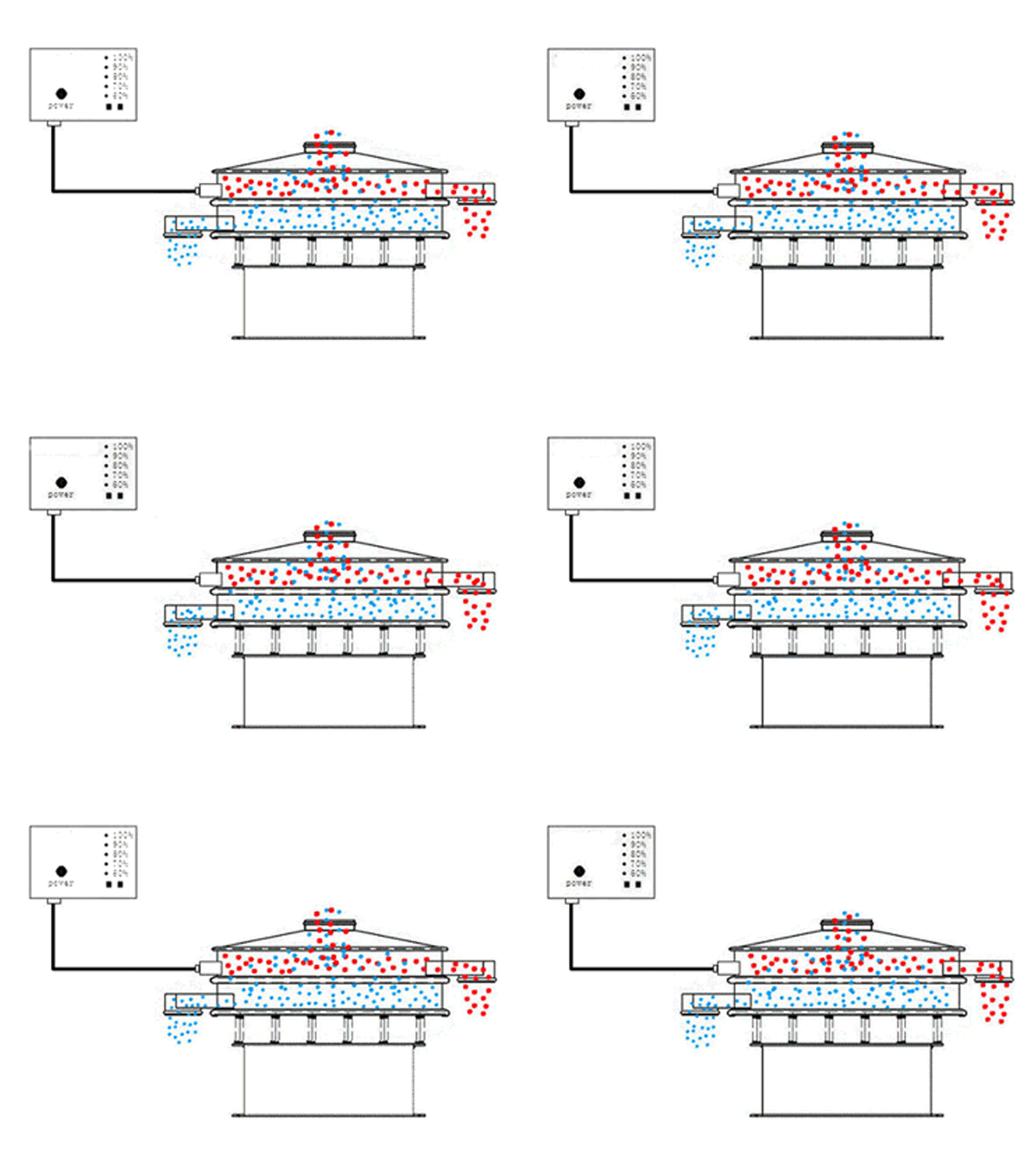
An ultrasonic vibrating screen works by superimposing high-frequency ultrasonic energy onto the screen mesh while the machine performs a normal vibrating motion. The main effect is to reduce particle adhesion and prevent mesh blockage during fine powder screening.
The ultrasonic screening system consists of a vibration motor, ultrasonic generator, transducer, and resonant ring. The vibration motor spreads material across the screen surface, while the ultrasonic system transmits high-frequency micro-vibrations directly to the mesh. This keeps fine particles in a loose state and improves their ability to pass through the openings, especially in high mesh applications such as 500–600 mesh powders.
Why does fine powder cause mesh blinding?
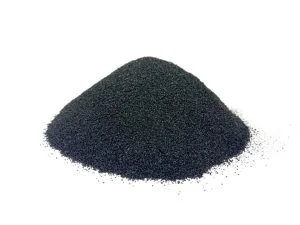
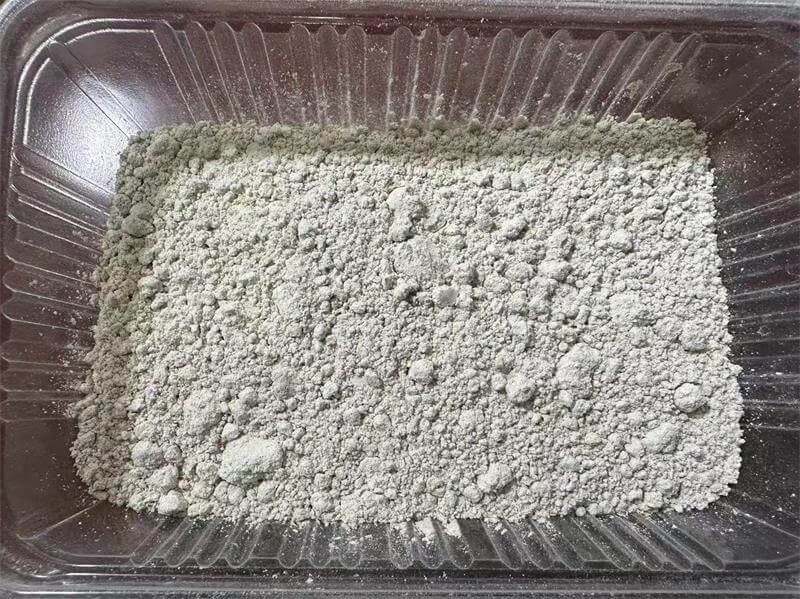
Mesh blinding happens when fine powder blocks the screen openings instead of passing through. This is mainly caused by material properties and particle behavior during screening.
Adhesion and static electricity
Fine powders easily stick to the mesh surface, especially in dry conditions or on materials with high static charge. Once particles start attaching, the effective open area of the screen quickly decreases.
Irregular particle shape
Crushed or milled particles are often not uniform. Some particles can wedge into the mesh openings and get stuck, which interrupts normal material flow and leads to gradual blockage.
Low particle mobility
Very fine or lightweight particles do not have enough momentum to pass through the mesh. Instead, they remain on the screen surface and gradually build up, which reduces screening efficiency.







When to Use Ultrasonic Vibrating Screen
Based on our engineering experience in fine powder screening systems, ultrasonic vibrating screens are usually considered at two points: during initial equipment selection, or when screening performance begins to change during continuous operation.
In real production, this is rarely caused by a single issue. It usually comes from how the material behaves on the mesh and how stable the system remains during long-running operation.
- Fine powder starts to stay on the mesh: During continuous running, very fine or slightly adhesive powders may begin to accumulate on the mesh surface. The open area slowly reduces, and material flow becomes less consistent.
- Flow becomes unstable over time: The screen may run normally at the beginning, but after a period of operation, discharge becomes uneven or throughput gradually drops.
- Static or light adhesion becomes noticeable: In dry working conditions or with fine powders, static charge or surface adhesion can start affecting how easily particles pass through the mesh.
- Cleaning frequency increases in daily operation: When operators find that the screen needs cleaning more often than usual, it is usually a sign that standard vibration is no longer maintaining stable screening conditions.
In these situations, ultrasonic vibration is often introduced either at the design stage or later as an upgrade, depending on when the instability starts to appear in the process.
For materials with stable flow and low adhesion, a standard vibrating screen is still a practical and cost-effective solution. The final decision depends on real operating conditions, not just material classification.
How Ultrasonic Vibrating Screens Prevent Screen Clogging During Fine Powder Screening
By superimposing high-frequency ultrasonic vibrations (typically 20–40 kHz) onto traditional mechanical vibrations, ultrasonic vibrating screens effectively solve the problem of screen clogging during fine powder screening. Their anti-clogging mechanism is achieved primarily through two aspects: physical principles and structural design, as detailed below:
Physical Principles: Breaking Down Interparticle Adhesion and Agglomeration
The core causes of screen clogging during fine powder screening include interparticle electrostatic adhesion, van der Waals forces, agglomeration caused by moisture, as well as adhesion and wedging between particles and the screen mesh. Ultrasonic vibrating screens address these issues through the following physical effects:
- High-Frequency Micro-Vibrations Break Up Agglomerates: Ultrasonic transducers convert electrical energy into mechanical vibrations, causing the screen mesh to vibrate with a small amplitude tens of thousands of times per second (e.g., 38 kHz corresponds to 38,000 times per second). These high-frequency vibrations effectively break up particle agglomerates, disrupting hydrogen bonds and electrostatic forces between the powder particles.
- Suspension Effect Reduces Clogging: High-frequency vibration keeps material particles at the screen apertures in a “suspended” state, preventing fine powders from becoming trapped in the mesh due to static electricity or viscosity, thereby maintaining a screen permeability of over 95%.
- Reduced Friction and Improved Flow: For lightweight or high-density metal powders, ultrasonic vibration improves the flow and sliding behavior of particles on the screen surface, reducing retention and wedging.
Structural Design: Dual Vibration Systems Working in Synergy
Ultrasonic vibrating screens do not rely solely on ultrasonic waves; instead, they combine traditional mechanical vibration with high-frequency ultrasonic vibration to form a composite screening system:
- Mechanical Vibration (Base Layer): A vibrating motor generates three-dimensional motion (horizontal, vertical, and inclined), causing the material to spread evenly and stratify on the screen surface, with fine particles rapidly settling onto the screen mesh.
- Ultrasonic Vibration (Fine Layer): High-frequency vibrations are transmitted to the screen mesh via a generator, transducer, and resonance ring, producing micrometer-level amplitudes that continuously clean the screen apertures.
This combined effect of “macro-motion + micro-vibration” keeps ultra-fine powders on the screen mesh in a constantly active state, effectively suppressing adhesion, friction, and wedging.
Additional Benefits: Reduced Contamination and Maintenance Costs
No auxiliary screen-cleaning devices, such as bouncing balls, are required, thereby preventing secondary contamination of the material caused by rubber wear.
- Extended Screen Life: High-frequency, low-amplitude vibrations reduce severe friction between the material and the screen, minimizing wear.
- Fully Enclosed Design: Eliminates dust dispersion and complies with environmental production requirements.
Conclusion
Ultrasonic vibrating screens are designed to solve one of the most common problems in fine powder screening—mesh blinding caused by adhesion, static electricity, and ultra-fine particle behavior. By combining traditional mechanical vibration with high-frequency ultrasonic energy (20–40 kHz), the system keeps particles in a suspended, free-flowing state on the mesh surface.
This dual-vibration mechanism improves material passing ability, prevents particle clogging in mesh openings, and maintains stable screening efficiency even in high mesh applications (typically up to 500–600 mesh). In real production environments, it significantly reduces downtime, cleaning frequency, and screen wear while improving overall throughput and consistency.
For industries handling cohesive, lightweight, or ultra-fine powders, ultrasonic vibration technology offers a more stable and controllable screening solution compared to conventional vibro sifting systems.
If your production line is struggling with mesh blinding, unstable output, or frequent screen cleaning during fine powder processing, an ultrasonic vibrating screen may be the right upgrade.
Our engineering team at Sanyuantang can help you evaluate your material properties and recommend a tailored screening solution based on your mesh size, capacity requirements, and process conditions.
Contact us today to get a customized screening solution for your fine powder application.
Email: info@sanyuantang.com
Phone: +86-18639095165