Why Are Ultrafine Powders a Screening Challenge?
In the field of industrial screening, ultrafine powders generally refer to micron-level materials with particle sizes ranging from 10 μm to 100 μm (corresponding to approximately 150 mesh to 1250 mesh). At this scale, particles are already approaching the physical limits of screening, making conventional gravity or mechanical vibration methods less effective.
The same cohesion and static problems occur when screening ultrafine pigment powders. For practical capacity and pass-rate context, compare the 40 to 800 mesh screening tests carried out with different fine materials.
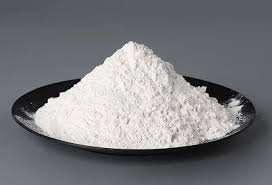

The finer the material, the screening difficulty increases several times over. Typically, when particle size is below 100 μm, the efficiency of traditional vibrating screens declines significantly. The main reasons are as follows:
High surface energy and adsorption:
Fine powders have extremely large surface areas, leading to electrostatic attraction between particles. They tend to form “soft agglomerates” even before entering the screening machine.
Secondary agglomeration:
During the screening process, mechanical friction and compression can cause dispersed particles to recombine, forming larger agglomerates that cannot pass through the mesh.
Mechanical screen blinding:
Particles close to the mesh size (near-size particles) are likely to become lodged in the openings. Increasing vibration amplitude often backfires, compacting particles into the mesh.
What Is Ultrasonic Screening Technology?
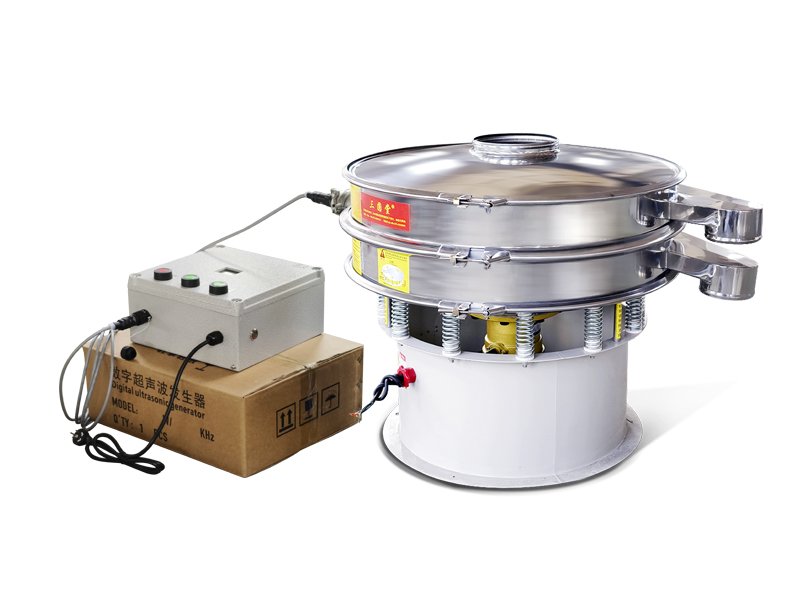
The Ultrasonic Vibrating Screen is based on traditional low-frequency vibration generated by a vibrating motor, combined with an ultrasonic system.
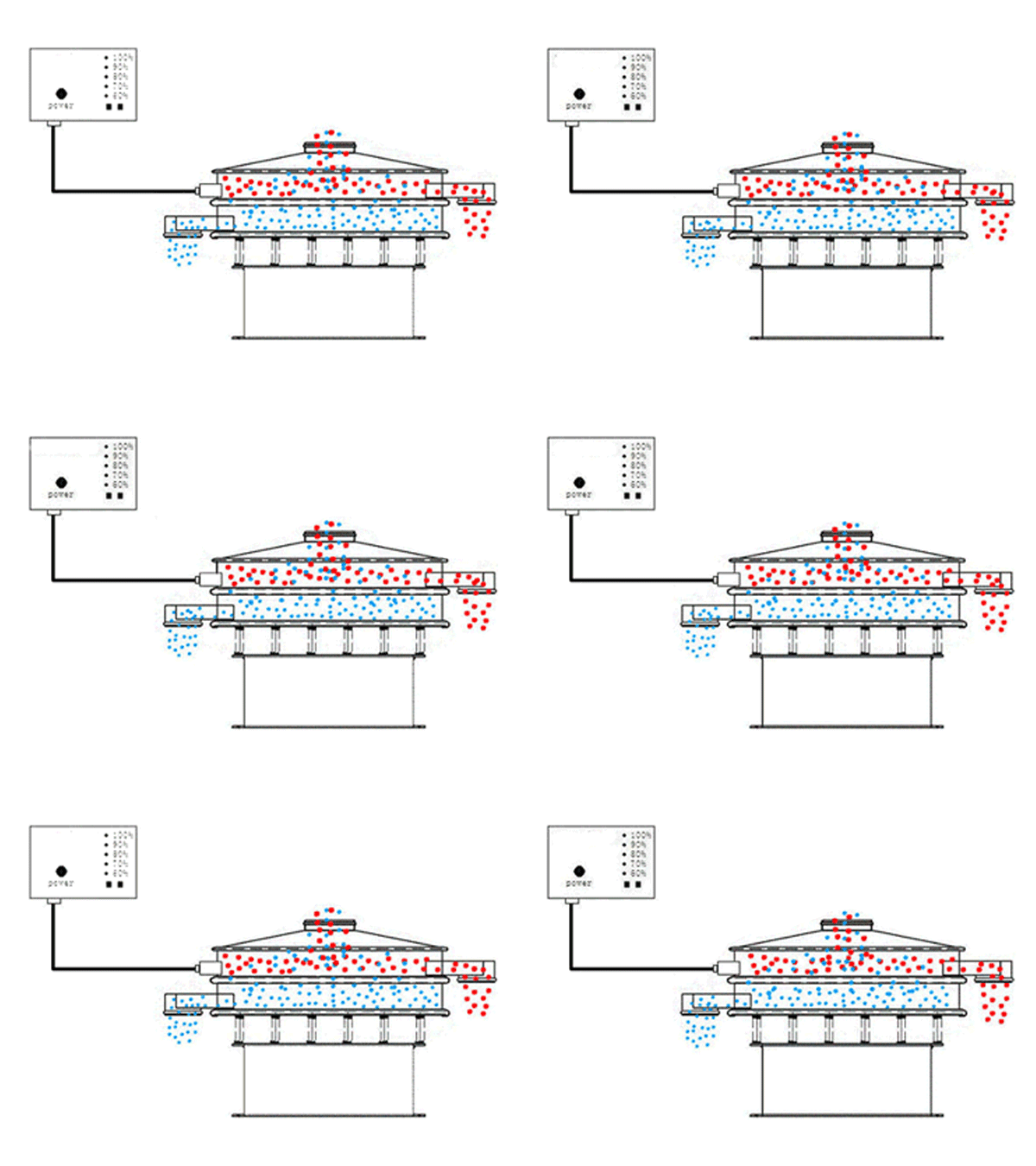
Technical principle:
The system converts electrical energy (220V, 50Hz or 110V, 60Hz) into high-frequency electrical energy (20kHz–50kHz), which is then transformed into mechanical micro-vibrations through a transducer.
Advantages:
This “high-frequency, low-amplitude” vibration acts directly on the screen mesh. It instantly breaks the surface adhesion of powders, disperses agglomerates, and keeps the mesh in continuous high-frequency motion, fundamentally preventing material adhesion.
Technical characteristics:
These micro vibrations not only protect materials from property changes caused by strong impacts but also significantly reduce the mechanical fatigue of the mesh, extending its service life.
Sanyuantang Ultrasonic Vibrating Screen
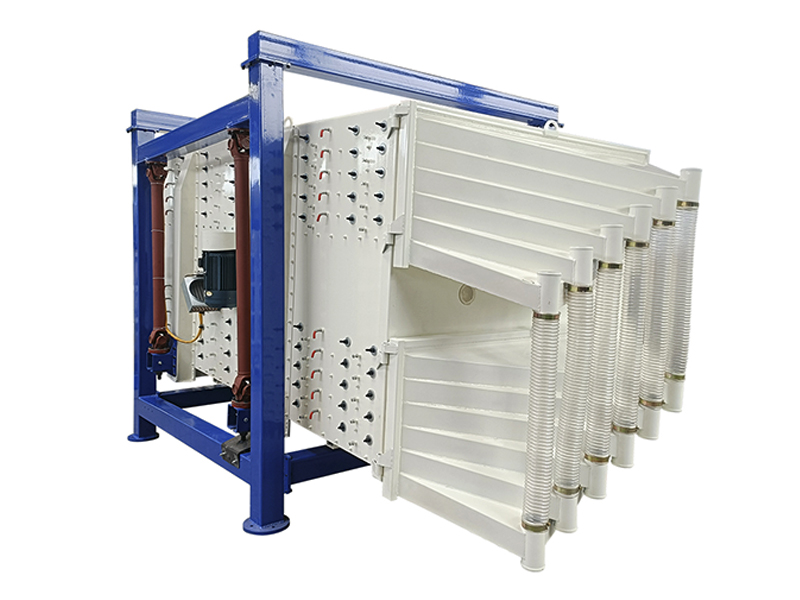
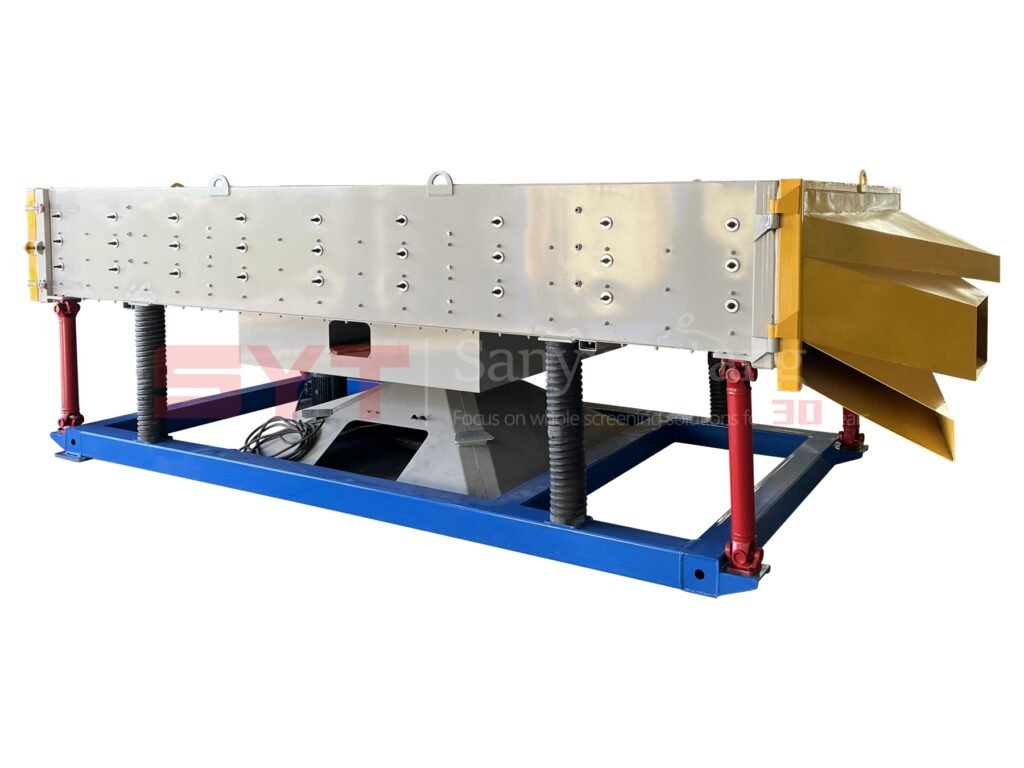
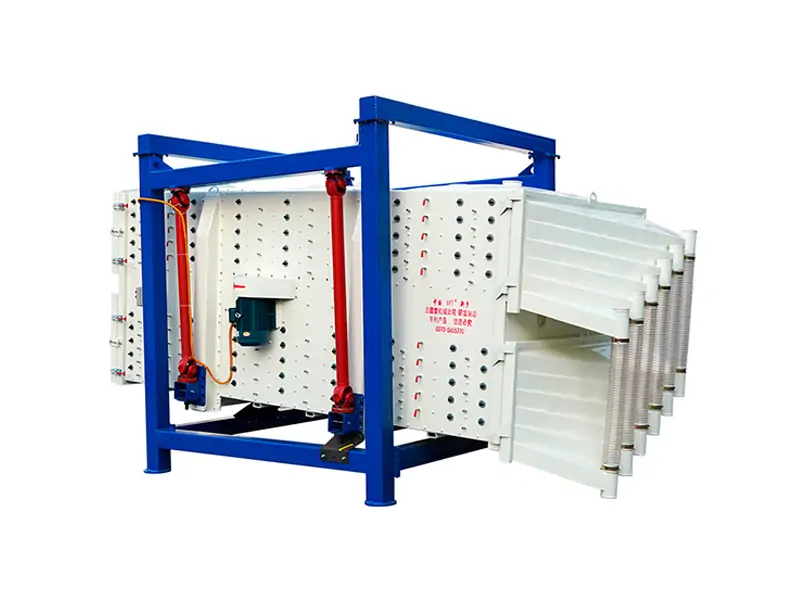
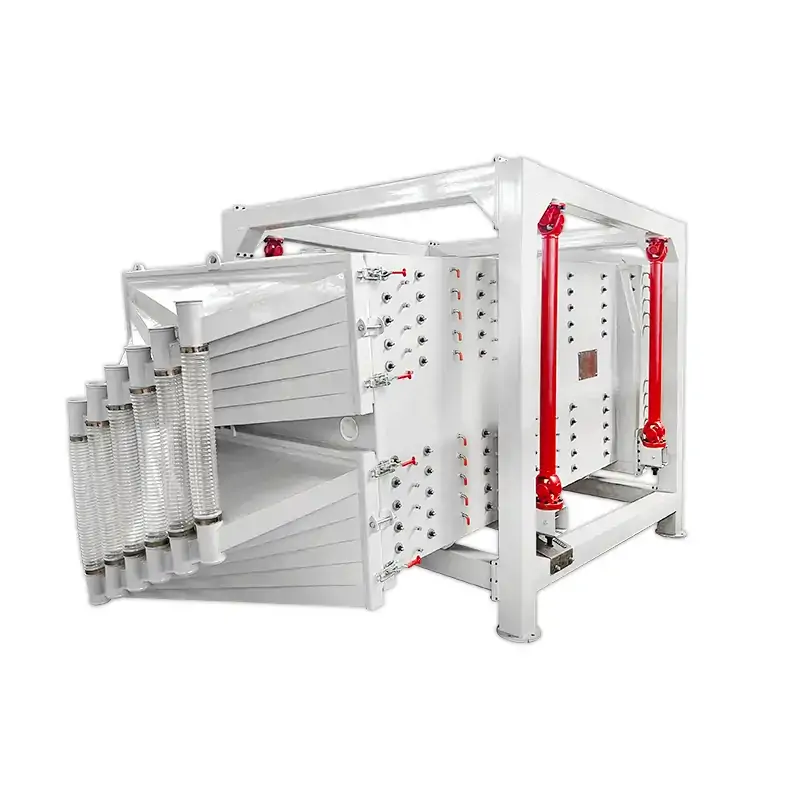
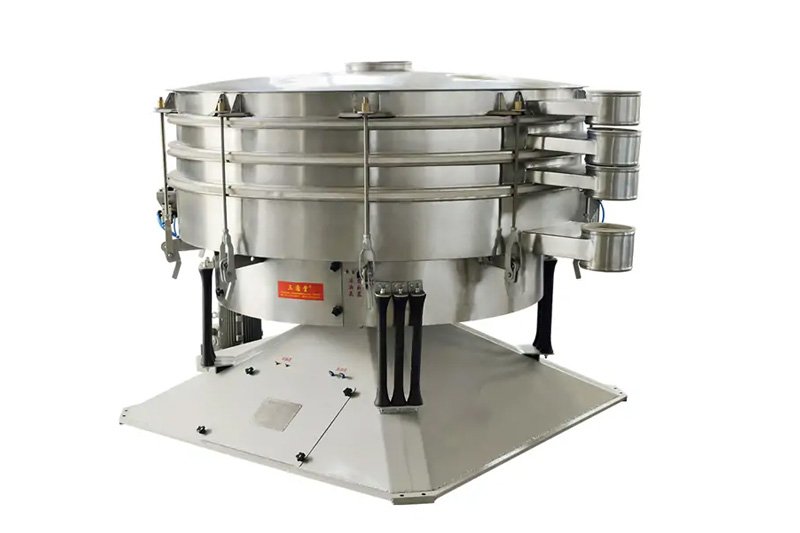
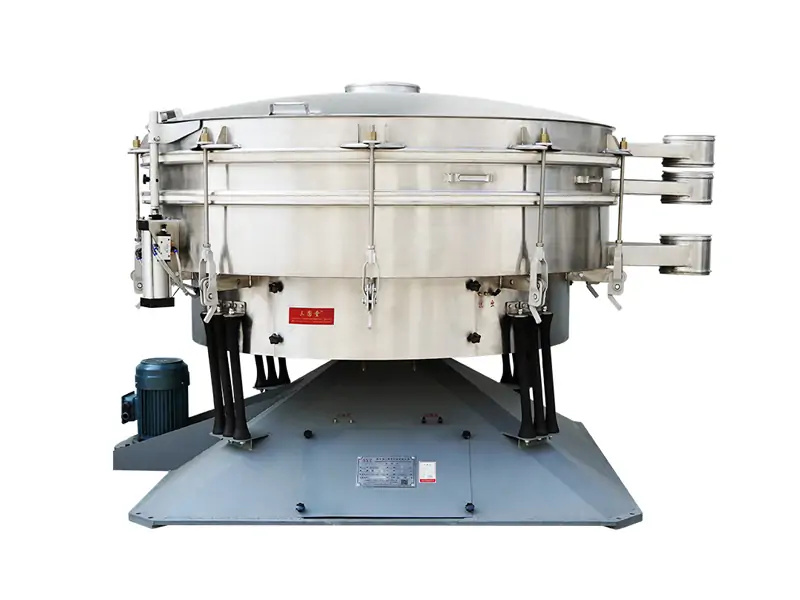
The Sanyuantang Ultrasonic Vibrating Screen is a precision screening machine specially designed for ultrafine powders. Based on the traditional vibrating screen, it integrates an advanced ultrasonic mesh cleaning system. Through high-frequency, low-amplitude vibration at 20kHz–50kHz, materials remain in a suspended state on the screen surface.
This equipment fundamentally solves screen blinding problems caused by strong adsorption, easy agglomeration, high static electricity, and low-density materials. The screening accuracy can reach as fine as 20 μm (635 mesh).
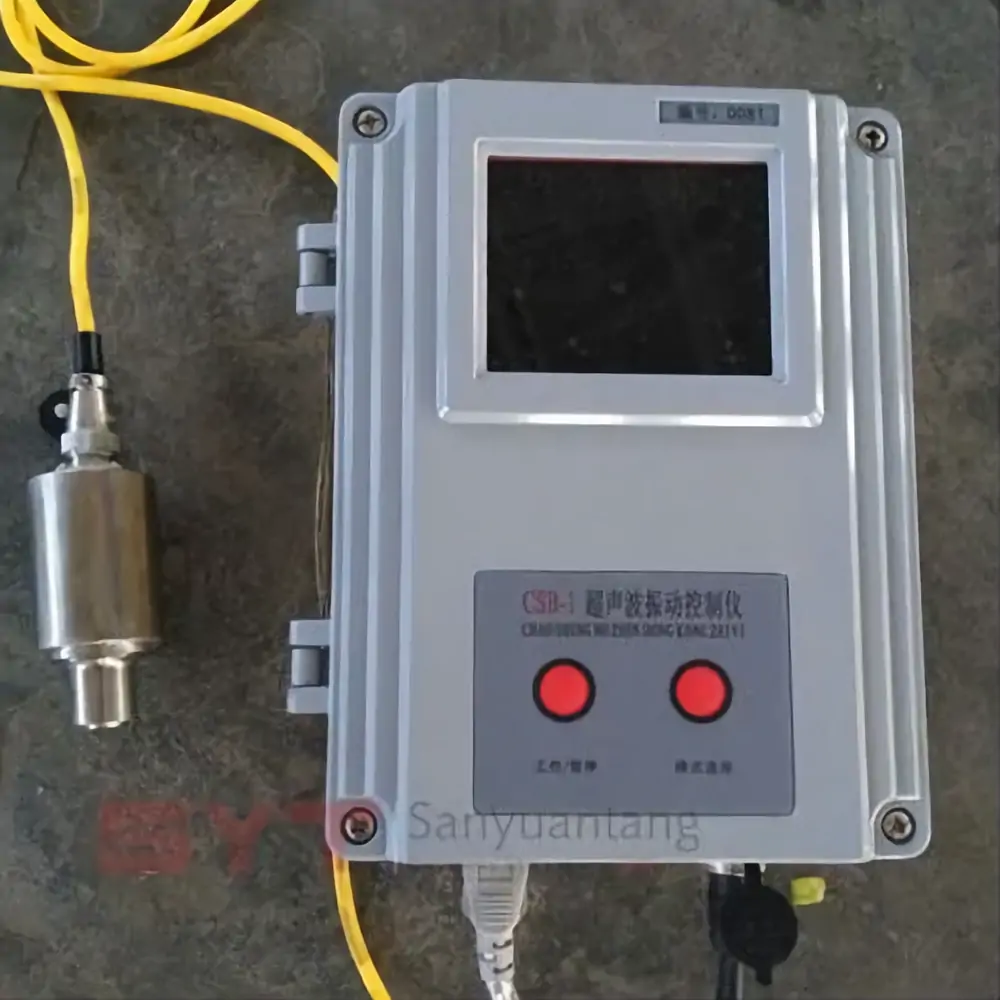
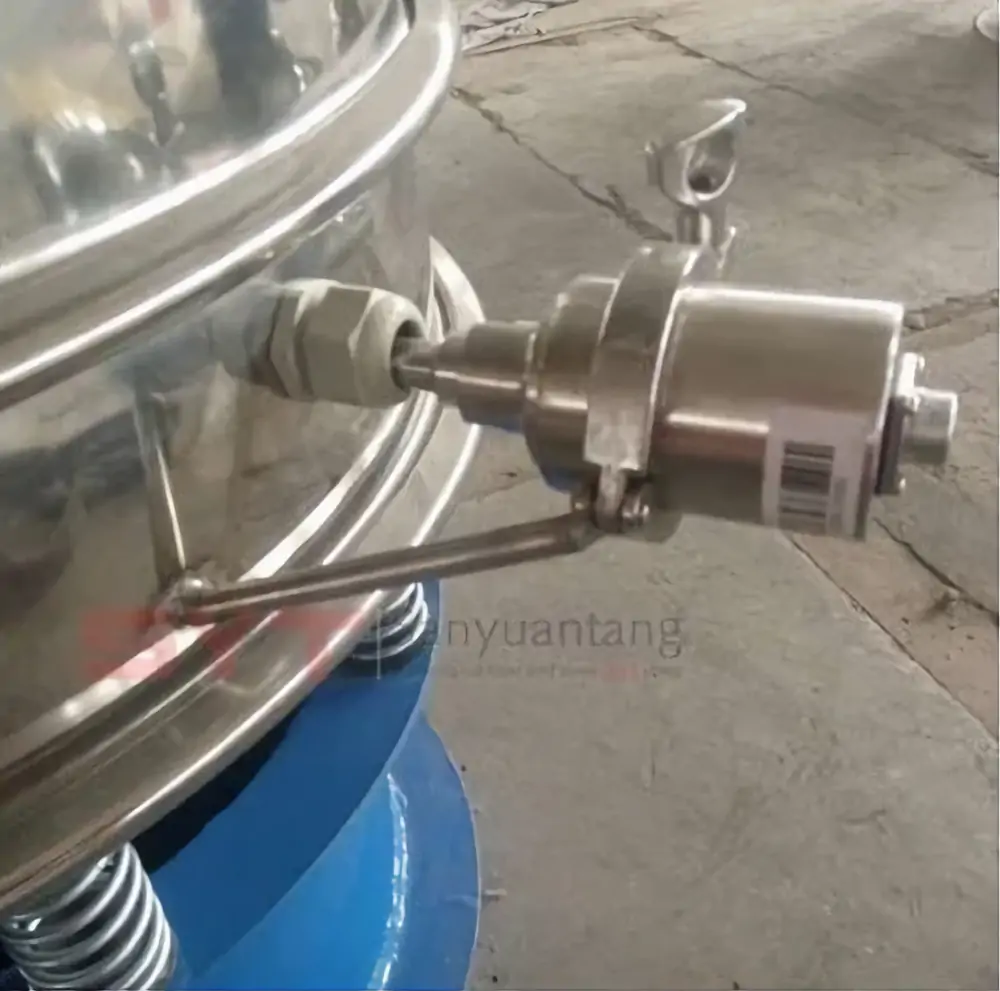
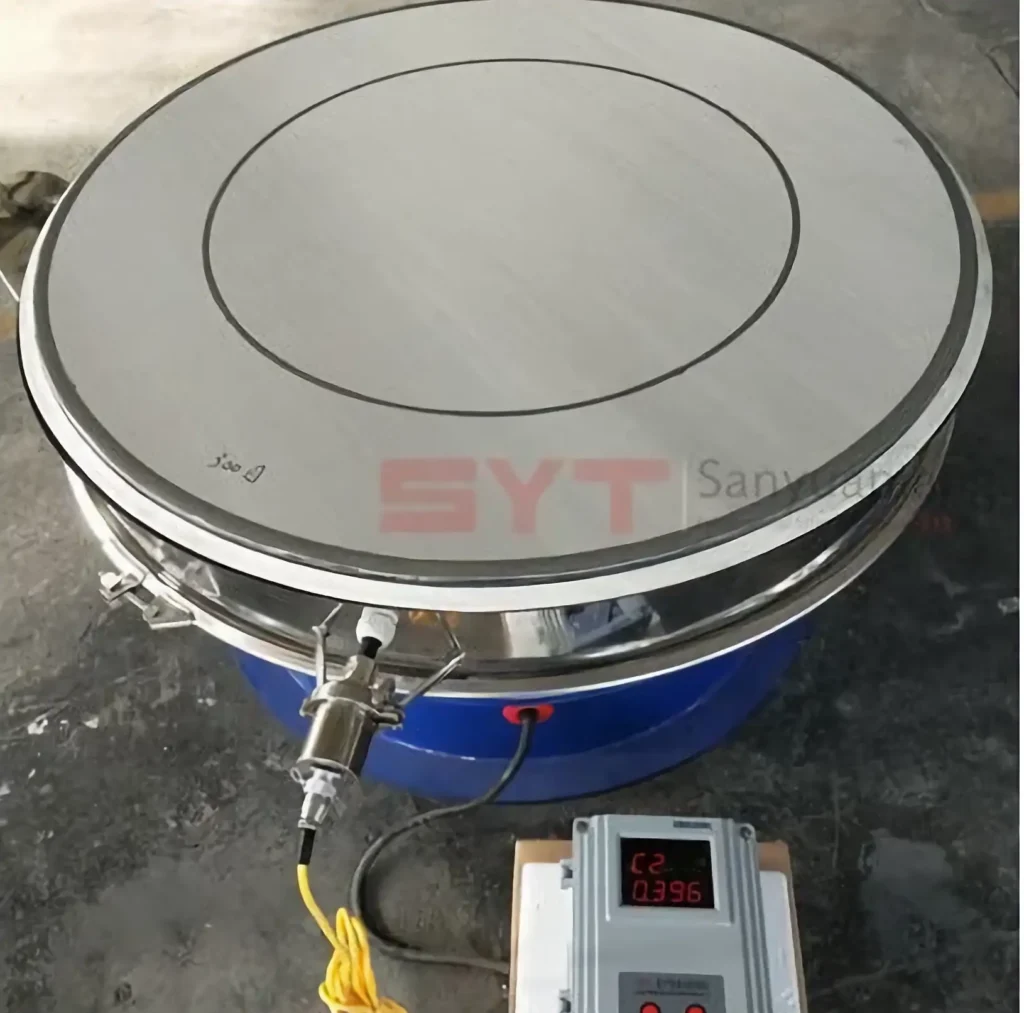
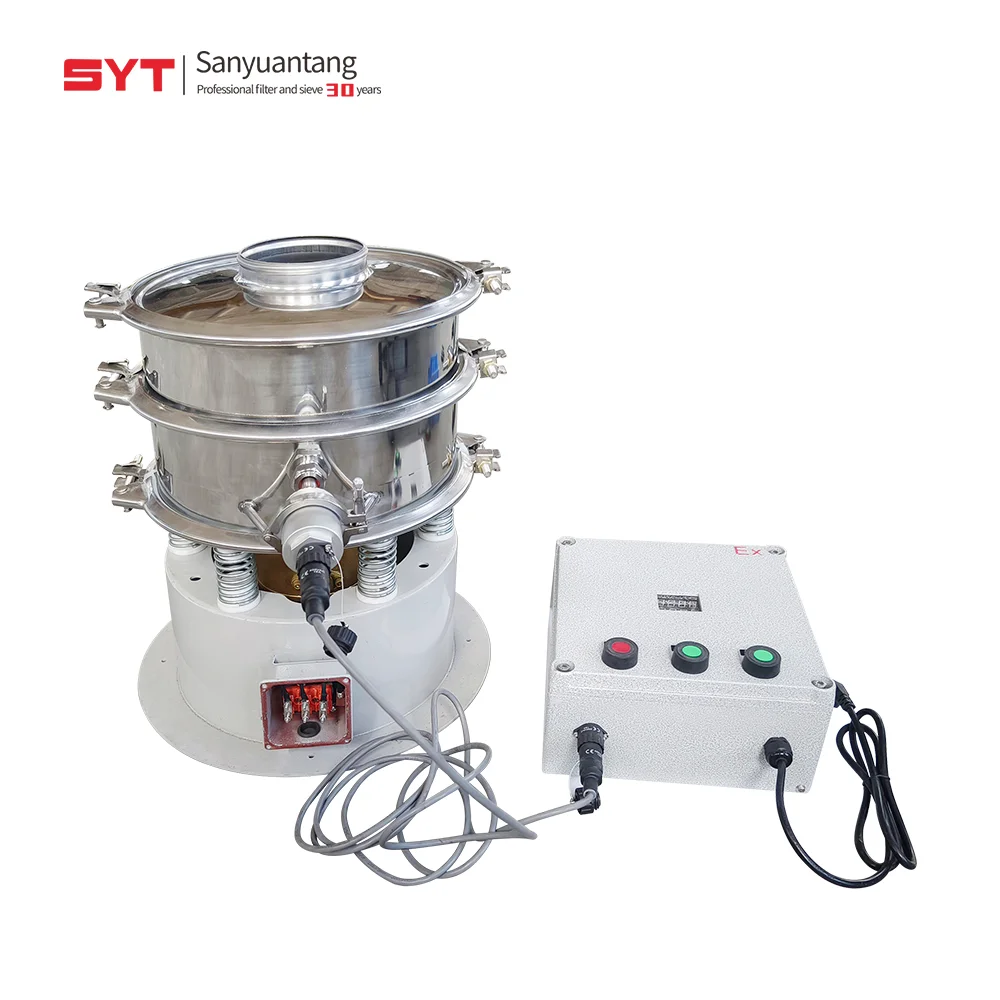
Compared with conventional screening machines, its efficiency can be increased by 5–10 times, with a throughput rate exceeding 95%. It is widely used in 3D printing metal powders, fine chemicals, pharmaceuticals, and the food industry.
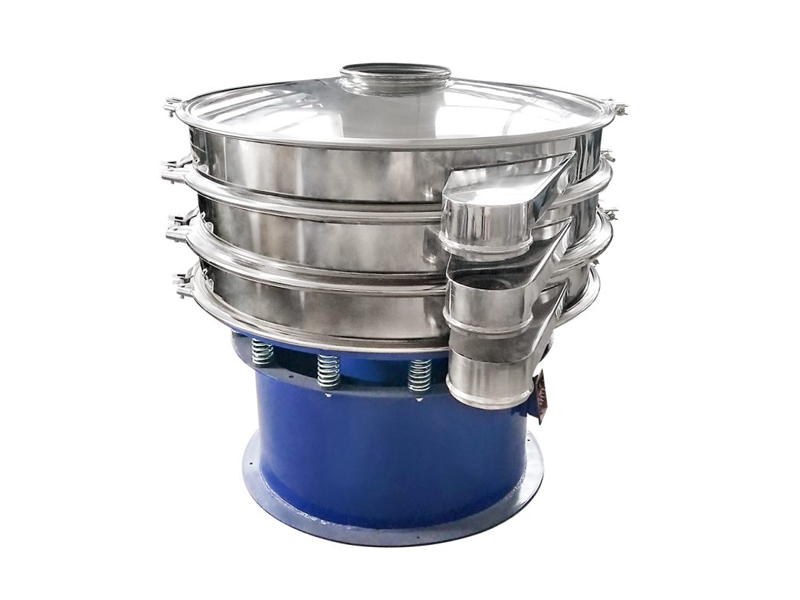
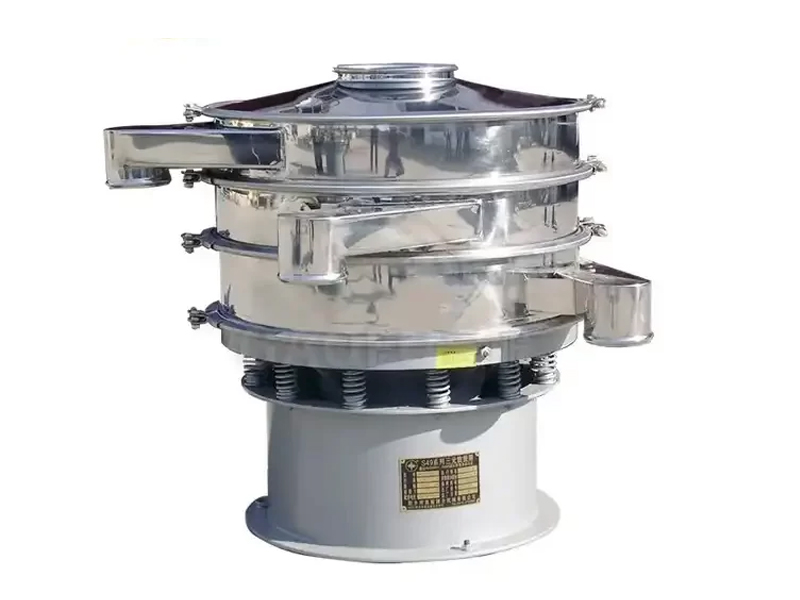
It supports full stainless steel construction and multi-layer customization, helping you achieve both capacity and precision breakthroughs.
Key Parameters (For Reference)
- Screening range: 10–635 mesh (accuracy up to 20 μm)
- Capacity: 50–3500 kg/h
- Core advantages: Automatic mesh cleaning, significantly improved throughput rate, extended mesh life
- Applicable materials: Titanium powder, silicon carbide, alloy powders, pharmaceutical powders, phosphor powders, etc.
- Customization: Supported
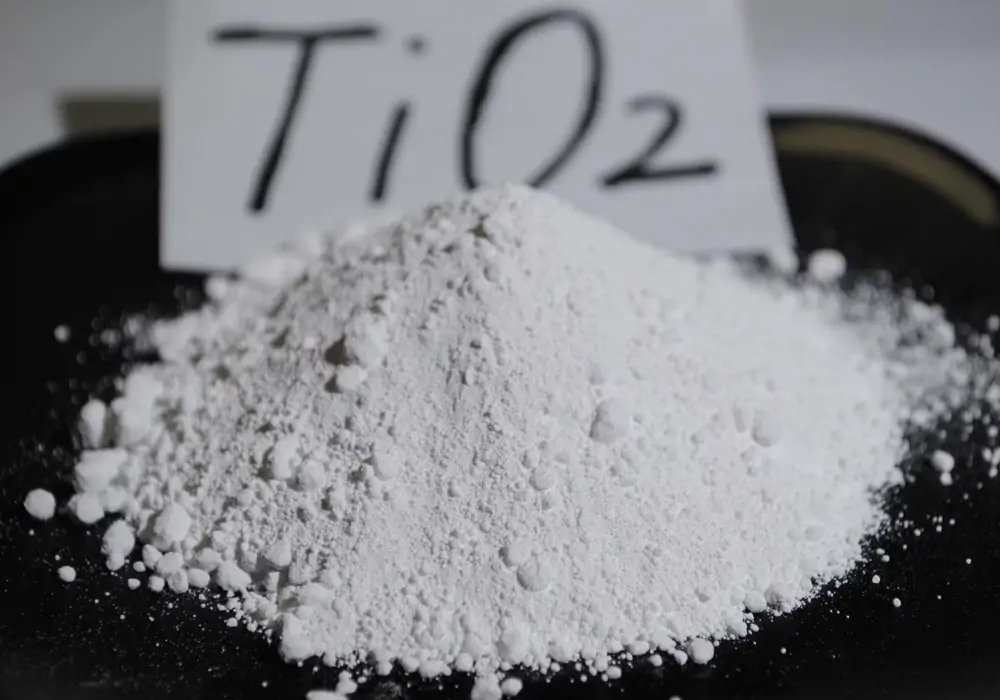
Case Study: Titanium Dioxide Screening Efficiency Increased by 35%
A chemical company faced a serious production bottleneck when processing fine titanium dioxide powder:
- Original solution:
Conventional vibrating screen with ~70% efficiency, requiring manual cleaning every 2 hours. - Our solution:
Adding an ultrasonic system to the existing equipment. - Results:
Screening efficiency improved, with throughput exceeding 95%. - Capacity increase:
Overall production capacity increased by 35%. - Maintenance cost:
Mesh service life is extended by 3–5 times, and manual cleaning frequency is reduced by 90%.
Selection Guide: When Is an Ultrasonic System Necessary?
Based on Sanyuantang’s 30 years of manufacturing experience, we recommend prioritizing ultrasonic technology in the following scenarios:
| Dimension | Recommended Standard | Typical Materials |
|---|---|---|
| Particle size | ≤100 μm recommended; ≤50 μm (above 300 mesh) required | Silicon carbide, alloy powders, pharmaceutical powders |
| Material properties | Strong static electricity, high viscosity, high adsorption, or very low bulk density | Phosphor powders, graphite, electromagnetic materials |
| Moisture content | Moisture >3% with film-forming tendency | Wet-processed chemical materials |
If you are unsure whether your product requires an ultrasonic system or whether your existing equipment can be upgraded, you can contact us now. Our professional team will provide you with the latest solutions.
Conclusion
In the production of advanced chemical materials, the precision of the screening process directly determines product yield. By solving the problem of “microscopic screen blinding,” ultrasonic vibrating screens enable a transition from rough screening to precision filtration.
If you are struggling with ultrafine powder capacity and quality, consider upgrading to ultrasonic technology. If you are unsure how to proceed, contact the Sanyuantang professional team for assistance.
Email: info@sanyuantang.com
Phone: +86-18639095165
FAQs
Q1. What is an ultrasonic vibrating screen and how does it work?
A: An ultrasonic vibrating screen is a screening machine that combines traditional low-frequency vibration with a high-frequency ultrasonic system (20kHz–50kHz). The ultrasonic energy is converted into micro-vibrations acting directly on the mesh, effectively dispersing agglomerated particles and preventing clogging, allowing ultrafine powders to pass through the screen more efficiently.
Q2. How does ultrasonic technology prevent screen blinding?Q2. How does ultrasonic technology prevent screen blinding?
A: Ultrasonic vibration continuously generates high-frequency, low-amplitude waves on the mesh surface, which break particle adhesion and eliminate static attraction. This prevents near-size particles from blocking mesh openings and keeps the screen in a clean, active state, significantly reducing manual cleaning frequency and improving screening continuity.
Q3. What particle size requires an ultrasonic vibrating screen?
A: Based on industry experience, ultrasonic systems are recommended when particle size is below 100 μm. When materials are finer than 50 μm (above 300 mesh), ultrasonic screening becomes essential to maintain efficiency and accuracy, especially for powders with strong adsorption, static electricity, or low bulk density.
Q4. What types of materials are suitable for ultrasonic vibrating screens?
A: Ultrasonic vibrating screens are ideal for ultrafine and difficult-to-screen materials such as titanium powder, silicon carbide, alloy powders, pharmaceutical powders, and phosphor powders. They are especially effective for materials with high static electricity, strong adhesion, or those prone to agglomeration during screening.
Q5. Can an existing vibrating screen be upgraded with an ultrasonic system?
A: Yes, existing vibrating screens can be upgraded by adding an ultrasonic system. As shown in practical applications, upgrading can increase screening efficiency from around 70% to over 95%, reduce manual cleaning by up to 90%, and extend mesh service life by 3–5 times without replacing the entire machine.
Q6. How much can ultrasonic vibrating screens improve screening efficiency?
A: Compared to conventional vibrating screens, ultrasonic vibrating screens can improve screening efficiency by 5–10 times, with throughput rates exceeding 95%. In real production cases, overall capacity can increase by around 35%, while significantly reducing downtime and maintenance costs.