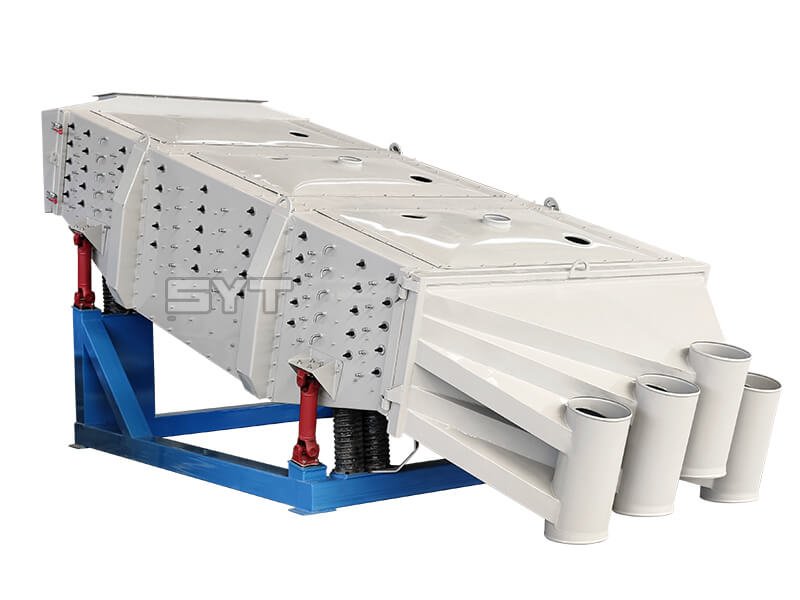
Introduction: Why Gyratory Screening Matters in Heavy Industry
In mineral processing, metallurgy, construction materials, and bulk solids handling industries, efficient particle classification directly determines production stability and product quality.
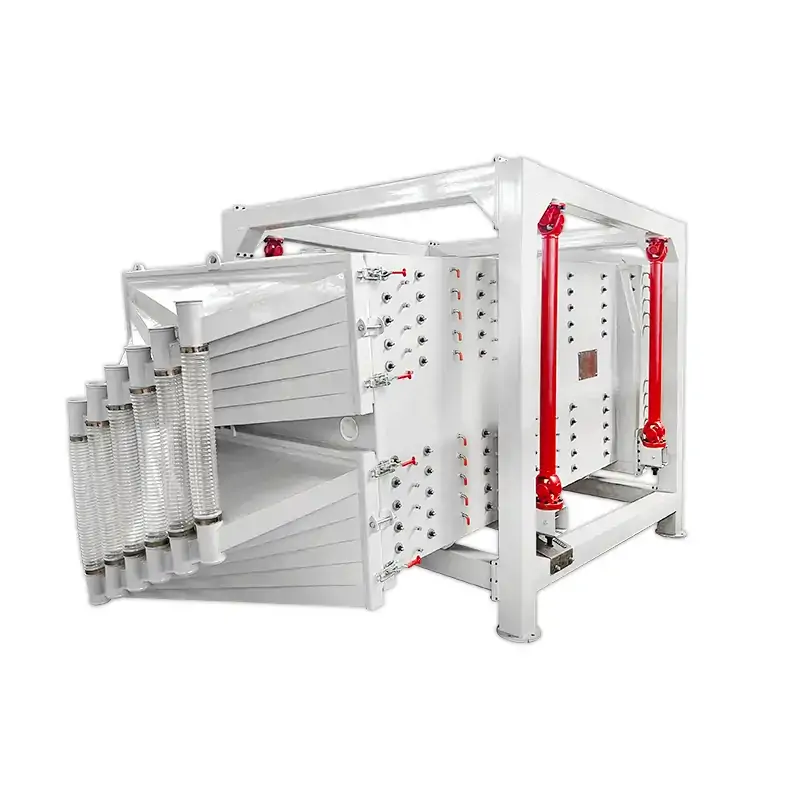
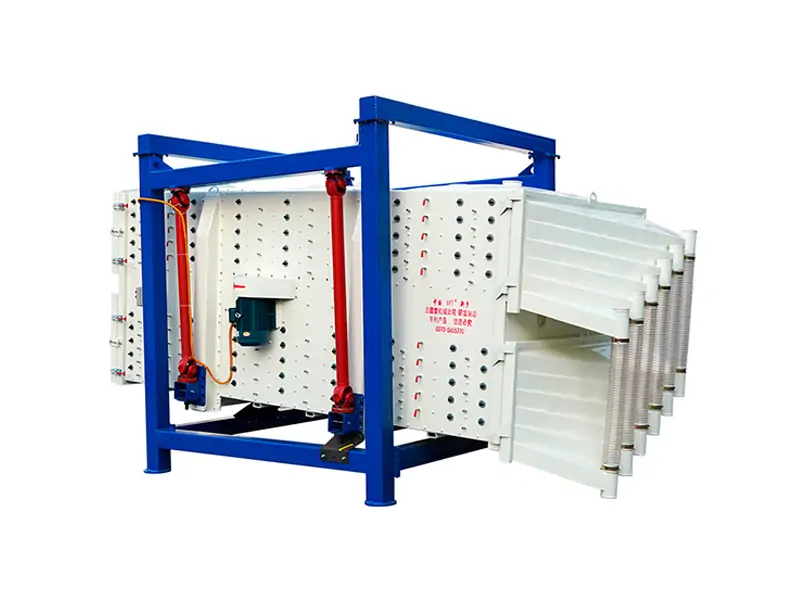
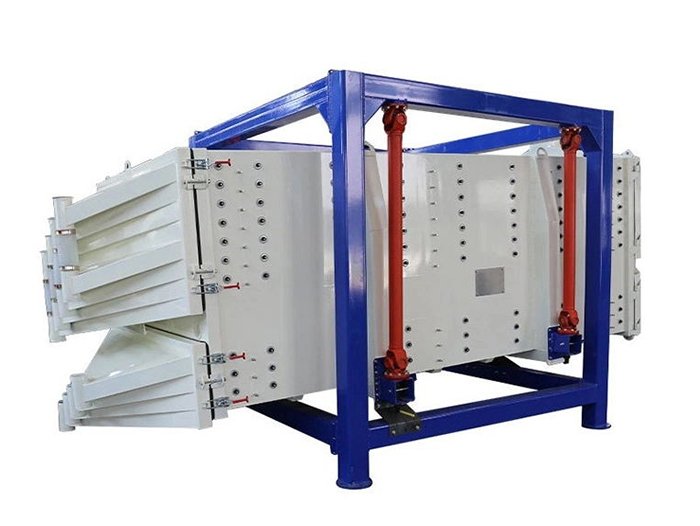
Among modern industrial screening technologies, the Gyratory Screen (also known as the Square Swing Screen or Tumbler Screening Machine) has become a preferred solution for handling heavy, abrasive, and irregularly shaped materials.
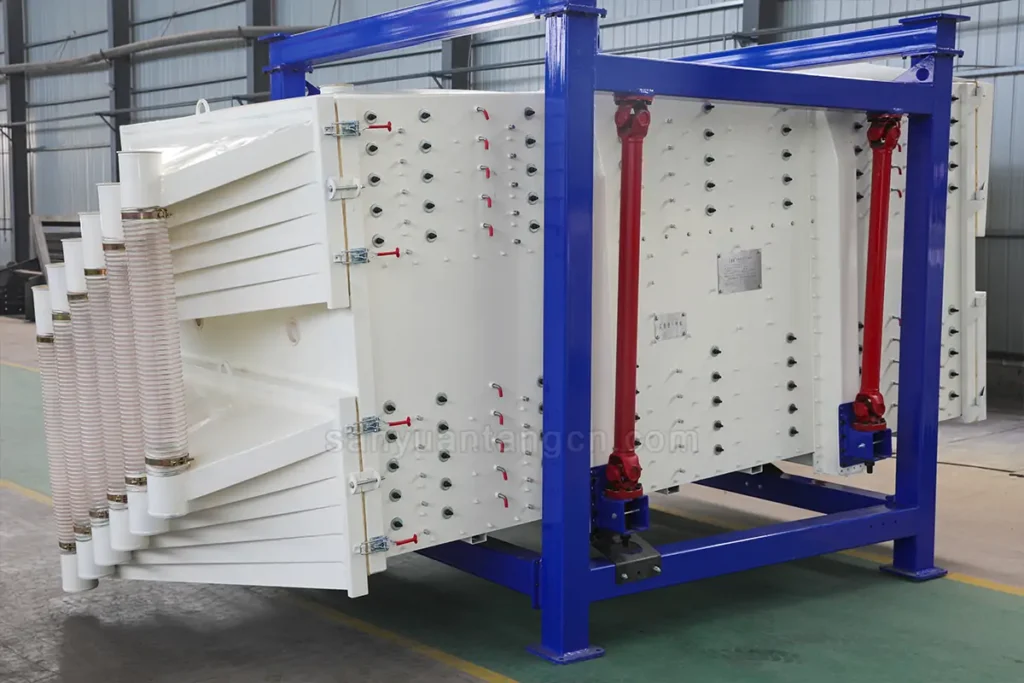
Unlike high-frequency vibrating screens, gyratory screening systems operate on a low-speed, large-amplitude, three-dimensional gyratory motion, enabling superior stratification and longer residence time for difficult-to-screen materials such as:
- Crushed stone and aggregates
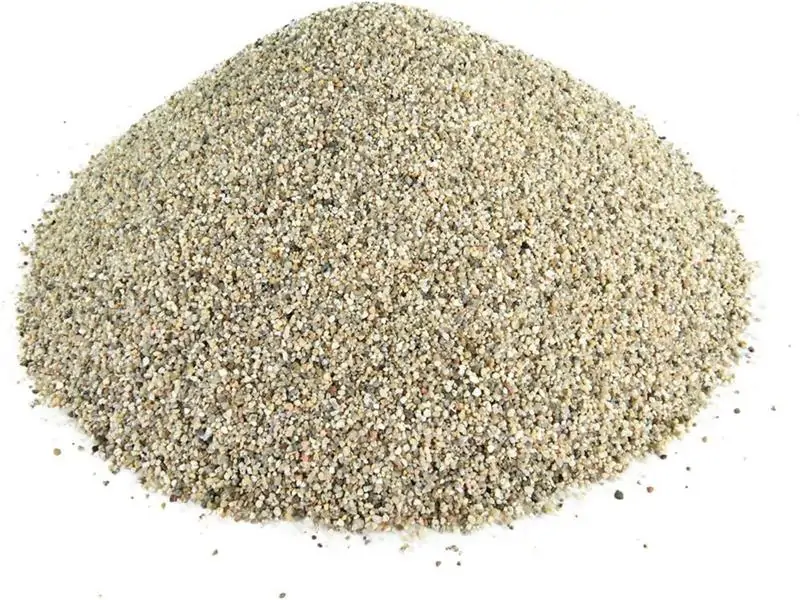
- Foundry sand and resin-coated sand
- Refractory raw materials
- Mineral ores and concentrates
- Fertilizer granules and industrial powders
The result is higher throughput stability, reduced mesh blinding, and improved screening precision under harsh working conditions.
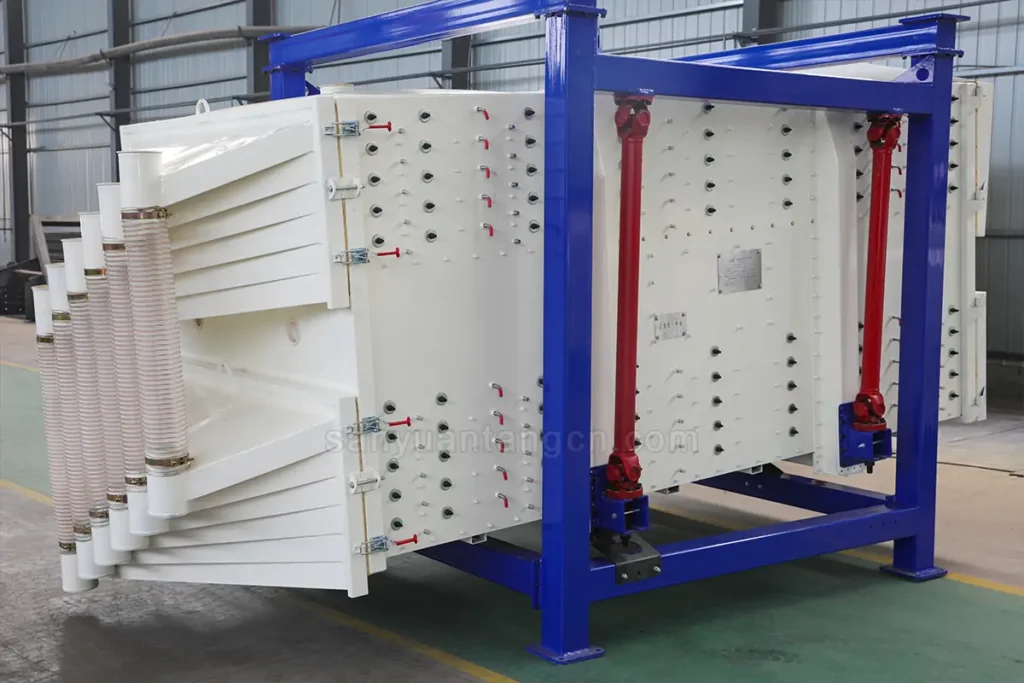
 universal shaft
- Ceramic Sand
 Perlite
 Metal Silicon Powder
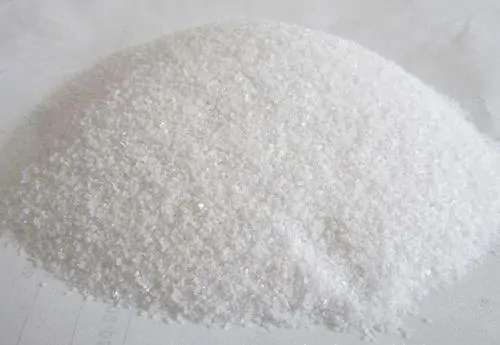
 Industry Salt
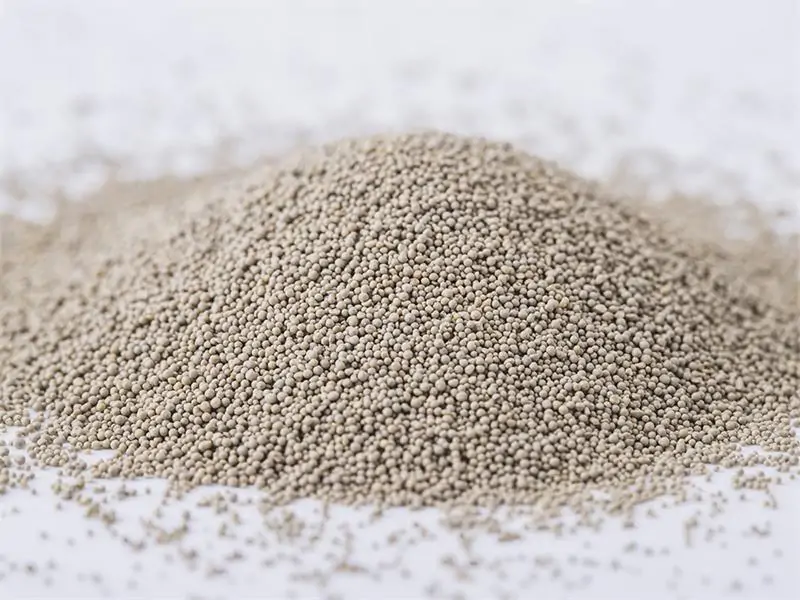
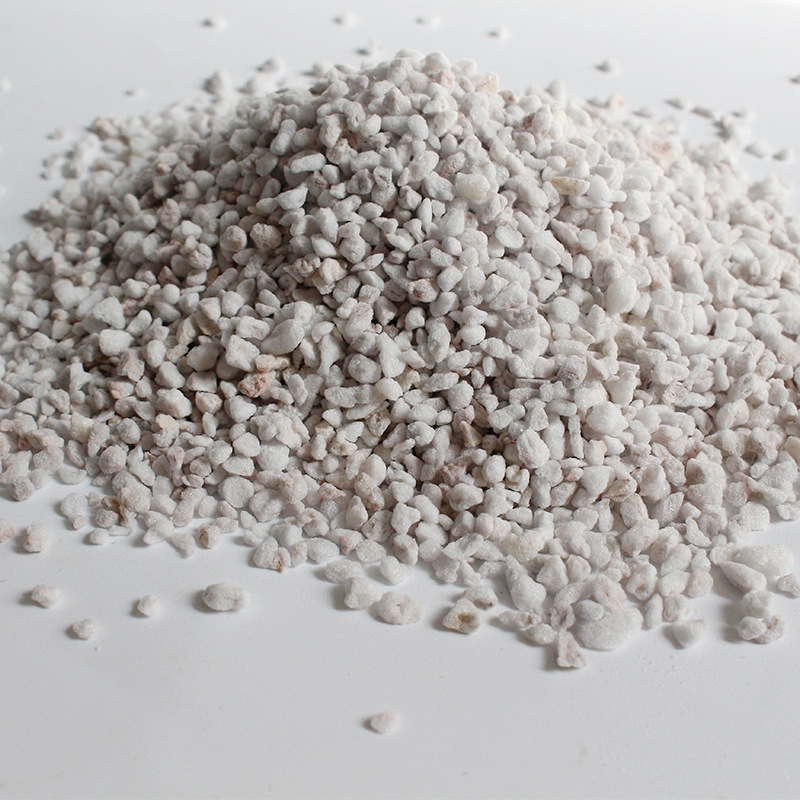
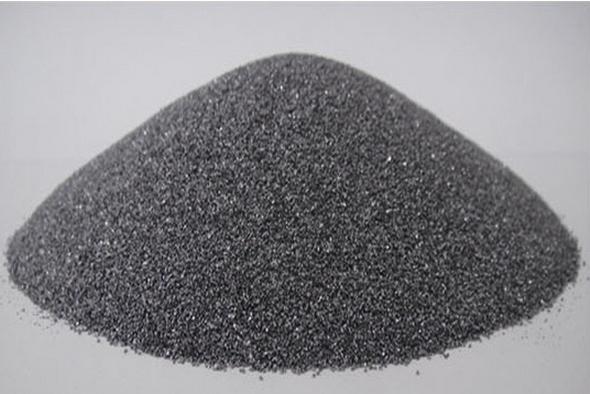
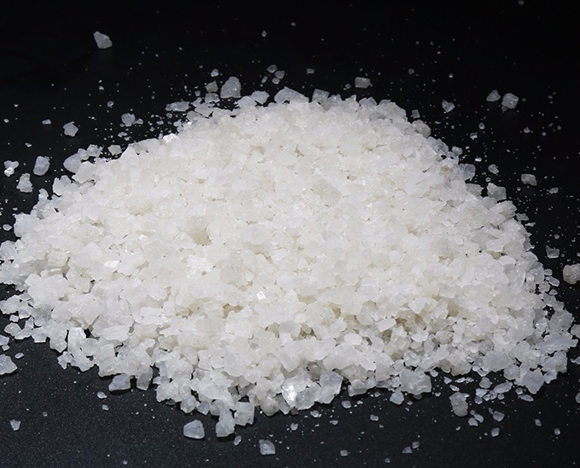
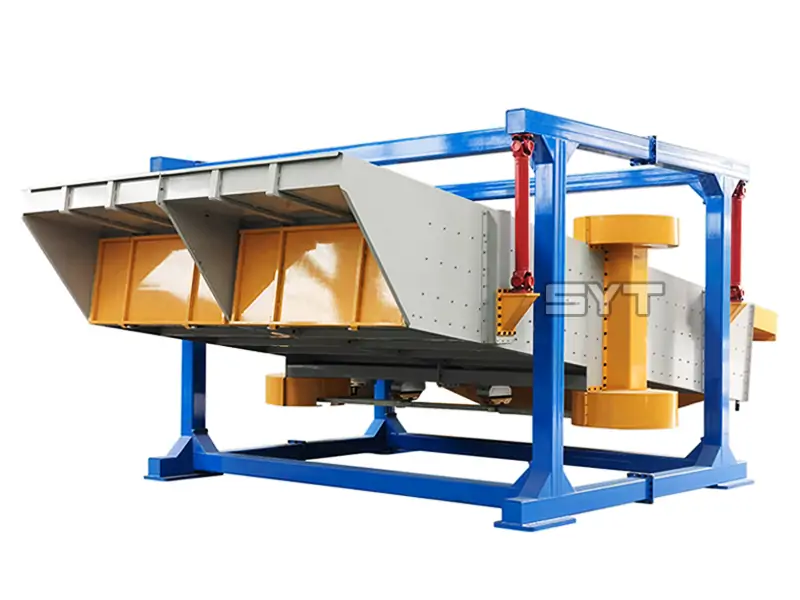
Below is the core system of the Square Swing Screen, independently developed by Sanyuantang, to help you quickly understand this product.
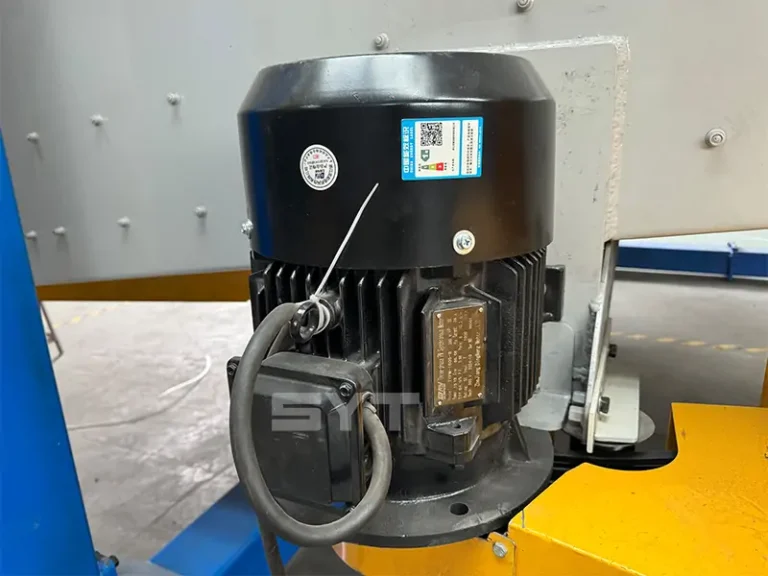
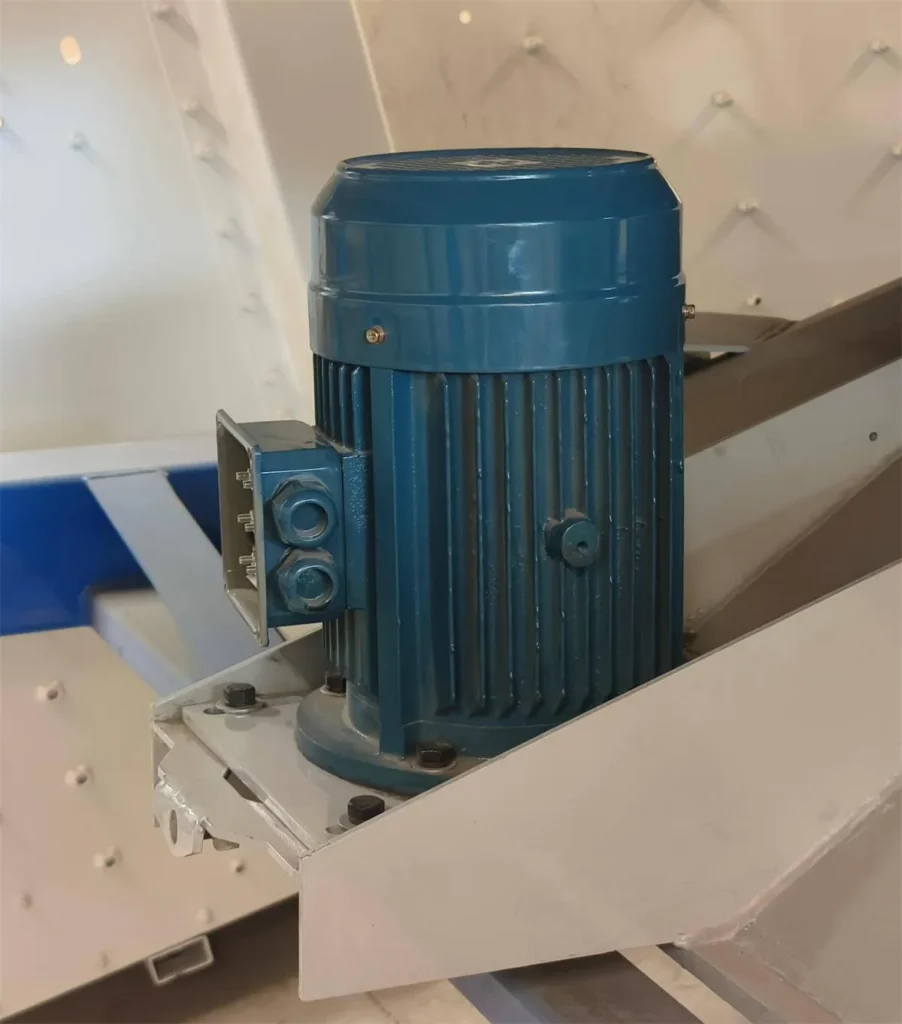
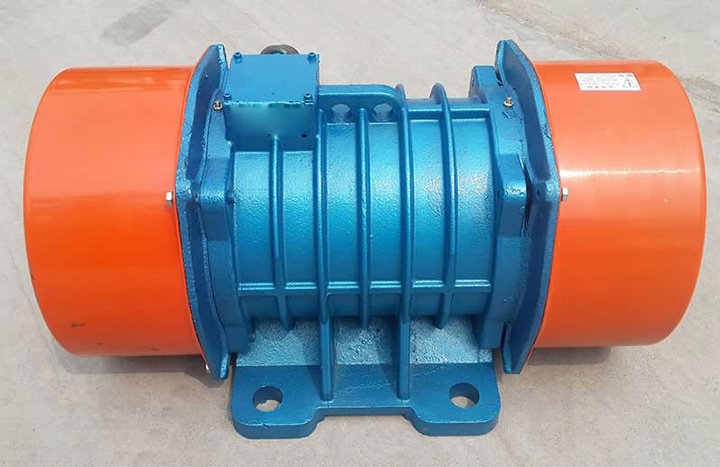
1. Drive System: The Core of Stable Gyratory Motion
The drive system is engineered specifically for high-load industrial environments, where torque stability is more important than high rotational speed.
A standard configuration includes:
- Heavy-duty three-phase asynchronous motor
- Universal joint coupling for misalignment compensation
- Eccentric weight block generating controlled gyratory motion
The system typically operates in a low rotational speed range (280–960 r/min adjustable), which is critical for achieving:
- Controlled material stratification
- Reduced screen wear
- Stable large-amplitude gyratory motion
- High-capacity continuous operation
This “low speed + large stroke” principle is one of the defining engineering characteristics of modern gyratory screening machines.
2. Screening Deck & Anti-Blinding System Design
One of the biggest challenges in industrial screening is mesh clogging (blinding) caused by fine or moist particles.
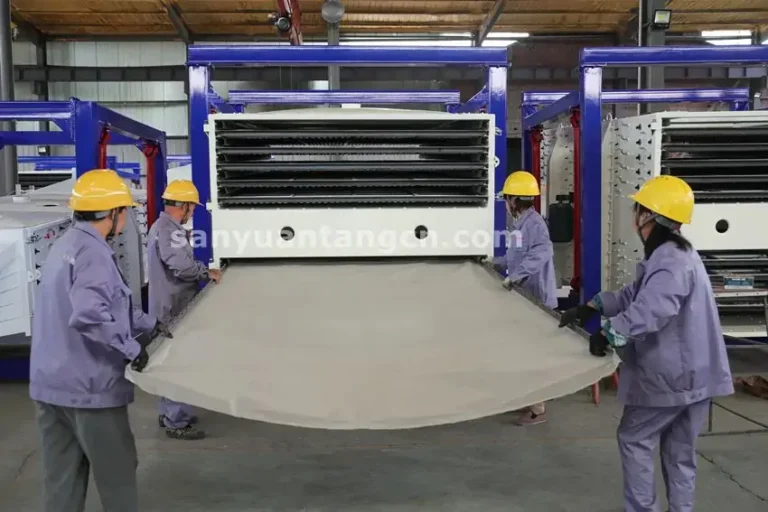
To solve this, the gyratory screen integrates a reinforced screening system:
Key structural features:
- Heavy-duty tensioned screen mesh
- Reinforced hook-edge locking system
- Carbon steel or stainless steel frame options
Anti-blinding technologies include:
- Elastic bouncing ball cleaning system
- Rotary brush cleaning system (optional)
- Scraper-based mesh clearing system
These systems continuously impact or sweep the underside of the mesh, ensuring that fine particles do not block apertures.
Multi-layer configuration capability:
Most gyratory screens support 1–5 screening decks, enabling simultaneous classification into multiple size fractions in a single pass.

3. Suspension System: Ensuring True Planar Gyratory Motion
Unlike traditional vibrating screens, gyratory systems rely on a hanging or suspended structure to maintain stable horizontal motion.
Key components include:
- High-strength cable or flexible suspension hangers
- High-damping isolation springs
- Energy absorption shock control system
This design achieves:
- Minimal vertical vibration transfer
- Reduced structural fatigue
- Improved screen lifespan
- More uniform particle distribution across the screen surface
By eliminating vertical impact forces, the system ensures that particles follow a gentle, controlled spiral trajectory, significantly improving the efficiency of fine-particle screening.

4. Fully Sealed Dust Control System
Industrial screening often generates airborne dust, especially in mineral and construction material processing.
To meet modern environmental and safety standards, gyratory screens are designed with:
- Fully enclosed screening chamber
- Silicone or high-density sealing strips
- Flexible inlet/outlet dust-proof connections
- Negative pressure dust extraction ports
When connected to a dust collection system, the internal chamber maintains slight negative pressure, preventing dust leakage and improving workplace safety compliance.


This is especially important for industries requiring ISO environmental compliance and OSHA workplace safety standards.
5. Material Feeding & Discharge Optimization
Efficient screening depends heavily on uniform material distribution and smooth discharge flow.
Feeding system:
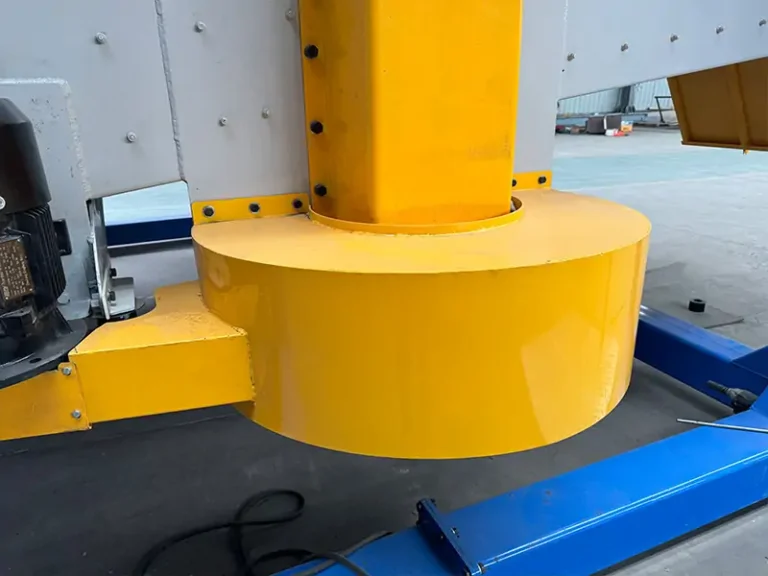
- Heavy-duty cone or fan-type distributor
- Ensures even material spread across full deck width
- Prevents localized overload and improves screening efficiency
Discharge system:
- Large-angle discharge chutes
- Wear-resistant lining (steel or polymer)
- Gravity-assisted smooth material evacuation
This design ensures continuous operation with minimal residue accumulation, achieving up to 90%+ effective screen utilization in optimized conditions.
Technical Overview Table: Gyratory Screen Performance Characteristics
| Parameter | Specification Range | Functional Benefit |
|---|---|---|
| Motor Speed | 280–960 r/min | Stable low-frequency gyratory motion |
| Screening Layers | 1–5 decks | Multi-grade particle separation |
| Amplitude (Stroke) | Medium to large | Enhanced material stratification |
| Capacity Range | 1–100+ tons/hour | Scalable industrial throughput |
| Screen Mesh Type | Stainless steel / PU / carbon steel | Adaptable to abrasion level |
| Cleaning System | Ball / brush / scraper | Anti-blinding performance optimization |
Gyratory Screen vs Traditional Vibrating Screen
| Feature | Gyratory Screen | Vibrating Screen |
|---|---|---|
| Motion Type | Low-speed gyratory motion | High-frequency vertical vibration |
| Particle Movement | Spiral + horizontal spreading | Vertical jumping |
| Anti-Blinding Ability | Excellent | Moderate to poor |
| Fine Particle Handling | High efficiency | Limited stability |
| Mesh Wear | Low | High |
| Suitable Materials | Heavy, abrasive, moist materials | Dry, free-flowing materials |
Application Scope Across Industries
| Industry | Typical Materials | Screening Purpose |
|---|---|---|
| Mining & Quarrying | Ore, crushed stone | Size classification |
| Metallurgy | Metal powders, slag | Recovery & grading |
| Construction Materials | Sand, cement, aggregates | Particle uniformity |
| Foundry Industry | Resin sand, silica sand | Mold material preparation |
| Chemical Industry | Fertilizer, granules | Precision grading |
Engineering Insight
From an engineering standpoint, the performance of a gyratory screen is not determined by speed, but by motion stability and energy distribution control.
Based on field experience in mineral processing systems, our engineering team highlights several critical design principles:
- Low-speed motion reduces particle breakage while improving classification accuracy
- Large stroke motion increases stratification depth, especially for heavy ores
- Suspension isolation protects structural integrity under continuous load
- Anti-blinding systems directly determine operational uptime in fine powder applications
- Uniform feeding is as important as screening itself for achieving rated capacity
These principles are essential when selecting equipment for continuous 24/7 industrial screening operations.
Conclusion:
The gyratory screen represents a shift from traditional vibration-based screening toward a controlled motion, high-stability classification system.
- Its advantages in handling abrasive, heavy, and multi-size materials make it a core solution in modern mineral processing and bulk material industries.
- With optimized structural design, anti-blinding technology, and low-maintenance operation, it is widely regarded as a next-generation industrial screening solution for high-demand environments.
If you are looking for a reliable gyratory screen solution for your material characteristics and capacity requirements, feel free to contact our engineering team for a tailored screening proposal.
Email: info@sanyuantang.com
Phone: +86-18639095165