
Small batch AM powder sieving is not just about kilograms per hour. It is about how much acceptable powder can be recovered from one batch, how long a changeover takes and whether residue can contaminate the next alloy. This guide focuses on metal powders for powder-based additive manufacturing. At Sanyuantang, we define the task by batch quantity, alloy, required aperture and quality criteria rather than applying one universal definition of a small batch.
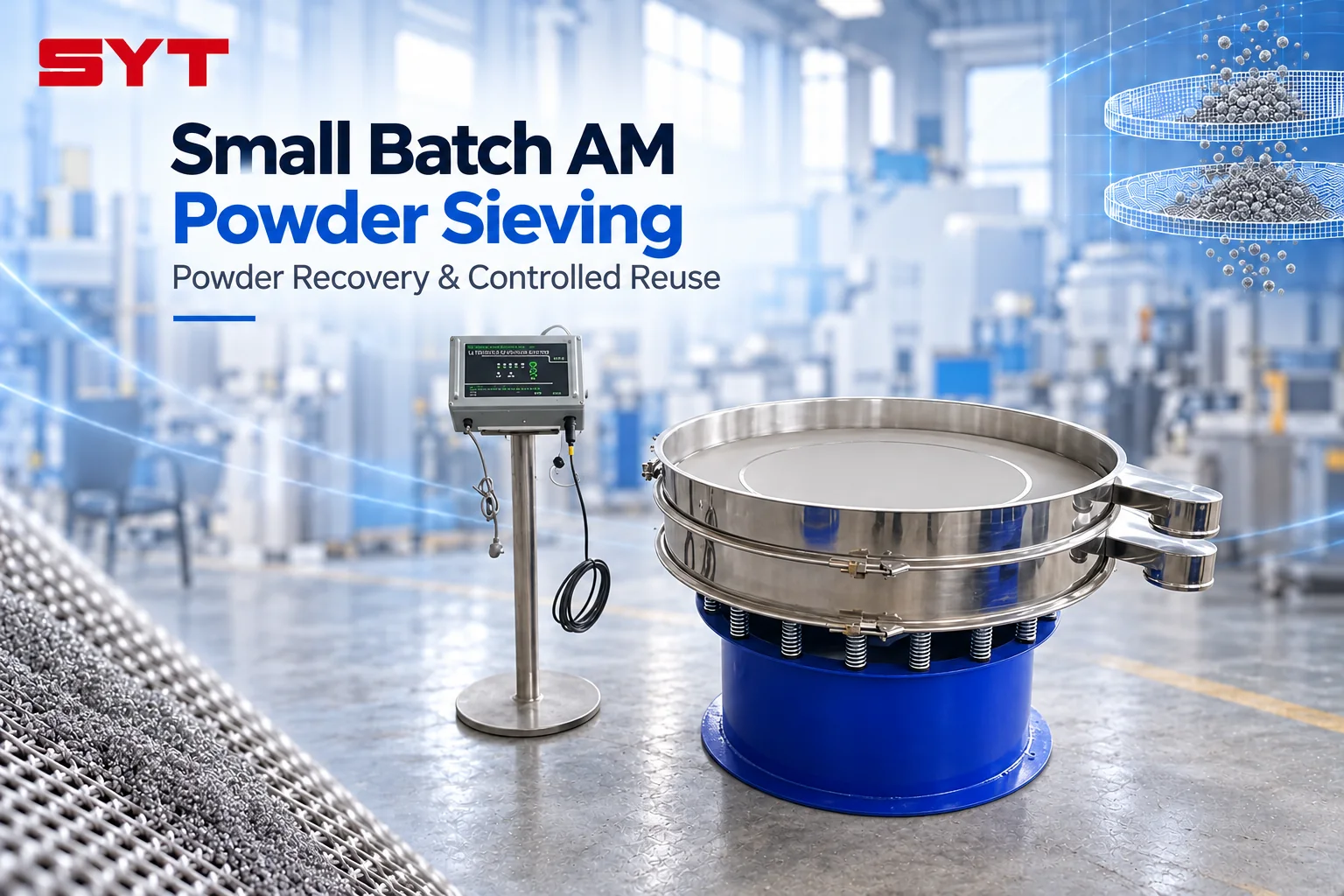
What Does Small Batch Powder Reclaim Actually Include?
Virgin-powder prescreening and recovery of powder left after printing are different duties. Prescreening mainly checks for oversize particles or lumps introduced during transport and loading. Recovered powder also raises questions about spatter, mixed batches, storage exposure and reuse history. A mesh separates by size: it cannot restore changed chemistry or establish print suitability from appearance.
A practical sequence is:
- Identify and collect the batch.
- Transfer it under the required controls.
- Sieve through the specified aperture.
- Record powder at each outlet and retained inside the unit.
- Complete the required quality checks.
- Store the powder in a closed container after approval.
Quarantine powder that cannot yet be classified. Oversize and cleaning residues should not be returned to accepted powder without authorization.
How Does Additive Manufacturing Powder Recovery Limit Loss?
With small batches, wall deposits, mesh-frame residue and transfer losses can represent a larger proportion of the starting mass. More screen area is not automatically better. Check whether the unit empties effectively, whether crevices are accessible and whether container connections add unnecessary transfers.
| Stage | What to measure | Why it matters |
|---|---|---|
| Preparation and connection | Time to fit the mesh, connect containers and complete checks | Establishes the setup burden for every batch |
| Sieving and discharge | Undersize, oversize and material retained in the unit | Separates intentional size rejection from equipment hold-up |
| Cleaning and alloy changeover | Labour time, contact-part residue and verification results | Helps determine whether dedicated frames, containers or equipment are needed |
| Quality approval | Required particle-size, chemistry and flow results | Establishes reuse eligibility; the sieve cannot approve reuse |
Undersize mass divided by feed mass is an undersize yield. Reporting recovery of an acceptable target fraction also requires measuring that fraction in the feed and output. Investigate an unclosed mass balance rather than describing all missing powder as removed contamination.
How Do You Select a Metal Powder Sieving Station?
Our 3D Metal Powder application page presents SY rotary vibrating screen, SYC ultrasonic vibrating screen and rotary airflow sifter options. These are starting points, not substitutes for a small-batch structural and safety review.
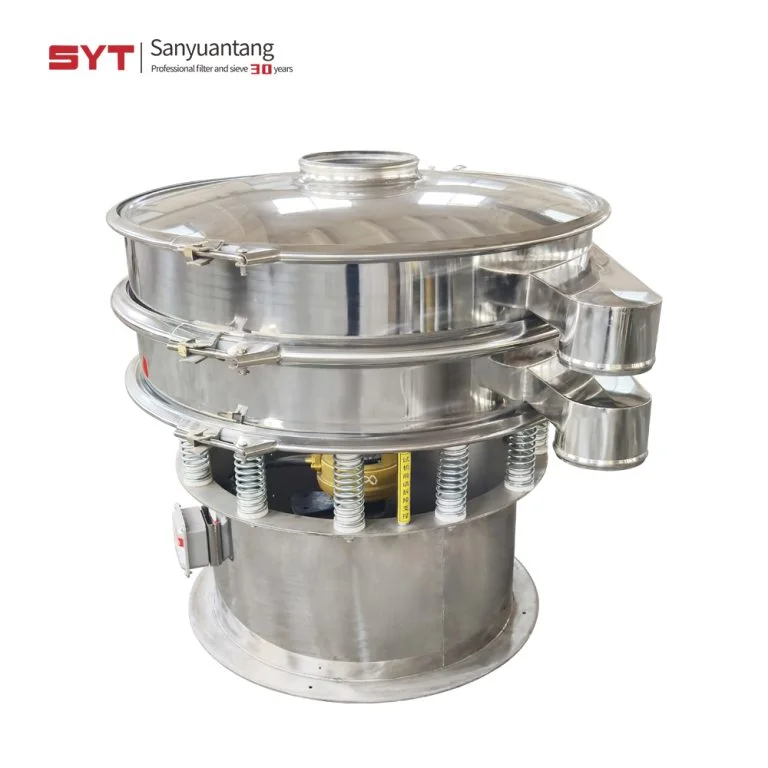
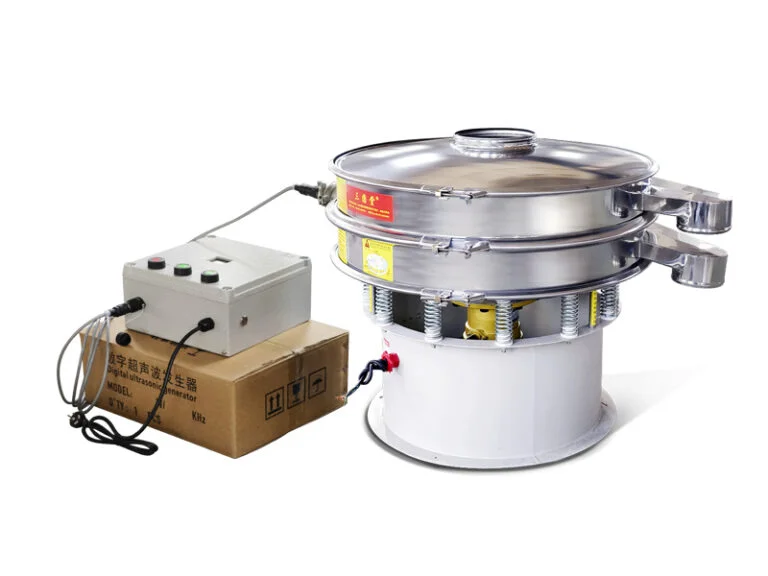
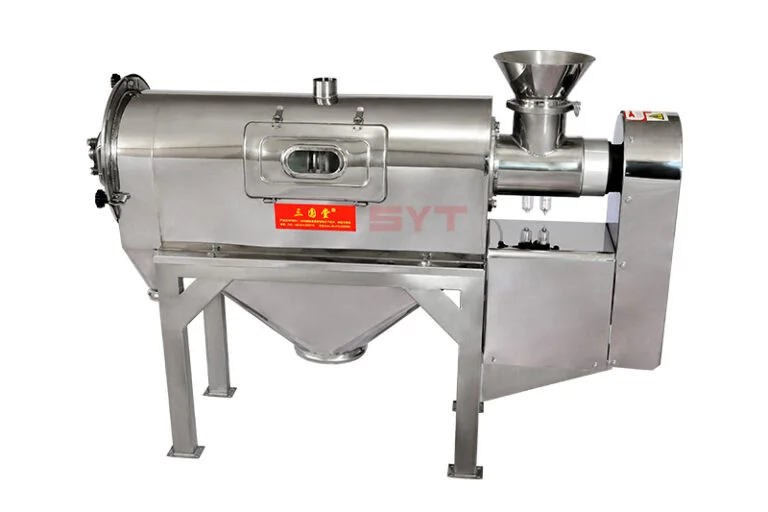
Related Sanyuantang application cases:
- Metal Powder Screening Solution for Additive Manufacturing Powder
- Ultrasonic Vibrating Screen for Fine Copper Powder Screening: A Powder Metallurgy Case Study
The additive-manufacturing case concerns a metal powder production application; the copper-powder case concerns powder metallurgy. They provide application context, not proof of a minimum batch size, cross-alloy cleaning performance or approval for reusing printed powder.
For free-flowing powder with stable passage, a compact rotary arrangement may be worth evaluating. Where fine powder adhesion or soft agglomeration restricts passage, ultrasonic assistance is another candidate. Confirm these details before selecting a diameter from a catalog capacity:
- Alloy and process: metal type, printing process, supplier requirements and recovered-powder source.
- Batch conditions: minimum and maximum batch quantity, frequency, aperture and permissible oversize proportion.
- Cleanliness: cross-contamination limit, contact materials and dedicated mesh-frame and container arrangements.
- Handling: loading height, container connection, mesh-removal space and controlled transfer.
- Acceptance: complete turnaround time, hold-up, product quality and the cleaning-verification method.
When Should Ultrasonic Sieving for Metal Powders Be Tested?
Compare ultrasound with conventional cleaning on the same batch when fine powder will not pass consistently. Check whether it reduces progressive blinding and acceptable powder rejected with oversize, not just whether discharge looks faster initially. Set the aperture from the printing and powder specification; one commonly used micron value is not suitable for every alloy or process.
Before sharing equipment between alloys, establish a verifiable cleaning procedure. No visible powder does not mean no cross-contamination. Stricter limits may justify dedicated mesh frames, containers, contact parts or an entire unit. The user’s quality system should define cleaning, acceptance and sampling. An unapproved blank sieving run is not a substitute for cleaning validation.
This official Sanyuantang video shows ultrasonic screening of copper powder. It is a related metal-powder demonstration, not a qualified AM powder-reuse trial. Its screen setting should not be copied to another alloy, and the footage does not establish an inert-atmosphere or explosion-protection specification.
When Is Inert Atmosphere Powder Sieving Needed?
Controlled-atmosphere requirements depend on powder reactivity, exposure controls, product quality and the project risk assessment. Do not assume nitrogen suits every metal powder or treat an enclosed cover as an inerting system. Qualified personnel must assess gas compatibility, oxygen monitoring, leakage, interlocks and the risk of oxygen deficiency for operators.
The OSHA overview of combustible dust hazards includes metals and additive manufacturing among relevant industries. It provides hazard context, not certification of a particular sieving unit. Check the applicable rules and the actual powder safety data for the project.
For our candidate units, container interfaces, protective arrangements and applicable documentation must be checked individually. A standard model should not be assumed to include inerting, oxygen control or a particular hazardous-area approval. Send us the alloy, atmosphere requirements and site specifications before arranging a trial or agreeing a configuration.
Small Batch AM Powder Sieving FAQs
Can Sieved AM Powder Always Be Reused?
No. Size compliance is only part of the decision. Depending on the quality plan, checks can include chemistry, oxygen content, morphology, flowability and batch history. The required test combination depends on the use and quality requirements.
Is a Laboratory Sieve Shaker a Metal Powder Sieving Station?
They serve different tasks. A laboratory shaker can support sample testing under a specified method. A production reclaim station must also handle batch transfer, discharge, retained material, cleaning and risk controls. A similar sieve diameter does not make them equivalent.
What Is the Minimum Batch Size for AM Powder Sieving?
There is no universal minimum. Establish the usable batch range by measuring hold-up, recovery and full-cycle time with the actual unit and powder. Do not infer small-batch performance from its maximum hourly capacity.
What Mesh Size Should Be Used for Small Batch AM Powder Sieving?
Use the aperture required by the printing process, powder specification and quality plan. State the actual opening and mesh specification rather than mesh count alone. A typical value from another alloy or machine is not a universal requirement.
Can One Metal Powder Sieve Be Used for Different Alloys?
Only where material compatibility and cleaning verification meet the required cross-contamination limit. Dedicated mesh frames or containers may help, but are not automatically sufficient. Some alloy combinations or purity requirements warrant a dedicated unit.
Does an Enclosed Metal Powder Sieve Provide Inert Atmosphere Control?
No. An enclosure alone does not demonstrate gas compatibility, oxygen control, leak performance or protective interlocks. Those functions require an explicitly specified and verified system, together with operator safety measures.
Conclusion
For small-batch metal powder recovery, choose the unit that delivers acceptable powder with controlled hold-up and a verifiable changeover, not simply the highest feed rate. Evaluate one complete cycle from preparation through cleaning. Share your batch quantity, alloy, aperture and reuse requirements with Sanyuantang so we can review the screening unit’s scope and discuss representative trials. Completing sieving does not replace your quality team’s reuse approval.
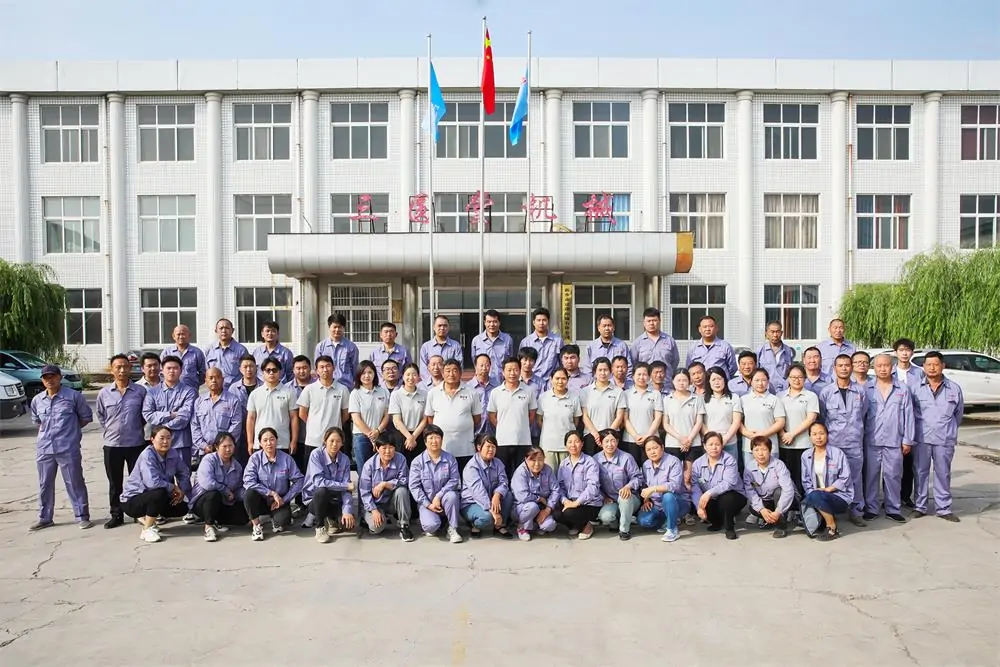
Sanyuantang Manufacturing Support for Metal Powder Screening
We are Sanyuantang, a Xinxiang-based manufacturer of screening and conveying equipment founded in 1994. Our factory combines laser cutting, welding, bending, drilling and CNC machining with equipment configuration work for material handling and separation. For metal powder enquiries, we review the mesh arrangement, contact parts, container connections and cleaning access alongside the process requirements. Material trials and video communication can help establish an appropriate screening direction. Minimum workable batch quantity, retained powder, controlled-atmosphere functions and protective documentation require project-specific confirmation; they are not implied by the availability of a general ultrasonic screen.
References
The Sanyuantang pages below document the equipment and application context discussed in this article. OSHA provides general combustible-dust hazard guidance; it does not certify a specific machine or replace a project-specific risk assessment.