Introduction: When “Fine” Becomes a Production Bottleneck
In the powder processing industry, achieving finer particle size is often essential for improving product performance. However, when the material reaches nano or submicron levels (such as 500 mesh ultra-fine calcium carbonate, titanium dioxide, pharmaceutical powders, and advanced ceramic powders), the screening process often becomes a major production bottleneck.
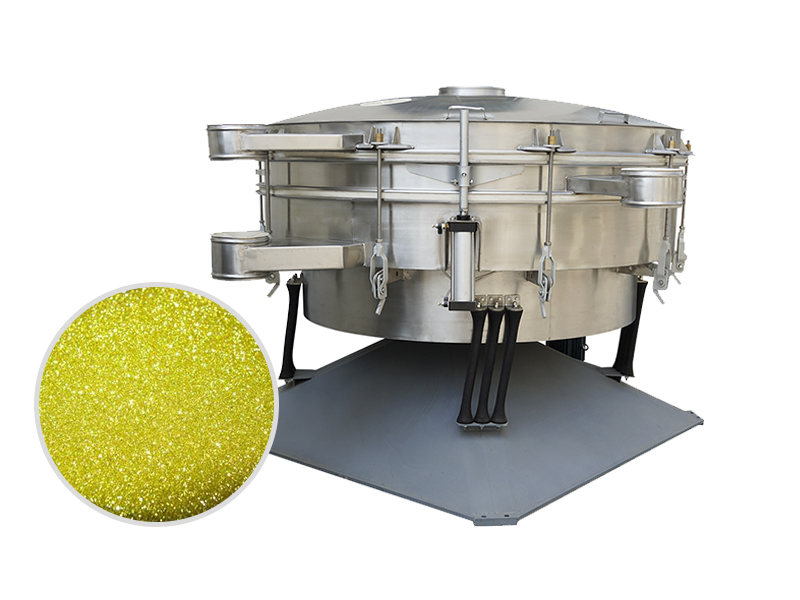
Titanium dioxide and other color powders are a useful example of ultrasonic screening for pigments, where oversize control and mesh blinding affect consistency. For a broader performance reference, review our 40–800 mesh fine powder screening tests.

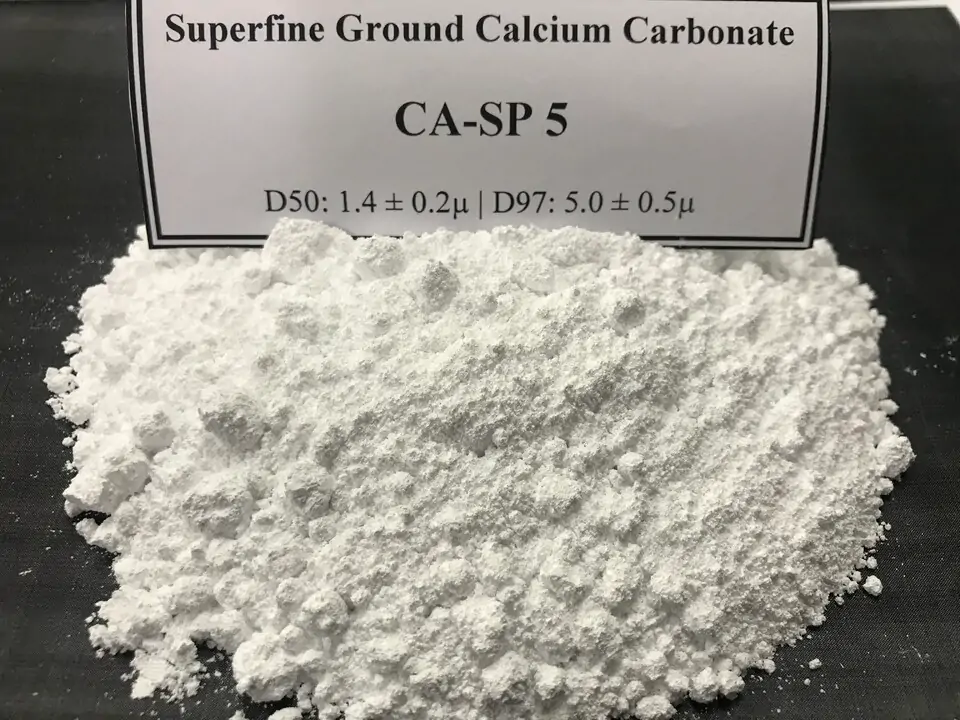
In real-world applications of Fine Powder Vibrating Screen, these ultra-fine materials typically carry slight moisture, strong cohesion, and static charge accumulation. During screening, particles tend to agglomerate due to friction and electrostatic forces, forming “false particles” that easily block mesh openings.

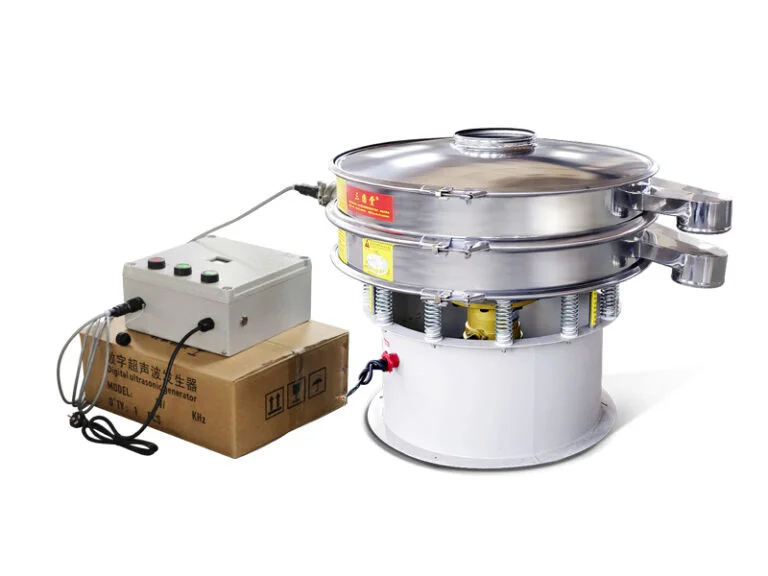
Conventional vibrating screens or Rotary Vibrating Screen often fail under these conditions. Frequent shutdowns for mesh cleaning reduce efficiency and significantly affect product consistency and particle size accuracy.
The root cause is not a single mechanical limitation, but a system-level interaction of particle size, cohesion, humidity, and electrostatic effects.
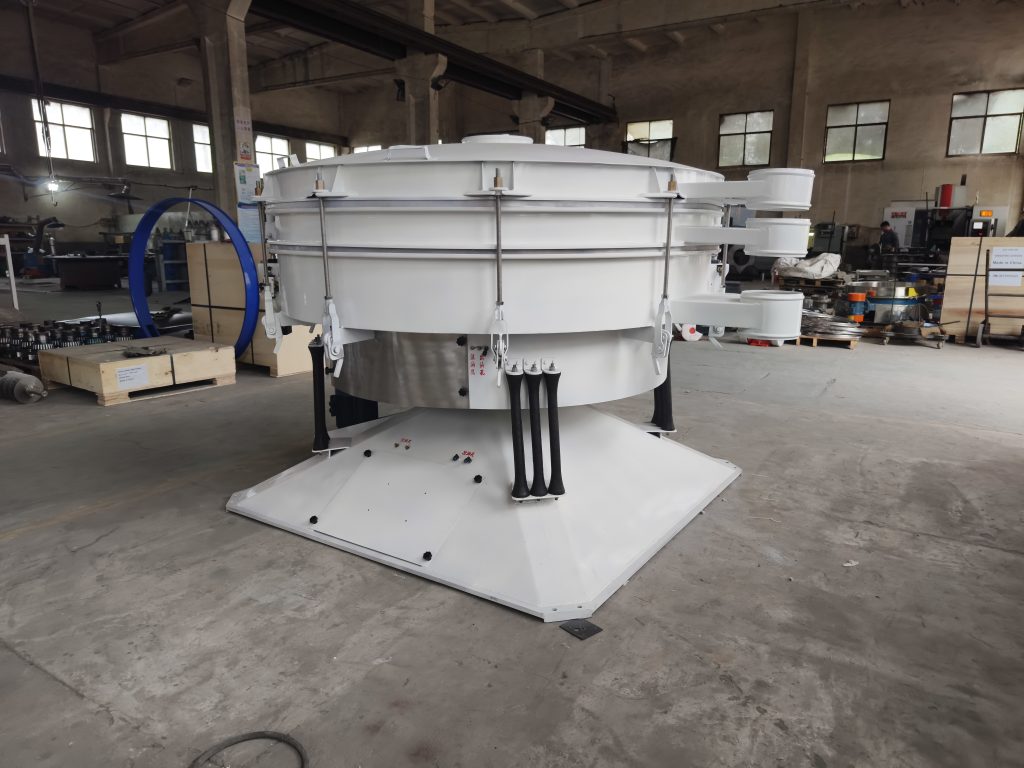
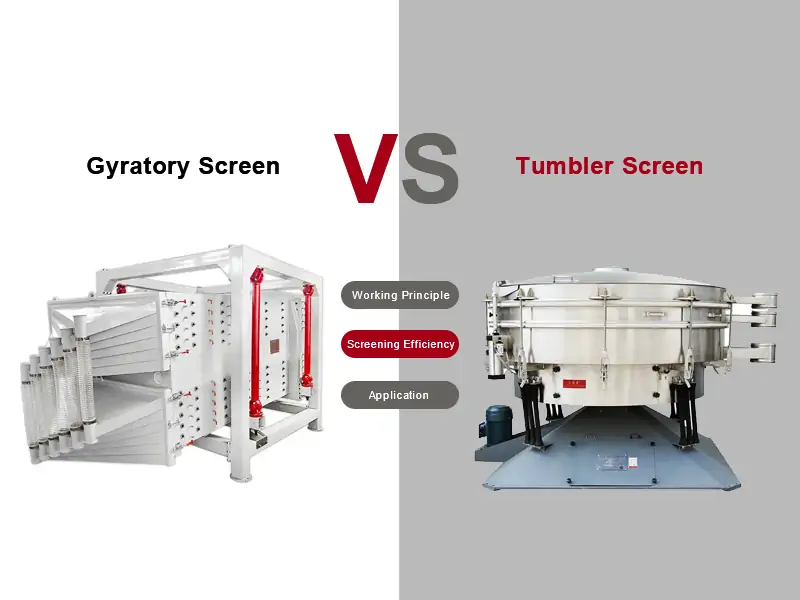
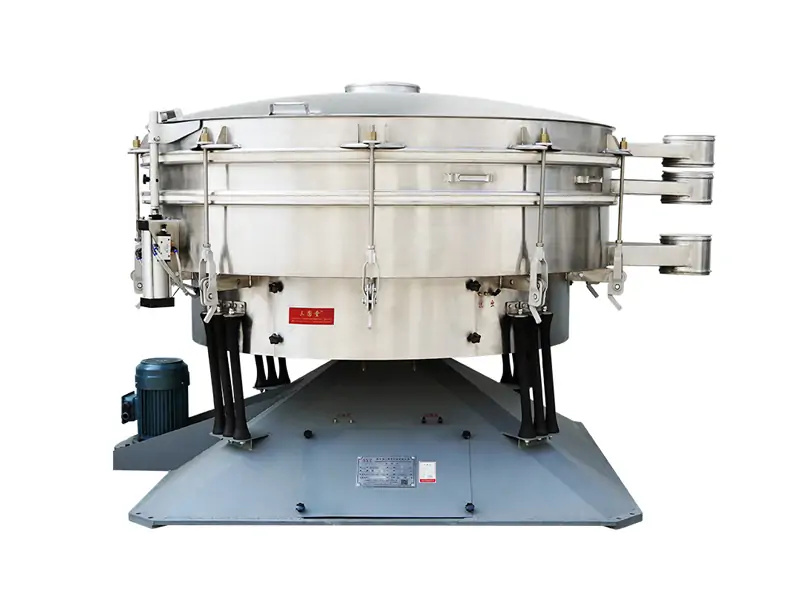
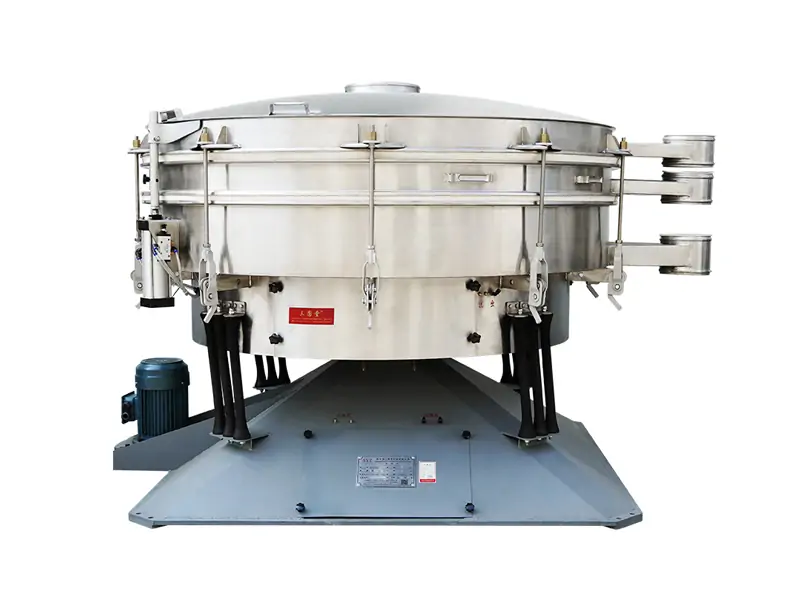
The breakthrough lies in a system engineering approach, where the Fine Powder Vibrating Screen(Also known as a Tumbler Screening Machine) becomes a key integrated solution for ultra-fine powder processing.
Working Principle: Why “Swing Motion” Instead of Pure Vibration?
Traditional vibrating screens apply strong vertical or linear motion, which tends to cause ultra-fine powders to “bounce” or “suspend” instead of passing through the mesh efficiently.
In a Fine Powder Vibrating Screen system, the motion is redesigned to improve material behavior.
3D Gentle Swing Motion
The screen body performs a gentle circular swing motion combined with slight vertical movement. This simulates manual screening actions and provides continuous, uniform dispersion forces.
Layering and Extended Screening Path
This motion creates a spiral trajectory of material flow:
- Fine particles gradually settle toward the mesh surface
- Increased residence time improves screening probability
Key Effect Summary
| Function | Result |
|---|---|
| Gentle swing motion | Improved material dispersion |
| Spiral trajectory | Better particle stratification |
| Extended residence time | Higher screening efficiency |
Anti-Clogging System: From Reactive Cleaning to Preventive Control
Clogging in Fine Powder Vibrating Screen systems is mainly caused by micro-agglomeration and electrostatic adhesion.
Ultrasonic Cleaning System (Micro-Scale Prevention)
Although multiple cleaning methods exist, ultrasonic cleaning plays a preventive role at the micro level.
Working Principle
High-frequency mechanical vibrations are transmitted to the screen mesh, generating millions of micro-vibrations per second.
Function
| Mechanism | Effect |
|---|---|
| High-frequency vibration | Breaks weak particle agglomeration |
| Mesh micro-motion | Prevents adhesion at pore edges |
| Surface energy disruption | Reduces “false particle” formation |
This ensures continuous openness of the mesh in a Fine Powder Vibrating Screen system.
For information on how ultrasonic vibrating screens work, you can check out the blog post by Sanyuantang:
Mechanical Cleaning System
- Bounce Ball Cleaning System
- Elastic balls installed beneath the screen continuously impact the mesh due to machine vibration, removing embedded particles.
- Rotating Brush / Scraper System
- A flexible brush rotates in contact with the underside of the mesh to remove sticky or moisture-induced layers.
Synergistic Cleaning Strategy
| Level | Method | Function |
|---|---|---|
| Micro | Ultrasonic system | Prevent agglomeration |
| Macro | Bounce balls / brushes | Remove adhered particles |
Together, they ensure long-term stable performance of the Fine Powder Vibrating Screen.
Electrostatic Control System
Electrostatic charging is a major cause of agglomeration in ultra-fine powder screening.
- Grounding System Design
- All conductive components (screen body, inlet, outlet) are properly grounded to form a complete discharge path.
- Conductive Screen Mesh
- Special conductive coatings or alloy mesh materials are used to allow direct charge dissipation through the screen surface.
- Optional Humidity Control
- In some processes, slight air humidity adjustment improves air conductivity and accelerates charge dissipation.
Electrostatic Control Summary
| Method | Function |
|---|---|
| Grounding system | Basic charge discharge path |
| Conductive mesh | Direct particle charge neutralization |
| Humidity control | Enhances ion conduction in air |
Engineering Selection Guide
Proper configuration of a Fine Powder Vibrating Screen must be based on material and process evaluation.
Material Analysis
Key parameters include:
- Particle size distribution
- Moisture content
- Bulk density
- Electrostatic behavior
Lab-scale screening tests are strongly recommended.
System Integration Considerations
Screening is not an isolated unit operation but part of a complete production system.
| Process Stage | Requirement |
|---|---|
| Feeding system | Stable, uniform feed to avoid impact loading |
| Screening system | Controlled motion and anti-clogging design |
| Discharge system | Closed handling to prevent contamination |
Hygienic & Material Requirements
For pharmaceutical, food, and high-purity applications:
- 316L stainless steel construction
- GMP-compliant design
- No dead corners for easy cleaning
- Sealed structure for contamination control
If you’re unsure which Fine Powder Vibrating Screen option to choose, contact us at Sanyuantang Machinery today. Our professional team is here to guide you through the selection process.
Conclusion:
The challenge of fine and nano powder screening is not solved by a single machine, but by a system-level engineering approach.
The Fine Powder Vibrating Screen integrates motion dynamics, anti-clogging cleaning systems, and electrostatic control to transform screening from a failure-prone process into a stable and controlled production stage.
It significantly improves:
- Particle size consistency
- Continuous production stability
- Operational efficiency
- Energy utilization
This is not just equipment optimization—it is a complete screening system engineering solution for modern fine powder processing industries.
Email: info@sanyuantang.com
Phone: +86-18639095165
Appendix: Technical Parameters Reference
| Parameter Category | Specification | Description |
|---|---|---|
| Motion system | Swing amplitude & frequency | Controls dispersion and transport speed |
| Cleaning system | Ultrasonic power / bounce ball quantity | Selected based on material stickiness |
| Anti-static system | Ground resistance ≤ 10⁶ Ω | Ensures safe electrostatic discharge |
| Material design | SUS304 / SUS316L | Corrosion resistance & hygiene compliance |