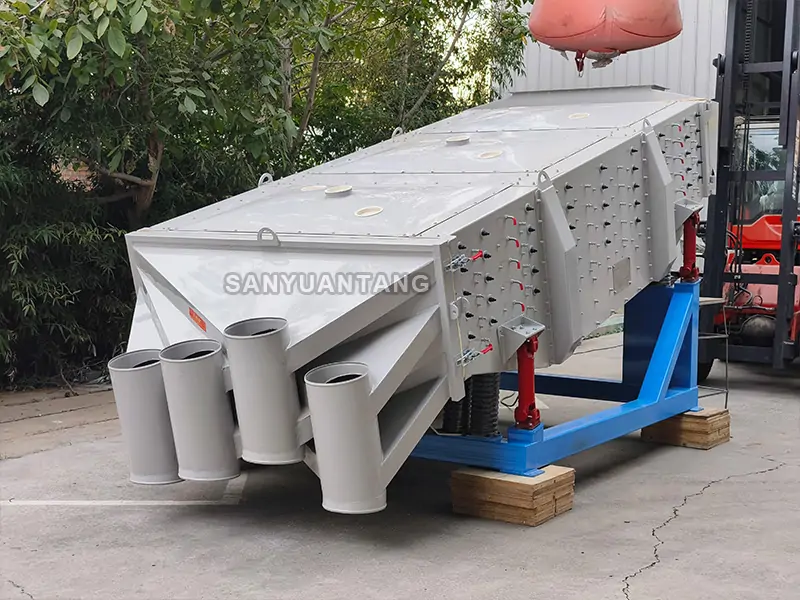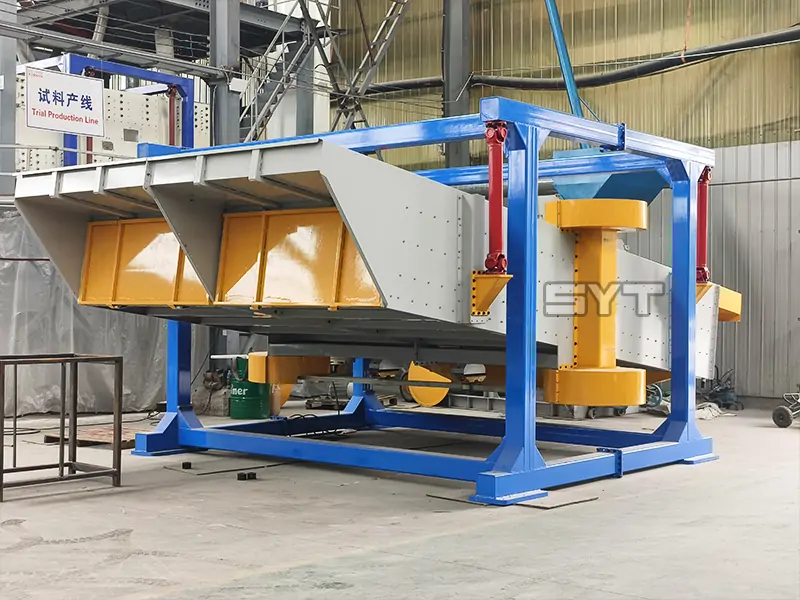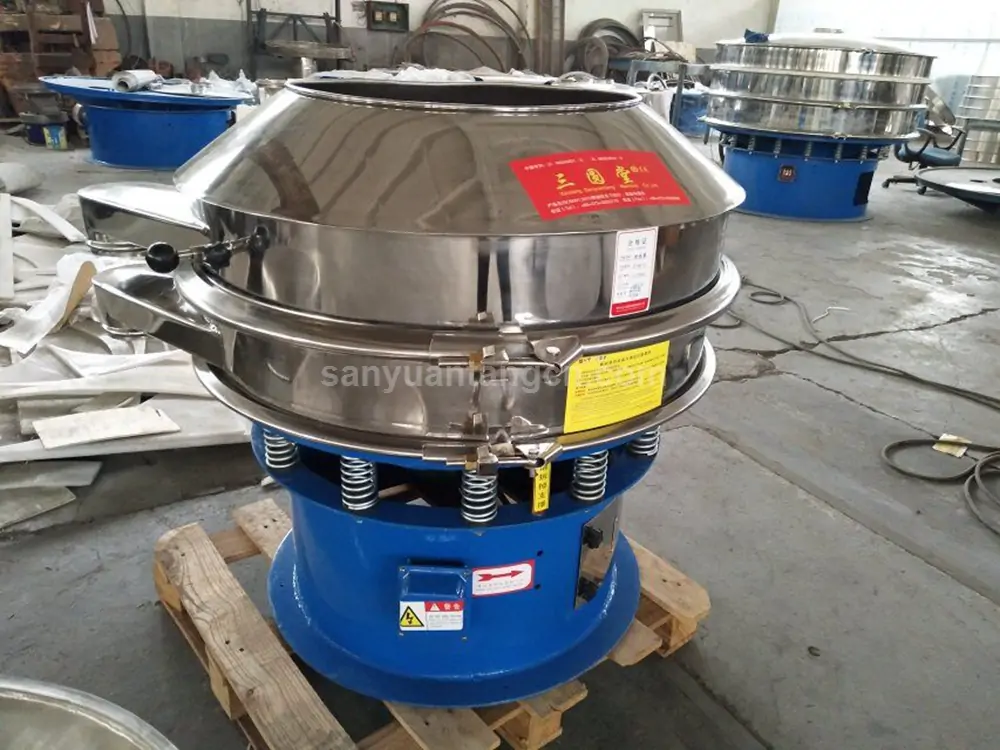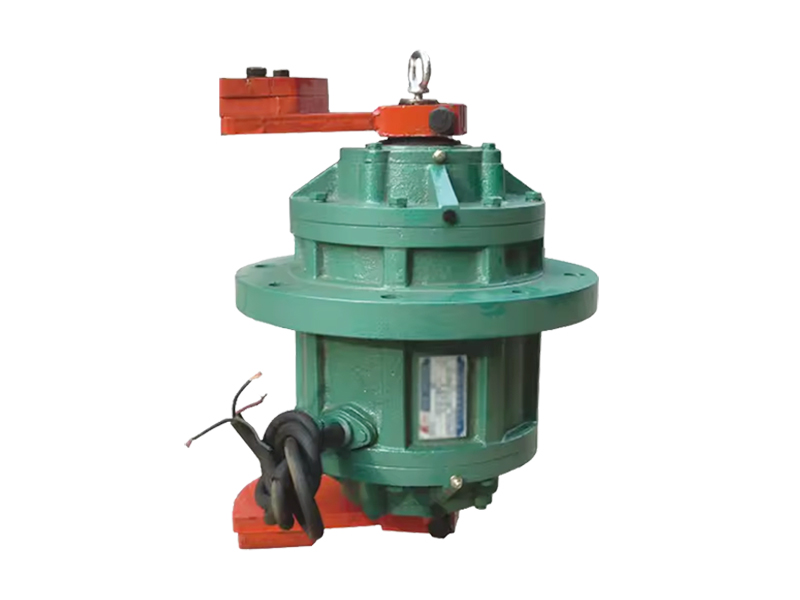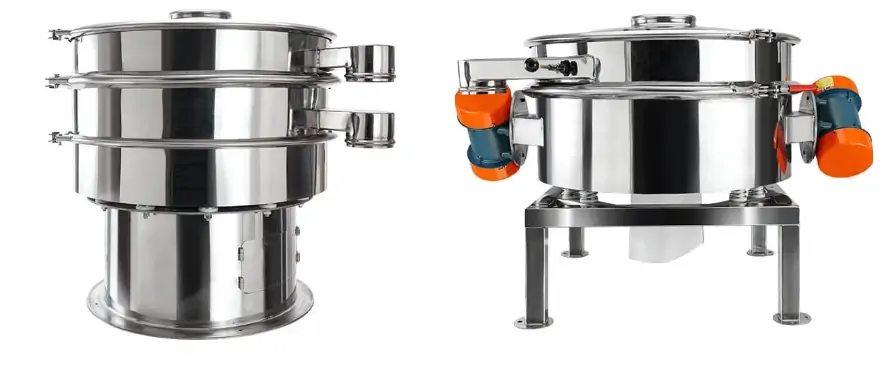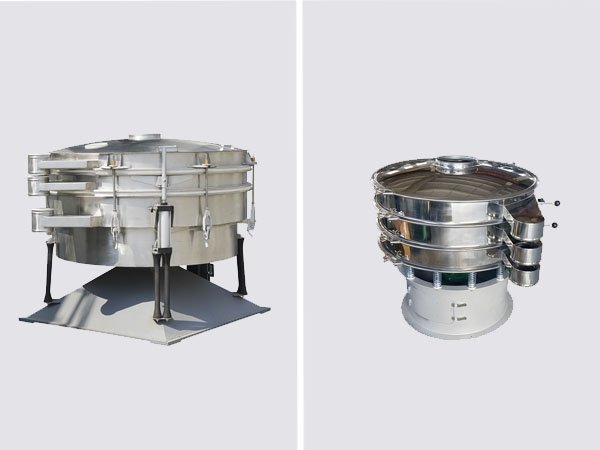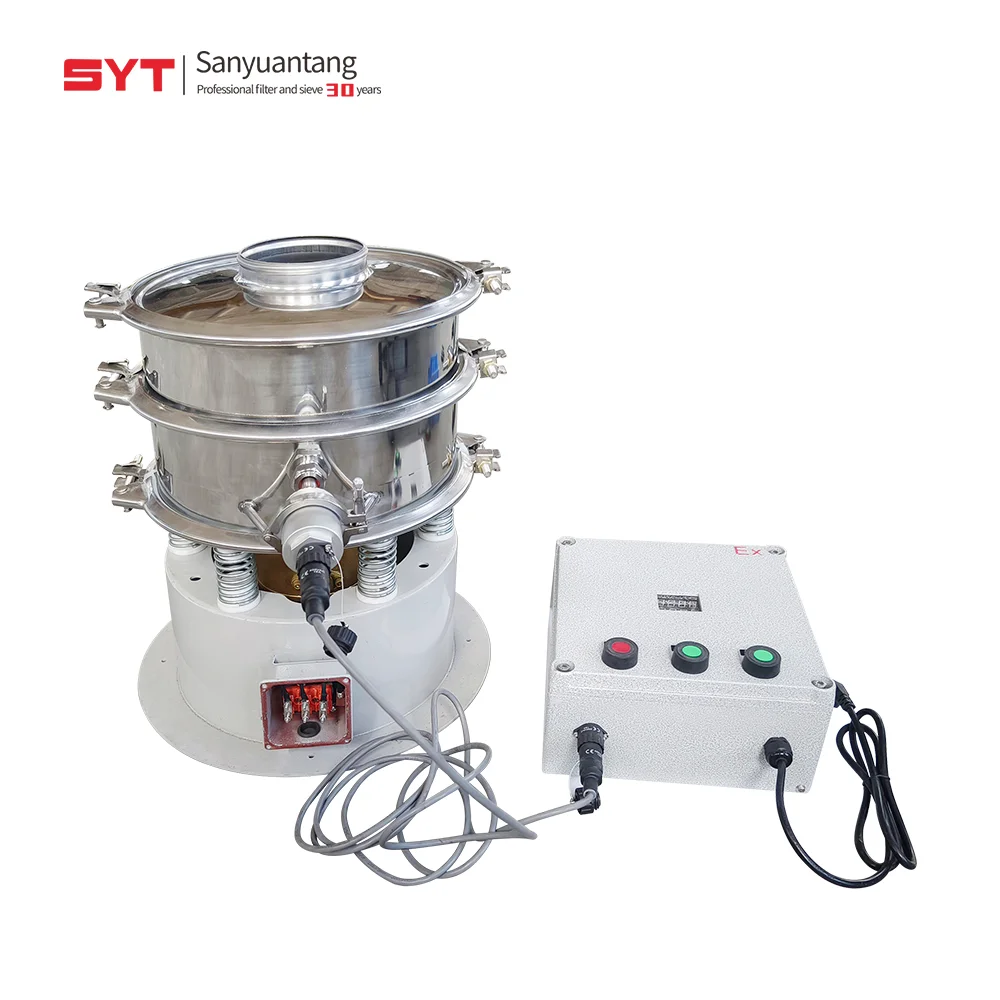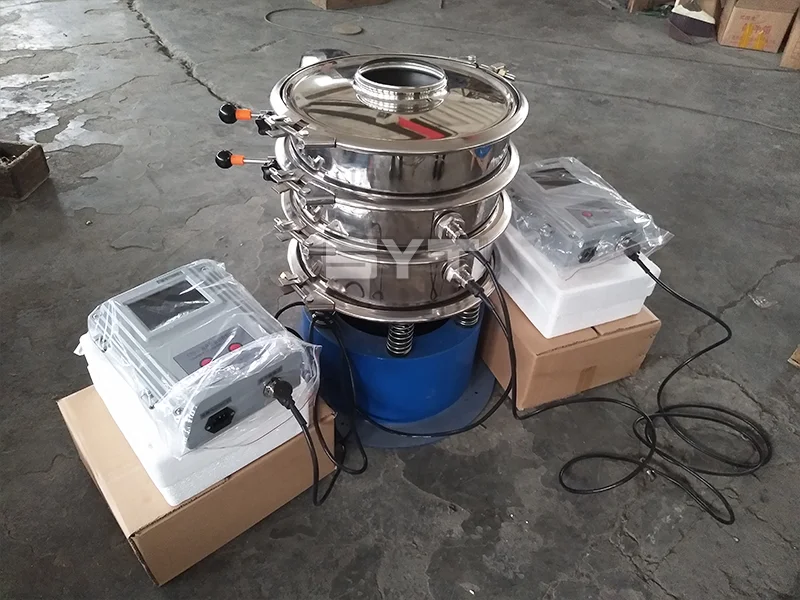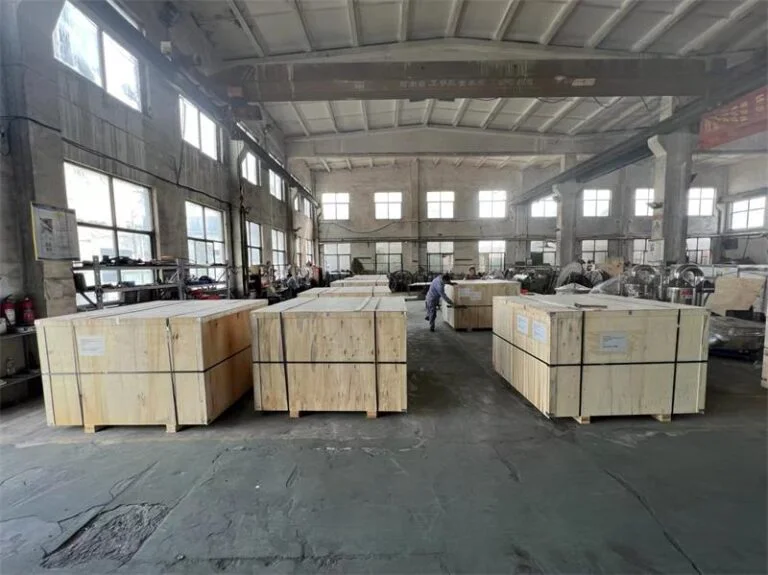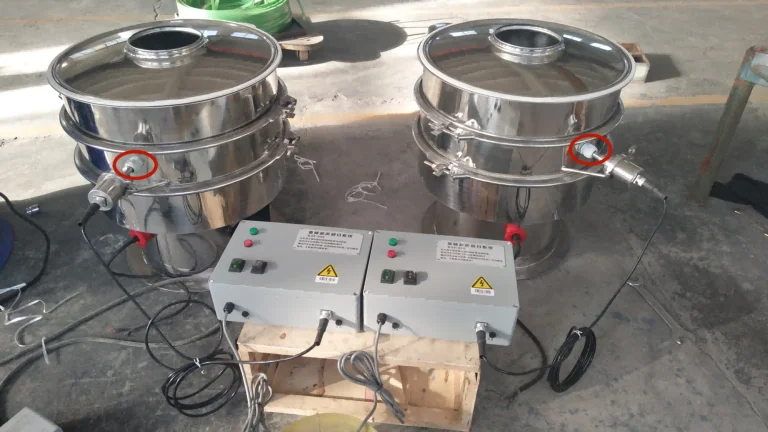
When conducting the selection of vibrating screen, a large amount of accurate and reliable data is required as the decision-making basis. The completeness and authenticity of this information will directly and significantly influence the final selection of vibrating screen results. Therefore, before any equipment selection process begins, clearly identifying and providing essential material data is a fundamental prerequisite to ensure screening accuracy, stable processing capacity, and the long-term, reliable operation of the vibrating screen.
In actual projects, deviations in vibrating screen selection are often not due to the performance of the equipment itself, but due to insufficient understanding of material characteristics in the early stage, which leads to improper choice of structure, material, or sealing solution. Therefore, the selection of a vibrating screen is not simply choosing a model, but a comprehensive judgment process based on material properties, working conditions, and safety requirements.
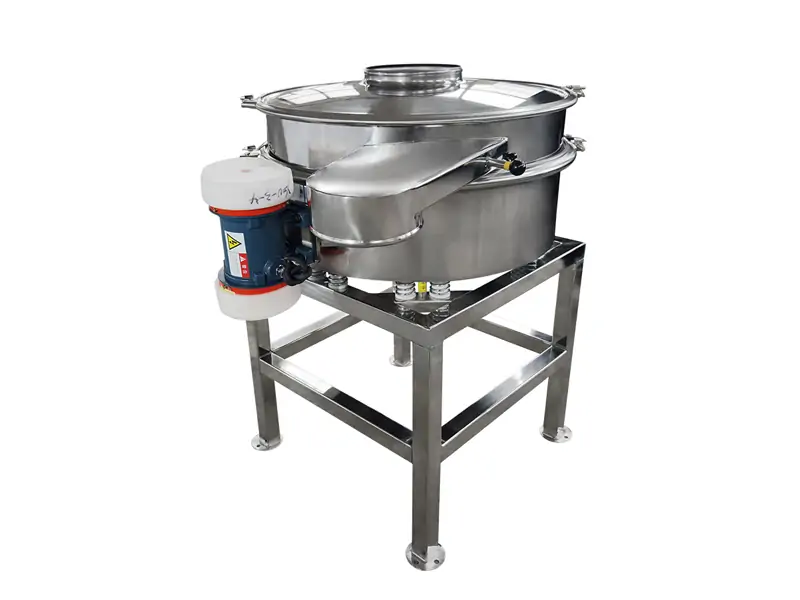

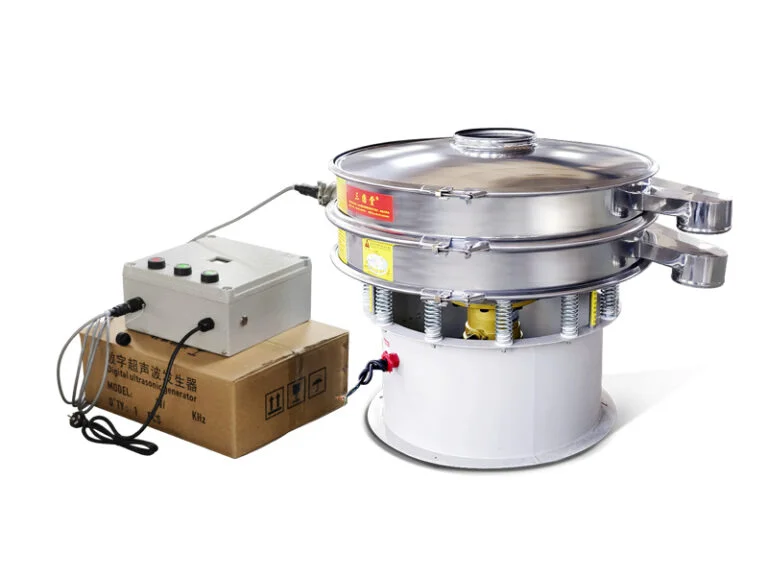
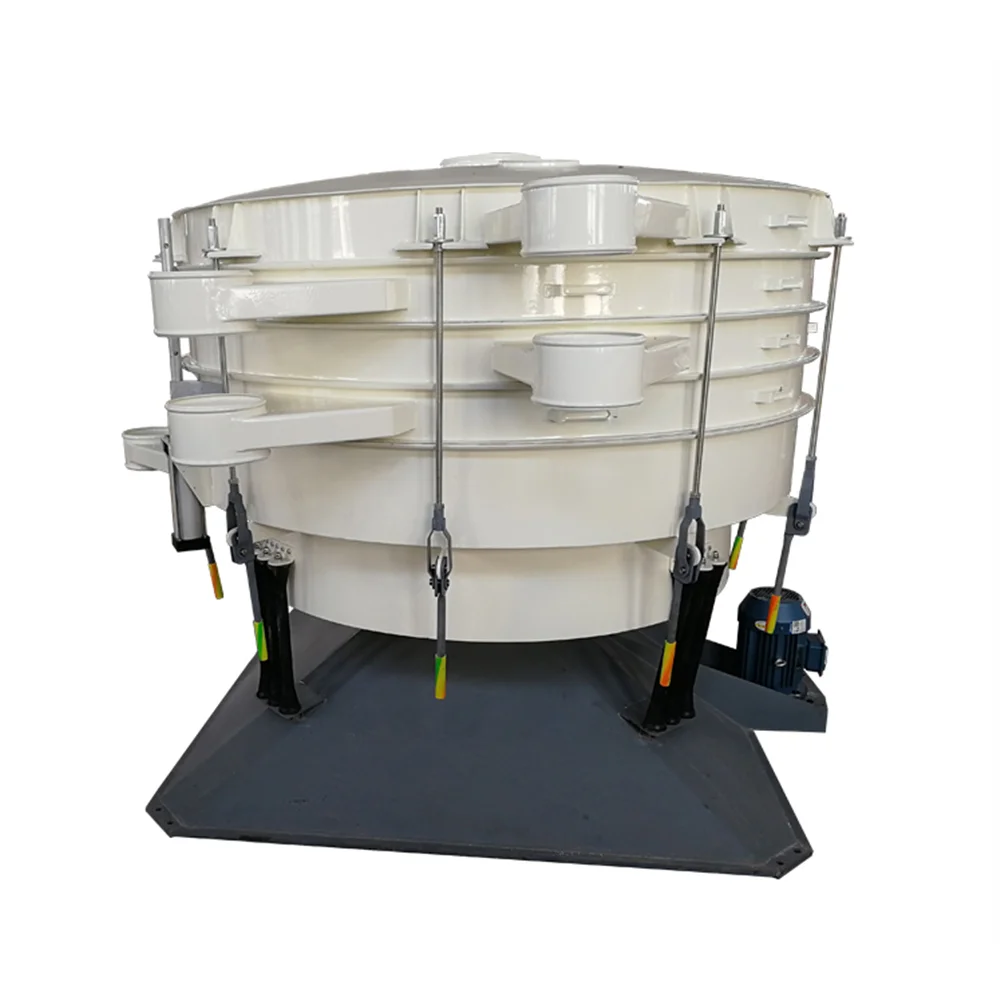
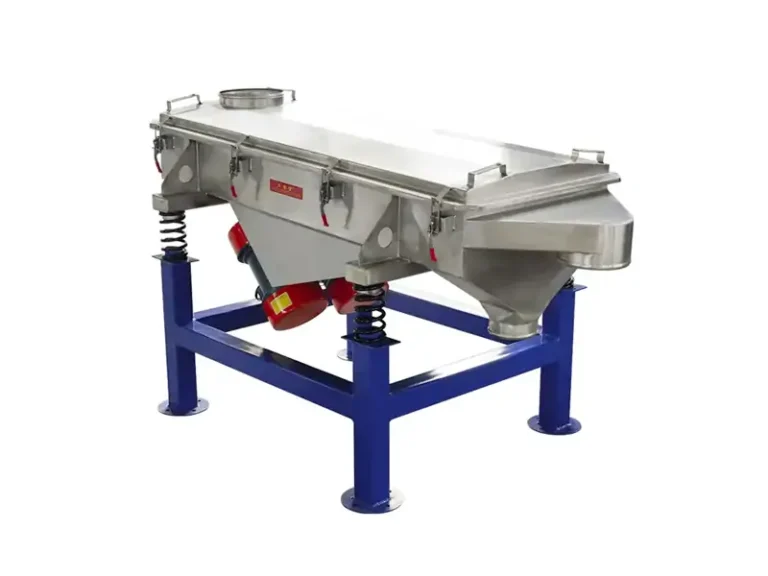
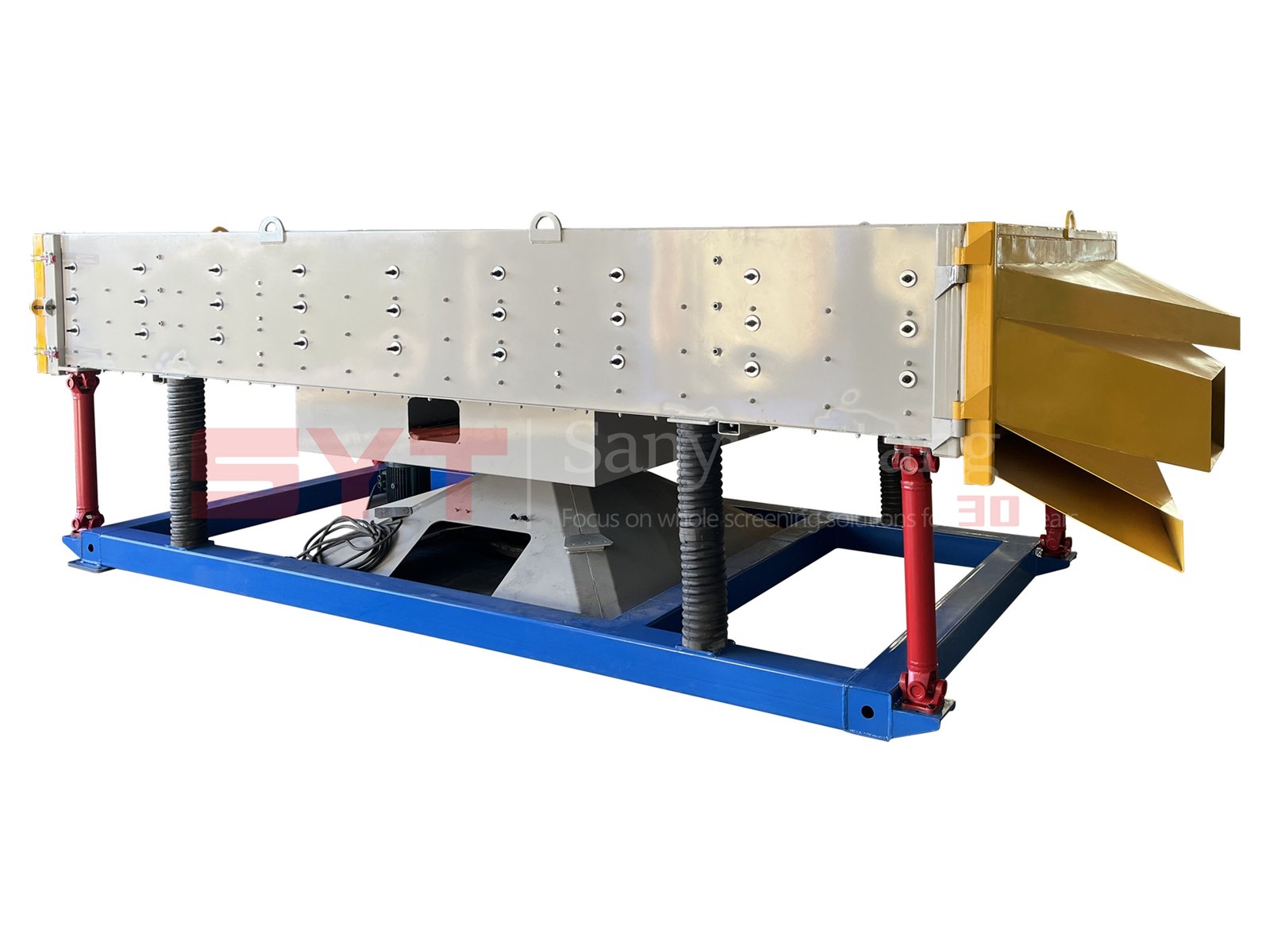
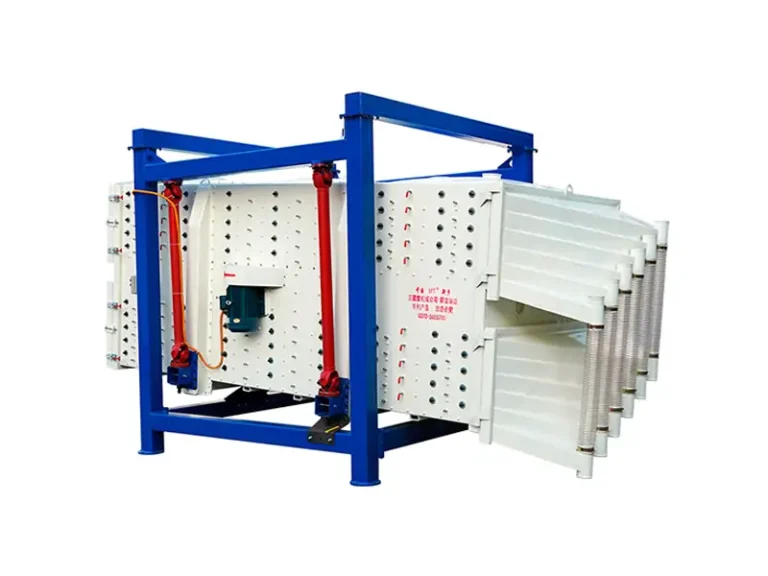
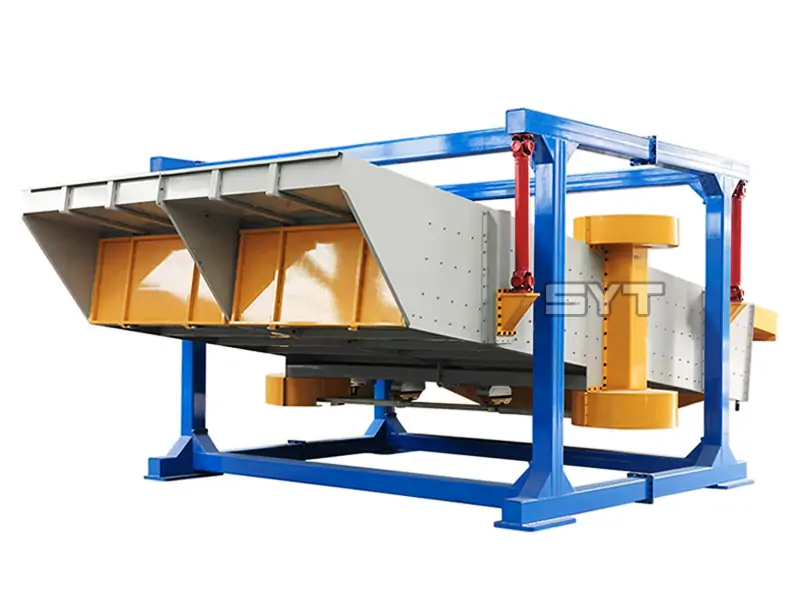

For more of our products, click here.
Below, I will go through how to conduct more accurate material analysis and vibrating screen selection
Material Name and Its Role in the Selection of Vibrating Screen
Material name is the most basic and key information in the selection of the vibrating screen process. After clarifying the material name, our engineers can quickly determine the physical and chemical properties of the material, such as particle shape, particle size range, bulk density, fluidity, whether it tends to agglomerate, whether it contains oil, whether it is electrostatic, and whether it has corrosive or toxic properties or potential safety risks.



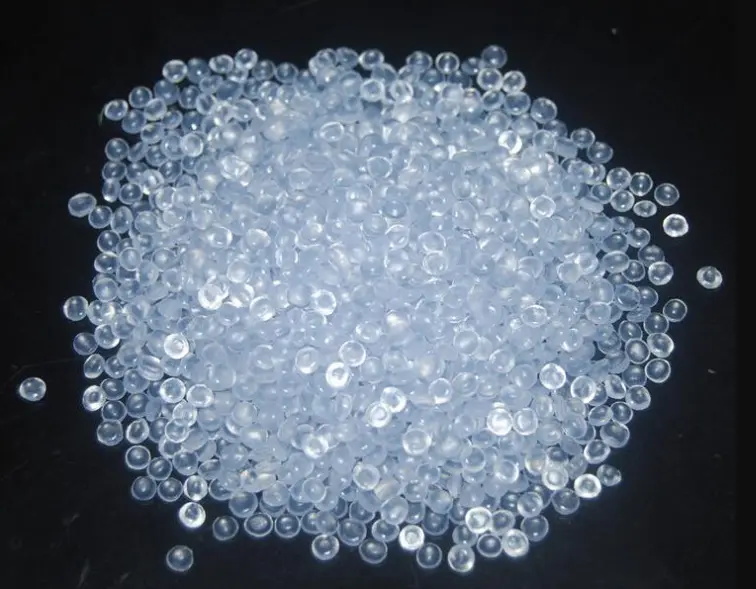
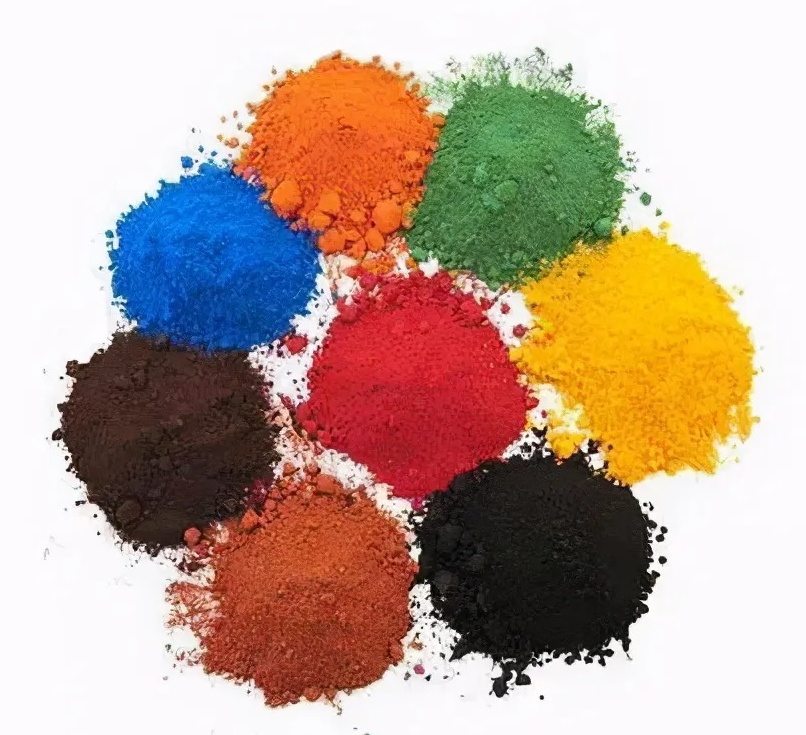

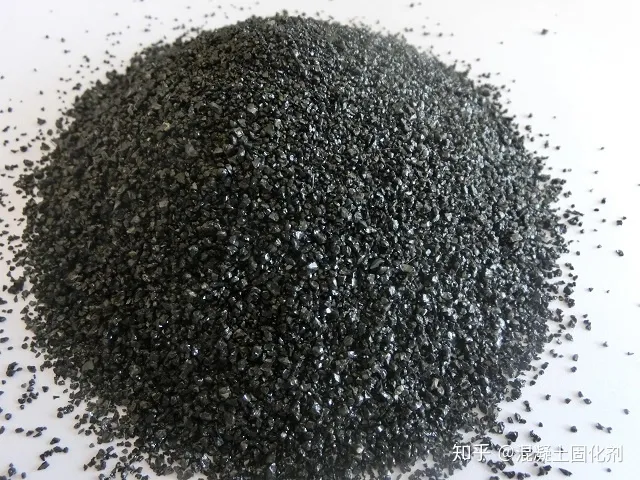
Based on the material name, we can further determine whether special structural design is required, such as a fully sealed structure, an explosion-proof configuration, inert gas protection, or internal anti-stick and anti-corrosion lining. These factors will directly affect the structural form, material selection, sealing level, and cleaning method of the vibrating screen, which are the most basic conditions for the selection of a vibrating screen.
Selection of Vibrating Screen for Frac Sand Screening
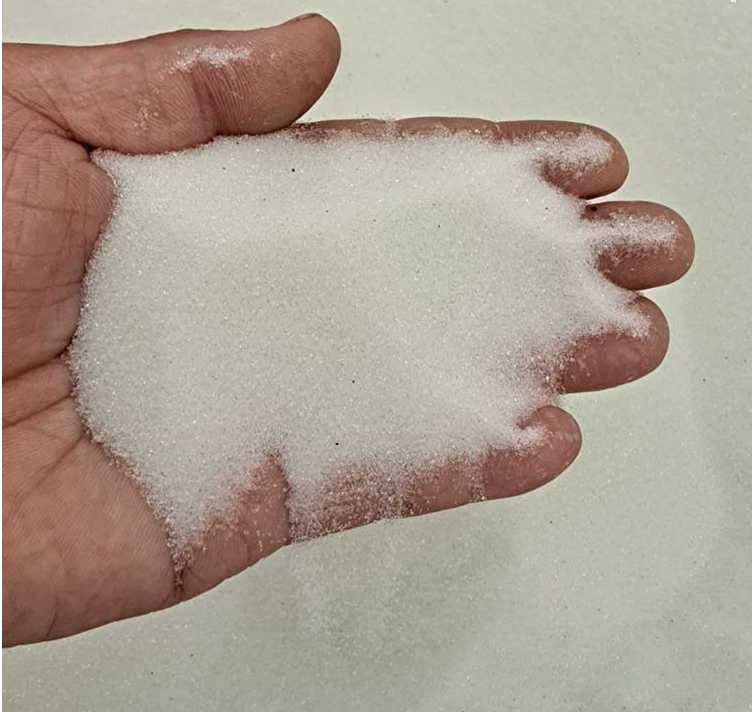
Taking petroleum frac sand as an example, this material is widely used in oil and gas extraction operations and requires high screening accuracy and stable operation. In the process of selecting a vibrating screen for frac sand, it is necessary to focus on particle hardness, wear resistance, and screening accuracy requirements.
The bulk density of frac sand is usually between 1.5 and 2.0, and the particles are relatively hard. The vibrating screen generally uses carbon steel material, and the material is non-acidic, non-toxic, and oil-free, but in oilfield conditions, an anti-static design usually needs to be considered. The screen sizes are commonly 20 mesh, 40 mesh, 70 mesh, and 120 mesh, which are used for multi-stage grading screening. The cleaning method is usually rubber ball cleaning to prevent screen hole blockage and ensure screening efficiency.
Since frac sand directly affects the fracturing effect of oil wells, its screening accuracy requirements usually need to reach more than 99%. According to past application experience, a 2040 square rotary screen can stably maintain a processing capacity of 6–8 tons per hour under frac sand conditions. This data is often used as an important reference in frac sand selection for vibrating screens.
Selection of Vibrating Screen for Flour Processing
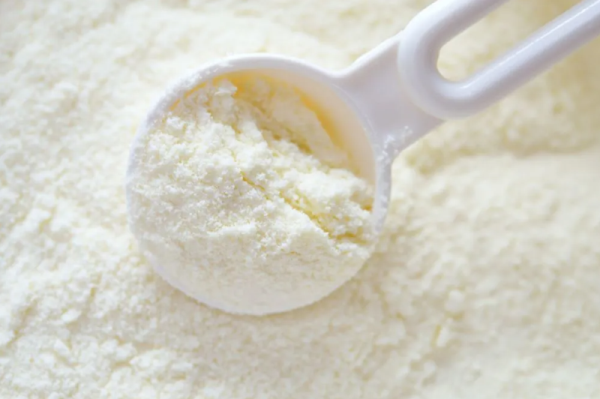
In flour screening applications, the focus of selection of the vibrating screen is significantly different from mineral materials. The bulk density of flour is about 0.5, which belongs to light and easy-to-fly powder. It is non-acidic, non-toxic, and oil-free, and the electrostatic adsorption is relatively low. However, because it belongs to the food industry, the requirements for equipment materials, and hygiene standards are extremely high.
Therefore, in the selection of a vibrating screen for flour, the whole machine usually must be made of food-grade materials, such as 304 or 316 stainless steel. All parts in contact with the material need to be polished to reduce material residue and cleaning difficulty. Sealing rings should be made of food-grade silicone material, and the screen cleaning device is also usually made of silicone rubber balls.
The screen mesh size is generally selected as 24 mesh, 40 mesh, 60 mesh, or 80 mesh according to the application. It is important to note that flour is prone to dust during screening, and under certain conditions, there is a risk of dust explosion. Therefore, explosion-proof motors are usually recommended. According to actual operating experience, a one-meter linear screen or rotary vibrating screen with 60 mesh can handle about 500 kg of flour per hour, which can meet the production needs of most food processing companies.
Selection of Vibrating Screen for Pesticide Powder
In the selection of a vibrating screen for pesticide powder, safety is always the top consideration. First, it is necessary to focus on the toxicity level of the material. For toxic or highly toxic pesticide powders, the vibrating screen must adopt a fully sealed structure design to ensure that there is no leakage during screening.
Some highly toxic powders must undergo sealing or pressure testing before leaving the factory to verify their safety and reliability under actual working conditions. Secondly, it is necessary to comprehensively consider the pH value of the material, the corrosiveness to metal materials, and whether higher-grade stainless steel or other corrosion-resistant materials need to be used. The internal equipment usually needs to adopt a double-sided full welding structure to avoid safety risks caused by welding seam dead corners.
In addition, in the selection of a vibrating screen for pesticide powder, it is also necessary to pay attention to the sealing connection between the inlet, outlet, and upstream and downstream equipment. Some materials cannot come into contact with oxygen, so an inert gas inlet needs to be added to the equipment. Some materials cannot come into contact with metal, so a PTFE coating is sprayed inside the equipment to ensure that the material’s performance does not change.
Conclusion
In summary, the material name and its physical and chemical characteristics are the most decisive basic information in the selection of the vibrating screen process. It not only affects the structural form and material selection of the vibrating screen, but also directly relates to screening accuracy, safety level, and whether a non-standard customized design is required.
Only under the premise of fully understanding material characteristics can the selection of a vibrating screen be realized scientifically, reliably, and sustainably, providing stable support for subsequent production.
If you also have difficulties in selection, you can contact us now. We, Sanyuangtang Machinery, have more than 30 years of industry experience and can provide you with more guidance.
Email: info@sanyuantang.com
Phone: +86-18639095165