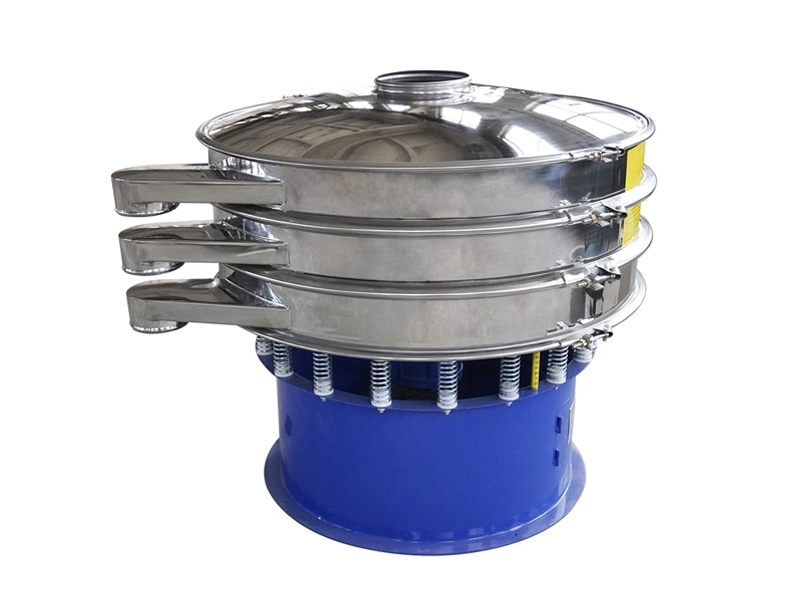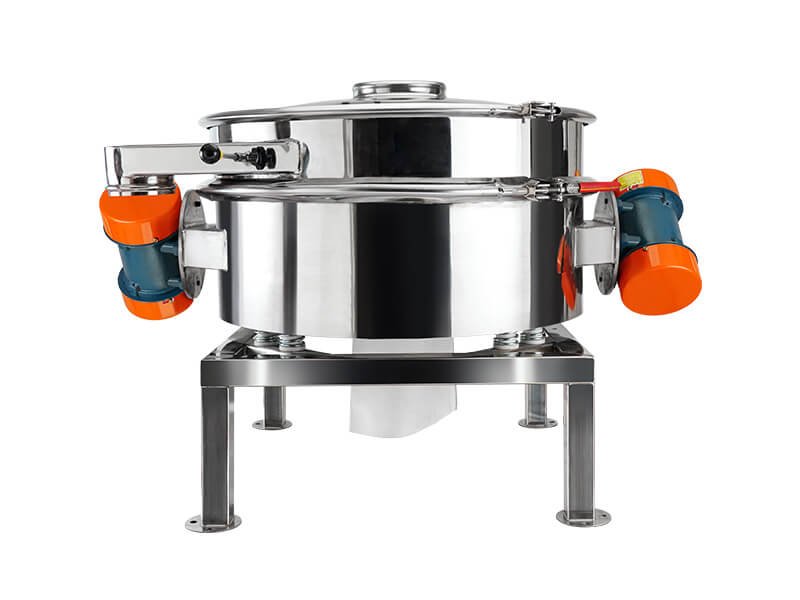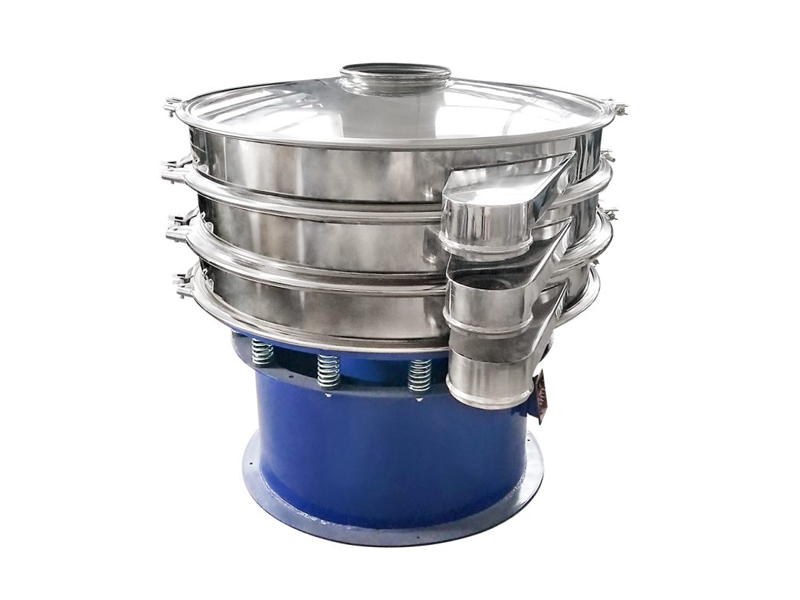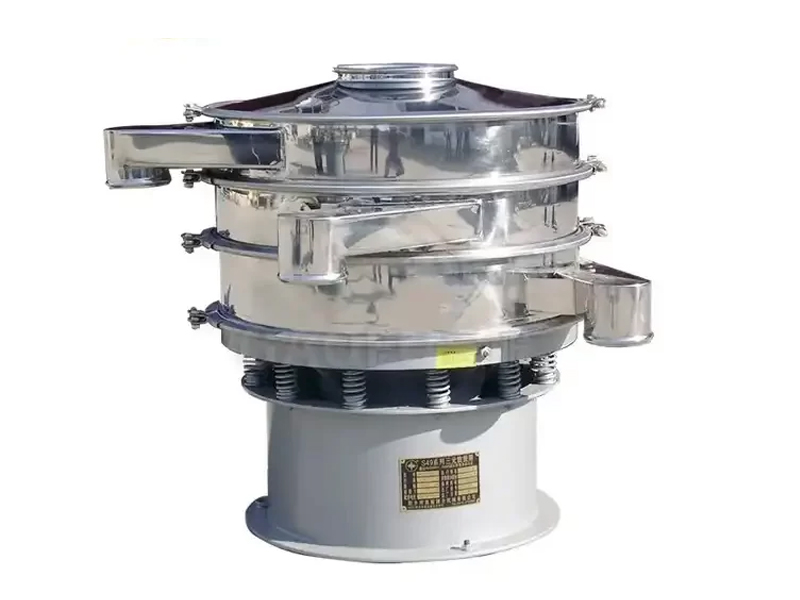
In industrial production, many granular materials need to be separated, such as powder, granules, liquids and so on, and they need to be classified according to size and shape. The sieving machine can screen the materials according to the particle size and screen out the materials that meet the requirements, making the production process more efficient and precise. In different industries in the application of different sieving machine more economical and effective, the following for you to focus on the common types of sieving machine.
Common types of sieving machines
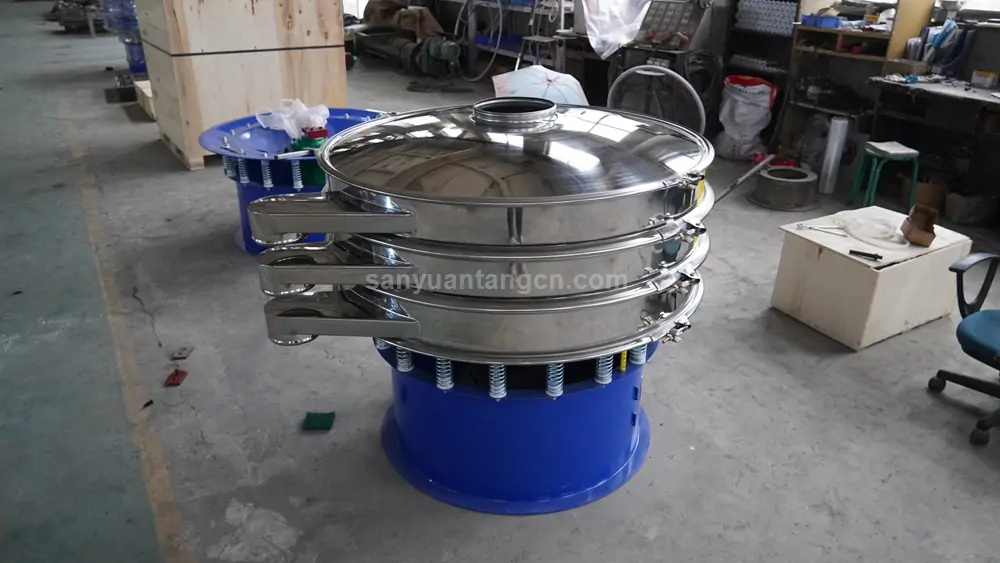
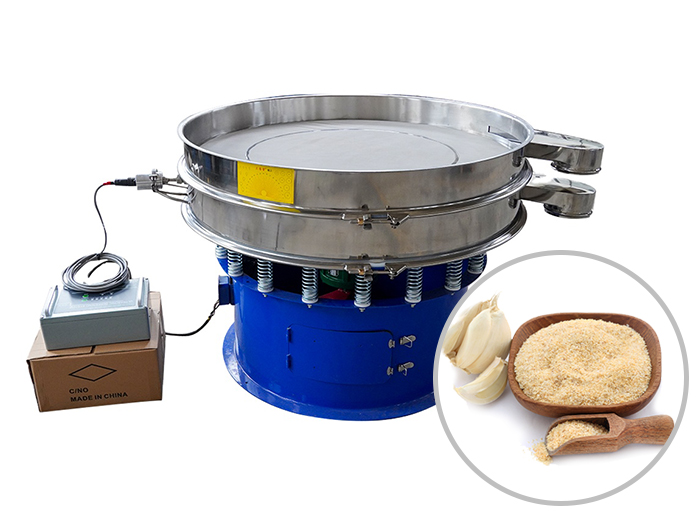
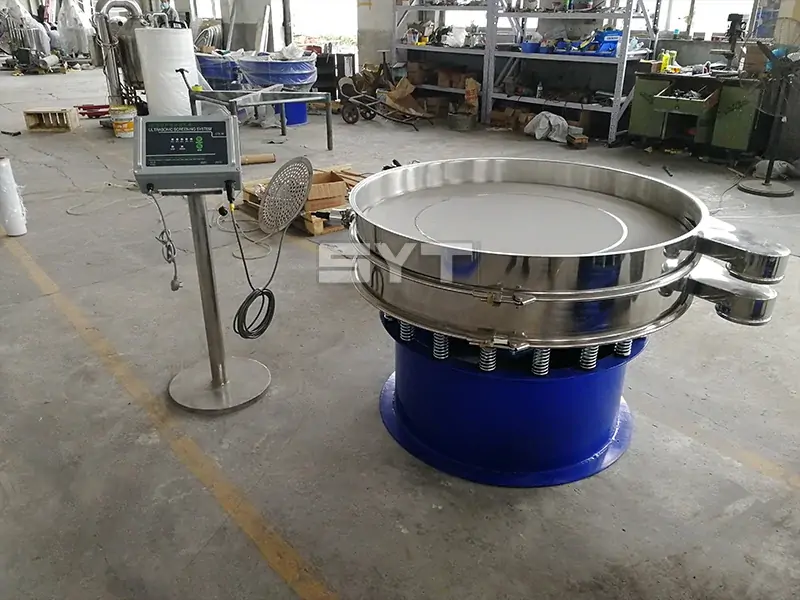
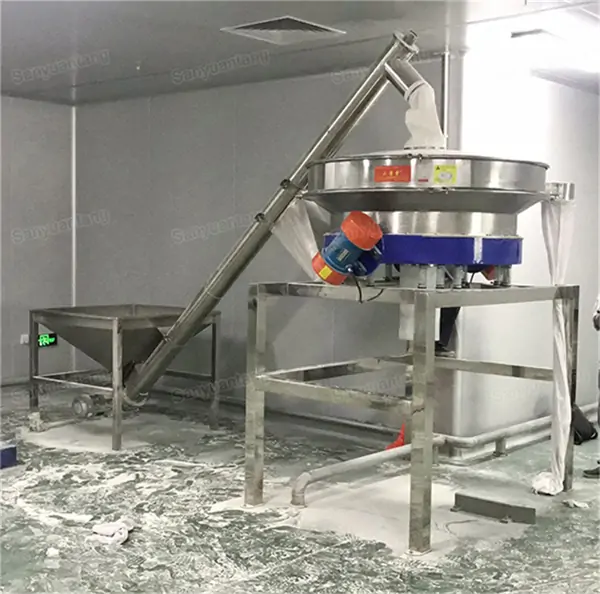
Rotary vibrating sieve
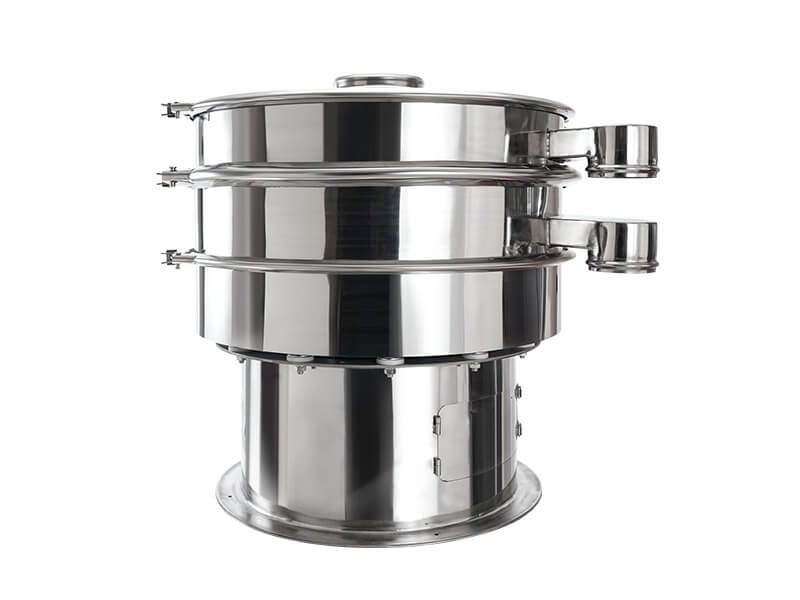
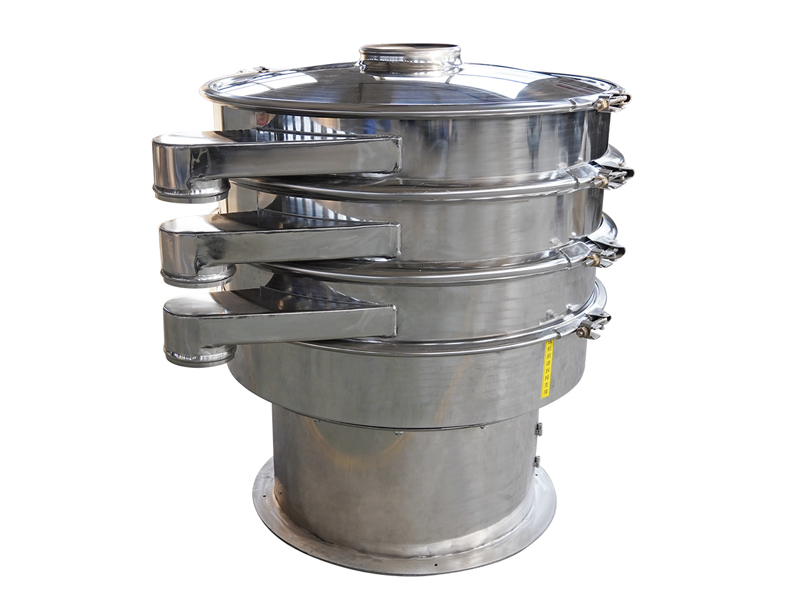
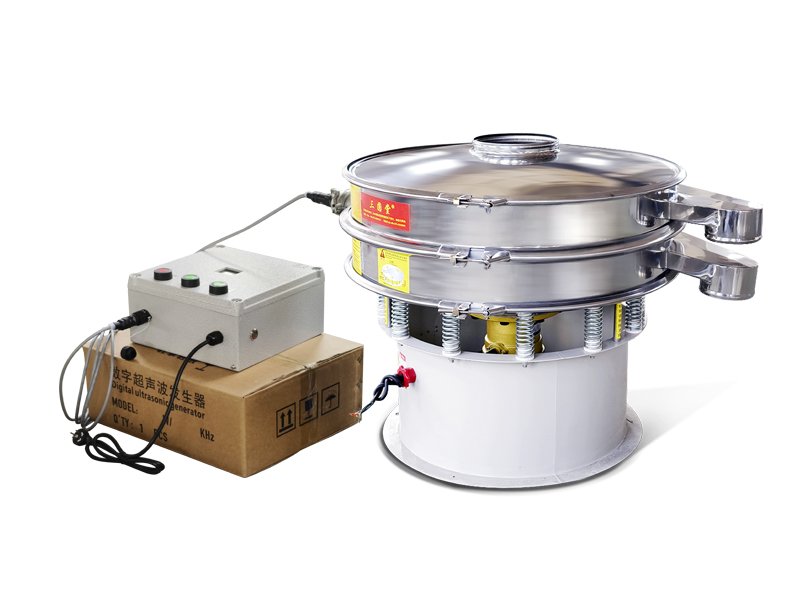
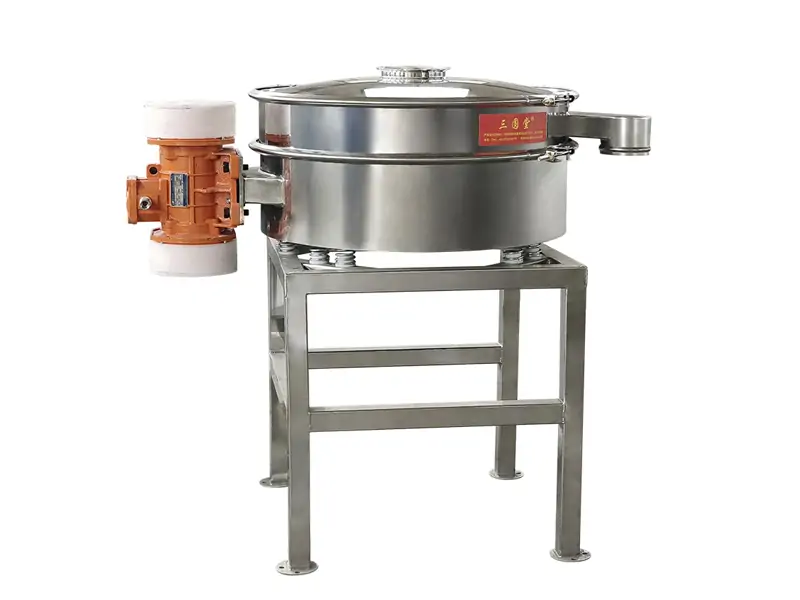
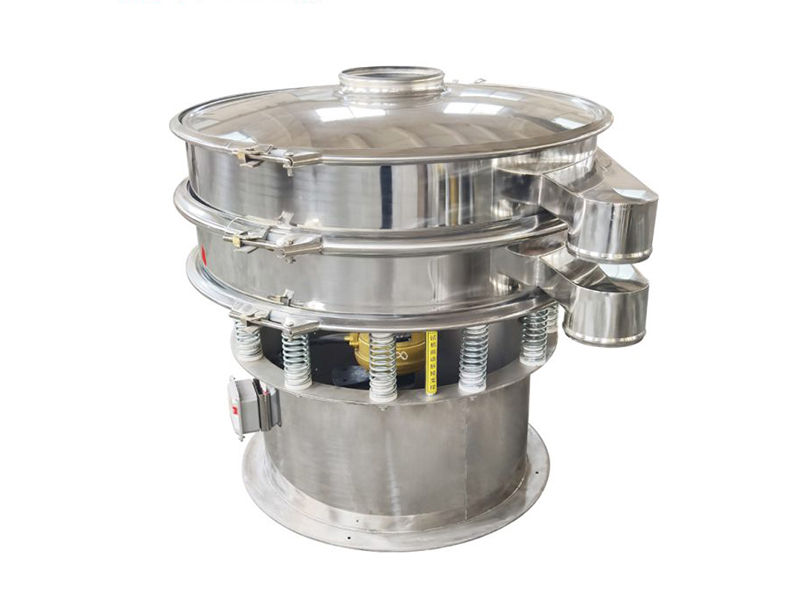
Rotary vibrating sieve is the most common type of sieving machine, it is the use of counterweight on the motor shaft, simple adjustments and the three-dimensional vibration they produce to screen the material, can be used to remove the crushed or too small size of the product, can be provided in a single operation of up to 5 levels of grading to achieve a precise particle size distribution, screening up to 500 mesh. Different configurations of screeners can be selected according to the characteristics of the screened material, such as mobile, ultrasonic screen cleaning, direct drainage, slurry high-frequency type, water jet type, gate type, etc.

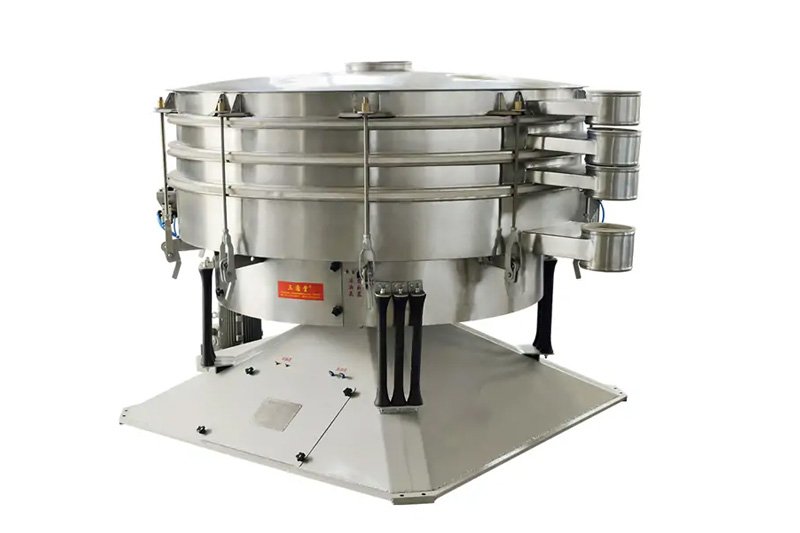
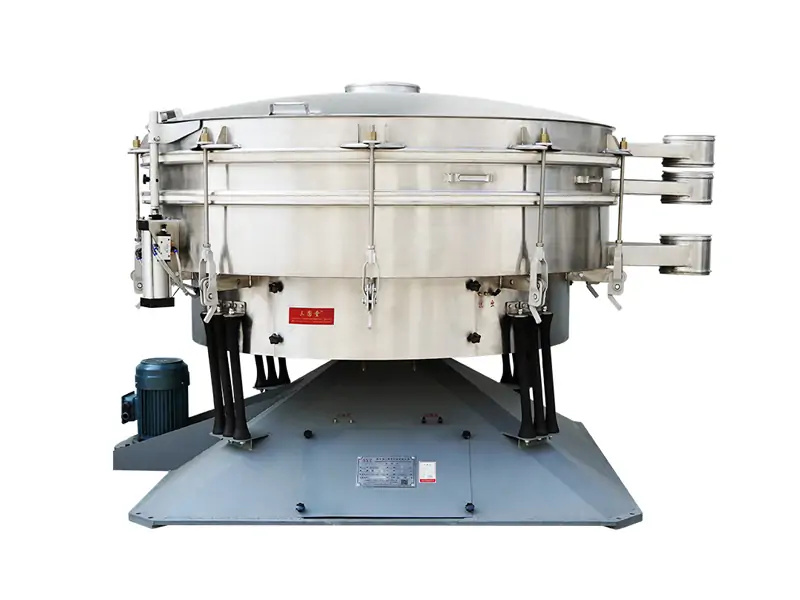
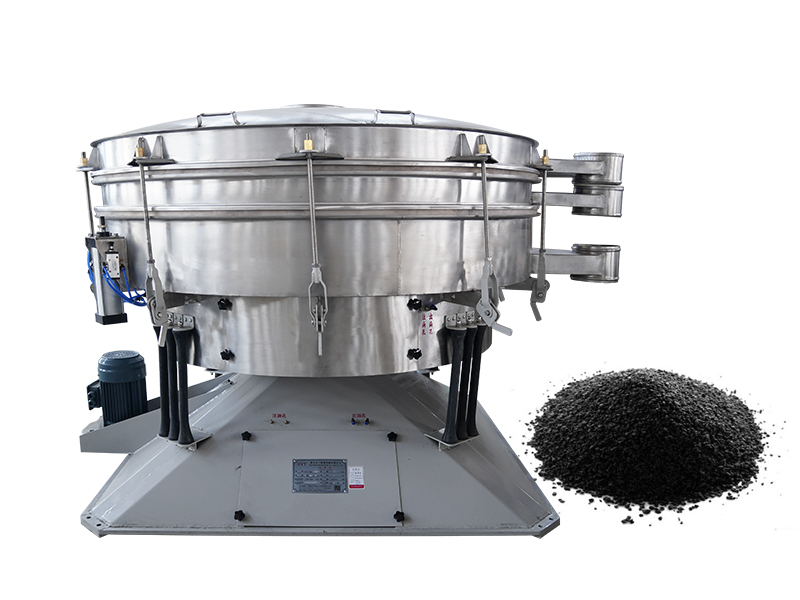
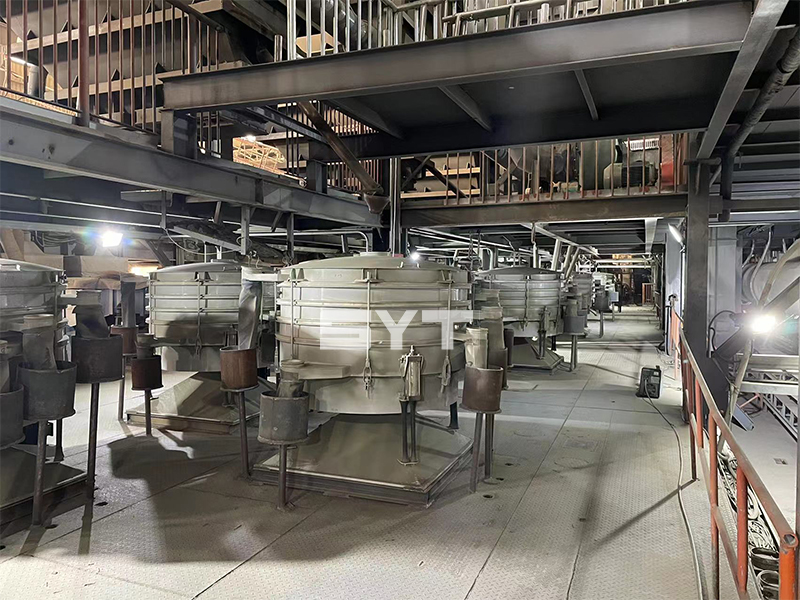
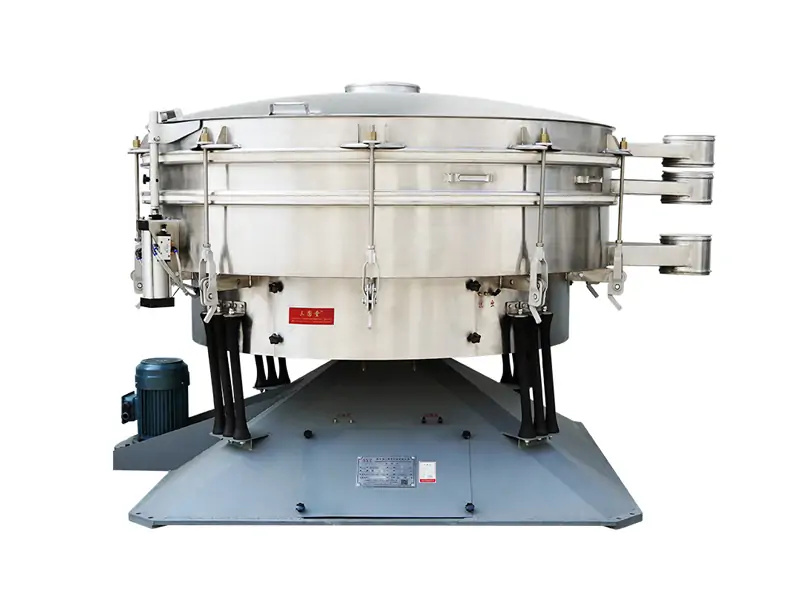
Circular Tumbler Screen
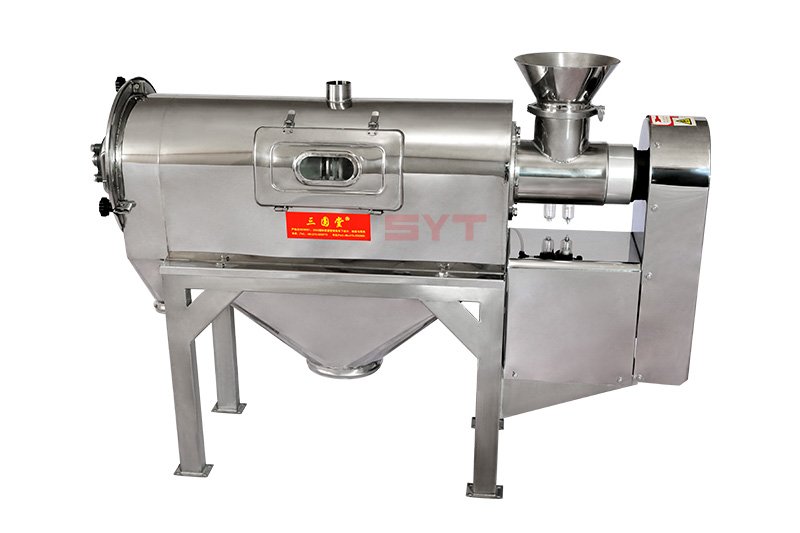
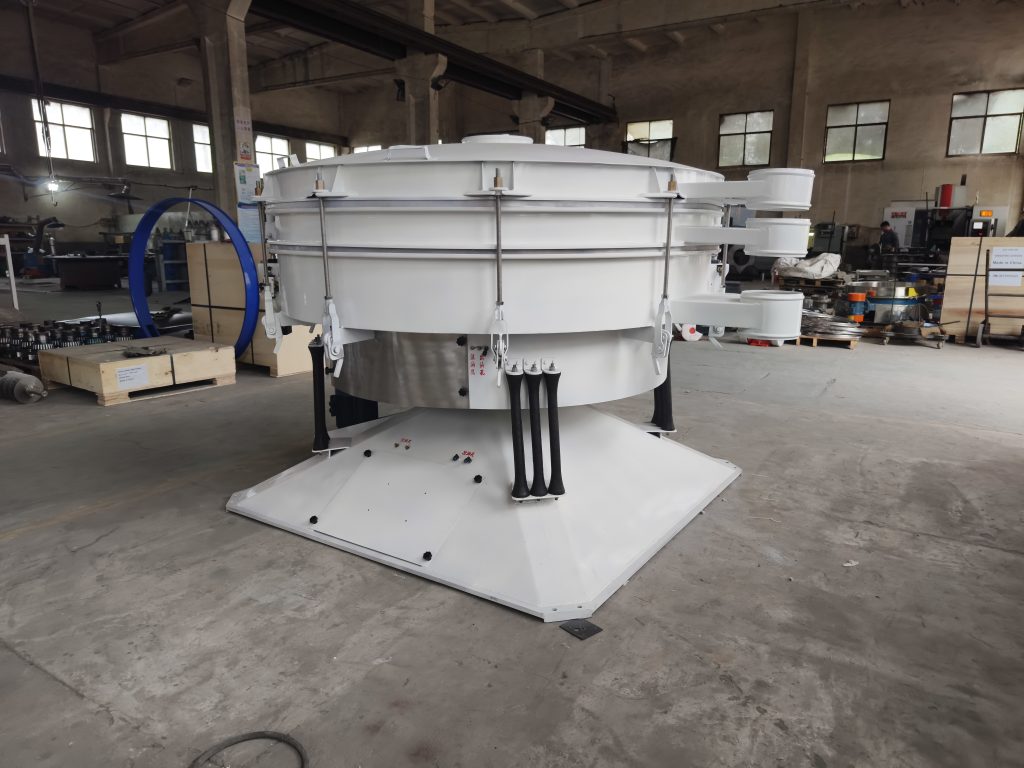
Circular tumbler screening machine adopts the principle of imitating artificial sieving, used to accurately separate 1-6 levels of powder particles, usually used for dry, powdery, granular products screening, grading and dust removal, especially for fine, brittle, light and other difficult to sieve products. It can be optionally equipped with different screen-clearing devices, such as a bouncing ball, a rotary brush, ultrasonic screening, etc., to effectively avoid material clogging. Widely used in food, medicine, chemical and high-performance materials (plastics) and minerals, suitable for feed capacity from 10 kg/h to 40 t/h.
Linear vibrating screen
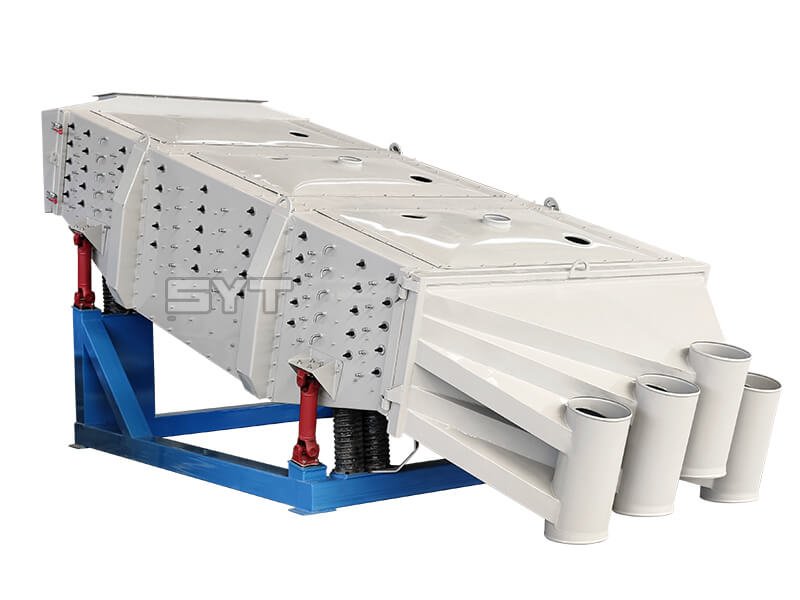
A linear vibrating screen is to screen and move the product along a straight line, so the use of rectangular screen mesh allows the product more time to pass through the grid. The line screen can also be effective in transporting the product, and sometimes can be used to replace the traditional conveyor. This is because their length allows fine products the opportunity to separate from larger particles and fall through the screen. This makes linear vibrating screens particularly suitable for dusting or dewatering operations, such as removing small loose crumbs and flour from finished biscuits.

Linear Swing Vibrating Screen Machine
Linear Swing Vibrating Screen Machine is used for sorting and separating materials at different stages of the crushing process, a kind of sieving machine, providing single-deck, double-deck and triple-deck configurations, which is suitable for screening sand and gravel materials in quarries, and also can be used for grading products in coal beneficiation, mineral processing, building materials, electric power, chemical industry and other industries.

The above is the introduction of different sieving machine, please according to the purpose, screening products, output and mesh requirements and other circumstances reasonably.
Vibrating Sand Sieving Machine
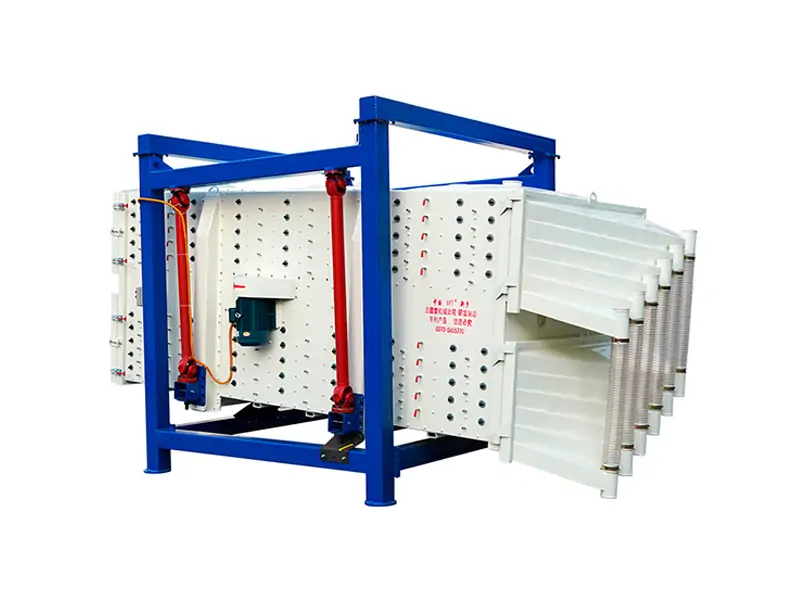
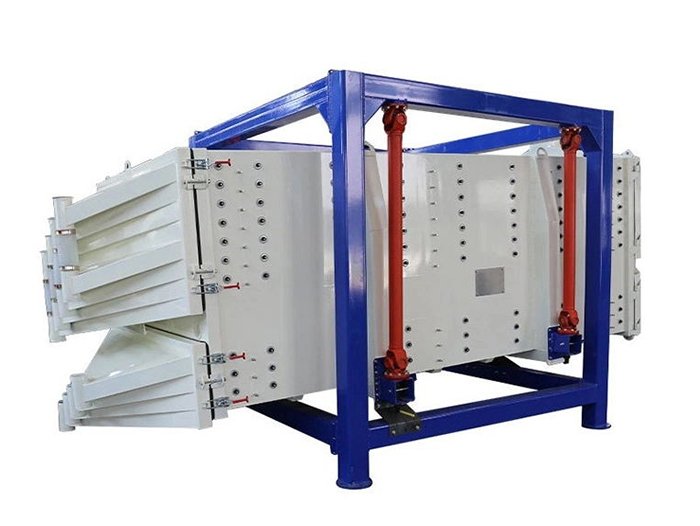
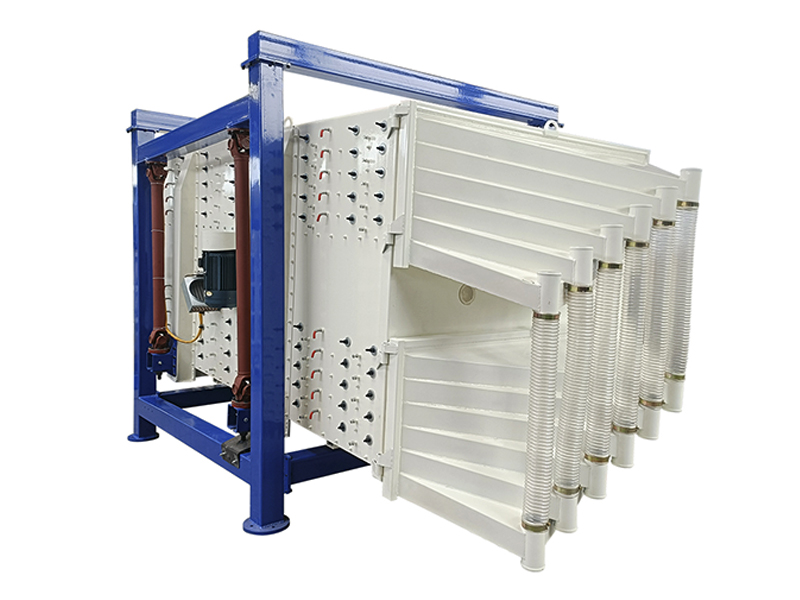
The square gyratory screen is a high-volume, high-precision screening equipment, which is usually used for screening and grading of fine materials. Unlike the traditional circular tumbler screen, the screen mesh of the square tumbler screen is flat and square or rectangular rather than cylindrical. This design makes the square tumbler screen have higher screening efficiency and better screening effect when dealing with fine materials. Applicable materials: fracking sand, silica sand, mica powder, coal, iron ore, limestone, sand and gravel, copper ore and so on.

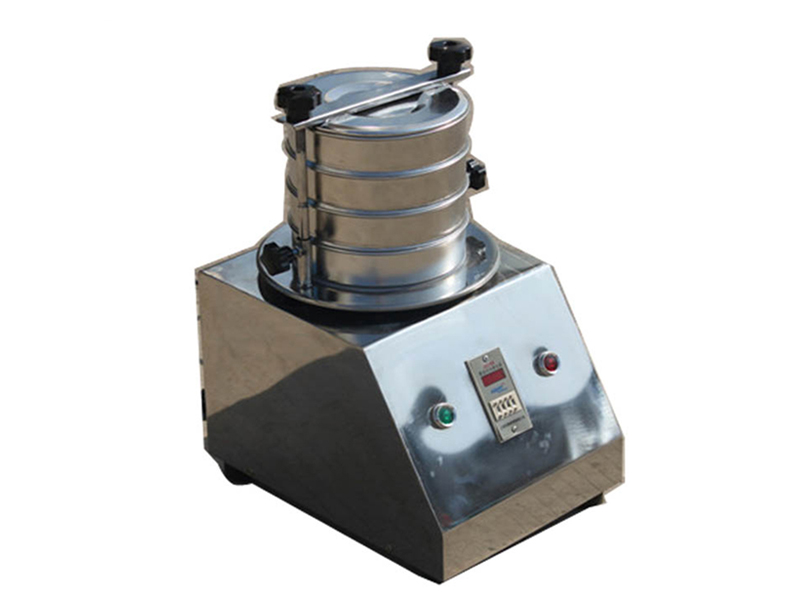
Laboratory Sieving Machine
Laboratory Sieving Machine separators are mainly used in laboratories to classify and analyse the particle size of powders, granules and suspensions. Samples of different sizes are separated by sieves of different sizes, which can quickly and efficiently measure sizes from 125 mm to 20 μm, and can be stacked with 8 layers of sieve frames (including receiving trays).

Conclusion:
The above is the introduction of different sieving machine, please according to the purpose of screening products, production, mesh requirements and other circumstances, for reasonable selection.
Sanyuantang is a vibrating sieving machine supplier and manufacturer in China. We have focused on providing whole screening and conveying solutions for 30 years. In terms of screening technology, our equipment has been awarded US patent authorisation and more than 40 domestic patent certifications. At the same time, we have also obtained ISO quality management system certification and EU CE safety certification for the international market. Our factory produces a full range of sieving machinery products, which are widely used to remove and classify various powder and granular materials. The sieving machine can be customised in design and production according to your needs.
Email: info@sanyuantang.com
Phone: +86-18639095165