Vibrating Screen Springs
What Are Vibrating Screen Springs?
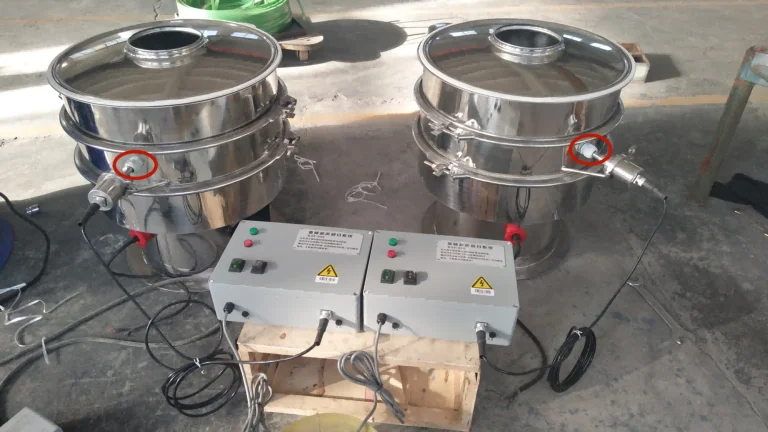
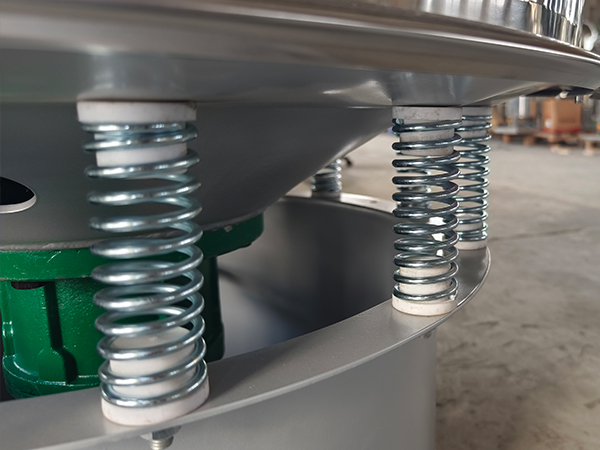
A vibrating screen consists of a screen box, vibrating motor, and suspension springs. Suspension springs play a critical role in the design of vibrating screens. Vibrating screen springs act as buffers during operation, allowing material to move smoothly on the screen surface without damaging the equipment.
Spring behavior varies with machine structure. The specific role of damping springs in rotary vibrating screens should be considered together with bouncing-ball cleaning and routine inspection.
Key Benefits of Vibrating Screen Springs
Common elastic components offer good stability, low noise, long service life, high load capacity, and excellent vibration and noise isolation. They are widely used in various vibrating equipment.

Types of Vibrating Screen Springs
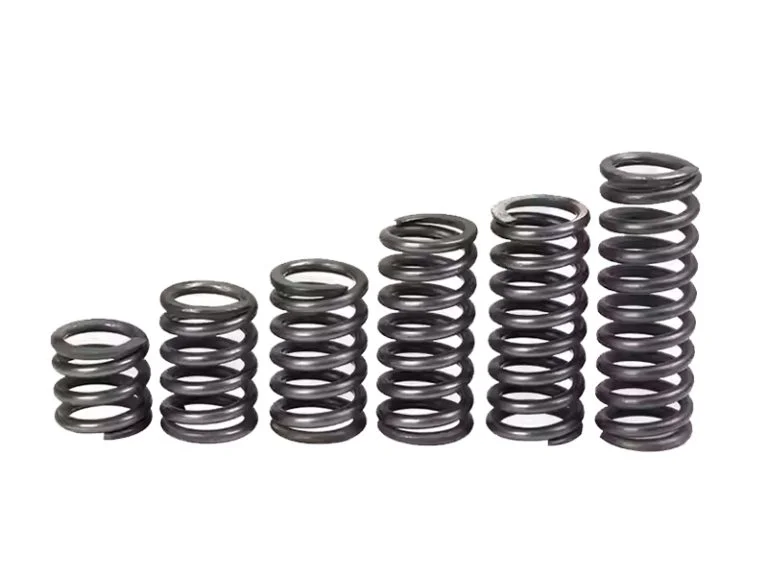
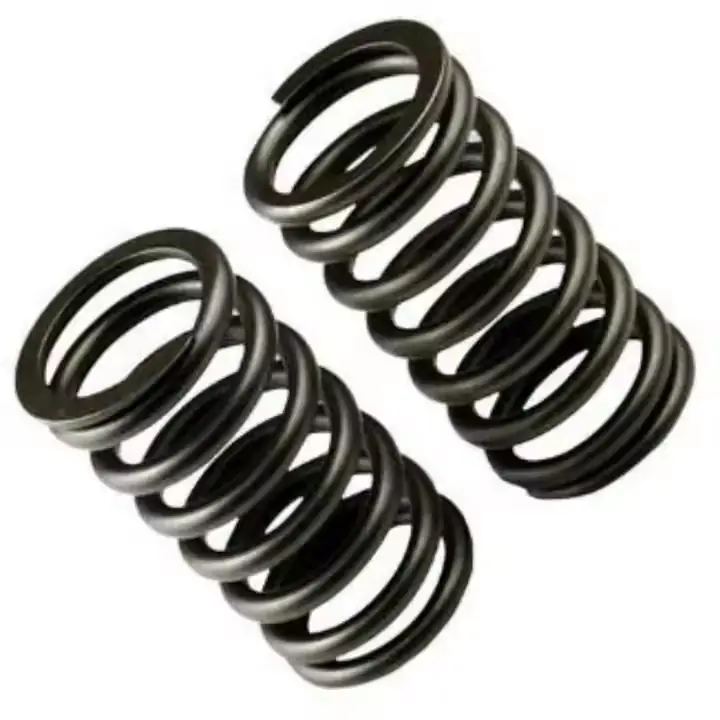
Steel Wire Compression Springs
Structure: Helical compression springs made of spring steel, with gaps between coils. They compress under load and store deformation energy.
Features: High load capacity, high stiffness, long service life, good high and low temperature resistance, stable operation, but vibration isolation is average.
Application: Suitable for small and medium vibrating screens (such as circular vibrating screens and linear screens), especially in dry and non-corrosive environments.
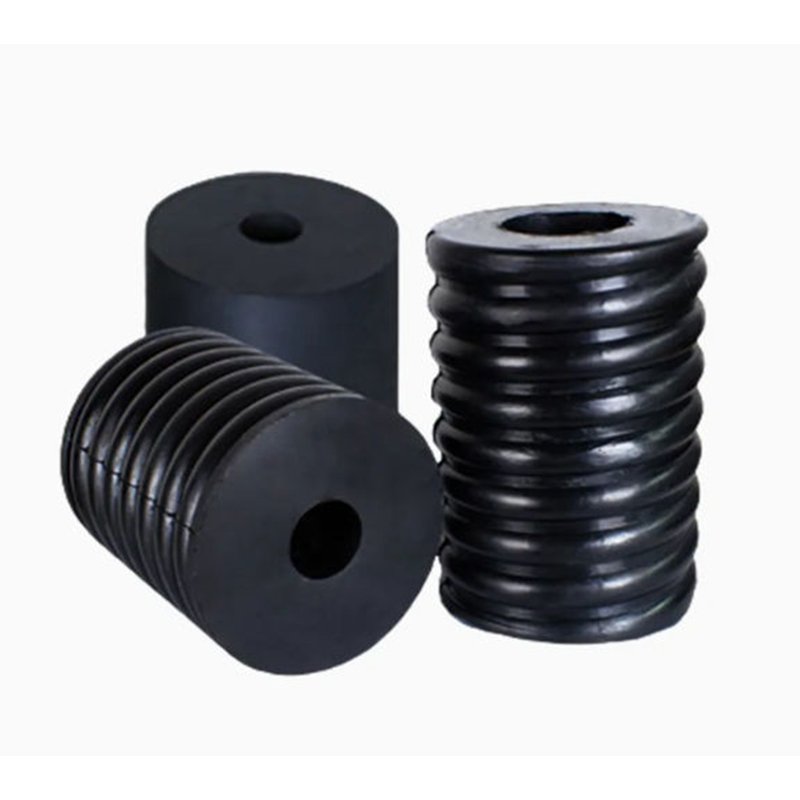
Rubber Springs
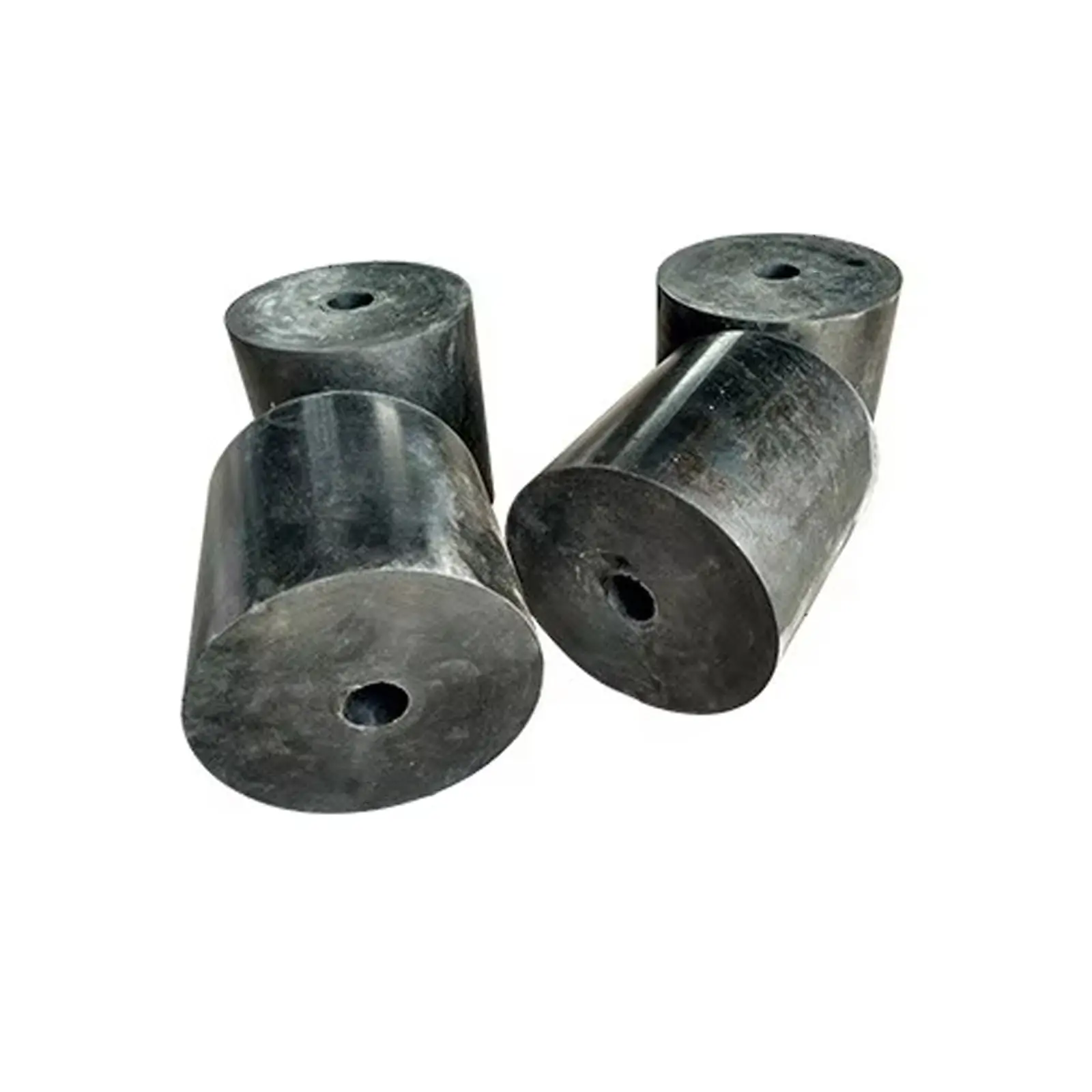
Structure: Made of natural or synthetic rubber, available in cylindrical, conical, and other shapes.
Features: Low elastic modulus, large deformation under load, excellent vibration and noise reduction, strong corrosion resistance, capable of handling multi-directional loads, but poor high temperature and oil resistance, low cost, easy maintenance.
Application: Widely used in food processing, chemical industries, and other environments sensitive to noise or corrosion, as well as small and medium vibrating screens.
Composite Springs (Metal-Rubber)
Structure: Metal helical spring and rubber vulcanized together, with an outer rubber layer and an inner metal spring.
Features: Combines the high load capacity of metal springs with the vibration and noise reduction of rubber springs. Can handle heavy loads and large deformations, smooth operation, short time through resonance zone, but complex structure and higher cost.
Application: Ideal for heavy-duty vibrating equipment in mining, metallurgy, coal, and other industries, such as heavy vibrating screens and vibrating feeders.

Features and Applications of Vibrating Screen Springs
Load Capacity and Vibration Isolation
Different types of springs have various load capacities. Choosing the right spring can significantly improve the efficiency and service life of vibrating screens.
Environmental Suitability
Steel wire compression springs are suitable for dry environments; rubber springs are suitable for humid or corrosive environments; composite springs balance load capacity and vibration isolation.
Industry Applications
Widely used in vibrating screens and vibrating equipment in mining, metallurgy, coal, chemical, and food processing industries.
Selection Guide for Vibrating Screen Springs
Small Vibrating Screens
Prefer steel wire compression springs or rubber springs for lower cost and easier maintenance.
Large Vibrating Screens
Composite springs are recommended to balance load capacity and vibration isolation.
Corrosive or Humid Environments
Rubber springs or composite springs are better choices.
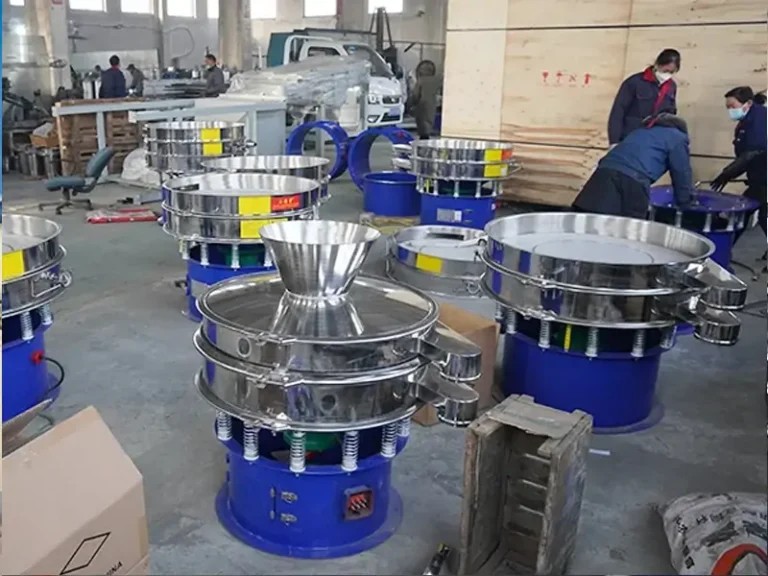
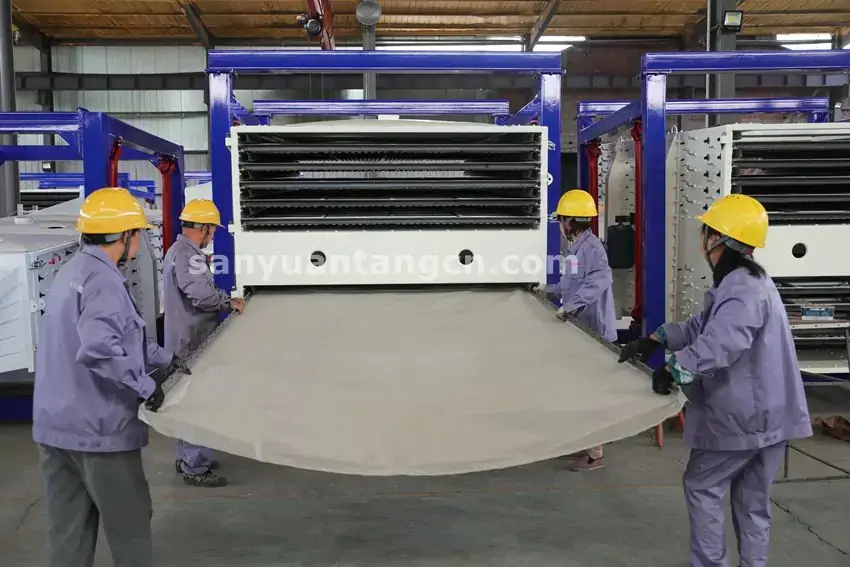
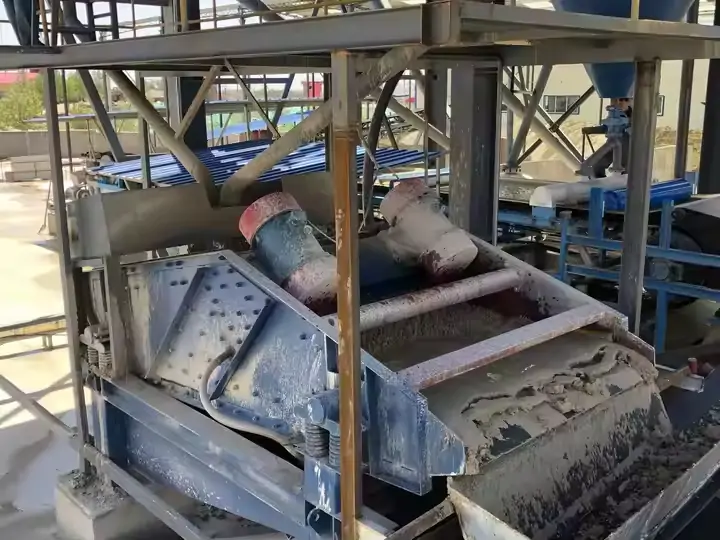
Why Choose Sanyuantang for Vibrating Screen Springs
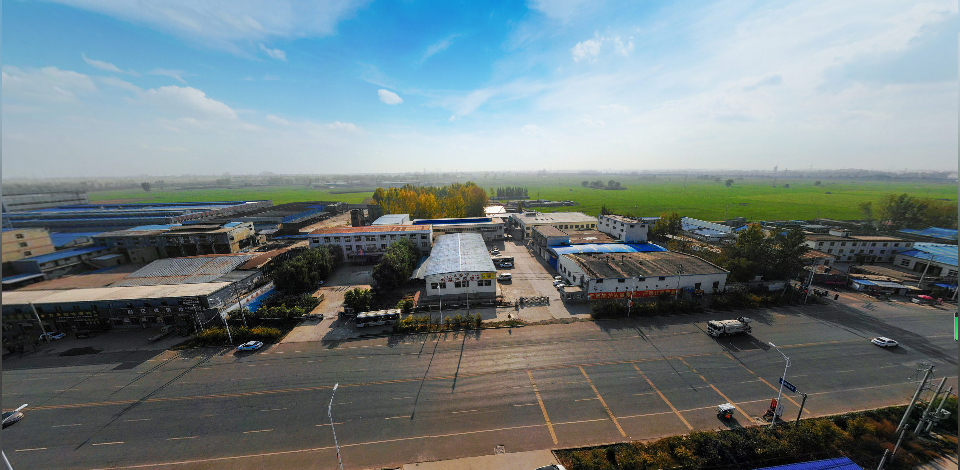
Sanyuantang Machinery has over 30 years of manufacturing experience, providing professional technical support and the latest selection solutions to help customers choose the most suitable vibrating screen springs.
Email: info@sanyuantang.com
Phone: +86-18639095165