In the field of solid waste recycling, materials are no longer simple ores or powders. Recycling screening equipment must handle inconsistent particle shapes (such as waste plastic flakes), uneven bulk densities (such as electronic waste), and high-dust environments. Selecting the right recycling screening equipment is not just about classification; it is about increasing the purity of raw materials for subsequent processing. An effective screening solution must balance screening accuracy and processing capacity.
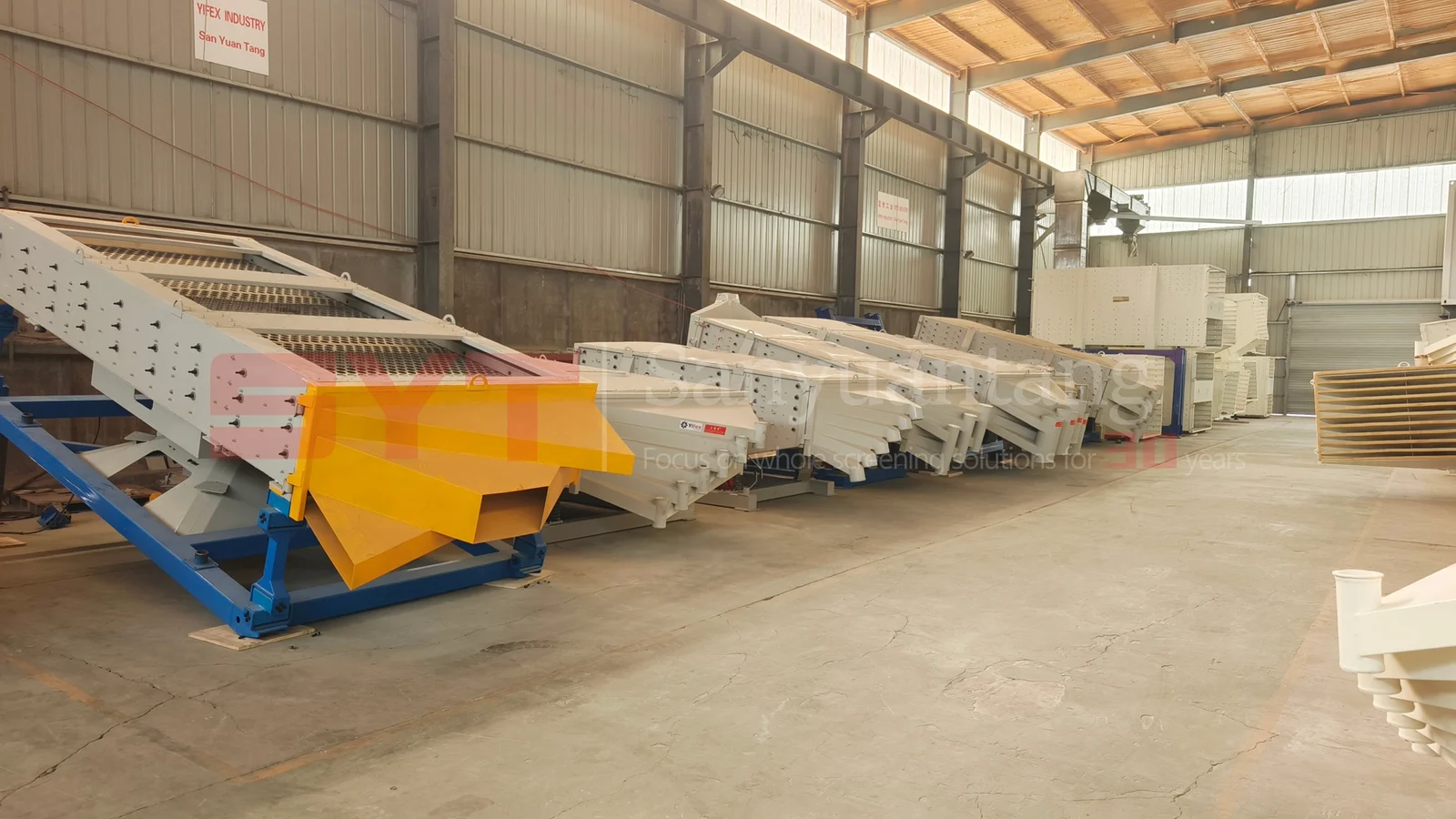
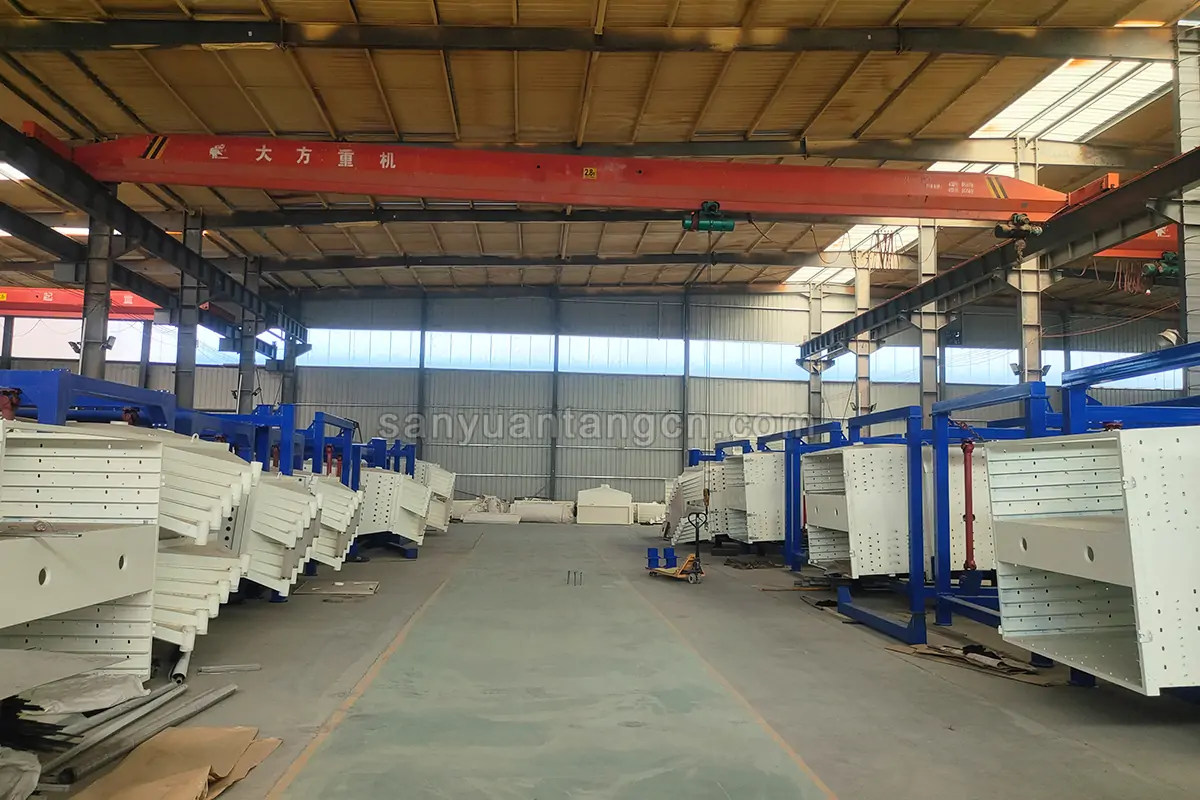
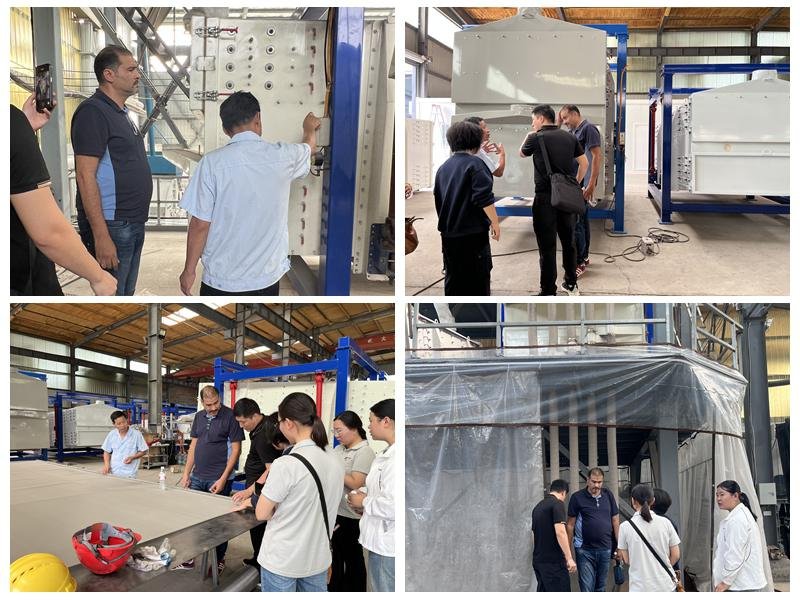
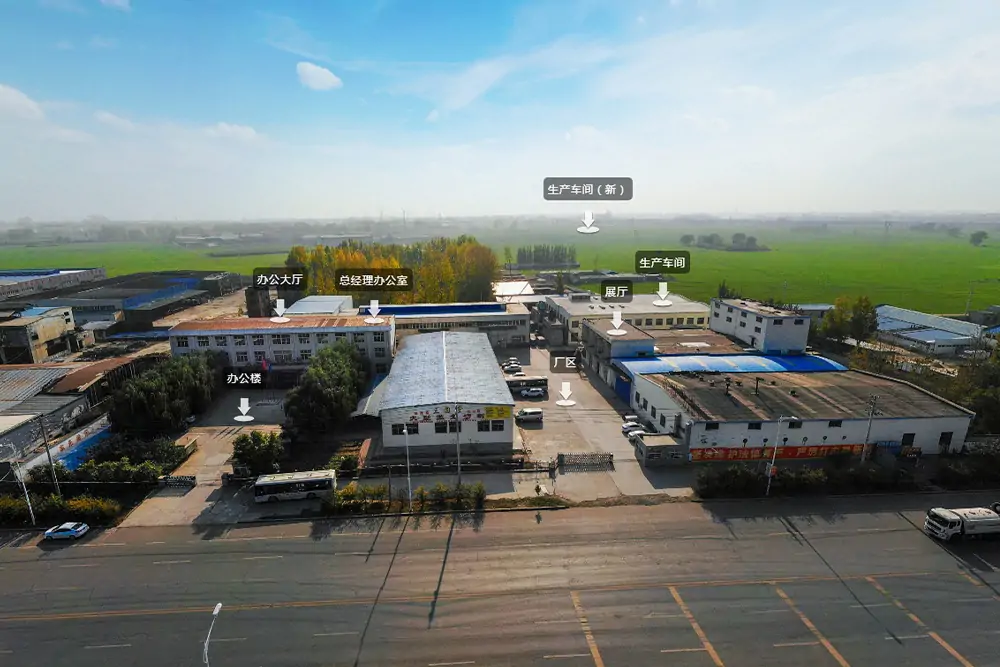
With over 30 years of manufacturing experience, Sanyuantang Machinery combines technical expertise to analyze how precision equipment selection can solve these industry pain points.
Core Challenges of Recycling Screening Equipment (Customer Pain Points)
When consulting on recycling equipment, our engineers typically focus on the following four technical dimensions:
- How to prevent mesh blinding? Especially when processing electrostatic plastic powders or moist construction waste.
- How to improve the recovery rate of ultra-fine powders? For fine particles below 100μm, ordinary screening machines are extremely inefficient.
- What is the durability of the equipment under high loads? Recycling plants often require 24-hour continuous operation.
- How to balance screening accuracy and output?
Below, we analyze how Sanyuantang Machinery’s commonly used screening equipment addresses these issues.
Five Core Types of Recycling Screening Equipment
Based on Sanyuantang’s technical features, the following five solutions solve specific recycling challenges:
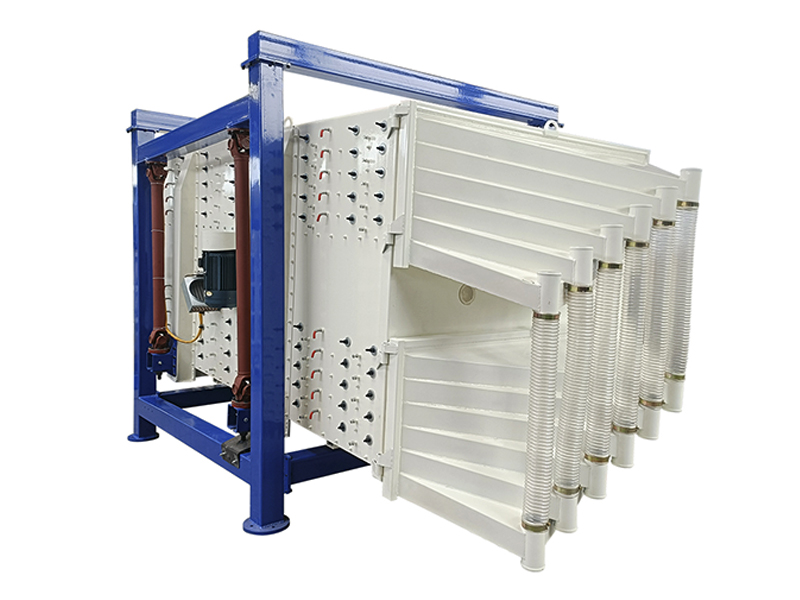
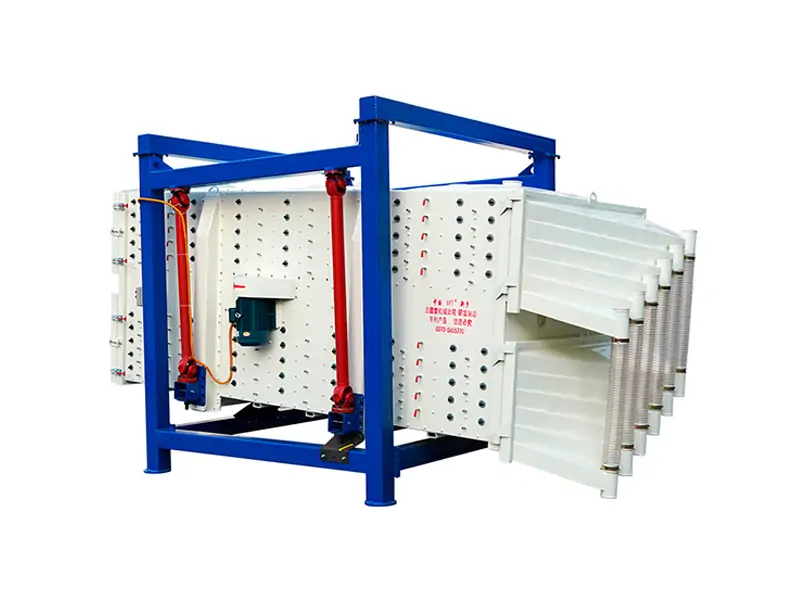
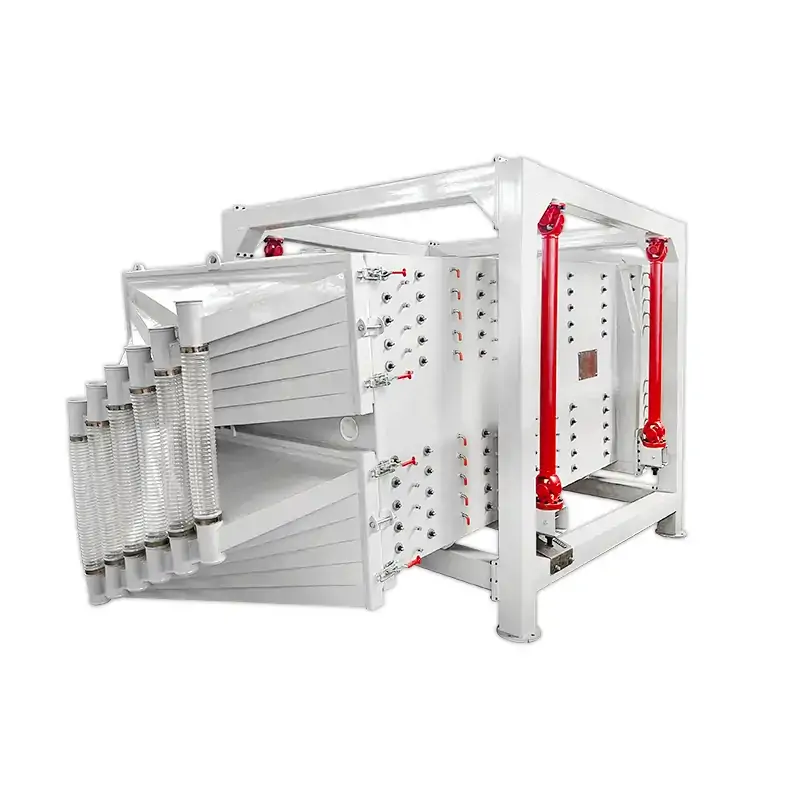
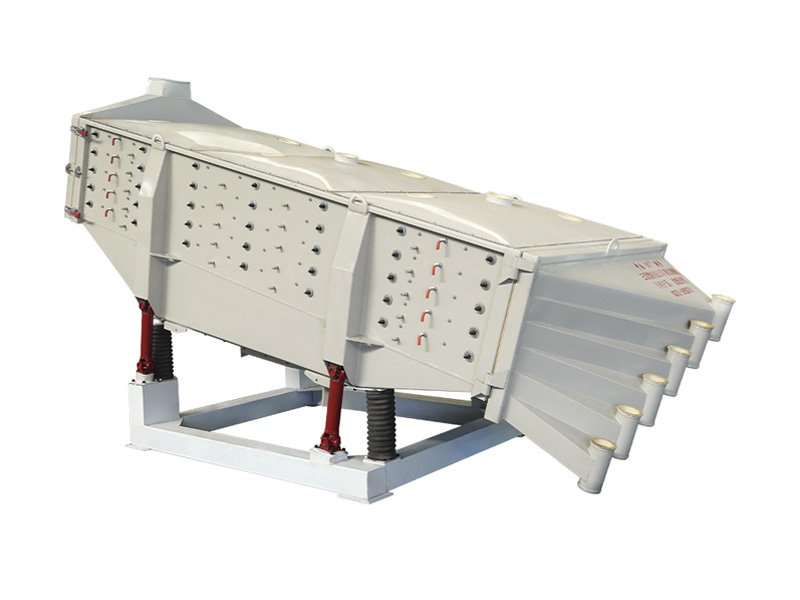
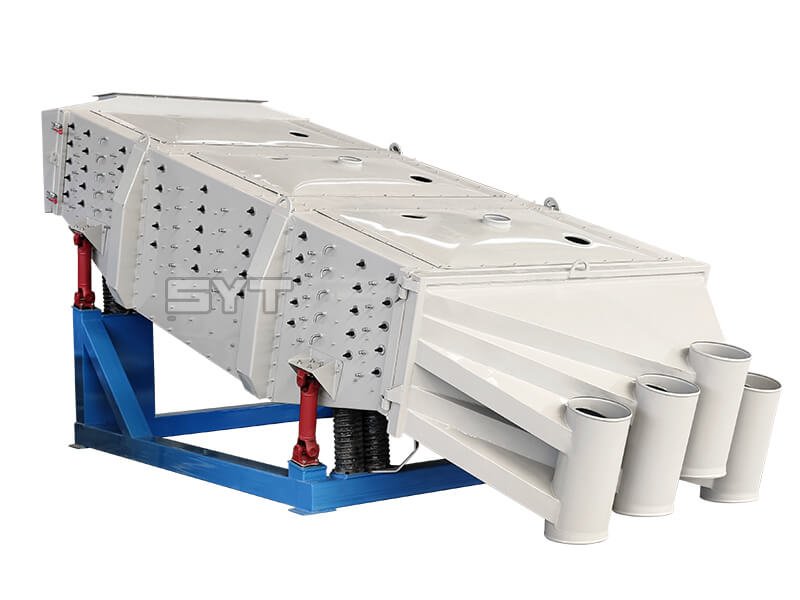
Square Gyratory Vibrating Screen: High-Capacity Solid Waste Pre-treatment
- Application: Suitable for large-particle, high-capacity scenarios such as construction waste recycling and wood chip screening.
- Technical Advantage: Utilizes a horizontal reciprocating gyratory motion, ensuring materials stay on the screen surface longer. This fully balanced design reduces impact on plant structures and is ideal for multi-layer continuous grading.
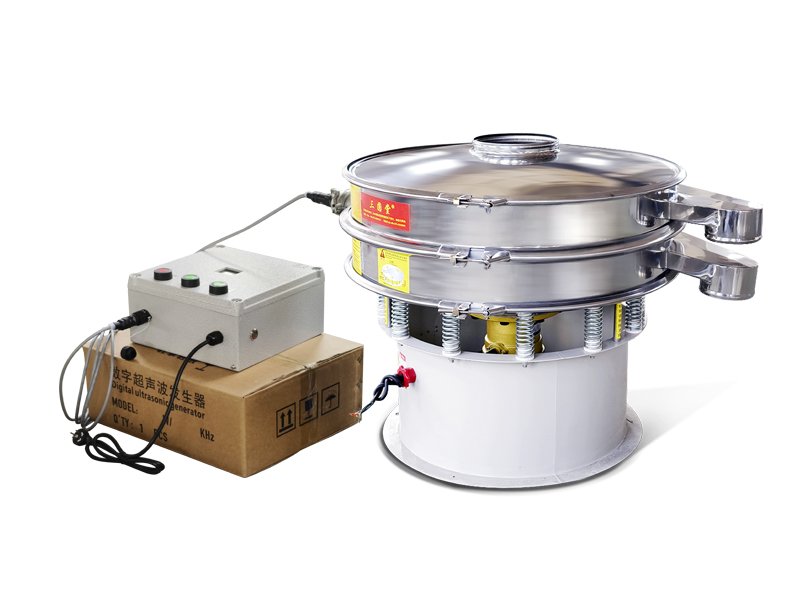
Ultrasonic Vibrating Screen: Solving Clogging in Fine Powder Recovery
- Application: Waste battery material recovery (e.g., graphite powder, lithium battery cathode/anode materials) and fine chemical powders.
- Technical Advantage: Incorporates an ultrasonic transducer to break the adhesion and static between materials via high-frequency vibration. This completely solves the mesh blinding issue, making the recovery of fine powders more precise.
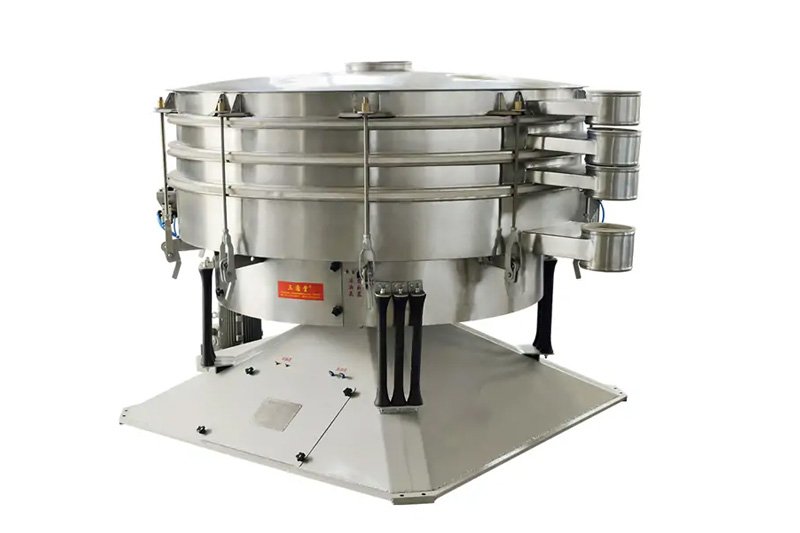
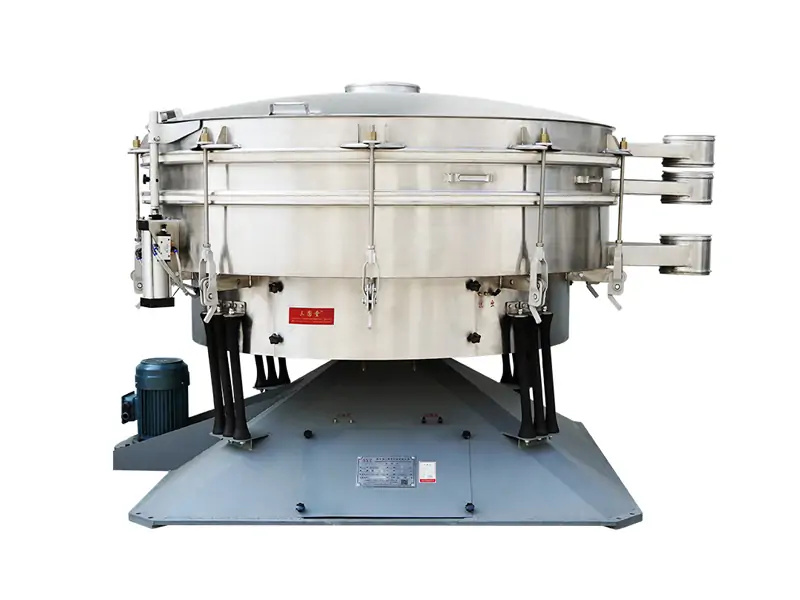
Tumbler Screening Machine: Gentle Protection with Biomimetic Screening
- Application: Fragile material recovery, such as certain plastic granules or specific recycled chemicals.
- Technical Advantage: Simulates “hand screening” with a tumbling motion and extremely low acceleration. It effectively protects the physical properties of materials while maintaining high screening efficiency, especially for irregular shapes.
Gyratory Screen: A Precision Grading Tool
- Application: Fertilizer recovery and large-scale industrial raw material re-processing.
- Technical Advantage: Its unique gyratory motion ensures consistent screening performance from the inlet to the outlet.
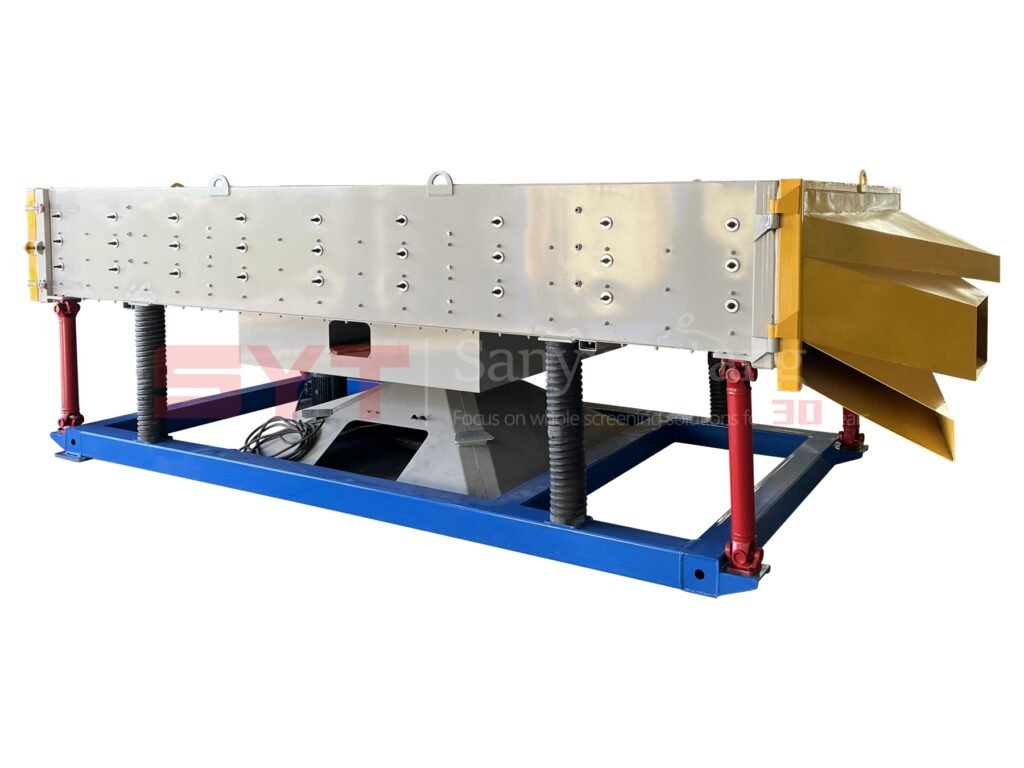
Linear Swing Vibrating Screen Machine: Efficient Filtering with Linear Reciprocation
- Application: Metal recovery and slag reuse.
- Technical Advantage: Combines the features of linear vibration and swing motion. The linear swing trajectory facilitates rapid material passage through the mesh and discharge of impurities, making it ideal for increasing production line automation.
Selection Guide: Matching Equipment to Material Properties
| Material Type | Key Requirement | Recommended Equipment |
| High-viscosity/Static fine powder | Prevent clogging | Ultrasonic Vibrating Screen |
| Fragile particles | Gentle screening | Tumbler Screening Machine |
| Bulk construction/wood waste | Stability and capacity | Square Gyratory Vibrating Screen |
| Multi-layer precision grading | Consistent accuracy | Gyratory Screen |
FAQs
Q1: How can I solve the mesh blinding issue of electrostatic waste plastic powder during recycling?
A: For fine powders with strong static electricity or high adsorption, we recommend the Ultrasonic Vibrating Screen. By integrating an ultrasonic transducer, the equipment converts electrical energy into high-frequency vibration waves transmitted to the screen surface. This effectively breaks the electrostatic adsorption and adhesive forces between materials, fundamentally solving the mesh blinding challenge.
Q2: Which recycling screening equipment is suitable for high-capacity pre-sorting of construction waste?
A: For large-scale, high-capacity sorting, the Square Gyratory Vibrating Screen is the ideal choice. Its fully balanced structural design supports continuous heavy-duty operation, and the horizontal reciprocating motion ensures materials are evenly distributed across the wide screen surface, meeting the extreme processing capacity requirements of recycling plants.
Q3: When recycling fragile recycled plastic granules, how can I ensure the particles are not damaged?
A: We suggest using the Tumbler Screening Machine. This equipment simulates the manual screening trajectory with extremely low acceleration and gentle motion. It minimizes mechanical impact on the material, perfectly protecting the physical shape of recycled granules while maintaining high screening efficiency.
Q4: Can Sanyuantang screening equipment support 24/7 continuous production?
A: Yes. Our equipment, such as the Gyratory Screen and Square Gyratory Vibrating Screen, is designed specifically for the harsh environments of industrial recycling. By optimizing counterweight designs and reinforcing the base structure, the machines operate stably with low failure rates, fully meeting the durability requirements of recycling facilities.
Q5: Why are ordinary vibrating screens inefficient for metal slag recovery below 100μm?
A: Fine particles on ordinary screens often float on the surface due to their light weight or agglomerate due to surface tension. Sanyuantang’s Ultrasonic Vibrating Screen or Linear Swing Vibrating Screen Machine increases the penetration force of materials through the mesh by altering vibration trajectories and frequencies, significantly improving the screening accuracy for ultra-fine particles.
Q6: How do I determine the most suitable particle size distribution solution for my recycling line?
A: Due to the complexity of recycled materials, we recommend contacting the Sanyuantang technical team. Based on your material’s bulk density, moisture content, and target output requirements, we will compare the advantages of different trajectories like gyratory motion and linear swing to customize a professional vibrating screen solution for you.
About Sanyuantang
Sanyuantang focuses on technical R&D in the industrial screening field, providing professional vibrating screen solutions for the global recycling industry. Our machines improve customer ROI while ensuring the production process remains environmentally friendly.
Conclusion
Selecting the right recycling screening equipment is not about choosing the most expensive option, but about precisely matching technical parameters with the physical properties of the material. Applying specific screening technologies for different particle size distributions is the key to achieving high-conversion recovery.
If you are facing similar selection challenges, contact our technical team now for professional guidance.
Email: info@sanyuantang.com
Phone: +86-18639095165