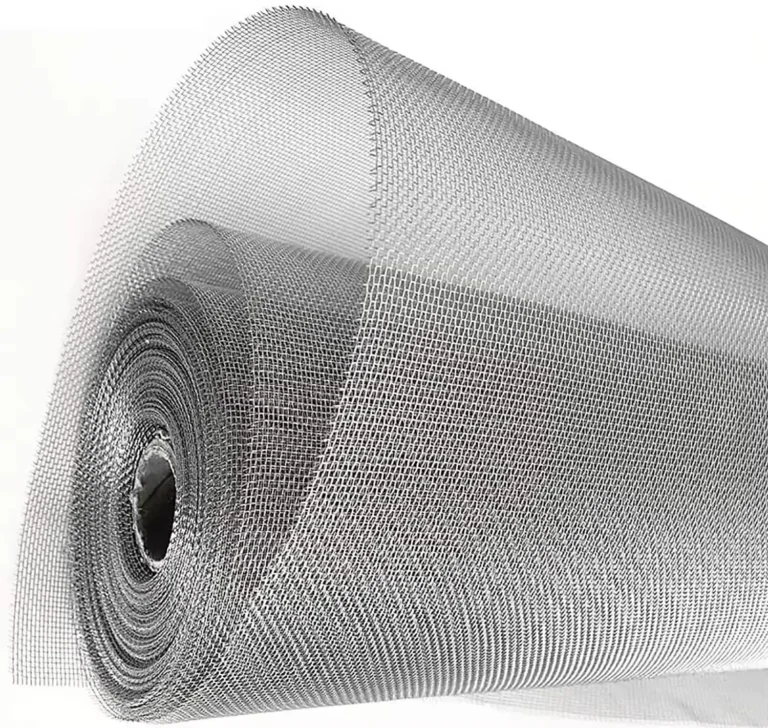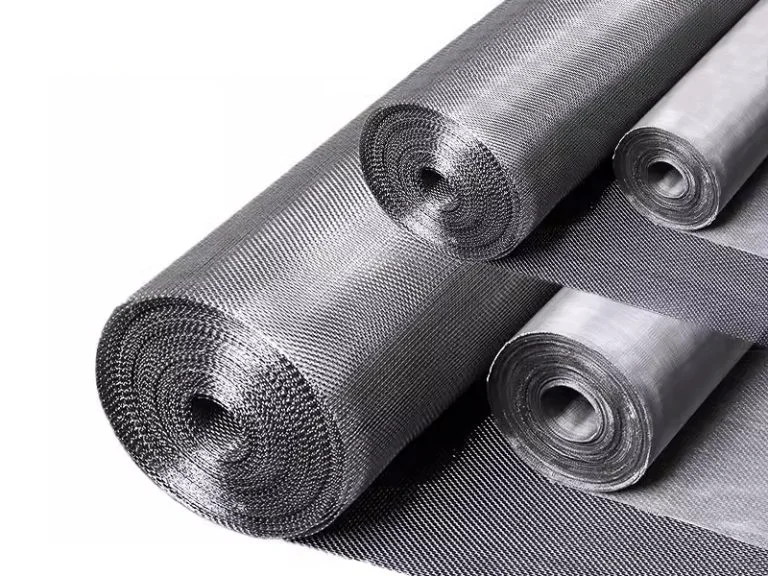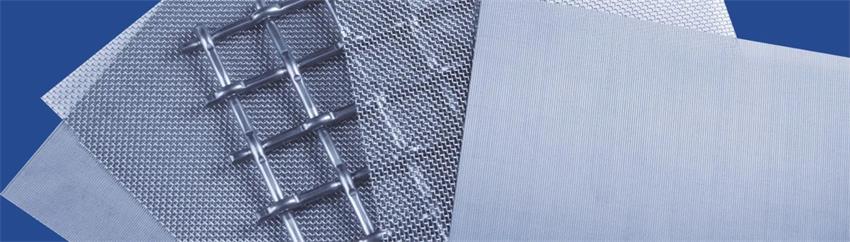
Introduction
After long-term operation, the screen mesh is one of the components that most often requires attention on a vibrating screen. During continuous screening, materials repeatedly impact and rub against the screen surface, while constant vibration can gradually cause problems such as wear, clogging, loosening, or deformation.
In many cases, a decline in screening performance is not caused by the machine itself. The actual problem may be that the screen mesh is no longer suitable for the current application. For example, worn mesh openings, incorrect screen mesh specifications, or improper installation can all lead to lower capacity and unstable screening results.
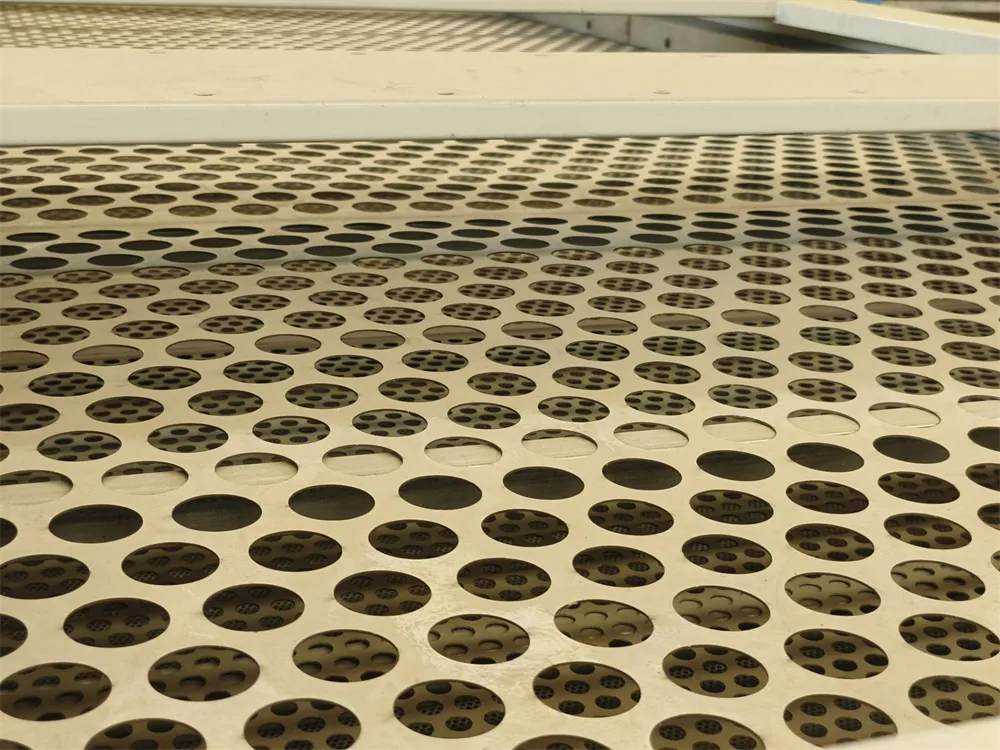
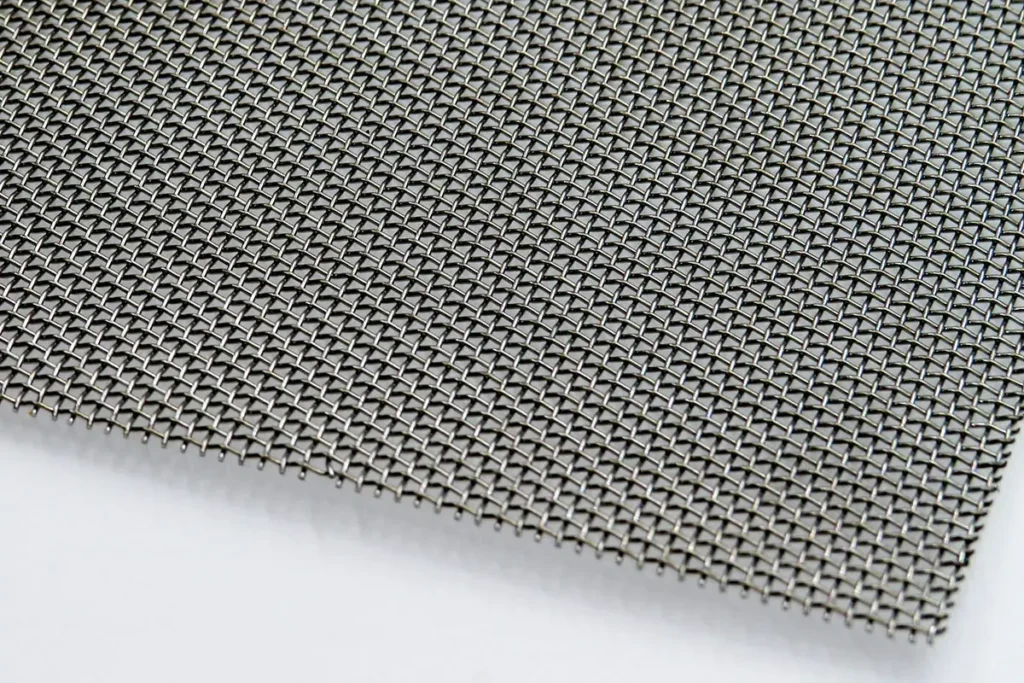
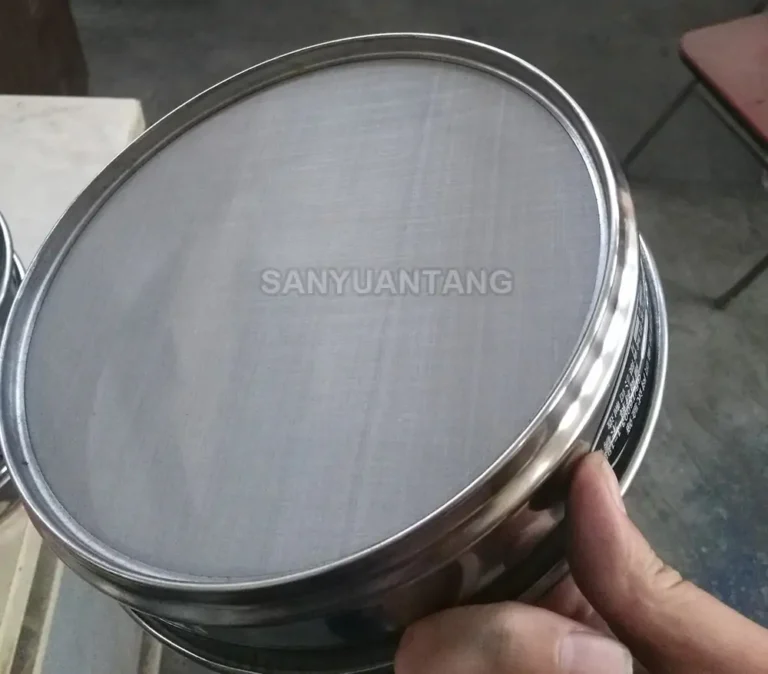
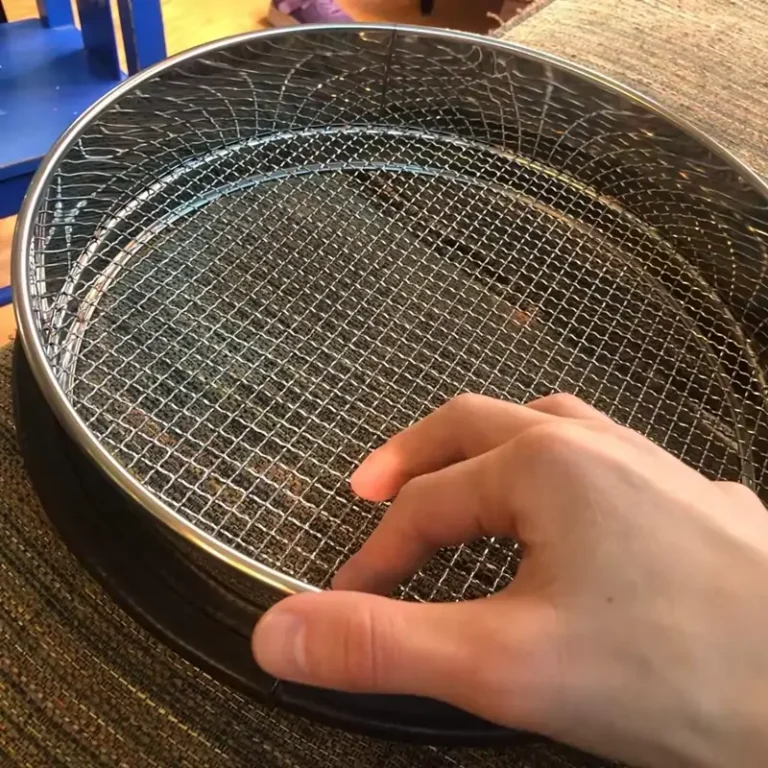
Screen mesh replacement may look like simply changing one component, but during actual operation, users often face questions such as when to replace the mesh, how to select the right replacement screen mesh, and why the screening result does not improve after replacement.
Based on our experience with screening equipment applications at Sanyuantang, we have found that many customers still experience problems such as mesh clogging, fast wear, or unstable screening performance after replacing the screen mesh. Therefore, this article explains the key points of vibrating screen mesh replacement based on common operating situations.
When Should You Replace Vibrating Screen Mesh?
Screen mesh is a wearing part, but replacement is not always required when a problem appears. Some issues are caused by material buildup or mesh blockage and can be solved through cleaning. Other situations are caused by actual mesh wear, where continued operation will gradually affect screening performance.
The decision to replace the screen mesh mainly depends on whether the current mesh condition can still meet the required screening target.
1. Screen Mesh Is Damaged or Severely Worn
During screening, the mesh surface is continuously exposed to material impact and friction. This is especially common when handling abrasive materials such as quartz sand and mineral ores. After long-term use, problems such as broken wires, enlarged openings, or local wear may appear.
During our troubleshooting work on screening equipment, we usually check the wear position of the screen mesh first. In many cases, the entire screen surface does not fail at the same time. The area receiving stronger feeding impact usually shows wear earlier.
The equipment may continue running, but the screening result has already started to change. For example, oversized particles may enter the final product, or the separation between oversize and undersize materials may become unstable.
If the problem is only material buildup or mesh blockage, cleaning may restore performance. However, when screen wires are broken or mesh openings have clearly expanded, replacing the screen mesh is usually required.
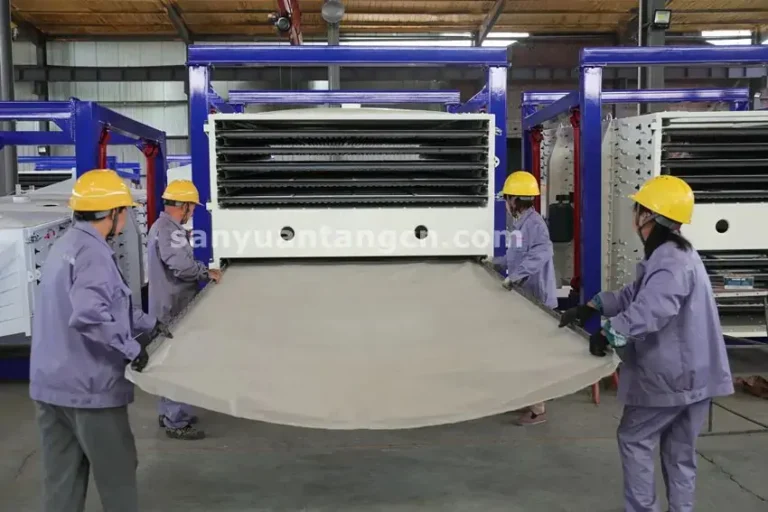
2. Screening Performance Becomes Unstable
Screen mesh problems often develop gradually rather than appearing suddenly. For example, when the equipment and material remain unchanged, operators may notice reduced capacity, lower fine powder passing rate, or an increase in oversize material.
In this situation, adjusting vibration parameters alone may not solve the problem. The screen mesh condition should be checked first, including wear level, opening size changes, and whether the mesh fixing condition is still normal.
3.Screen Mesh Frequently Clogs and Cannot Recover After Cleaning
Screen mesh clogging does not always mean the mesh itself is damaged. Fine powder, wet materials, or materials with static electricity can block the openings and reduce screening performance.
In some fine powder screening applications, we have found that customers replaced new screen mesh but still experienced clogging problems. After checking the operation conditions, the actual cause was increased material adhesion, which prevented powder from passing through the mesh openings.
If cleaning can restore normal screening, the mesh may continue to be used. However, if the openings have become deformed or clogging happens again shortly after cleaning, the screen mesh specification should be reviewed.
Screen Mesh Clogging vs Screen Mesh Damage
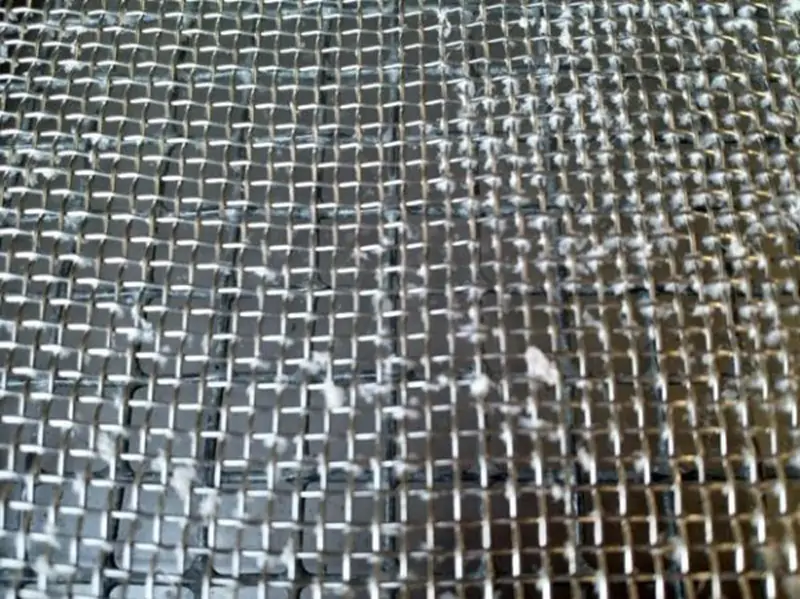
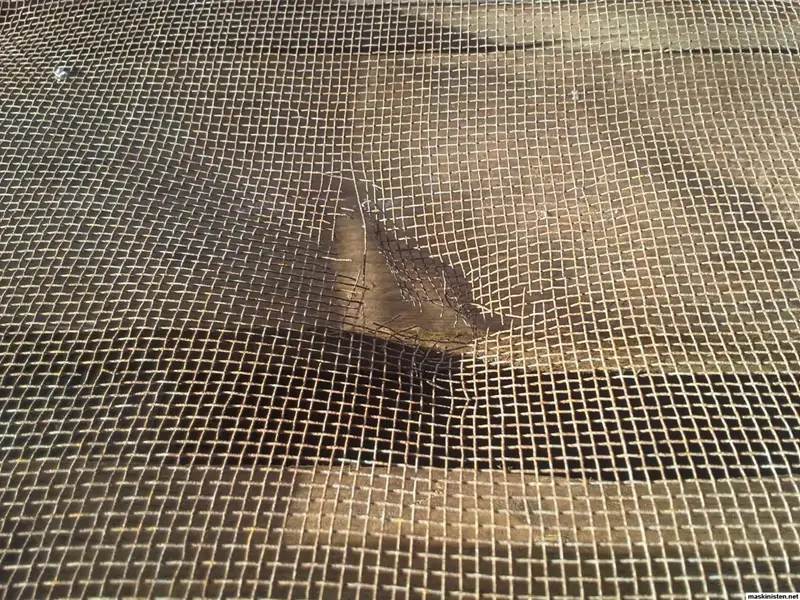
Screen mesh clogging and screen mesh damage can both reduce screening performance, but the solutions are different. Clogging can usually be solved by cleaning, while damaged screen mesh requires replacement.
| Problem | Common Signs | Solution |
| Screen mesh clogging | Mesh openings are blocked by material and performance improves after cleaning | Clean the mesh or adjust screening conditions |
| Screen mesh damage | Broken wires, deformed openings, or worn screen surface | Replace the screen mesh |
If the screen mesh is only blocked by powder, wet material, or static-related adhesion, cleaning may restore operation. However, if the mesh openings have changed or the wires are damaged, cleaning cannot recover the original screening performance and a new replacement screen mesh is required.
How to Replace Vibrating Screen Mesh?
Replacing screen mesh may seem like simply removing the old mesh and installing a new one, but in actual applications, the fixing method, installation condition, and screen structure all affect the final screening performance. Based on our experience with screening equipment applications, vibrating screen mesh replacement usually includes four basic steps: removing the old screen mesh, cleaning the installation area, installing the new mesh, and checking the equipment after operation.
Different types of vibrating screens have different replacement methods, but the main difference is usually related to the screen mesh fixing structure.
Basic Steps for Vibrating Screen Mesh Replacement
A screen mesh replacement project is not only about changing the mesh itself. If the installation is not completed correctly, a new screen mesh may still experience loosening, fast wear, or unstable screening performance.
Although replacement methods vary depending on equipment design, the general process includes the following steps.
Step 1: Confirm the New Screen Mesh and Stop the Equipment
- Before replacement, confirm that the new screen mesh specifications match the equipment, including mesh opening size, material, dimensions, and fixing method.
- The equipment should be stopped and the power supply disconnected before replacement to avoid working with running or loaded equipment.
- If the previous screen mesh had problems such as frequent clogging, fast wear, or reduced screening performance, it is recommended to review whether the mesh selection is suitable instead of simply replacing it with the same specification.
Step 2: Remove the Old Screen Mesh and Clean the Screen Frame
- Remove the fixing components according to the equipment structure, such as clamps, tension bars, or fixing bolts. After removing the old mesh, clean the remaining material from the screen frame and installation area.
- Many problems after screen mesh replacement are caused by incomplete cleaning before installation. Material buildup or debris around the screen frame and sealing area can affect the contact between the new mesh and the frame, resulting in loosening or material leakage during operation.
Step 3: Install the New Screen Mesh and Fix It Properly
- When installing a new replacement screen mesh, first confirm the correct position and then secure it according to the original fixing structure of the vibrating screen.
- The mesh should not be installed too loose or excessively tightened. Loose fixing may cause movement during operation, while uneven stress distribution can accelerate local wear and shorten screen mesh service life.
Step 4:Test Run and Check Screening Performance
- After completing the screen mesh replacement, perform a short test run to check whether the equipment operates normally.
- During testing, check whether the screen mesh remains stable and whether material distribution across the screen surface is even.
- If screening performance does not recover after replacement, further inspection should be carried out on the mesh specification, installation condition, and material characteristics.
Different Vibrating Screen Mesh Fixing Methods
Different types of vibrating screens have different structures, so screen mesh installation methods are also different. During replacement, it is not enough to confirm only the mesh size. The original fixing structure of the equipment must also be suitable.
Based on our experience with various screening equipment applications at Sanyuantang, common screen mesh fixing methods include the following:
| Vibrating Screen Type | Screen Mesh Fixing Method | Key Points During Replacement |
| Rotary vibrating screen | Clamp ring and hoop fixing, pressing the mesh through fixing components | Check the screen frame and sealing condition. Make sure the mesh is flat and firmly fixed to prevent loosening during operation |
| Ultrasonic vibrating screen | Mesh frame fixing, where the screen mesh is installed on a dedicated frame | Check the connection between the mesh, mesh frame, and ultrasonic transducer to ensure proper vibration transmission |
| Linear vibrating screen | Hook edge, tension bar, or clamping structure | Confirm that the mesh size and fixing method match the equipment structure to avoid local loosening and wear |
| Tumbler screen | Screen frame fixing or tension structure | Pay attention to screen flatness and avoid local looseness that may cause material accumulation |
Common Issues Often Overlooked During Screen Mesh Replacement
During screen mesh replacement, many problems do not appear during removal or installation. They usually become visible only after the equipment starts running again.
For example, the mesh size may appear correct, but the fixing method may not match the equipment structure. The screen mesh may be installed, but uneven stress on the screen surface can still cause early wear. Residual material around the screen frame or sealing area can also affect later operation.
During screening equipment maintenance, we have found that some customers still experience clogging, fast wear, or unstable screening performance after replacing new screen mesh. After inspection, the cause is often related to screen mesh selection, installation method, or fixing details.
If you have questions about screen mesh replacement, installation methods, or replacement screen mesh selection, our Sanyuantang engineering team can provide suggestions based on your equipment structure and actual screening requirements.
Email: info@sanyuantang.com
Phone: +86-18639095165
What Parameters Should Be Confirmed When Selecting Replacement Screen Mesh?
When replacing screen mesh, it is not recommended to simply purchase the same mesh as the old one. If the material characteristics, screening target, or operating conditions have changed, the original screen specification may no longer be suitable.
When selecting replacement screen mesh, the following parameters should be confirmed:
| Selection Item | Key Considerations |
| Mesh opening size | Select according to the required screening size. Openings that are too small may cause clogging, while openings that are too large may reduce screening accuracy |
| Screen mesh material | Choose according to material abrasiveness, stickiness, and operating environment |
| Mesh dimensions | The mesh size must match the screen frame structure to ensure proper installation |
| Fixing method | Confirm that the fixing method matches the original equipment structure |
When replacing screen mesh, size matching is only the basic requirement. The actual screening conditions should also be considered. In many cases, poor performance after replacement is not caused by the new mesh itself, but because the opening size, material, or fixing method does not match the current application.
How to Extend Vibrating Screen Mesh Service Life?
Screen mesh is a wearing component, and its service life depends on the screened material, feeding method, and daily operating conditions.
Many screen mesh failures do not happen suddenly. Before complete damage occurs, problems such as wear, loosening, or clogging usually appear first. Regular inspection can help identify these issues earlier.
| Influencing Factor | Points to Check |
| Material impact | Hard or highly abrasive materials can accelerate screen mesh wear |
| Feeding condition | Continuous material impact on the same area can cause local wear |
| Screen mesh installation | Improper fixing or uneven stress can lead to loosening and damage |
| Daily inspection | Check for damage, looseness, and clogging to avoid affecting normal screening |
When screen mesh frequently fails, the solution is not always simply replacing it with a new one. The feeding impact, installation condition, and actual operating method should also be checked.
In many applications, screen mesh does not fail only because it is worn through. Long-term loosening or uneven force distribution can also shorten service life.
Email: info@sanyuantang.com
Phone: +86-18639095165