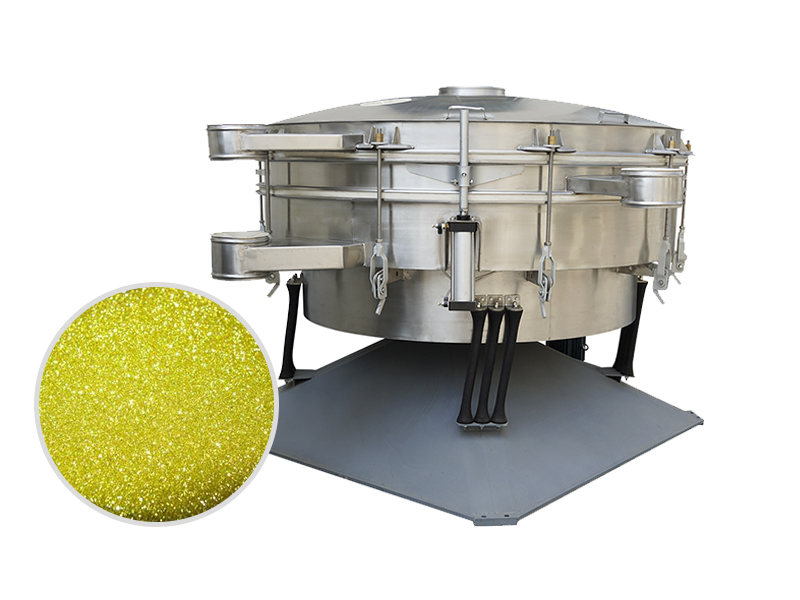
“How fine can your vibrating screen actually screen powder?”
Material behavior matters as much as the nominal mesh. Our application guide to ultrasonic pigment screening shows how oversize particles, adhesion and particle-size distribution can influence color-powder consistency.
This is one of the questions Sanyuantang Machinery has received most often over the past 30 years.
The short answer is:
- A standard rotary vibrating screen can stably screen down to around 325 mesh.
- With an Ultrasonic Vibrating Screen system, stable screening can reach 500–800 mesh.
- With special configurations and composite screen mesh, 1,000 mesh can be challenged.
The actual result still depends on the material. Moisture, density, particle agglomeration, and other material properties can all affect screening performance.
For that reason, this article focuses on actual screening tests rather than general claims. We tested materials from 40 mesh to 800 mesh in our workshop and recorded the screening capacity, pass rate, and screen-cleaning performance.
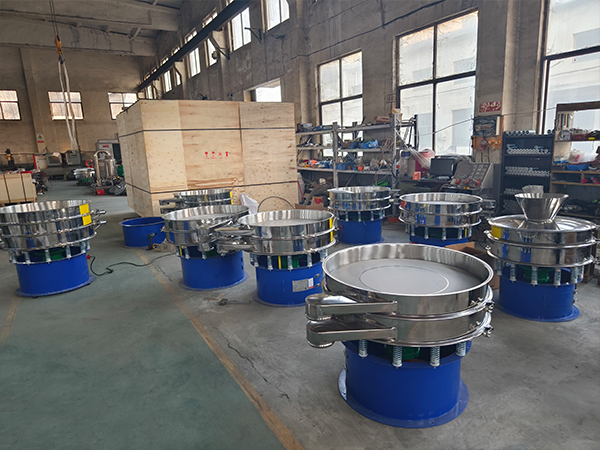
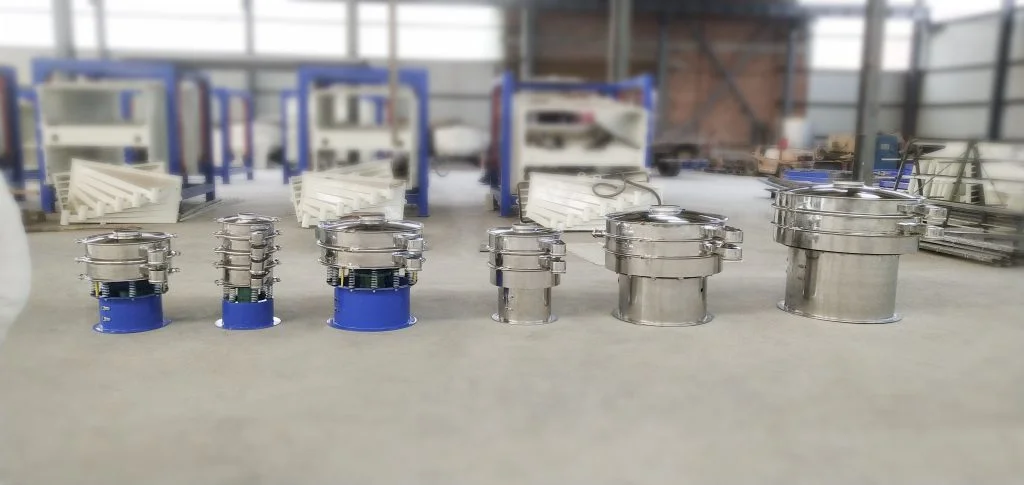
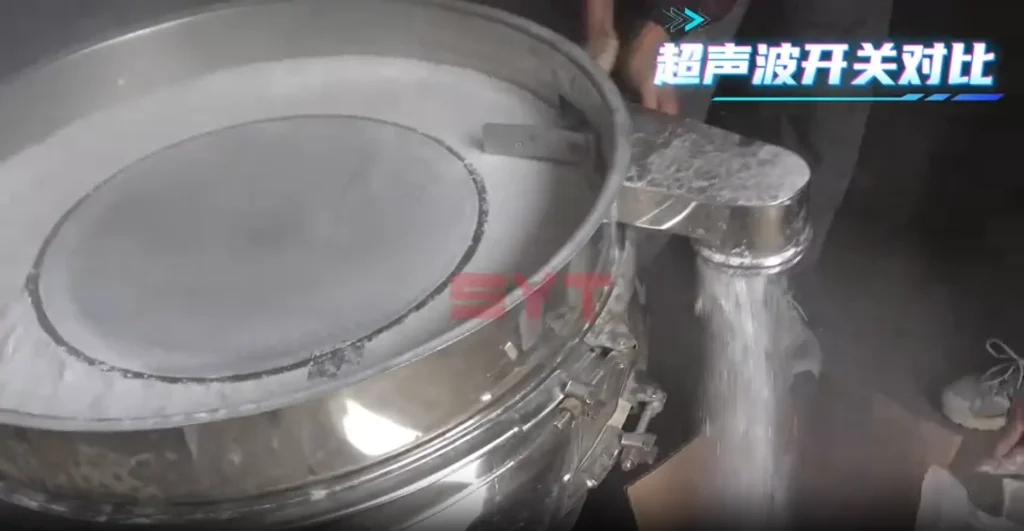
 Rotary Vibrating Screen
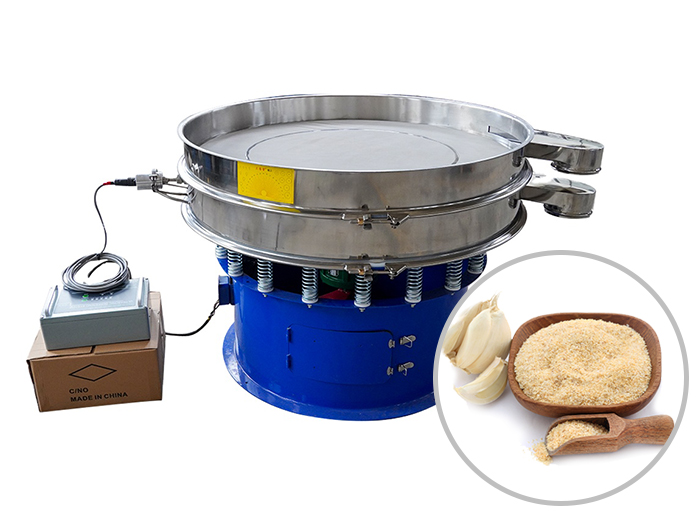
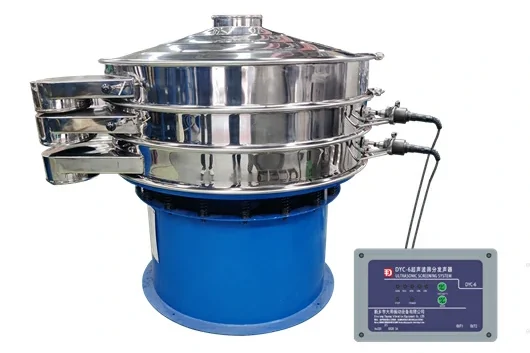
 Ultrasonic vibrating screen

What Does Mesh Size Mean?
Many customers know the mesh number they need but are less familiar with what it actually means.
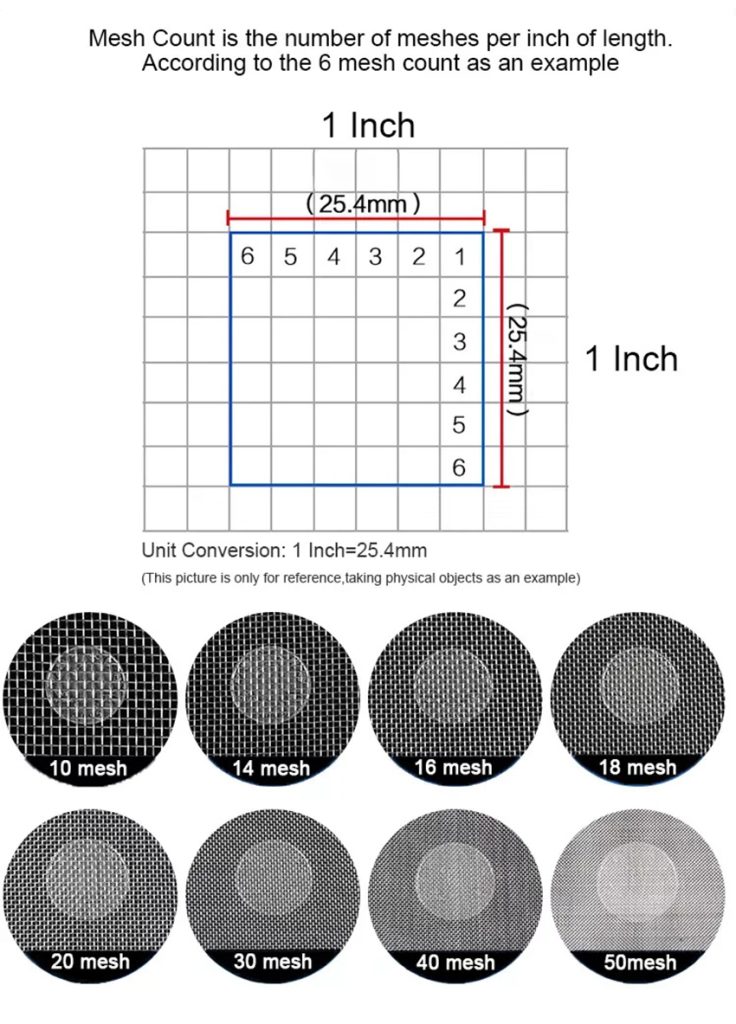
Simply put, mesh size refers to the approximate number of screen openings per linear inch (25.4 mm).
The higher the mesh number, the smaller the opening and the finer the material that can pass through the screen.
| Mesh | Approx. Opening (μm) | Approx. Opening (mm) |
|---|---|---|
| 4 | 4750 | 4.75 |
| 6 | 3350 | 3.35 |
| 8 | 2360 | 2.36 |
| 10 | 2000 | 2.00 |
| 12 | 1700 | 1.70 |
| 14 | 1400 | 1.40 |
| 16 | 1180 | 1.18 |
| 18 | 1000 | 1.00 |
| 20 | 850 | 0.85 |
| 24 | 710 | 0.71 |
| 30 | 600 | 0.60 |
| 35 | 500 | 0.50 |
| 40 | 425 | 0.425 |
| 45 | 355 | 0.355 |
| 50 | 300 | 0.300 |
| 60 | 250 | 0.250 |
| 70 | 212 | 0.212 |
| 80 | 180 | 0.180 |
| 100 | 150 | 0.150 |
| 120 | 125 | 0.125 |
| 140 | 106 | 0.106 |
| 150 | 100 | 0.100 |
| 170 | 90 | 0.090 |
| 180 | 80 | 0.080 |
| 200 | 75 | 0.075 |
| 230 | 63 | 0.063 |
| 250 | 60 | 0.060 |
| 270 | 53 | 0.053 |
| 300 | 48 | 0.048 |
| 325 | 45 | 0.045 |
| 350 | 40 | 0.040 |
| 400 | 38 | 0.038 |
| 500 | 25 | 0.025 |
| 600 | 23 | 0.023 |
| 635 | 20 | 0.020 |
| 800 | 18 | 0.018 |
| 1000 | 13 | 0.013 |
| 1200 | 10 | 0.010 |
As the mesh number increases, the opening becomes much smaller. At 800 mesh and above, screening is already in the micron-level range, placing much higher demands on the screen mesh and vibration system.
For a more detailed mesh size comparison chart, please read our article: Vibrating Screen Mesh Size and Pore Size Comparison Table
40–800 Mesh: Actual Fine Powder Screening Tests
We carried out a series of screening tests in the Sanyuantang Machinery workshop using different materials and mesh sizes.
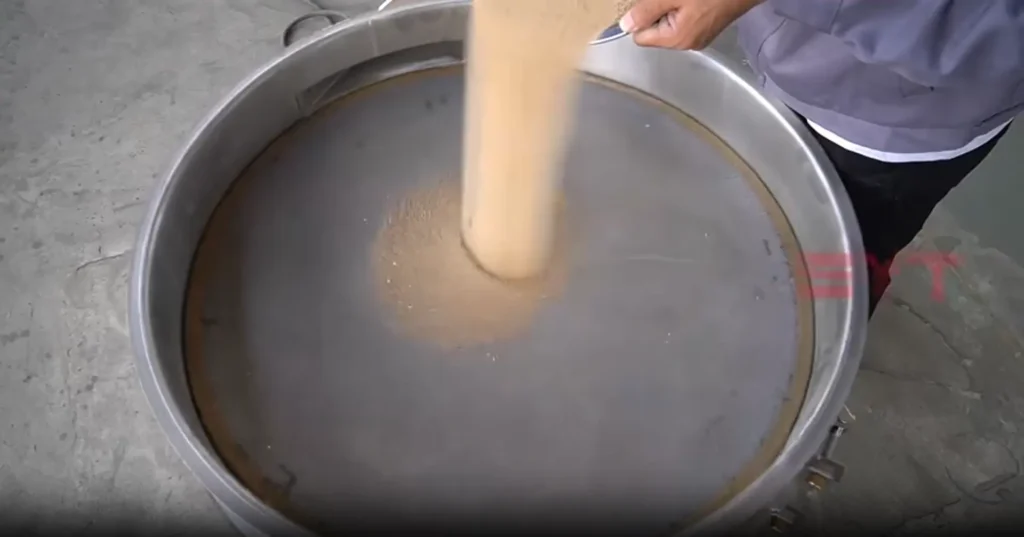
The main points we recorded were:
- Throughput per unit of time
- Screening pass rate
- Screen clogging
- Screen-cleaning requirements
- Equipment configuration
40 Mesh — Quartz Sand
Material: Quartz sand
Mesh: 40 mesh
Capacity: Approximately 2.5 tons/hour
Pass rate: More than 99.5%
The test was straightforward. At 40 mesh, quartz sand is a relatively easy screening application for a rotary vibrating screen.
200 Mesh — Talc Powder
Material: Dry talc powder
Mesh: 200 mesh
Capacity: Approximately 800 kg/hour
Pass rate: 98%
Configuration: Standard three-layer rotary vibrating screen with bouncing-ball screen cleaning.
The equipment operated steadily during the test, with the screen-cleaning device helping maintain normal screening performance.
500 Mesh — Alumina Powder
Material: Alumina powder
Mesh: 500 mesh
Capacity: Approximately 200 kg/hour
Pass rate: 95%
At this mesh size, the screening conditions become considerably more demanding.
An ultrasonic vibration system was required for stable operation. Without ultrasonic assistance, fine powder can more easily cause screen clogging.
This is where Fine Powder Screening becomes different from ordinary coarse-particle screening: the smaller the opening, the more important screen cleaning and powder dispersion become.
800 Mesh — Electrolytic Copper Powder
Material: Electrolytic copper powder
Mesh: 800 mesh
Screen opening: Approximately 18 μm
Capacity: Approximately 80–120 kg/hour
Pass rate: More than 90%
Configuration:
- Rotary vibrating screen
- Ultrasonic transducer
- Composite screen mesh
The 800-mesh test was carried out with the special configuration above.
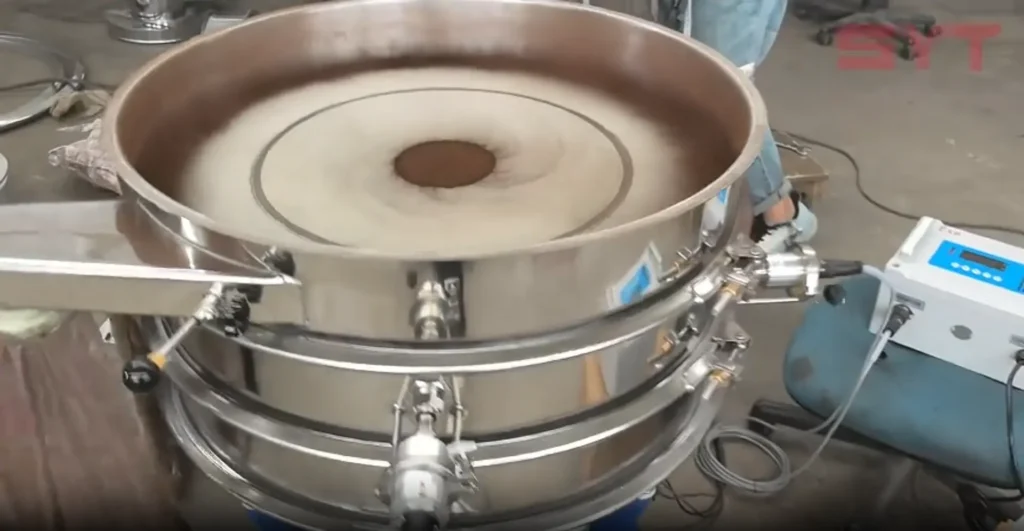
At this level, the screen opening is approximately 18 μm, so maintaining open screen area becomes a major part of the screening process.
FAQs
What Is Needed for 500–800 Mesh Screening?
When screening becomes finer, simply increasing vibration is not enough.
Three parts of the configuration are particularly important.
Ultrasonic Vibration System
The ultrasonic system applies high-frequency, low-amplitude ultrasonic vibration to the screen mesh. This creates a high-frequency vibration effect on the mesh surface, helping disperse fine powder agglomerates and reducing screen clogging. For materials that are difficult to screen at 500 mesh and above, an Ultrasonic Vibrating Screen can be used to improve the stability of the screening process.
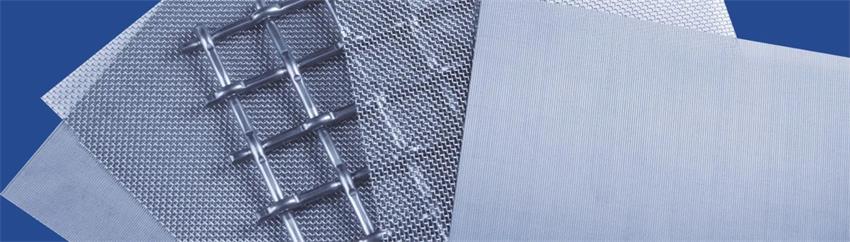
High-Precision Imported Screen Mesh
An 800-mesh screen requires very high mesh precision. The wire diameter of an 800-mesh screen is only a few micrometers, so the consistency of the screen openings becomes particularly important. For this reason, imported woven screen mesh is used for these fine screening applications to maintain more consistent opening dimensions.
Three-Element Eccentric Motor and Precise Phase Adjustment
The phase angle of the upper and lower eccentric weights can be adjusted to control how the material moves across the screen surface. The purpose is simple: fine powder needs enough time on the screen surface to pass through the openings without excessive accumulation. The adjustment of the eccentric weights allows the material movement pattern to be matched to the screening requirement.
Is 800 Mesh the Limit?
No.
With an ultrasonic system, 1,000 mesh and even finer screening can be challenged.
However, there is no single mesh number that can be used as the limit for every material.
The practical result depends on:
- Material flowability
- Moisture content
- Material density
- Powder agglomeration
- Screen mesh
- Screening configuration
This is why a material test is more useful than simply looking at the mesh number when selecting a Vibrating Screen for Fine Powder.
How Long Does the Screen Mesh Last?
Under normal operating conditions, the expected service life is approximately 3–6 months.
The actual service life of fine screen mesh depends mainly on the abrasiveness of the material. For highly abrasive materials such as emery, the service life can be shorter. For 800-mesh applications, the fine mesh itself is a precision component, so material characteristics and operating conditions should be considered when estimating replacement intervals.
Can a Vibrating Screen Handle Wet Powder?
Materials with a moisture content of 5% or less can be screened directly.
If the moisture content is higher, pre-drying is recommended. Fine powders can easily become sticky or form agglomerates when exposed to moisture, which can cause screen clogging. Pre-drying can significantly improve screening performance. The actual suitable moisture level should still be determined according to the material being tested.
How Fine Can a Vibrating Screen for Fine Powder Go?
Based on the screening tests carried out at Sanyuantang Machinery:
- Standard rotary vibrating screen: stable screening to approximately 325 mesh
- With ultrasonic vibration: stable screening at approximately 500–800 mesh
- With special configuration and composite screen mesh: can challenge 1,000 mesh
The mesh number alone, however, does not determine the final result. Moisture, density, flowability, agglomeration, and other material characteristics all affect actual screening performance.
Conclusion
If you are screening copper powder, aluminum powder, nickel powder, chemical powder, pharmaceutical powder, or other fine materials, especially applications requiring 800 Mesh Screening, the best way to determine the right configuration is to test the actual material.
Send your material to Sanyuantang Machinery for testing.
We can use the material to carry out a screening test and provide test video and actual screening data, so you can see how fine the material can be screened before selecting the equipment.
Email: info@sanyuantang.com
Phone: +86-18639095165