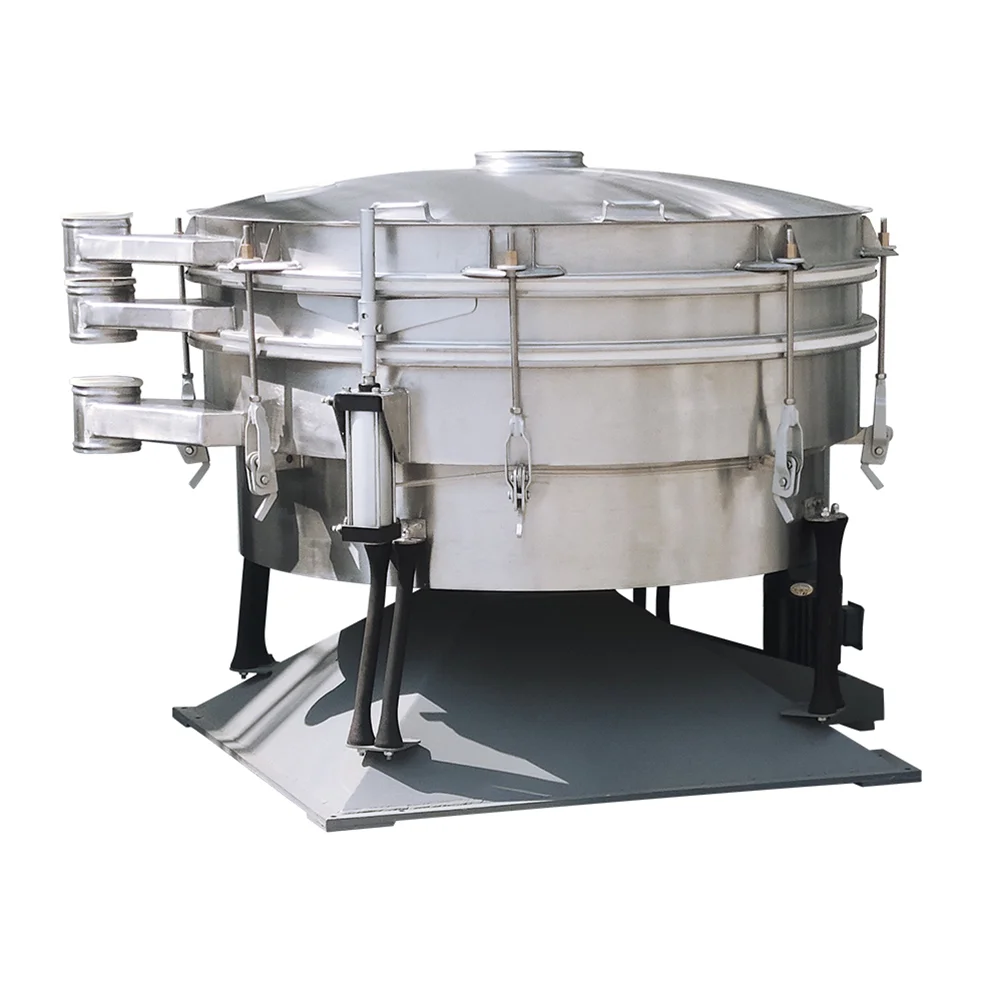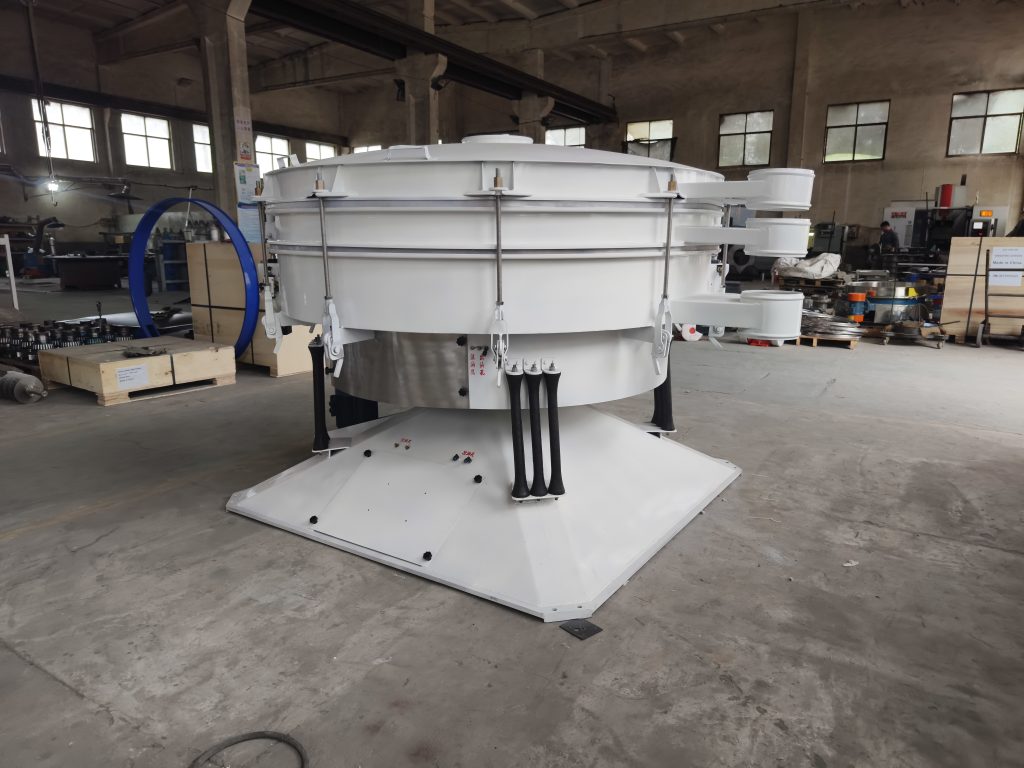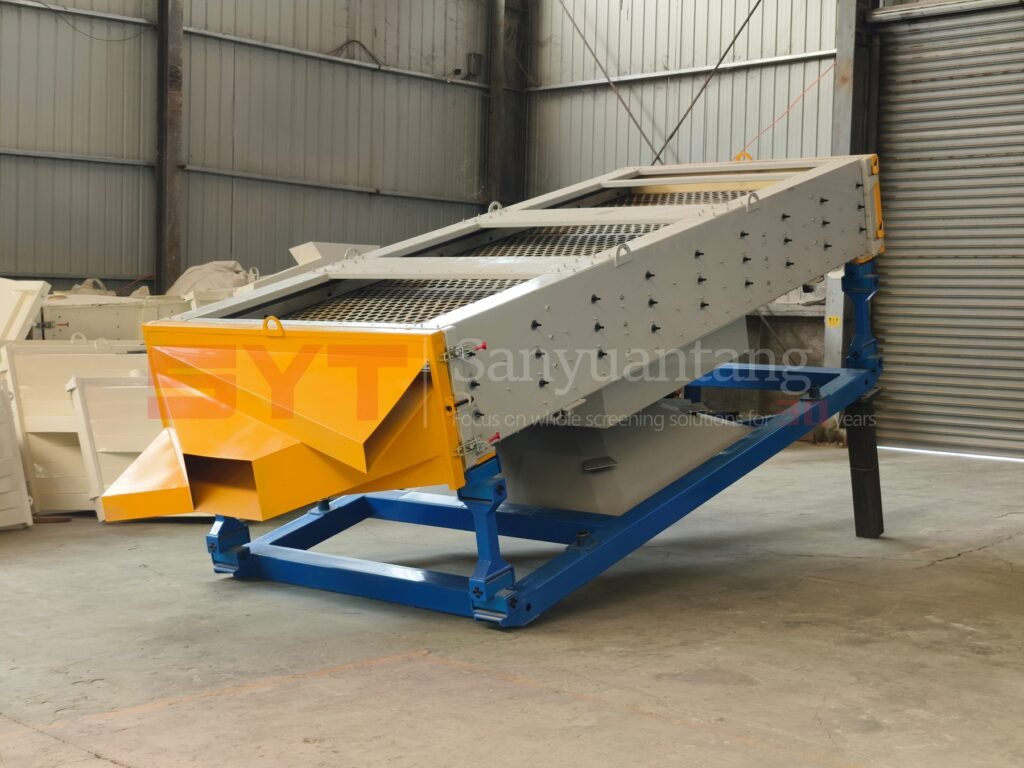
Modern industry continually strives for greater efficiency and automation, with the vibration screen (also known as a vibratory screening machine) having become the core screening equipment in contemporary production lines. Whether processing powders, granules, or specialised materials, the vibration screen ensures product consistency, production line stability, and highly efficient screening. Selecting the appropriate vibration screen directly impacts output, costs, and the final product quality.
Because amplitude directly influences material travel and throughput, engineers should confirm the actual screen amplitude and stroke rather than relying only on a nominal setting.
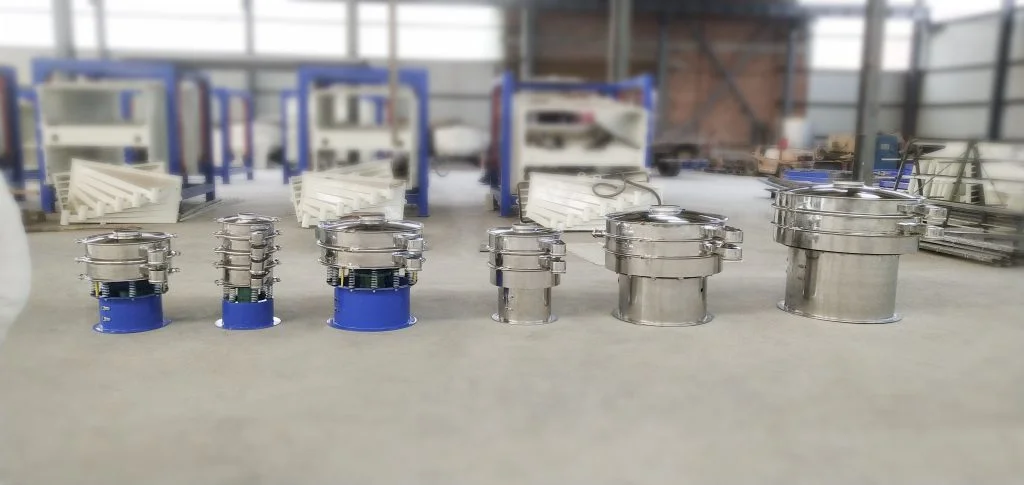
Today, we shall discuss how to select the appropriate vibratory screening machine, helping enterprises enhance both sales volume and product quality.
Industrial applications of vibration screens
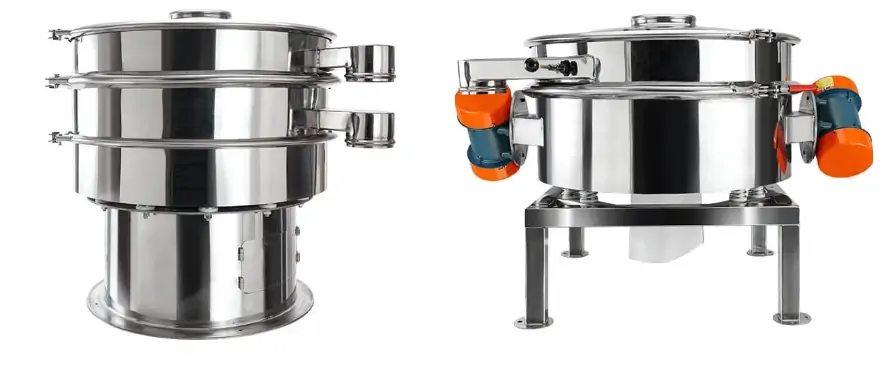
Currently, vibration screens are extensively employed across industries, including food processing, chemical engineering, pharmaceuticals, metallurgy, new energy materials, and building materials. Enterprises utilise vibration screens for particle size classification, impurity removal, screening, and solid separation, thereby ensuring consistent production standards and enhancing product quality. Whether handling fine powders or bulk materials, diverse types of vibration screens, such as circular vibrating screens and high-frequency vibrating screens, can meet the demands of modern factories.
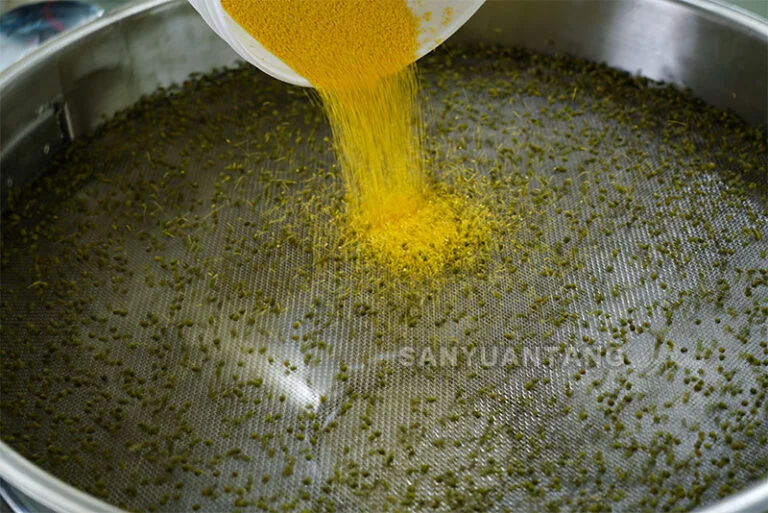


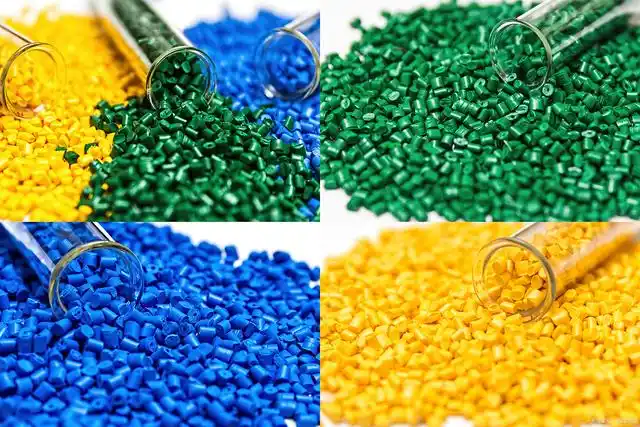


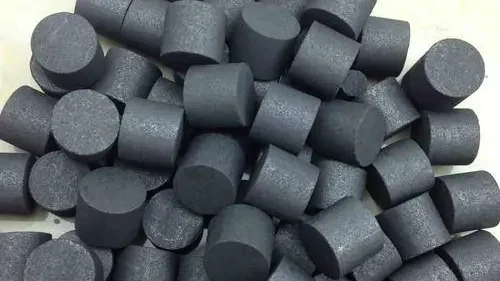
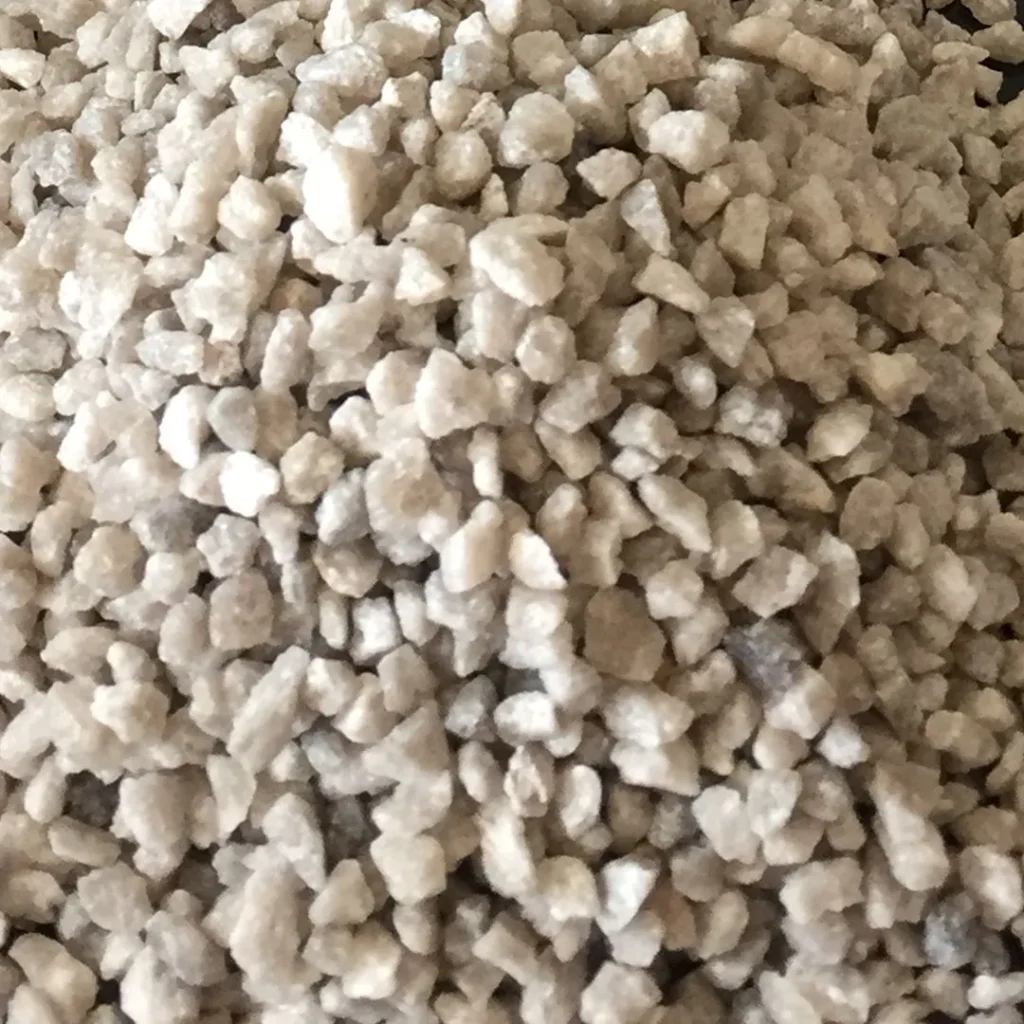
As industry standards continue to rise, the demand for high-precision, stable vibration screens is steadily increasing, driving the rapid advancement of vibratory screening solutions.
Below, we examine the key considerations when selecting such equipment.
Five Key Factors to Consider When Selecting a Vibration Screen
1. Quality Stability
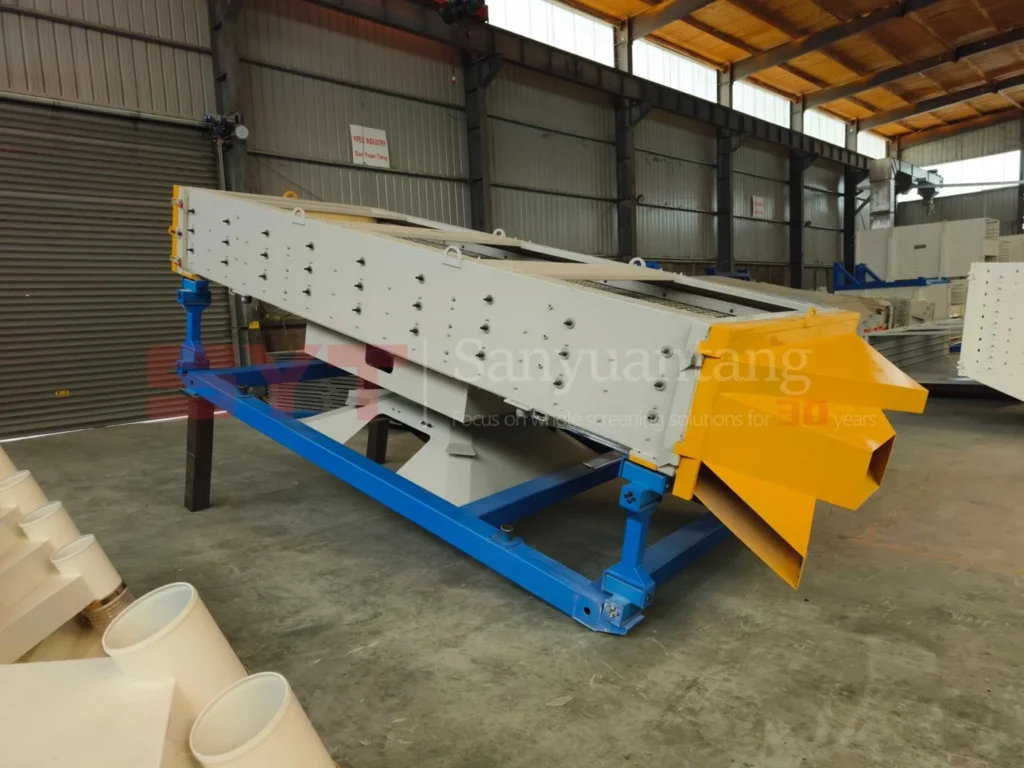
When selecting a vibration screen, the stability of equipment quality remains a core consideration. Substandard equipment may result in insufficient vibration force, unstable screening performance, or even production stoppages, leading to greater losses. A high-quality vibration screen delivers more consistent vibration output, extended service life, and reduced maintenance requirements, thereby ensuring the continuous operation of production lines.
2. Screening Accuracy
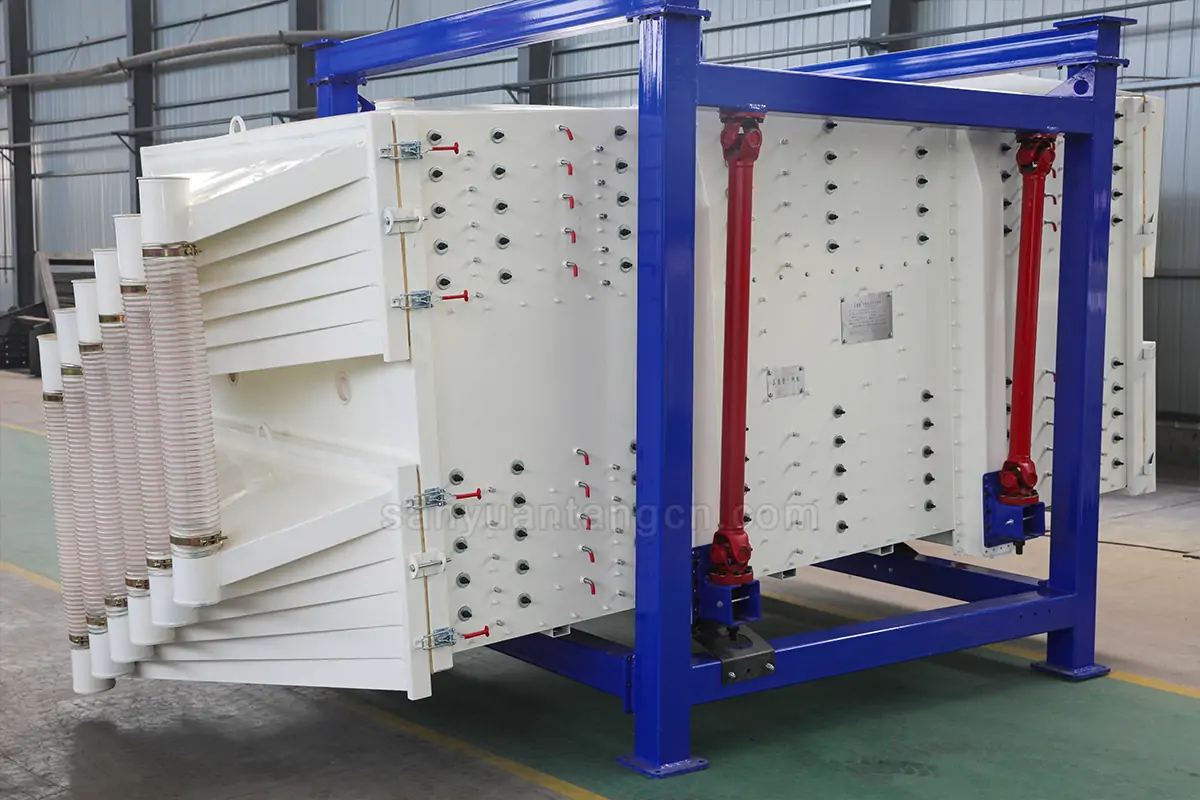
Screening accuracy is a critical performance metric for vibration screens, particularly suited to glass sand, battery materials, fracturing proppants, and high-end chemical powders. For example, if 100kg of material contains 30kg of powder finer than 70 mesh, complete separation of the 30kg yields 100% accuracy; separation of 27kg achieves 90% accuracy. High-precision vibration screens require optimisation of vibration trajectories, structural design, and screen mesh quality.
3. Capacity Requirements
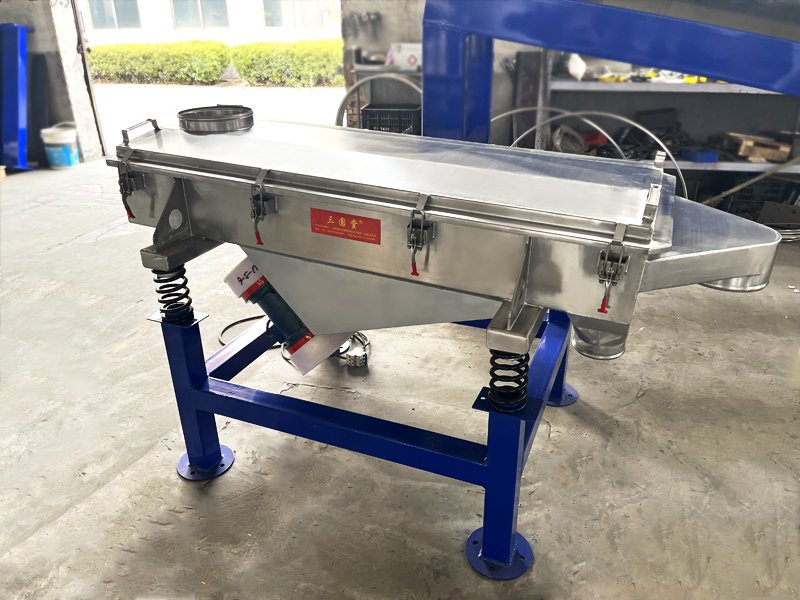
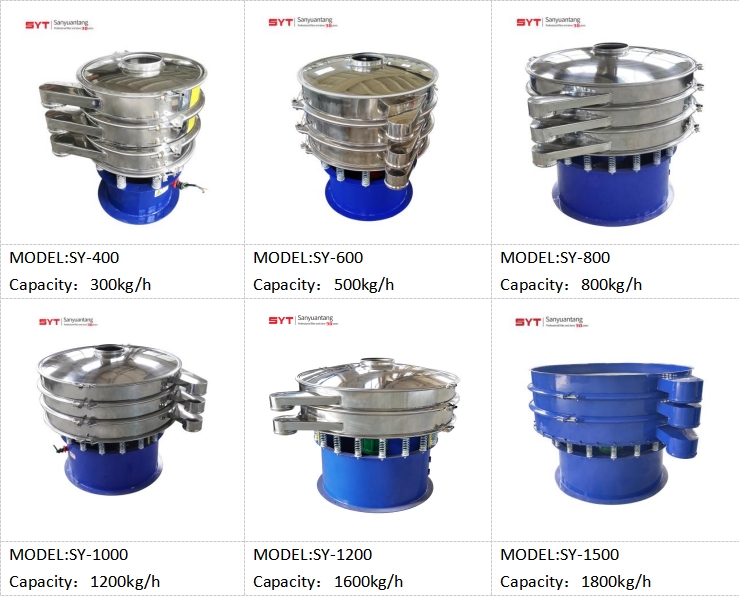
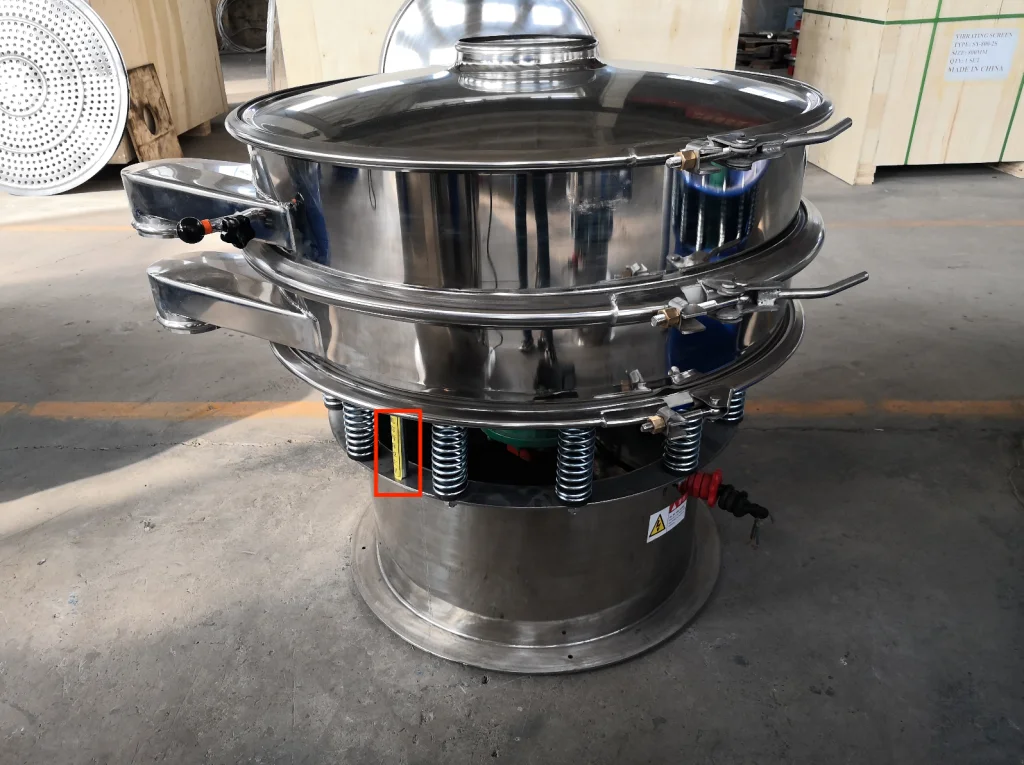
The throughput capacity of the vibration screen must be matched to the entire production line. If the upstream output is 10 tonnes per hour, yet the vibration screen can only process 8 tonnes, then the final production line will also operate at a maximum of 8 tonnes. The equipment’s diameter, amplitude, vibration method (such as linear vibrating screens), material properties, and number of screen layers all directly influence the processing capacity.
4. Ease of Maintenance
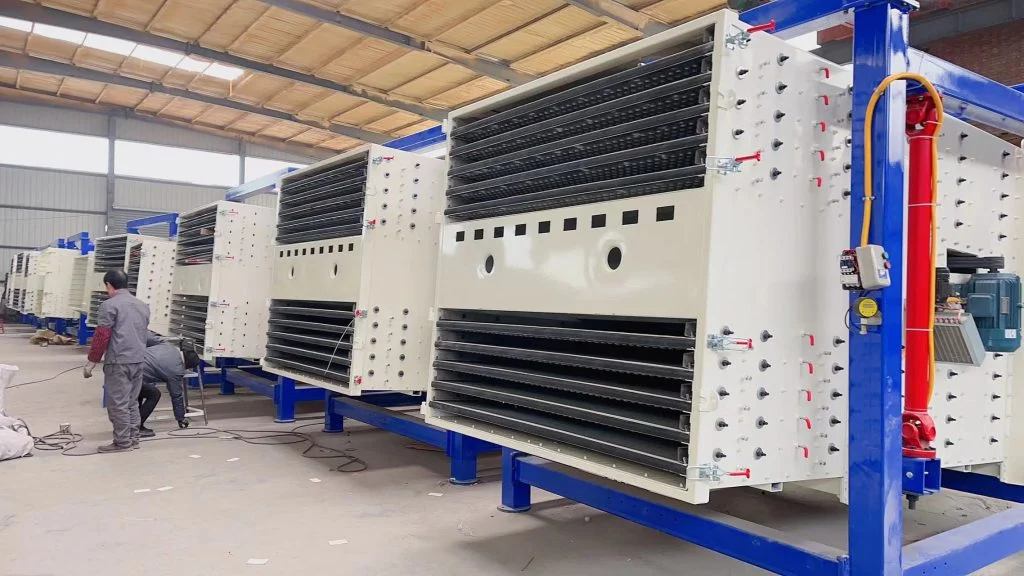
A high-quality vibration screen must not only deliver reliable performance but also feature straightforward operation, be easy to clean, and allow for quick replacement of the screen mesh. The ideal vibratory screening equipment should resume production within 15 minutes of replacing wear parts, minimising downtime and facilitating management and operation by workshop personnel.
5. Cost-Performance Ratio
Cost-effectiveness represents a crucial balancing point when selecting a vibration screen. It is not necessarily the case that larger is better; rather, the ideal choice is one that best suits production requirements. For instance, when screening 100kg of coffee beans per hour, a 1000mm vibration screen proves sufficient. Employing a larger model would merely result in unnecessary cost expenditure. The most suitable vibration screen constitutes truly cost-effective equipment.

Equipment selected through these five core criteria will generally meet your production requirements. Should you remain uncertain about your selection, please contact us immediately. Our specialist team will provide suitable options tailored to your specific production conditions. For particularly specialised production needs, we can also offer bespoke solutions to fulfil your requirements.
Why choose Sanyuantang Machinery vibration screens?
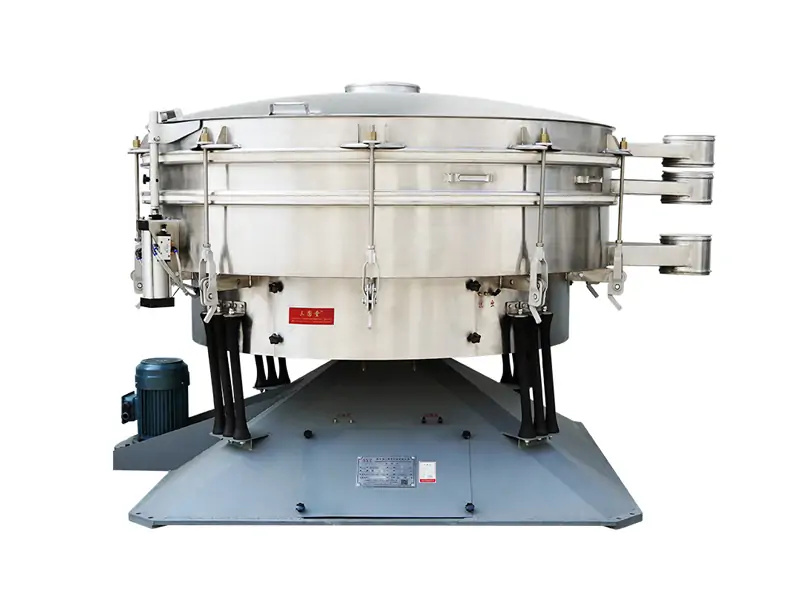
Sanyuandang was established in 1994 as a specialist manufacturer of vibration screens, integrating research, production and sales. The company has long specialised in the development and production of circular vibrating screens, linear vibrating screens, tumbler screens, and associated conveying and crushing equipment. The factory premises feature advanced metalworking, welding and assembly production lines, alongside dedicated vibration screen research and testing laboratories.
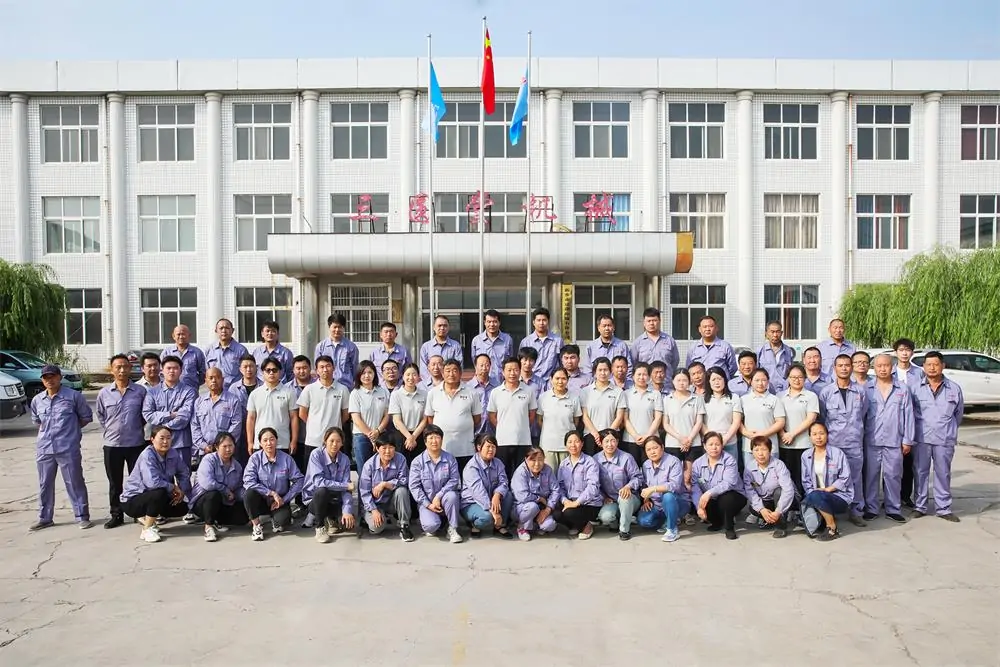
With over 100 employees and more than 50 professional engineers, Sanyuantang consistently prioritises innovation, high stability, and superior manufacturing to deliver high-performance vibration screen solutions for global clients.
Conclusion
Selecting the correct vibration screen is crucial for the sustained success of modern production lines, whether the goal is to enhance screening precision, increase throughput, or reduce operational costs. By prioritising quality, accuracy, output, ease of use, and cost-effectiveness, enterprises can significantly improve screening efficiency and production stability. Leveraging years of manufacturing expertise and proven technology, Sanyuantang delivers professional, stable, and reliable vibration screen solutions tailored to diverse materials and industry requirements.
Please contact us to obtain a bespoke vibration screen solution tailored to your production requirements.