V-Blender Pharmaceutical: Mixing Solutions for the Pharmaceutical Industry
The blender in pharma industry is used to ensure product quality, and the mixing process directly affects the uniformity, safety, and efficacy of the final batch. Whether mixing active pharmaceutical ingredients (API) with excipients or making uniform powdered drugs, the formulation of each batch must be precisely controlled. V Blender in pharmaceutical production is easy to clean and sterilize, meets strict hygiene and quality requirements, and has a flexible configuration to adapt to different production needs.
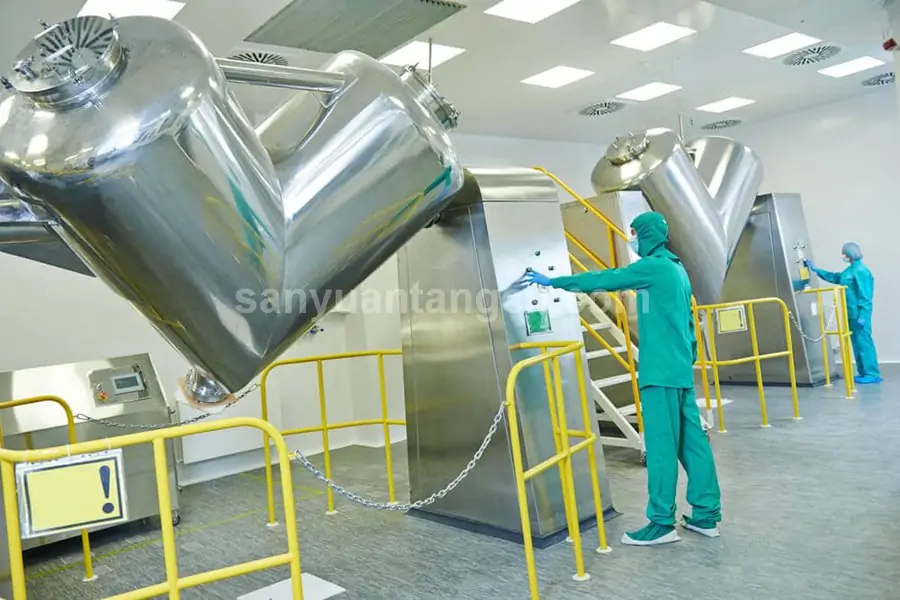
Use of V Blender in the Pharmaceutical Industry
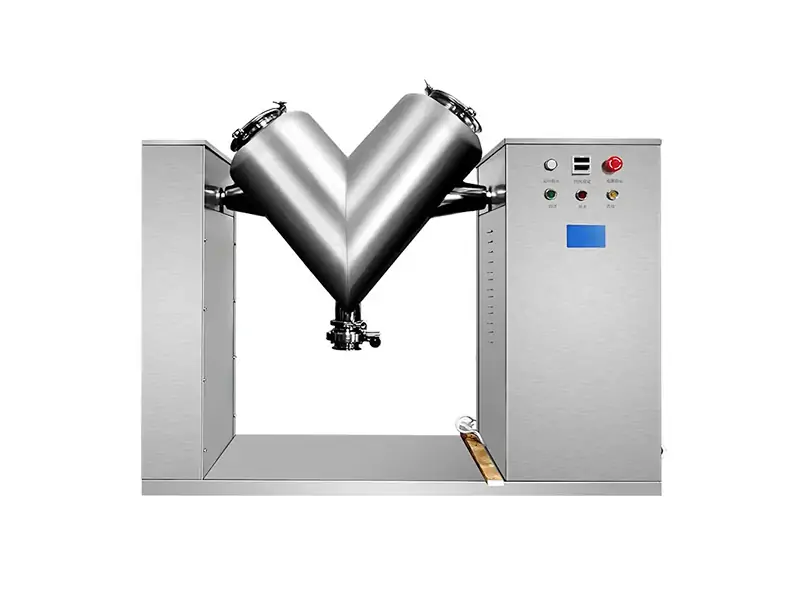
In the pharmaceutical industry, V-Blender Mixers are widely used in various material mixing scenarios. From powders and granules, block materials to materials containing a certain amount of moisture, v-blender machine can provide stable mixing effects. Especially when preparing solid preparations such as tablets and capsules, the V-type mixer can evenly mix active ingredients, excipients, etc., thereby improving the drug’s tableting quality and production efficiency.
In addition, the V-type mixer is also suitable for the lubricant mixing process in the pharmaceutical industry. It is used to mix magnesium stearate in tablet preparation to improve tablet hardness and lubricity.
Operational Principle of V-Blender Pharmaceutical
The working principle of the V-type blender is based on the rotational movement of its V-shaped container, which makes the powder or granular material evenly mixed by constantly flipping and folding the material in the mixing chamber. The V-shaped container consists of two symmetrical semicircular cavities. When the mixer is started, the container begins to rotate slowly, and the material constantly flips, collides, and slides between the two cavities, forming a tumbling mixing effect. (For details, please refer to this article: V Blender Working Principle, Design, Parts, Capacity)

Among them, the V-shaped container design effectively promotes uniform material distribution and prevents the separation of materials of different particle sizes or densities. The mixer’s rotation method ensures the materials are fully in contact without generating excessive friction or heat, thereby avoiding damage to sensitive materials.
Features of the V Blender in Pharma
- Uniform mixing effect: The V-groove structure and rotating mixing blade design of the V-type blender make the materials evenly distributed during the mixing process, reducing the risk of separation or agglomeration, and avoiding inconsistent drug dosage.
- Gentle and controllable mixing action: The slow rotation of the V-type blender prevents excessive friction and heat, maintaining the quality and integrity of sensitive pharmaceutical materials.
- Simple operation: The V-type blender in pharma is easy to operate, and the steps of loading, mixing and unloading are clear and concise, reducing the difficulty of operation and human errors.
- Easy to clean: The whole machine is usually made of SUS304/316 stainless steel, with polished inner and outer walls, which is easy to clean and maintain, and meets the hygiene standards of the pharmaceutical industry.
- Compact structural design: Suitable for small-scale and large-scale pharmaceutical production processes.
Technical Comparison of Common Blending Technologies
Selecting the right blender in pharma requires a deep understanding of mechanical efficiency and material behavior. Below is a technical comparison of the leading blending systems used in solid dosage manufacturing:
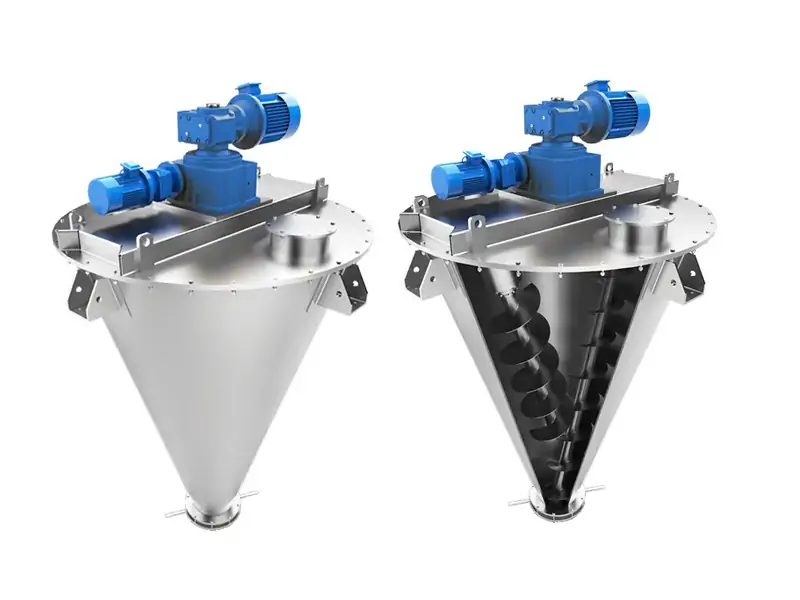
| Feature | V-Blender | Double Cone Blender | Ribbon Blender |
| Mixing Mechanism | Diffusion / Tumbling | Diffusion / Tumbling | Convection (Shear force) |
| Ideal Application | Fragile granules & Dry powders | Free-flowing dense powders | Cohesive or wet powders |
| Mixing Efficiency | High (for dry solids) | Moderate | High (for viscous solids) |
| Filling Volume | 40% – 50% | 50% – 60% | 40% – 70% |
| Cleaning Difficulty | Very Low (Easy to CIP) | Low | Moderate (Internal agitator) |
| Particle Attrition | Minimum (Gentle mixing) | Low | High (Due to blades) |
Critical Factors for “Blender in Pharma” Performance
To achieve optimal batch uniformity and comply with international regulatory standards, engineers must focus on the following technical parameters:
- Cross-contamination Prevention: Modern pharmaceutical blenders must feature a “No Dead Angle” design. Utilizing SS316L mirror-polished surfaces (Ra < 0.4μm) ensures that no residual material remains after the discharge process, facilitating validated CIP (Clean-in-Place) protocols.
- Particle Size Distribution (PSD) Integrity: The blending action must be controlled to prevent excessive shear that could alter the PSD. For sensitive Active Pharmaceutical Ingredients (APIs), tumbling blenders (V-type or Double Cone) are preferred to maintain the physical characteristics of the granules.
- Operational Safety & Compliance: A professional blender in pharma should integrate an infrared safety railing and an automatic positioning stop function. All equipment must be accompanied by full DQ/IQ/OQ validation documentation to meet global GMP requirements.
Application
- Active Pharmaceutical Ingredient (API) Blending: Used to blend API with excipients to form a homogenous powder blend before tablet compression or capsule filling process.
- Powder Blending for Tablet and Capsule Production: To achieve uniform distribution of active ingredients and excipients in tablet and capsule formulations.
- Dry Granulation: The process of mixing and preparing materials before compression or other forms of solid dosage form production.
- Batch Manufacturing: Used to maintain uniformity of the blend during large-scale production of powdered drugs.
Advantages of using V Blender in Pharma
- Precision in drug formulations
The pharmaceutical industry requires precision, especially when mixing active ingredients with excipients or blending different powdered substances. V-Blender provides an ideal solution to ensure that all ingredients are evenly distributed, which is essential for achieving dosage uniformity. - Application flexibility
V-Blender in Pharma is versatile and can handle a variety of substances, from fine powders to granules, and even sticky or cohesive materials. This adaptability makes it suitable for a variety of pharmaceutical applications, including the production of powders for tablets, capsules, and injections. - Cost-effective mixing solution
Compared to larger and more complex mixing equipment, V-Blender is a more cost-effective solution for small and medium-sized pharmaceutical manufacturers. - Help companies improve product quality
V-Blender’s efficient mixing can maintain the same quality for each batch of products, thereby improving the reliability of drugs to meet the strict regulatory standards set by agencies such as FDA and EMA.
Conclusion
V-shape blender in Pharma is an indispensable piece of equipment in the pharmaceutical industry, providing a reliable and cost-effective solution for the uniform mixing of powders and granules. Whether you are in the early stages of product development or scaling up production, V-Blender can help you meet your mixing requirements efficiently and effectively.
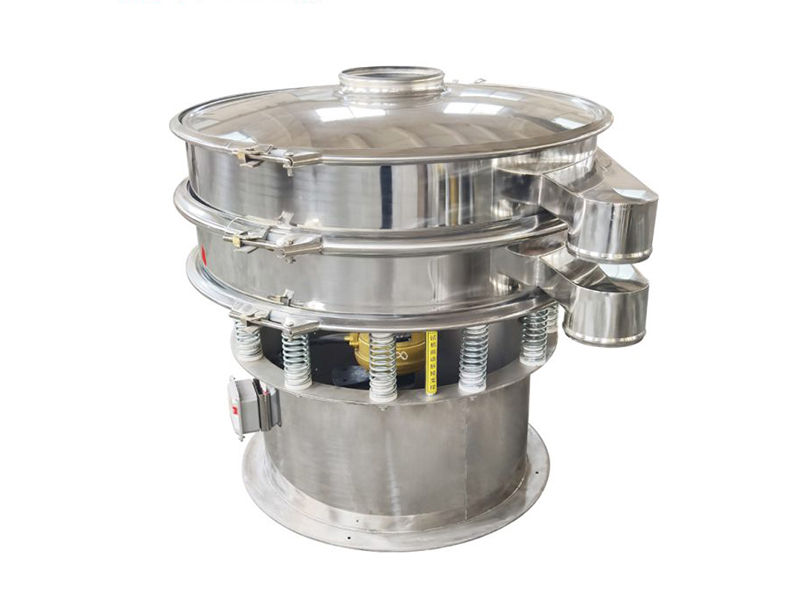
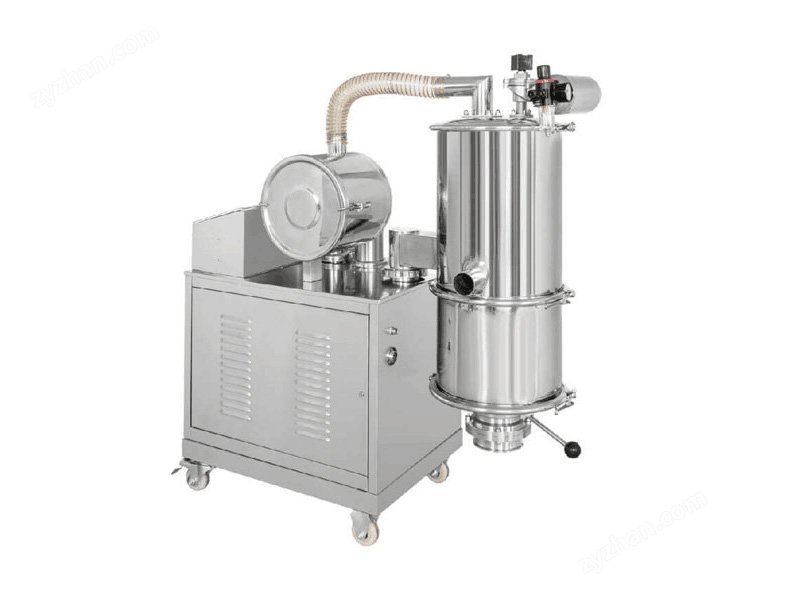
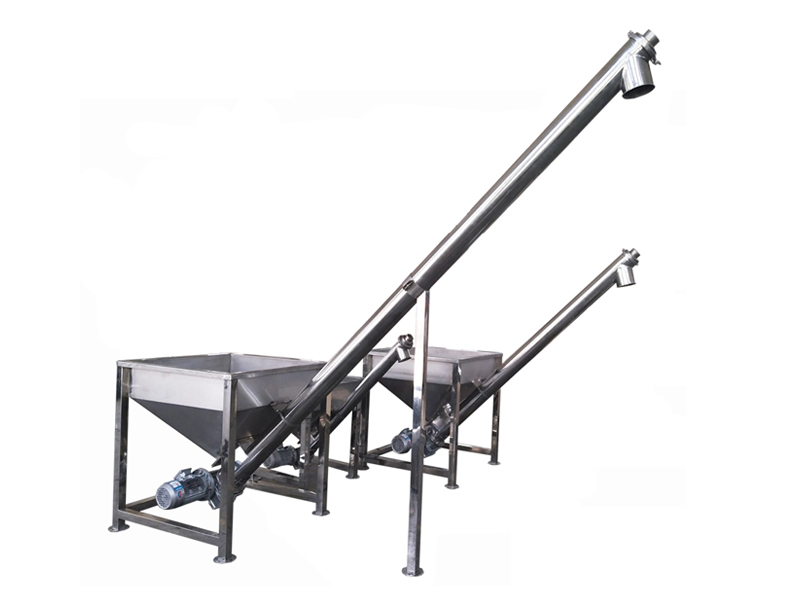
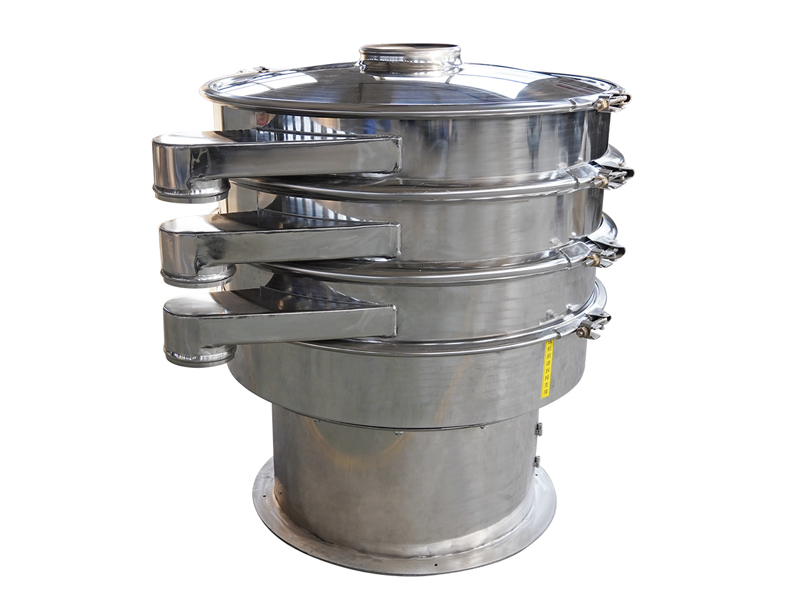
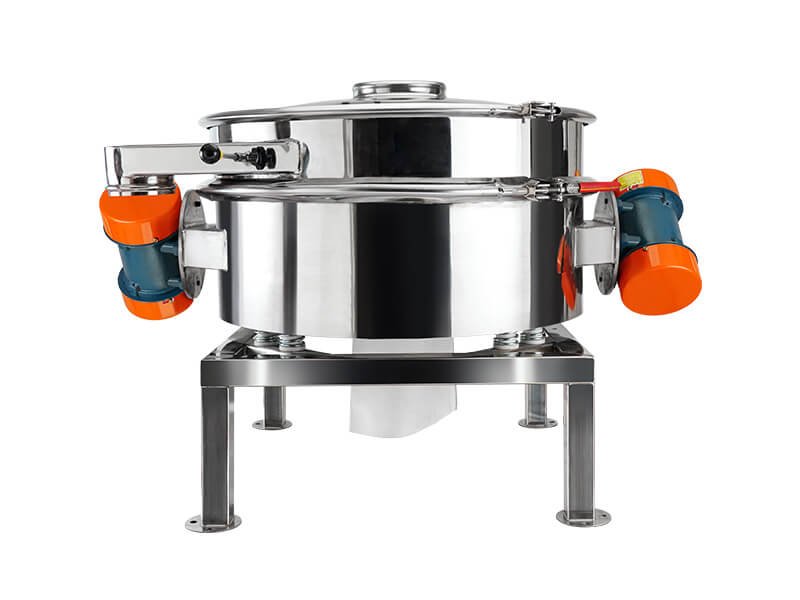
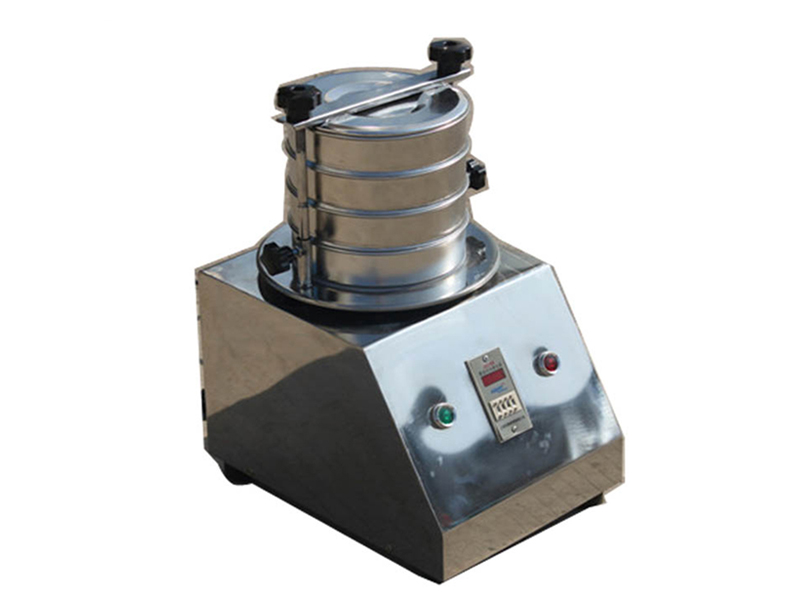
As a professional V-Blender manufacturer, Sanyuantang can provide your company with a one-stop pharmaceutical processing solution, including related screening machines, feeding equipment, etc. Please feel free to contact us.
Email: info@sanyuantang.com
Phone: +86-18639095165