In modern mining and mineral processing operations, mining screening equipment plays a critical role in determining final product quality and overall production efficiency. From primary coarse separation to fine tailings dewatering, selecting the right screening solution can significantly reduce operating costs and improve resource recovery rates.
As a leading provider of screening solutions, Sanyuantang is committed to delivering durable, precise, and high-efficiency technologies for global mining operations.
What is Mining Screening Equipment?
Mining screening equipment refers to mechanical systems that use vibration, gyration, or rotation to separate raw or crushed materials by particle size. These machines are typically installed after crushing stages in mines, quarries, and mineral processing plants to ensure only qualified materials move to the next process.
Core Functions:
- Material classification: Accurate separation of particles by size
- Dewatering & desliming: Removal of moisture and impurities
- Downstream protection: Prevent oversized materials from damaging crushers or mills
Reference:
You can learn more about screening principles from
https://www.911metallurgist.com/blog/screening/
Types of Mining Vibrating Screen and Features
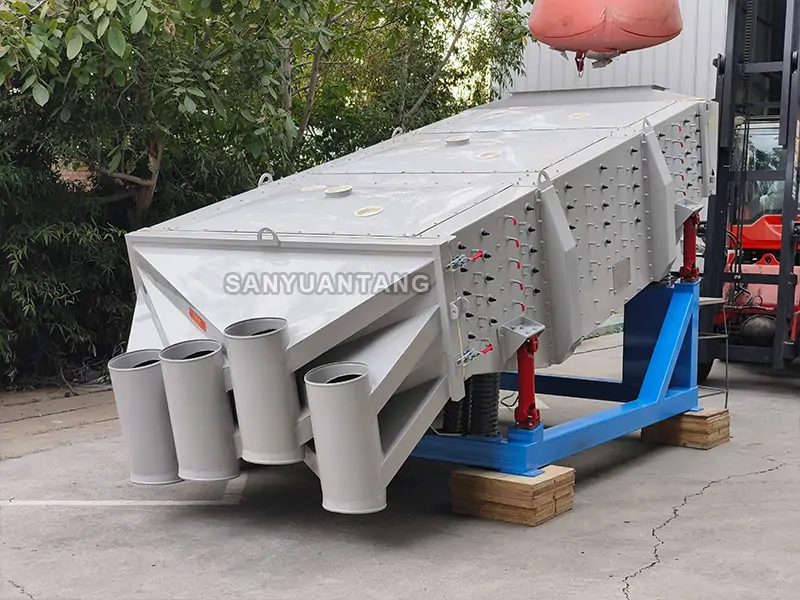
Among all mining equipment, the mining vibrating screen is the most widely used and mature solution. Based on working principles and applications, Sanyuantang provides several main types:
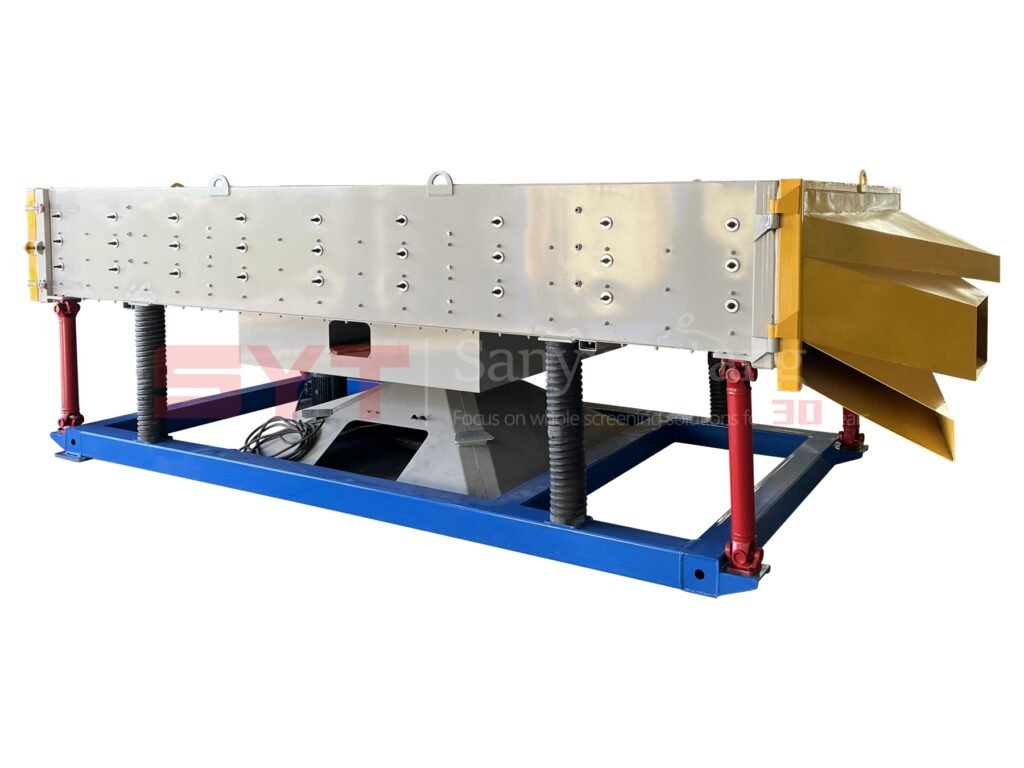
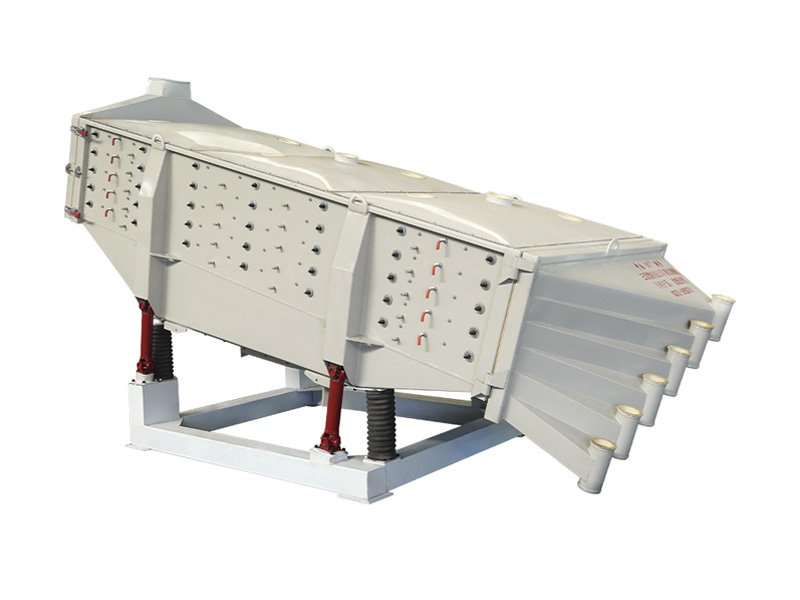
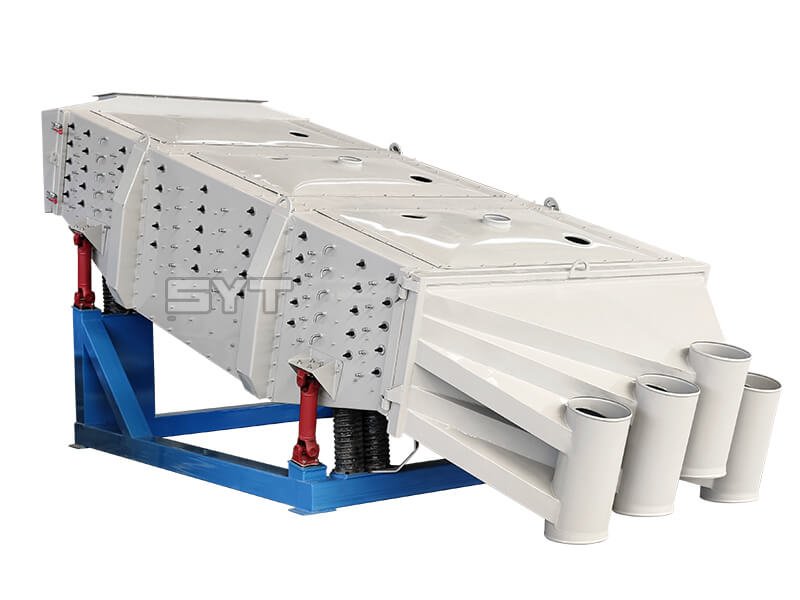
Linear Mining Vibrating Screen
Using dual vibration motors for synchronous motion, the screen moves in a straight line.
Advantages:
- Stable structure
- Large processing capacity
- Easy maintenance
Applications:
- Medium and fine material classification
- Dewatering processes
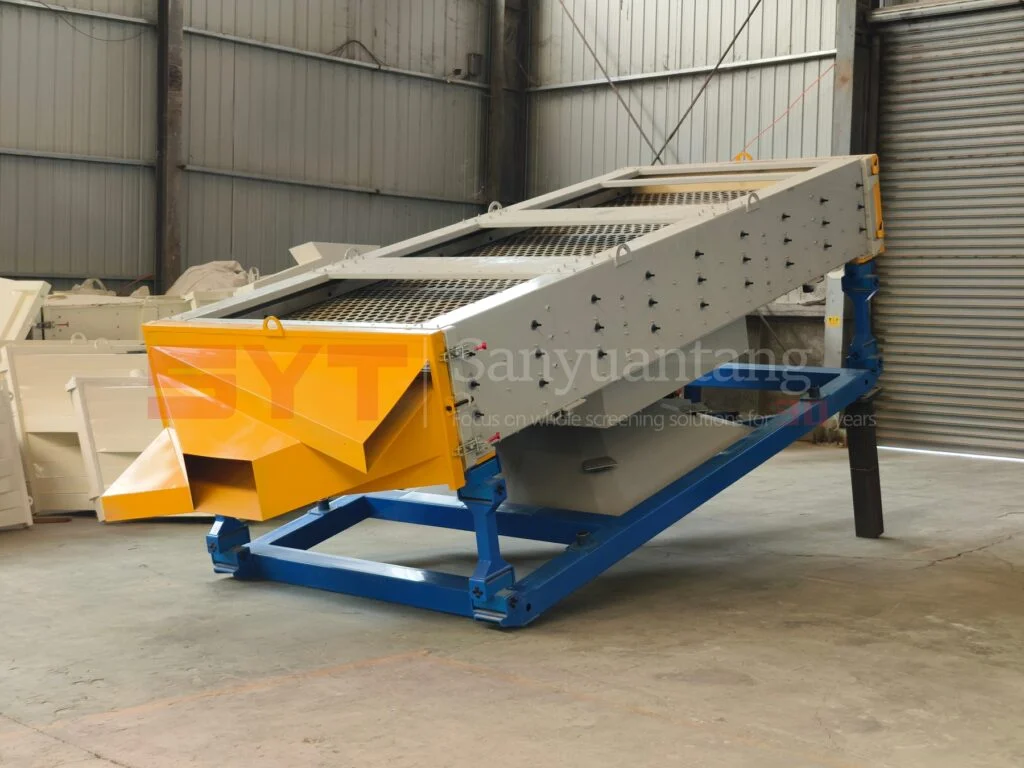
Circular Vibrating Screen
The screen box performs circular motion with high frequency and small amplitude.
Advantages:
- High screening efficiency
- Reduced clogging on screen mesh
Applications:
- Coarse screening of ore, coal, and limestone
Industry standard reference:
https://www.iso.org/home.html (ISO screening standards)
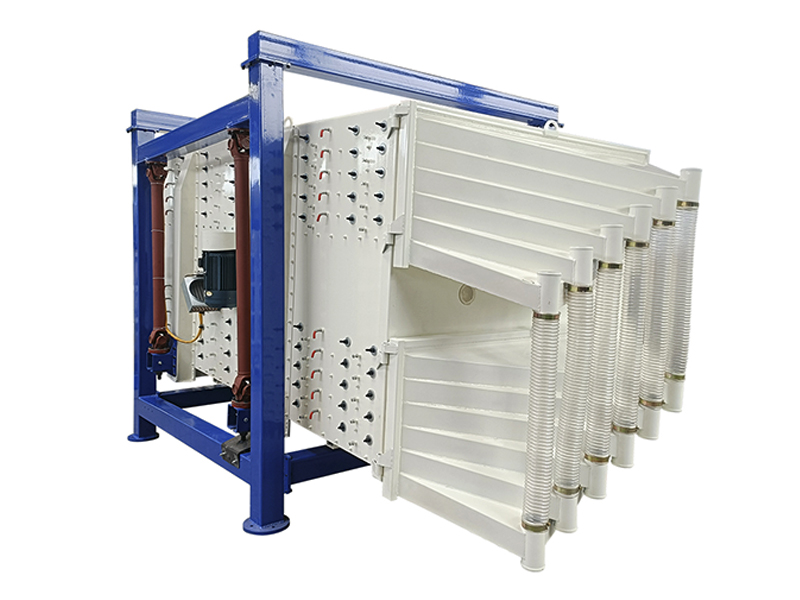
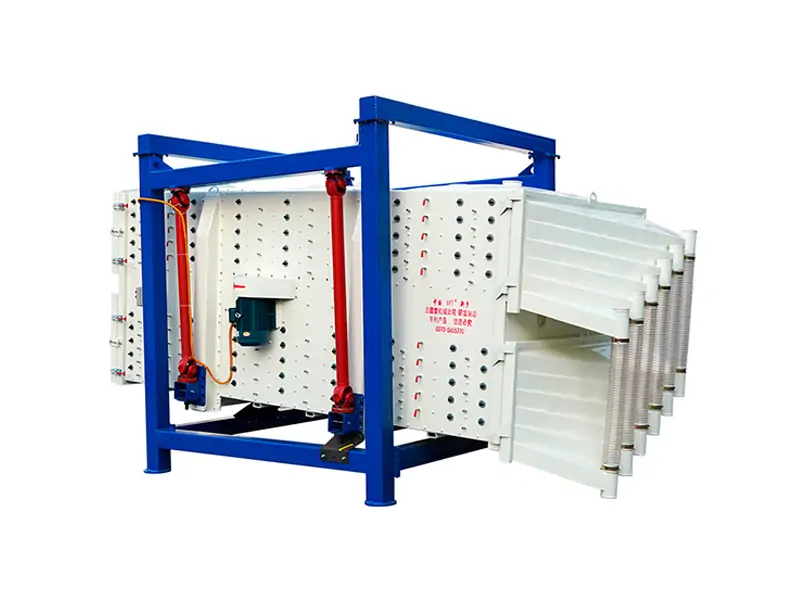
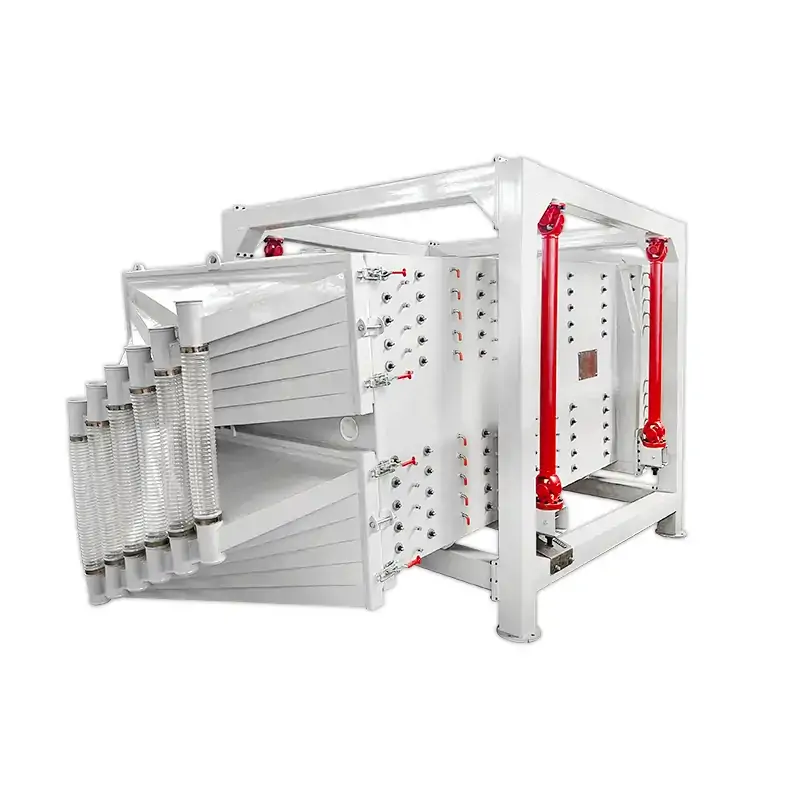
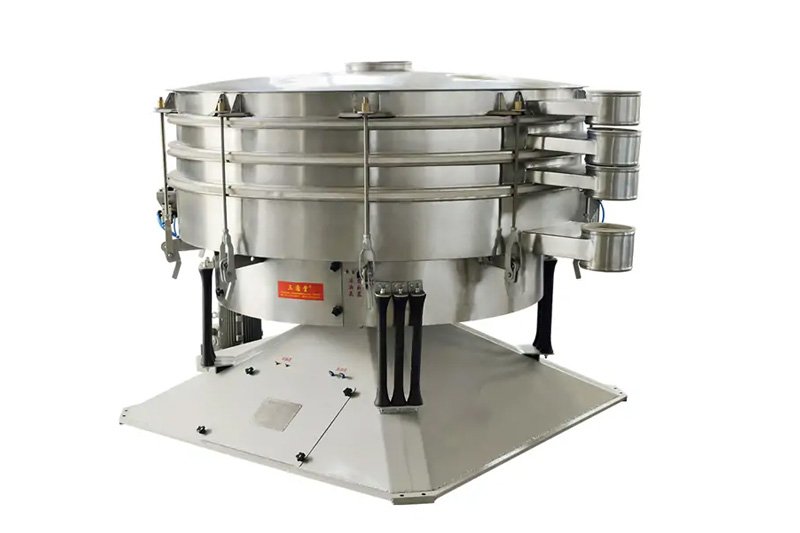
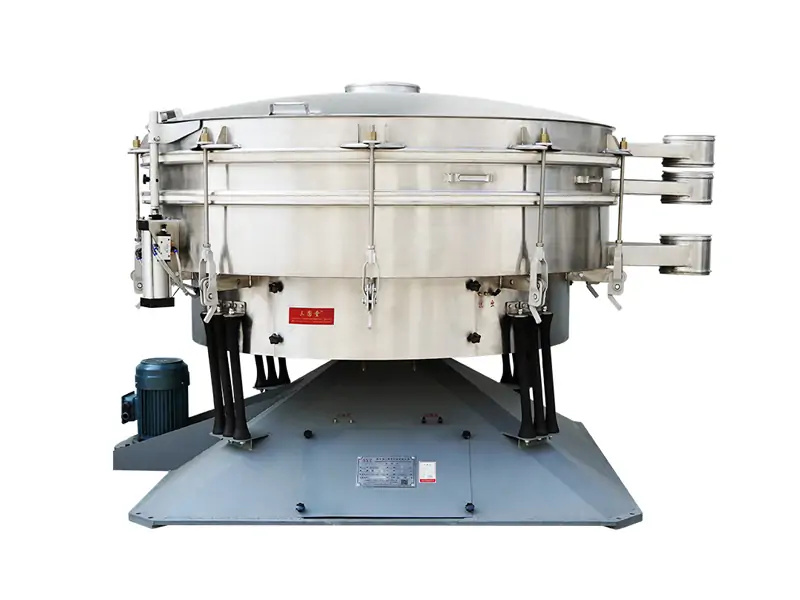
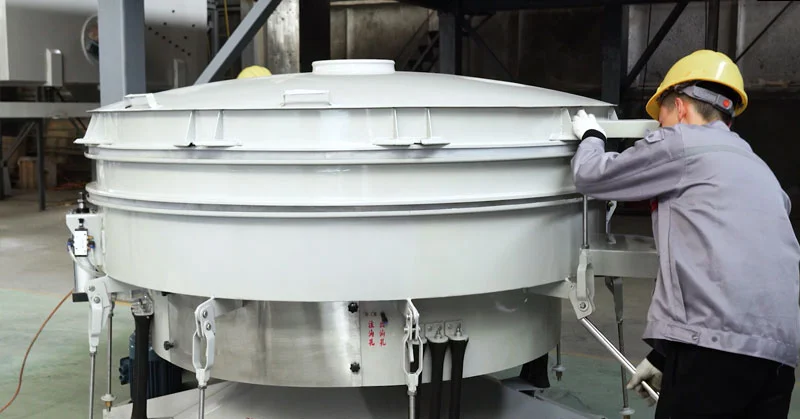
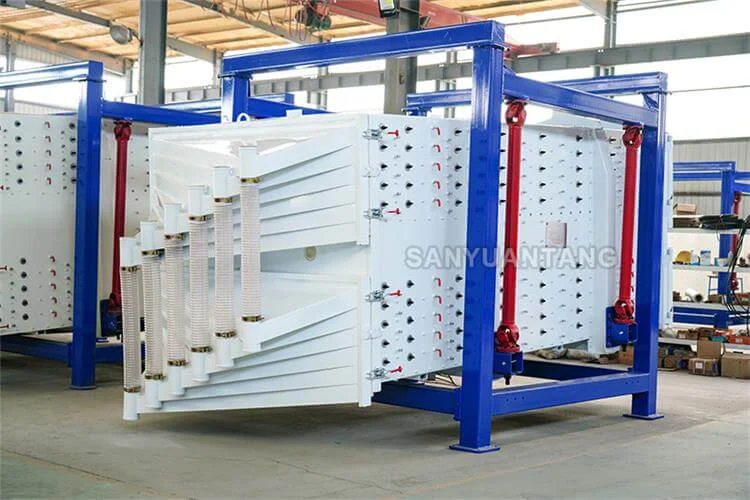
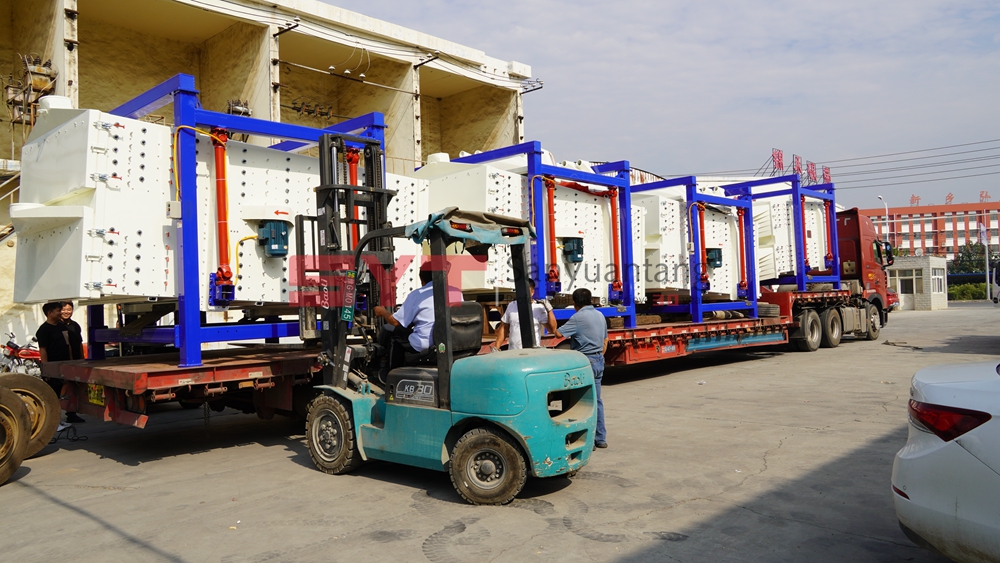
Gyratory Vibrating Sieve for Mining
A low-frequency gyratory motion system simulating manual screening.
Advantages:
- Minimal material damage
- Extremely high precision (up to 6 separations)
Applications:
- High-value materials such as silica sand and frac sand
Specifications
| Parameter | Linear Screen | Circular Screen | Gyratory Screen |
|---|---|---|---|
| Feeding Size | ≤ 200 mm | ≤ 400 mm | ≤ 10 mm |
| Sieve Size | 2–150 mm | 3–150 mm | 5–500 mesh |
| Capacity | 10–600 t/h | 7.5–7000 t/h | 4–200 t/h |
| Layers | 1–6 | 1–4 | 1–5 |
| Inclination | 0°–15° | 15°–25° | 5°–8° |
| Material | Carbon Steel / SUS304 | Alloy Steel | Carbon Steel / Stainless |
Why Choose Sanyuantang Mining Screening Equipment?
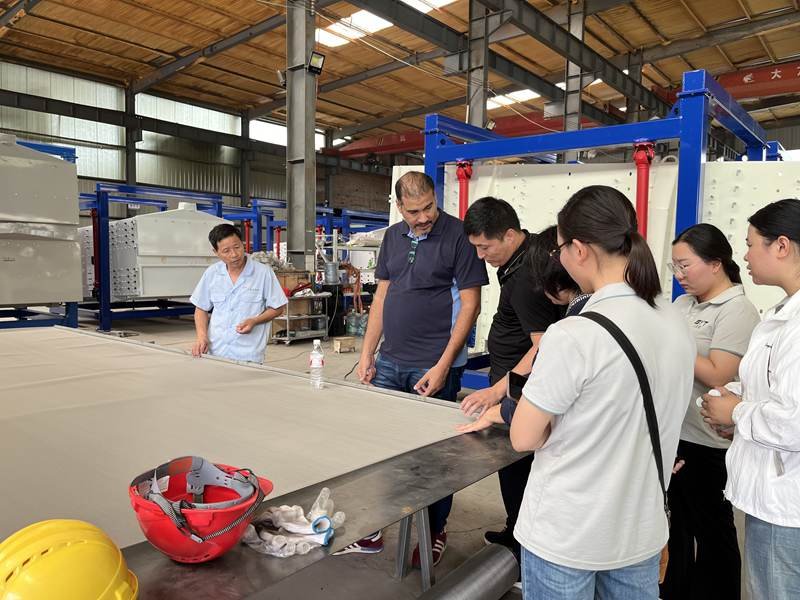
In the highly competitive mining equipment market, Sanyuantang stands out with deep technical expertise and understanding of harsh mining conditions:
Advantages:
- High wear resistance: Optional polyurethane (PU) or manganese steel screens extend lifespan by 3–5 times
- Modular screen design: Quick replacement for different mesh sizes
- Smart vibration monitoring: Real-time monitoring of bearing temperature and amplitude
We provide not only machines, but also complete screening process solutions tailored to specific minerals such as gold, iron ore, and silica sand.


Industry Applications
- Aggregate production: Used in closed-circuit systems (0–50 mm classification)
- Tailings dewatering: High-frequency screens enable dry stacking for environmental compliance
- Industrial minerals: Gyratory screens ensure precision removal of impurities in bentonite and kaolin
FAQs
Q1: How to choose the right mining screening equipment?
A: Selection depends on material size, moisture content, required capacity, and screening precision. Linear, circular, or gyratory screens are chosen based on application needs.
Q2: What is the difference between linear and circular vibrating screens?
A: Linear screens are ideal for fine classification and dewatering, while circular screens are better for coarse materials and higher throughput.
Q3: What is the typical capacity of mining vibrating screens?
A: Capacity ranges from 4 t/h to 7000 t/h depending on the machine type, material properties, and screening requirements.
Q4: Which materials are best for screen panels?
A: Polyurethane (PU) and high manganese steel are commonly used for their excellent wear resistance in mining environments.
Q5: Can mining screening equipment handle wet materials?
A: Yes, especially linear vibrating screens and high-frequency screens are suitable for dewatering and wet material processing.
Q6: How to reduce maintenance costs of screening equipment?
A: Using wear-resistant materials, modular screen designs, and vibration monitoring systems helps extend lifespan and reduce downtime.
Conclusion
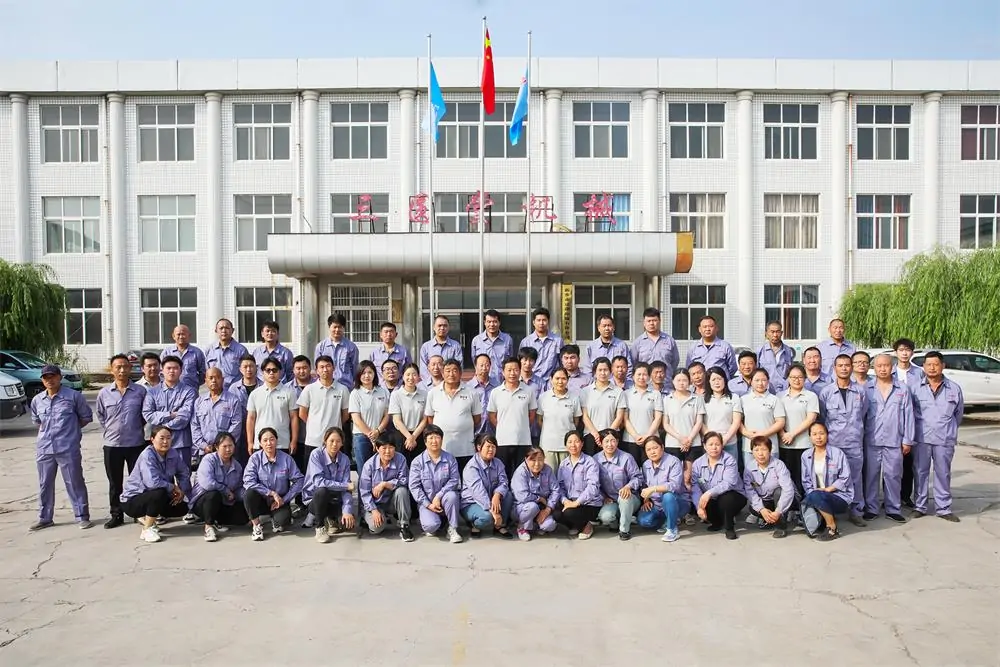
Investing in high-quality mining screening equipment is essential for improving operational efficiency and competitiveness. With advanced mining vibrating screen technology and customized solutions, Sanyuantang helps you achieve stable and high-performance production even in demanding environments.
Contact us now to get detailed quotations and technical drawings.
Email: info@sanyuantang.com
Phone: +86-18639095165