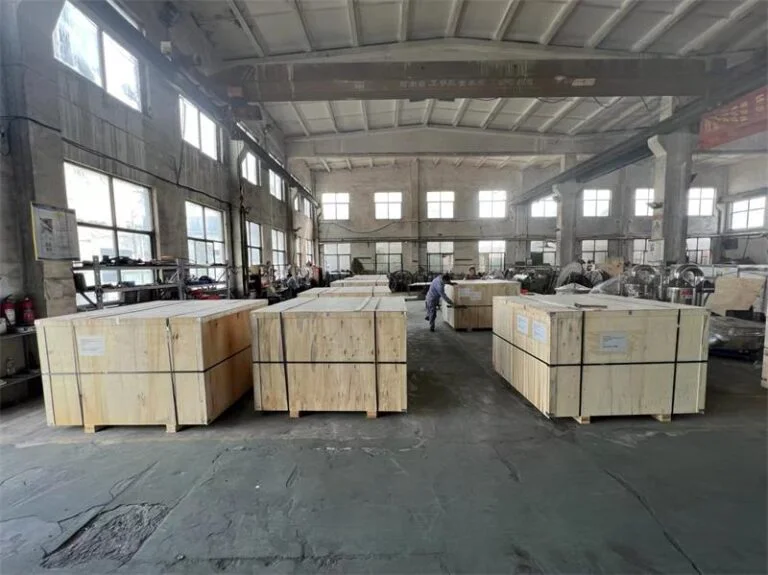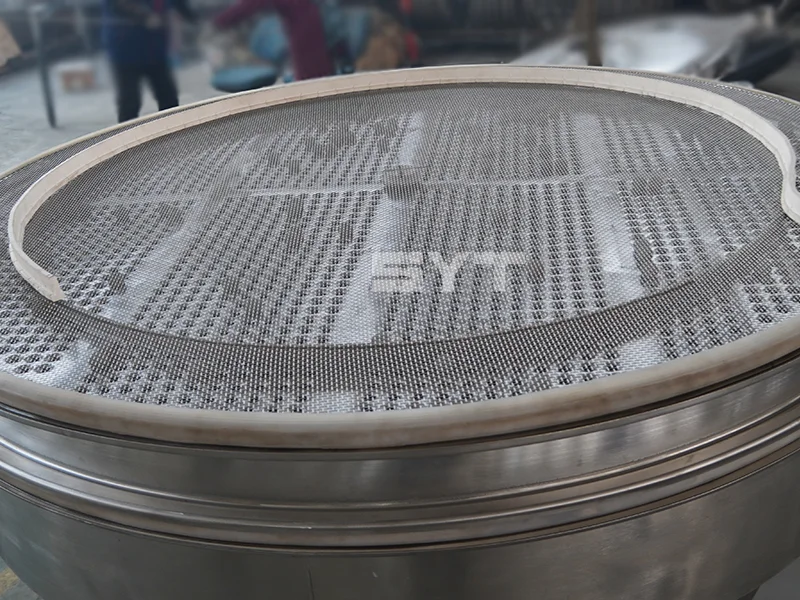
In industrial production activities, the use of industrial sieves spans virtually the entire process of material separation and grading. Whether in food processing or mining operations, whether using simple industrial sieve machines or high-efficiency industrial sieve shakers, the appropriate types of industrial sieves can significantly enhance production efficiency and product quality. Today, let’s take a look at the common types of industrial screens:
Common Types of Industrial Sieves
As an outstanding enterprise in the “Vibrating Sieve Capital,” San Yu Tang Machinery has over 30 years of manufacturing experience. We offer various types of vibrating sieves, and the following are the most common industrial vibrating sieve types:
Large Industrial Sieve
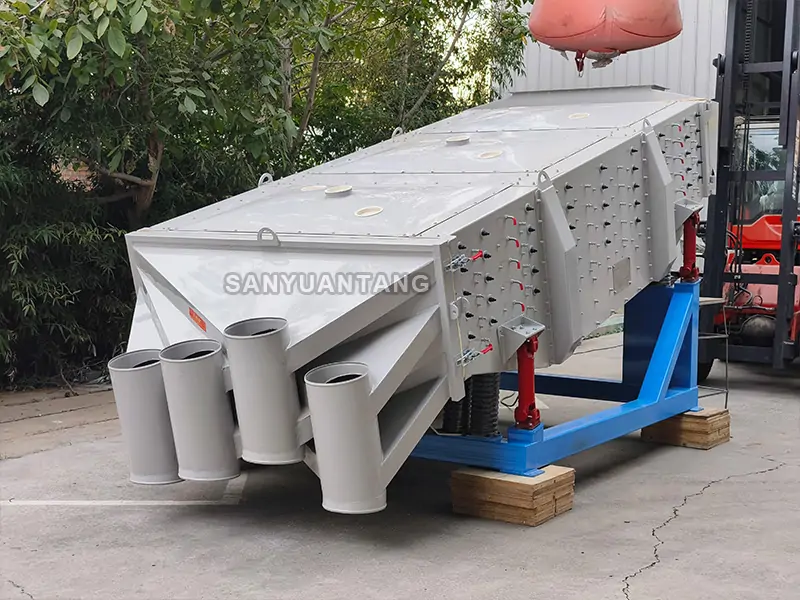
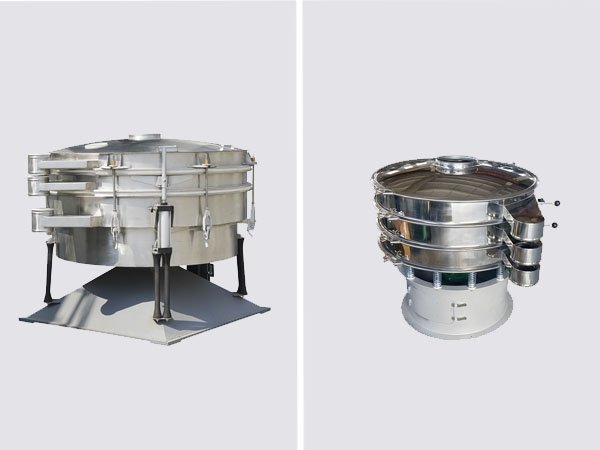
Large Industrial Sieve: This type of sieve can process several tons of material per hour, making it a core piece of equipment for tasks such as separating aggregates, sorting minerals, or filtering large volumes of industrial waste. It is ideal for heavy-duty industrial environments such as construction sites, mining operations, and large manufacturing plants.
Features: High processing capacity, robust construction, typically used for bulk materials such as minerals, coal, and construction materials.
Applications: Mining, quarries, large chemical plants.
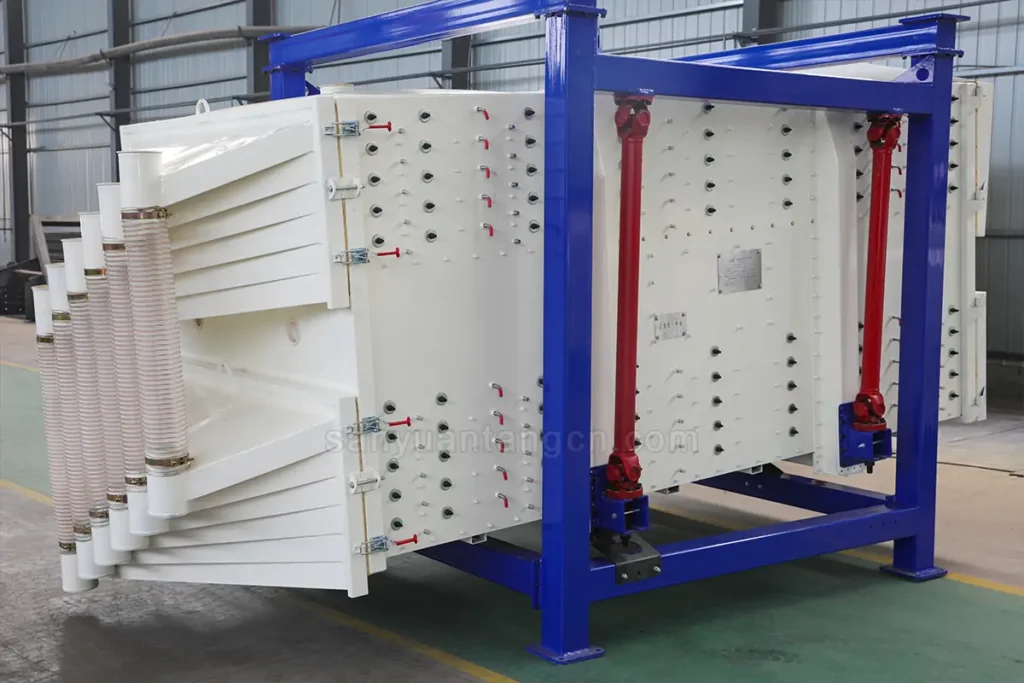
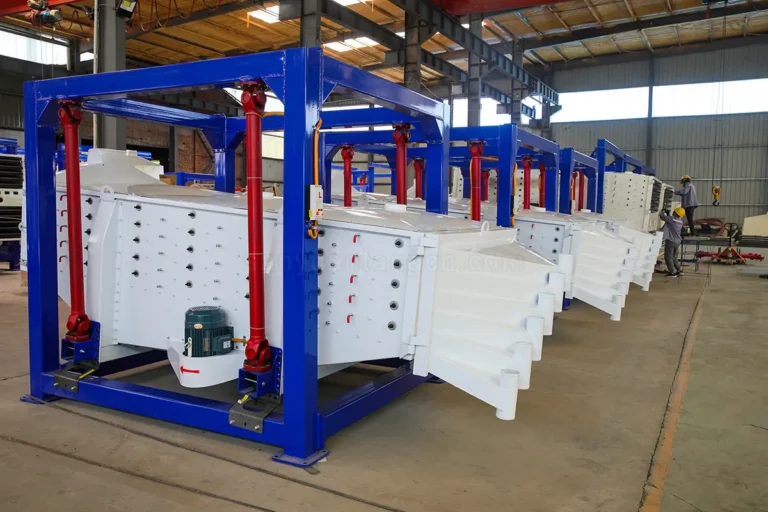
Small Industrial Sieve
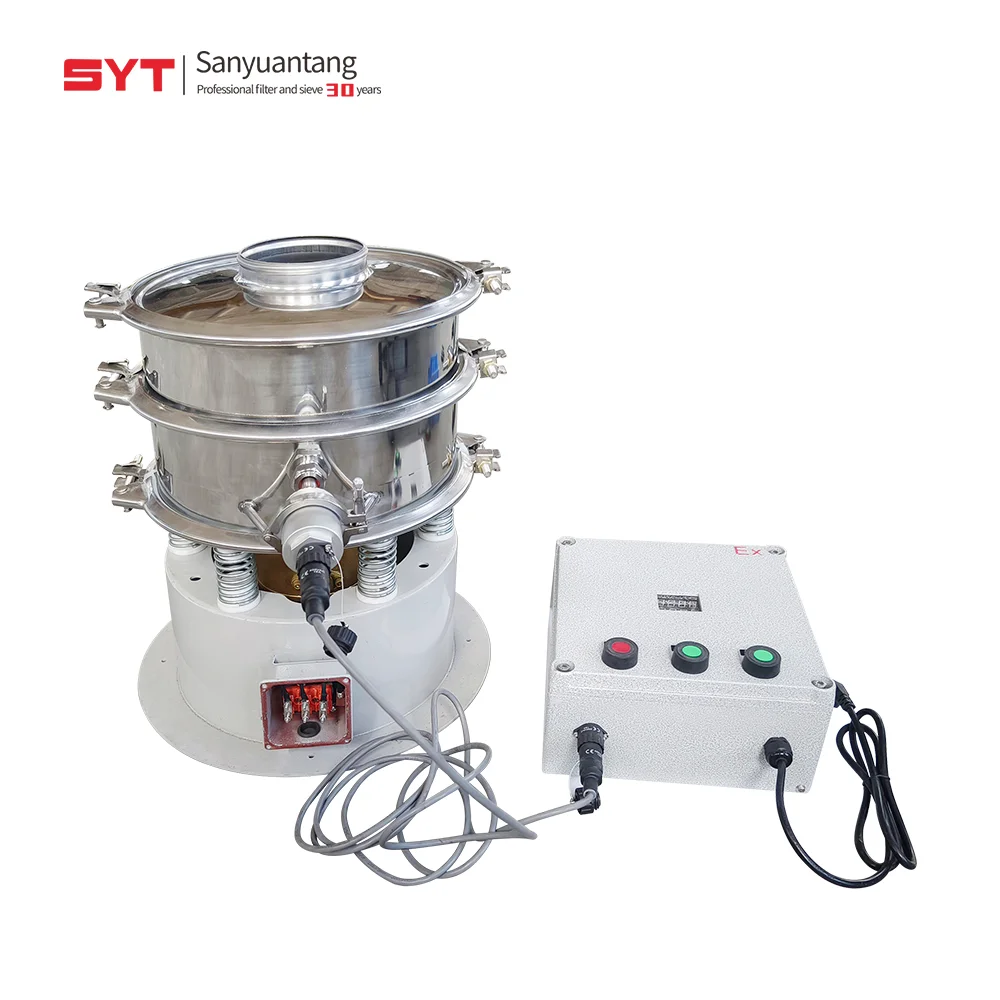
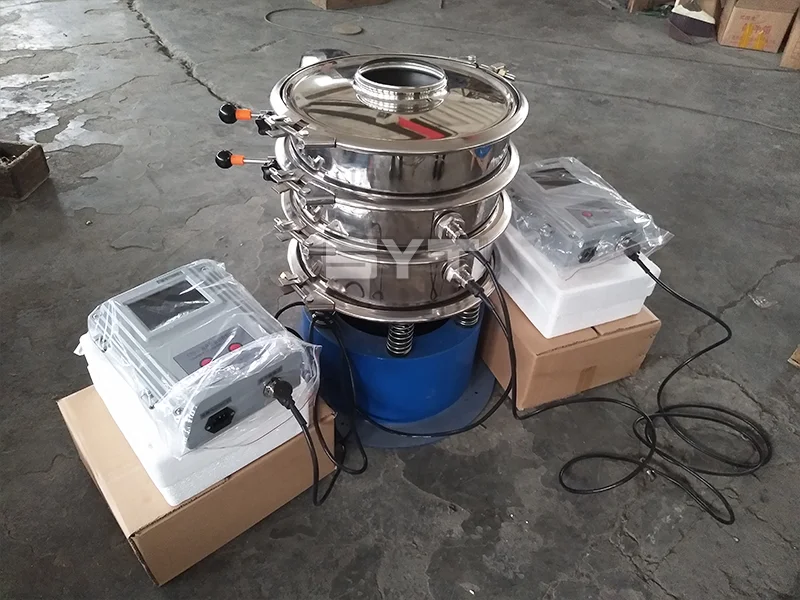
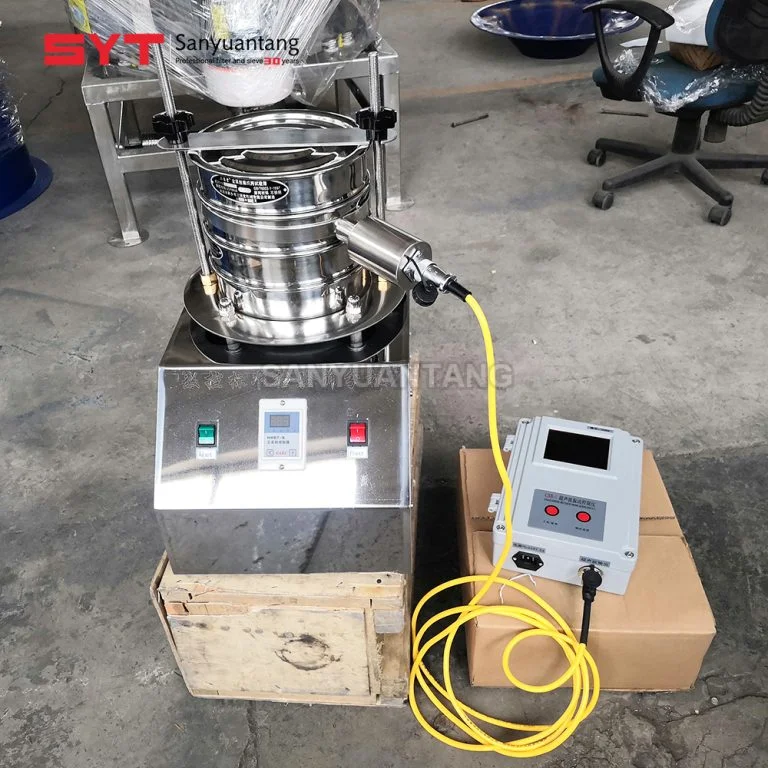
Small Industrial Sieve: Used for tasks such as material particle size testing, small-batch powder screening, or liquid filtration. Commonly found in laboratories, small food processing plants, and pharmaceutical production lines.
Features: Compact footprint, suitable for laboratory R&D, small-batch production, or space-constrained environments.
Applications: Laboratories, small pharmaceutical plants, specialty coffee or specialty powder production.
Stainless Steel Industrial Sieve
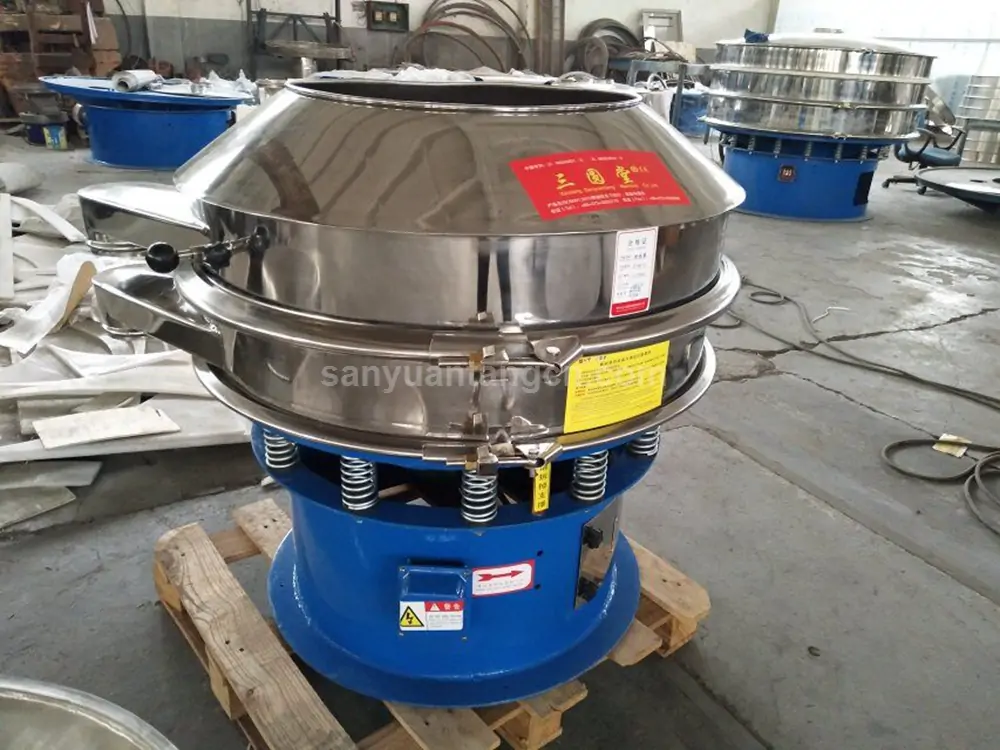
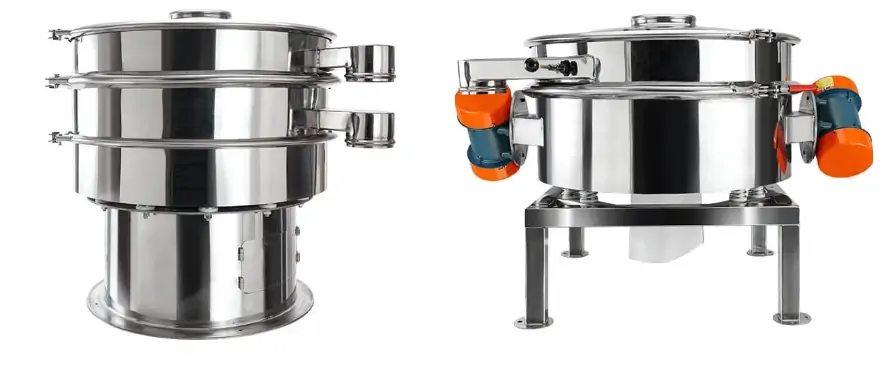
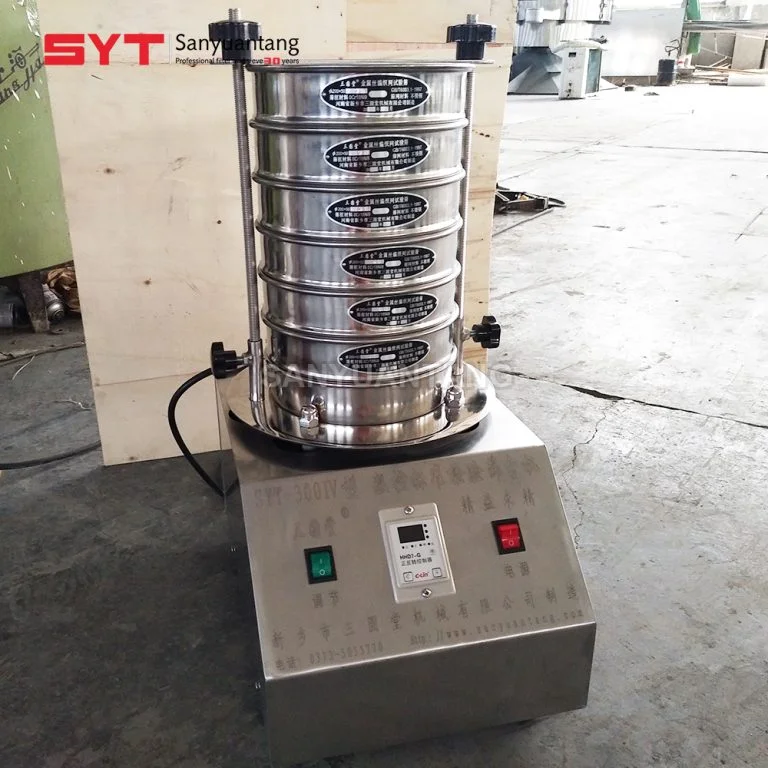
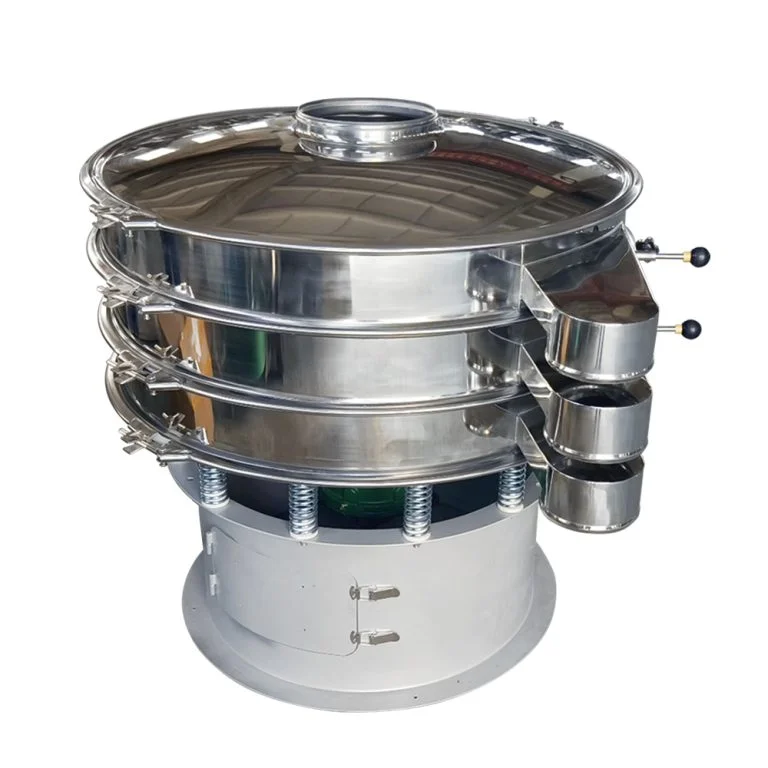
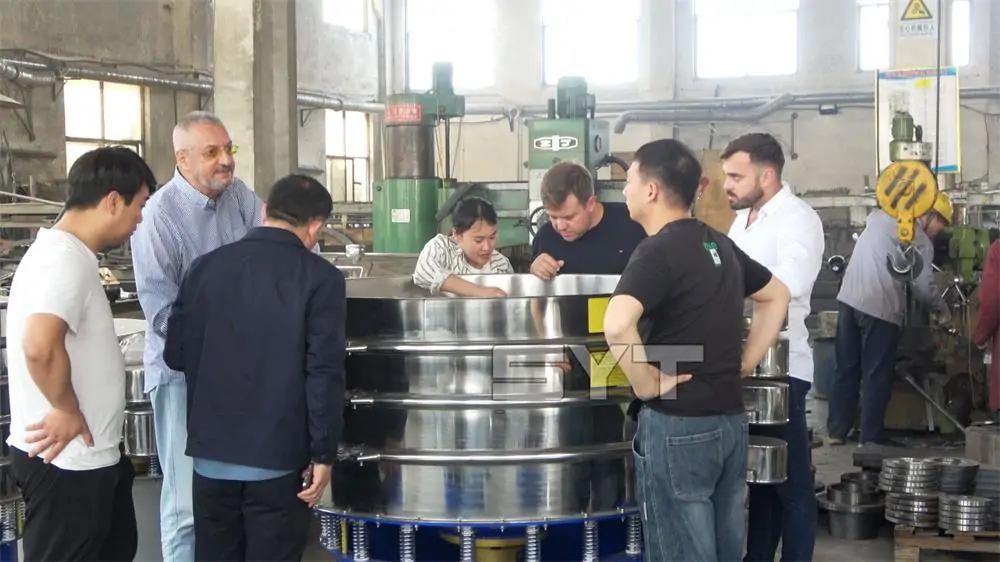
Stainless Steel Industrial Sieve: Stainless steel offers excellent rust resistance, corrosion resistance, and chemical damage resistance, making it ideal for industries with stringent hygiene and contamination prevention requirements, such as food processing, pharmaceuticals, and cosmetics. Stainless steel is durable and can withstand high temperatures and intensive use without deformation. These sieves are available in both large and small sizes and can be designed with multi-layer structures, suitable for various applications from flour screening in bakeries to pharmaceutical powder filtration.
Features: The sieve body and mesh are made of corrosion-resistant, easy-to-clean stainless steel, meeting hygiene standards.
Applications: Food industry (e.g., industrial flour sieving), pharmaceutical industry, chemical industry (high corrosion resistance requirements).
Multi-layer Industrial Sieve
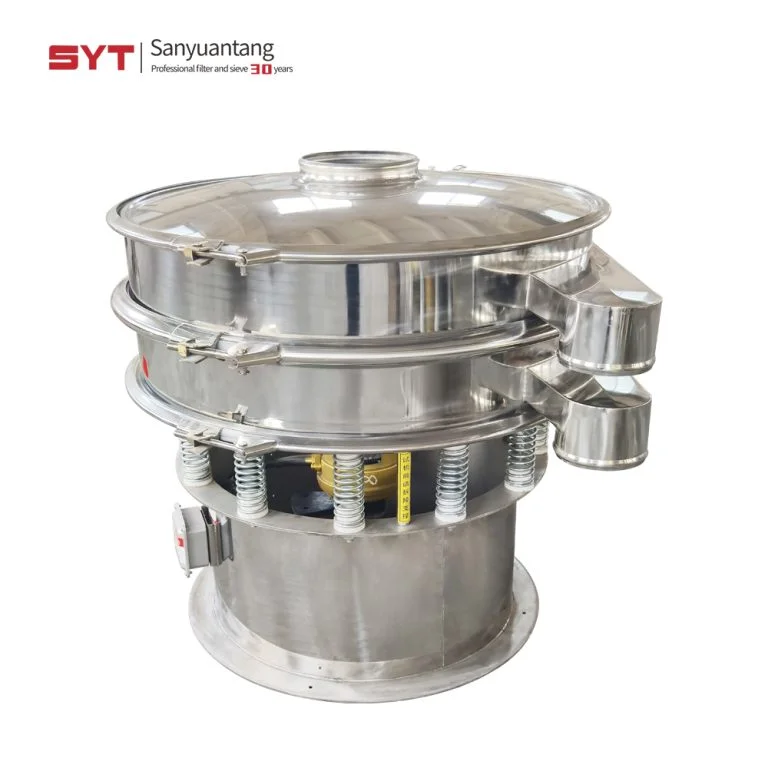
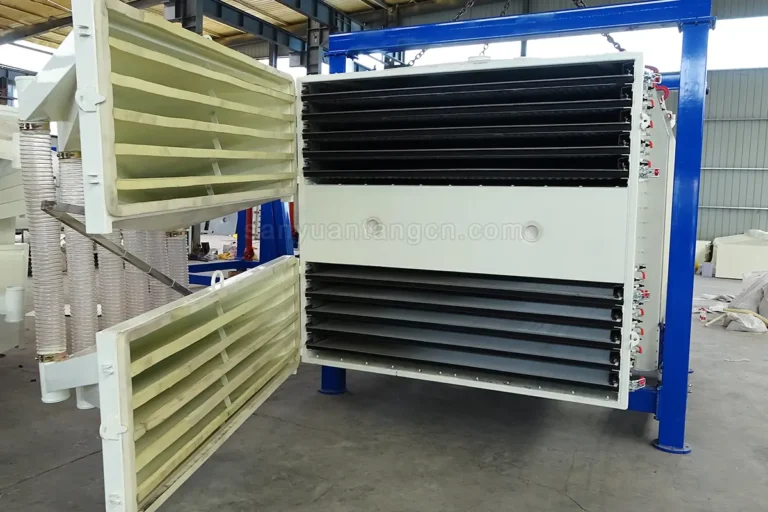
Multi-Layer Industrial Sieve: In scenarios requiring the simultaneous separation of multiple particle sizes, this is an essential choice for an industrial sieve shaker machine. This type of sieve machine vertically stacks two or more layers of overlapping sieve screens (each layer with different mesh sizes), enabling simultaneous separation of materials into coarse, medium, and fine grades.
Features: A single machine houses multiple sieve screens with different pore sizes, enabling simultaneous separation of materials into multiple particle size grades with extremely high efficiency.
Applications: Powder coatings, quartz sand (industrial sand screening), grain grading. resolve issues effortlessly.latest solutions and updates.
High Capacity Industrial Sieve Shaker
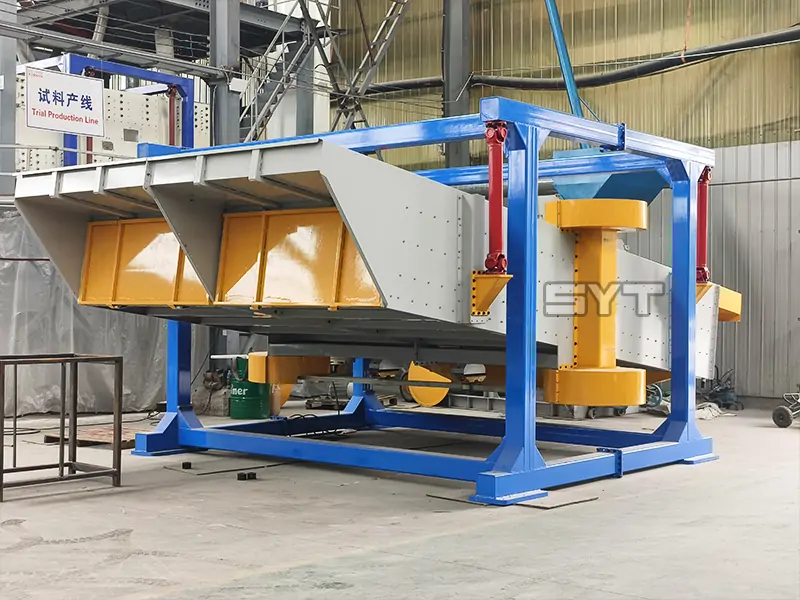
High Capacity Industrial Sieve Shaker Machine: Designed for fast and efficient processing of large quantities of material, with a processing capacity of over 100 tons per hour. It typically features a large screening surface area and a robust structure (such as reinforced frames and heavy-duty screens) to withstand the pressure of continuous high-load operation.
Features: Handles massive flow rates, combining powerful vibration with a large screening surface, making it the workhorse of industrial sieve shakers.
Applications: Large-scale plastic pellets, fertilizers, and mineral processing.
Industrial Vibrating Sieve
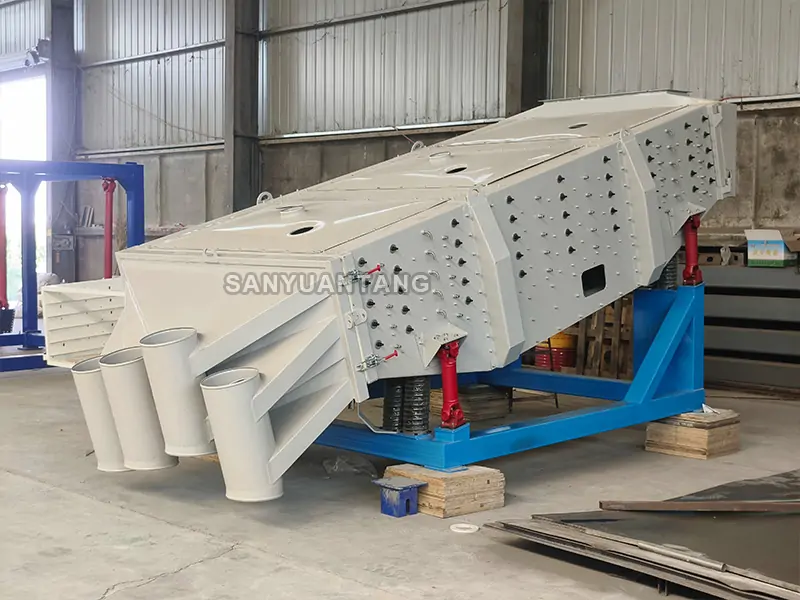
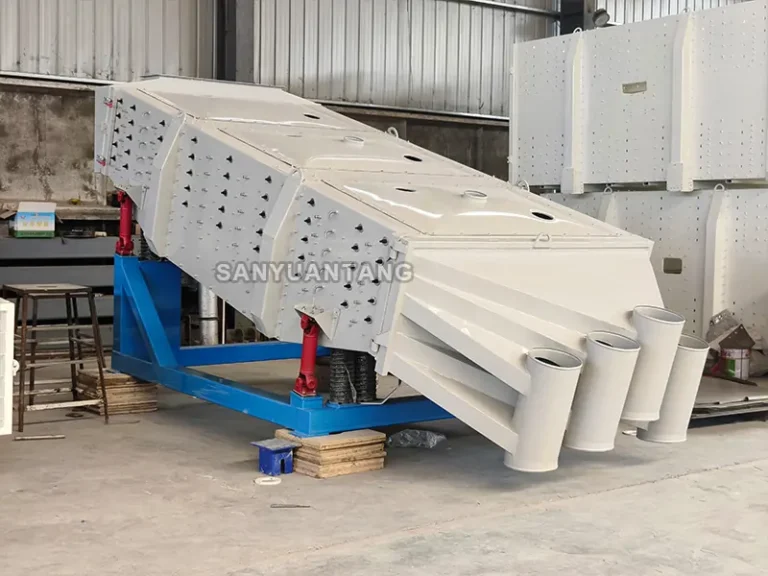
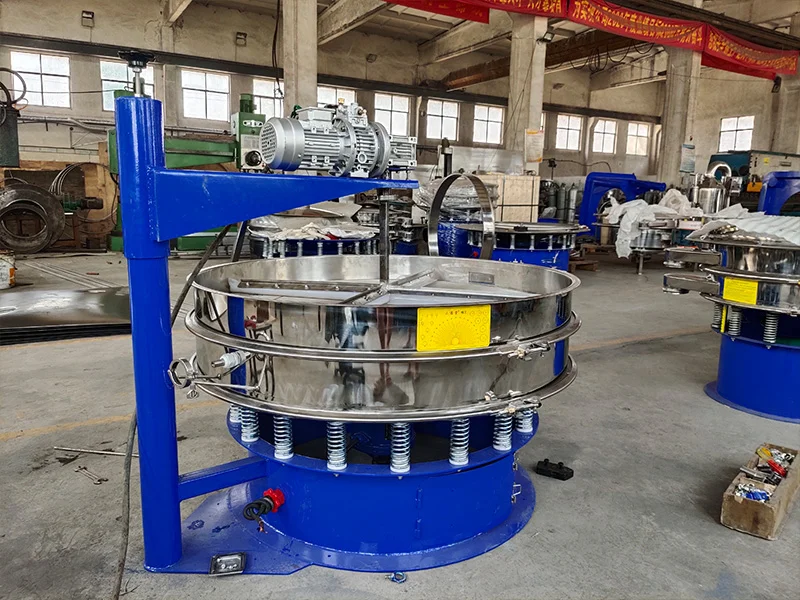
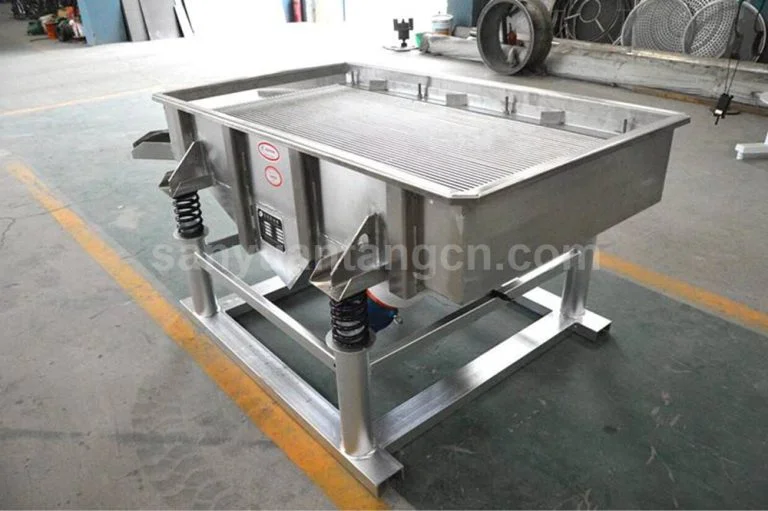
Industrial Vibrating Sieve: Uses mechanical vibration to move materials across the screen surface, accelerating the separation process and reducing the risk of blockages. Industrial vibrating sieves come in various designs, including circular vibrating screens and linear vibrating screens. They are highly versatile and can be used for both dry and wet screening.
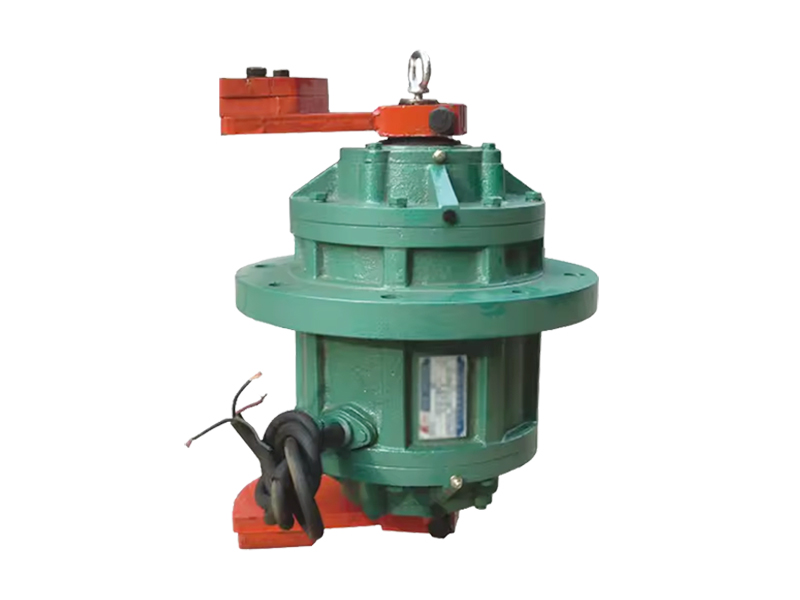
Features: Uses high-frequency vibration generated by an electric motor for screening, offering high efficiency and minimal risk of screen clogging, making it the most widely adopted screening method today.
Applications: Suitable for nearly all industries requiring efficient screening.
Special types categorized by material
- Industrial Soil Sieve: Used in geological, agricultural, and civil engineering fields to analyze soil structure and composition.
- Industrial Garden/Compost Sieve: Used for screening humus and compost, separating stones and undecomposed organic matter to obtain fine planting soil.
- Industrial Kitchen Sieve: Used by large catering establishments for screening flour, sugar powder, starch, or filtering sauces and soups.
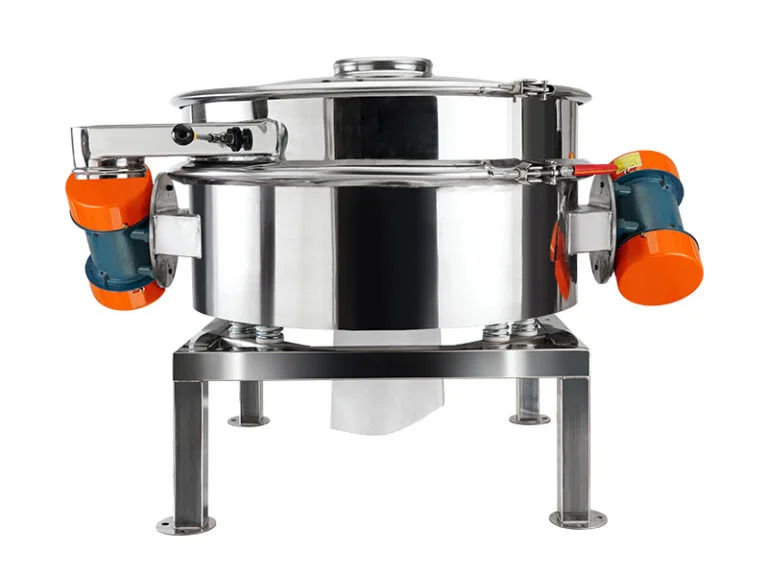
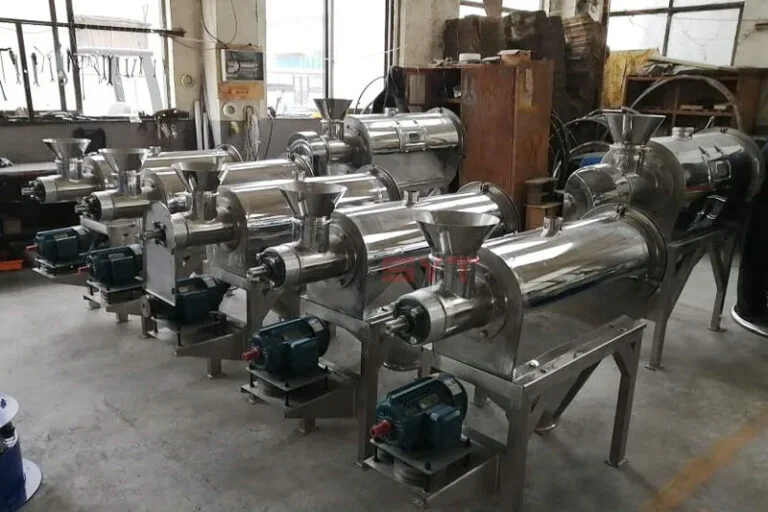
- Industrial Powder Sieve: Specifically designed for handling fine powders that are prone to dust and static electricity, typically equipped with sealed dust-proof devices.
- Industrial Sand Sieve: Used in construction and foundry industries to ensure sand particle size meets standards.



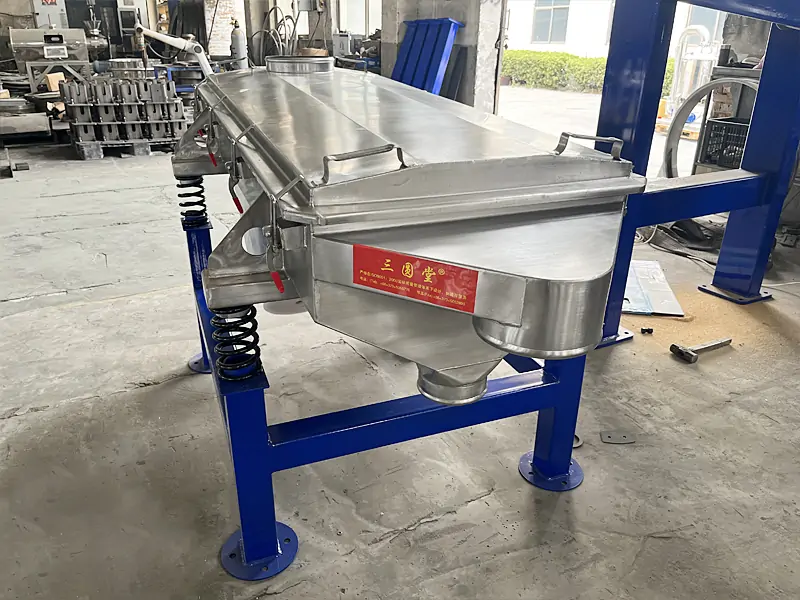
How to choose the right industrial sieve?
When selecting an industrial sieve, consider the following factors:
- Material characteristics: particle size, shape, moisture content, viscosity, density, etc.
- Processing capacity requirements: How many tons or cubic meters of material need to be processed per hour?
- Screening precision: How strict are the requirements for particle grading?
- Hygiene requirements: Is stainless steel material and an easy-to-clean design required?
- Production environment: Space size, explosion-proof, and dust-proof requirements?
Conclusion:
By understanding the different types of industrial sieves, selecting the appropriate industrial sieve shaker machine can enhance production efficiency, ensure product quality, and reduce operational costs. Whether you need a Stainless Steel Industrial Sieve for food processing, a Multi-Layer Industrial Sieve for material grading, or an Industrial Vibrating Sieve for efficient separation, please contact us now. As a manufacturer with over 30 years of experience in vibrating sieve production, we offer industrial sieve machines and sieving solutions tailored to your specific needs.