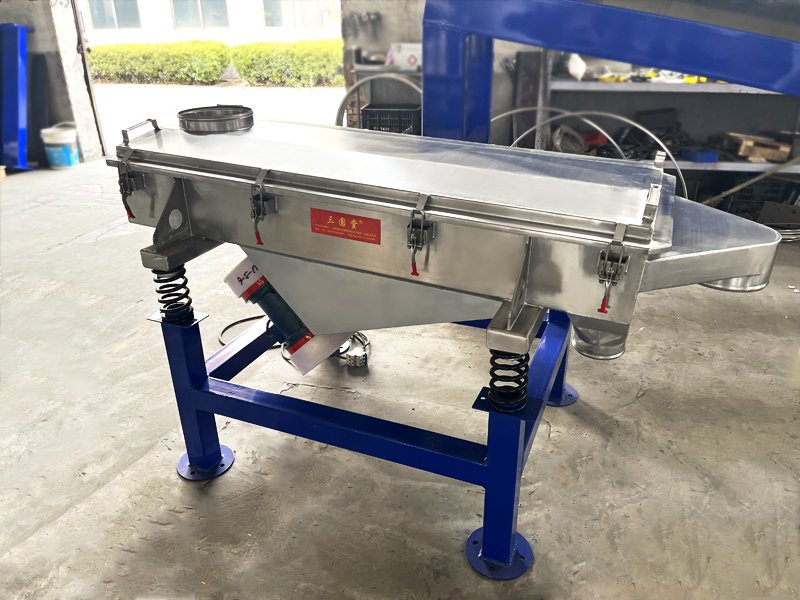
A rotary vibrating screen, also known as a three-dimensional vibrating screen or rotary vibrating sieve, is a common screening machine used for powder, granule, and slurry material separation. It is widely applied in industries such as food processing, pharmaceuticals, chemicals, metallurgy, ceramics, and building materials for applications including:
Two small but important rotary vibrating screen parts are the bouncing balls used for mesh cleaning and the damping springs that support the screen body and control vibration transmission.
- Particle classification
- Material grading
- Impurity removal
- Powder filtration
Unlike ordinary screening equipment, a rotary vibrating screen uses three-dimensional vibration generated by a vertical vibration motor. The combined movement of horizontal, vertical, and rotational vibration allows materials to spread evenly across the screen surface and improves screening accuracy. However, stable screening performance does not rely only on the vibration motor. The feeding structure, screen frame design, mesh tension system, cleaning device, and vibration adjustment mechanism all influence the final screening result.
Based on the structural design of rotary vibrating screens, this article explains the function of each main component and how these parts affect equipment performance in actual applications.
Rotary Vibrating Screen Structure Overview
A complete rotary vibrating screen mainly consists of three sections:
| Structure Section | Main Components | Main Function |
|---|---|---|
| Upper Feeding Unit | Sealing cover, feeding inlet | Controls material feeding and prevents contamination |
| Middle Screening Unit | Clamp ring, screen frame, mesh, cleaning system | Completes classification and filtration |
| Lower Vibration Unit | Motor, eccentric weights, springs, base | Generates vibration and maintains stable operation |
Each component works together. A problem in one section can affect the entire screening process.
For example, improper feeding may cause uneven material distribution, while incorrect vibration adjustment may reduce screening efficiency even when the mesh selection is correct.
1. Upper Sealed Feeding Unit
The upper section is responsible for introducing materials into the screening chamber while maintaining a closed working environment. This design is especially important for industries requiring clean production, such as food, pharmaceutical, and fine chemical applications.
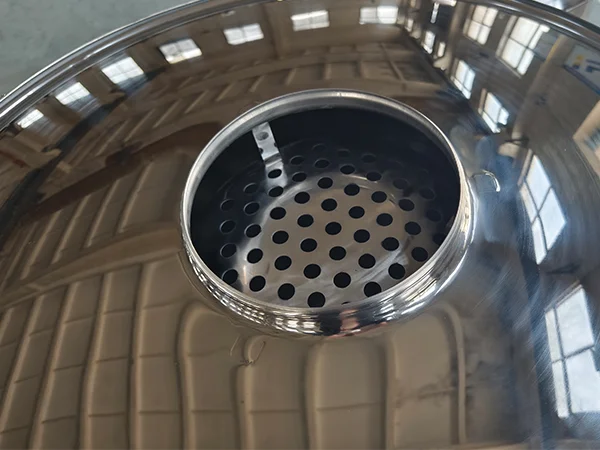
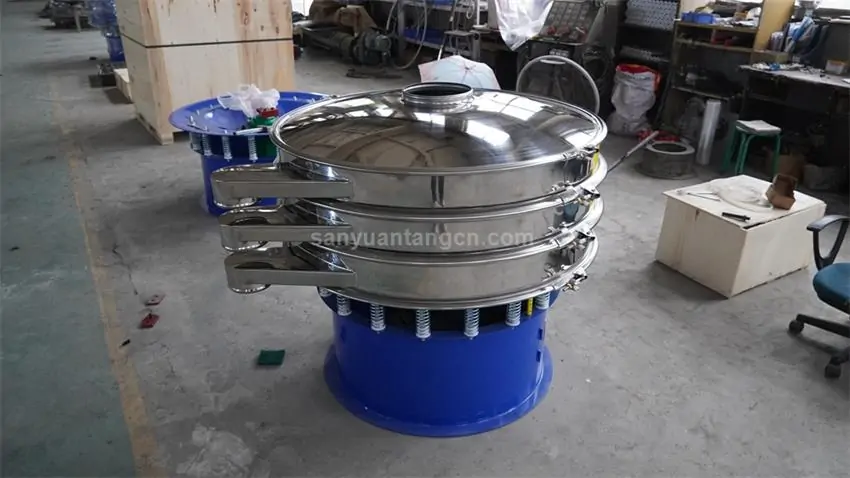
Dust-proof Sealing Cover
The dust-proof sealing cover is installed on the top of the rotary vibrating screen. It usually adopts a cone-shaped stainless steel structure with a flange pressing edge. A food-grade silicone sealing gasket is installed between the cover and the screen frame to improve sealing performance.
Main functions:
| Function | Practical Effect |
| Dust prevention | Prevents external contamination and reduces powder leakage |
| Material guidance | Directs materials toward the center of the screen surface |
| Sealing protection | Suitable for clean production environments |
The cone-shaped design is not only for appearance. During feeding, materials naturally move toward the center area, helping avoid uneven loading on one side of the screen. In actual production, uneven feeding is one of the common reasons for reduced screening efficiency because excessive material accumulation in one area can accelerate mesh blockage.
Center Feeding Inlet
The feeding inlet is located at the center of the upper cover.
According to different production systems, it can be customized with:
- Flange connection
- Quick clamp connection
- Feeding hopper
- Automatic conveying connection
The centered feeding design helps distribute materials evenly before the vibration separation process begins. For automated production lines, the inlet can directly connect with storage tanks, screw conveyors, or other feeding equipment.
2. Middle Multi-layer Screening Unit
The middle section is the core working area of the rotary vibrating screen. Material separation is completed through the cooperation of screen frames, screen mesh, discharge outlets, and cleaning systems.
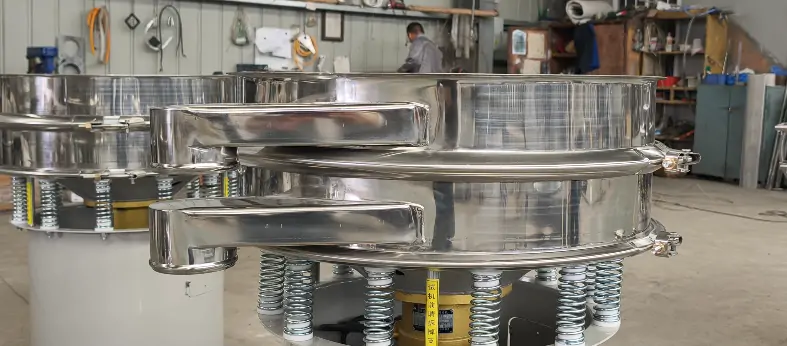
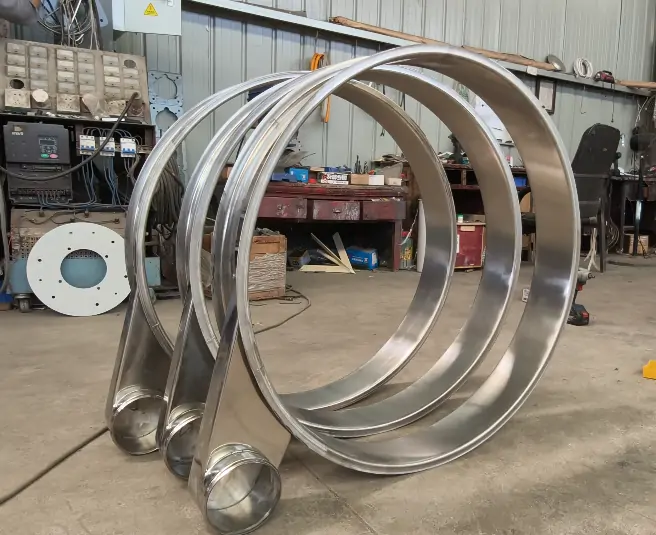
Clamp Ring (Locking Hoop)
The clamp ring is used to connect and fix the screen body structure.
It includes:
- Small clamp ring: connects the upper cover and first screen frame
- Large clamp ring: locks different screen layers and connects the screen frame with the bottom structure
The structure consists of stainless steel semicircular clamps and fastening bolts.
Why the clamp ring matters
During continuous vibration, the screening body experiences repeated high-frequency movement. If the locking force is insufficient, problems may occur:
- Powder leakage
- Screen frame displacement
- Increased noise
- Reduced screening stability
A well-designed clamp ring allows operators to quickly remove the screen layers for cleaning, mesh replacement, and maintenance.
Multi-layer Screen Frame
The screen frame is manufactured from steel plates or stainless steel plates through rolling and welding processes. The structure includes upper and lower connecting flanges, providing strength and vibration resistance.
Each screen layer performs independent classification.
| Screen Layer | Function |
| Upper screen layer | Removes oversized particles |
| Middle screen layer | Performs intermediate classification |
| Lower screen layer | Separates fine qualified materials |
Multi-layer structures allow one machine to complete several screening processes at the same time.
For example, a three-layer rotary vibrating screen can separate one raw material into different particle size ranges through different mesh selections.
Layered Discharge Outlet
Each screen frame is equipped with a side discharge outlet. Some models include adjustable material control gates. The discharge outlet affects how long materials remain on the screen surface.
| Adjustment | Effect |
| Faster discharge | Higher capacity, shorter screening time |
| Slower discharge | Longer screening time, higher separation accuracy |
In practical applications, operators often adjust discharge conditions according to material characteristics. Fine powders usually require longer residence time, while coarse particles may require faster discharge.
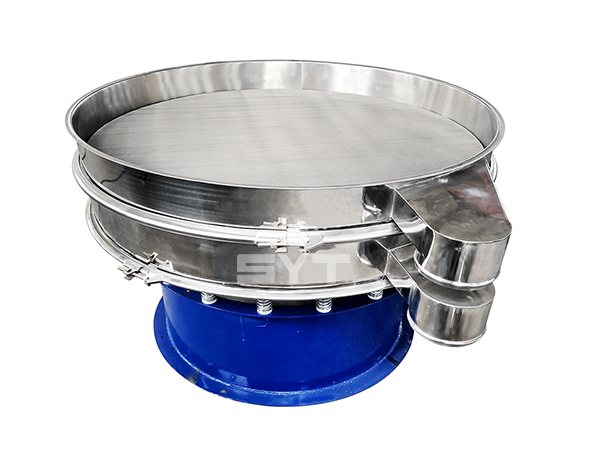
Parent-child Mesh Frame (Tension Structure)
The parent-child mesh frame is a special screen fixing structure used in rotary vibrating screens.
It consists of:
- Parent mesh frame
- Child mesh frame
- Screen tension bolts
The main purpose is to maintain uniform screen tension.
A properly tensioned screen helps prevent:
- Mesh deformation
- Loose screen surface
- Uneven screening
- Shortened screen service life
For fine powder screening, stable mesh tension is particularly important because small changes in screen condition can directly influence particle size accuracy.
Screening Mesh
The screening mesh is the component that directly determines separation accuracy. Its function is to allow qualified particles to pass through while blocking oversized particles.
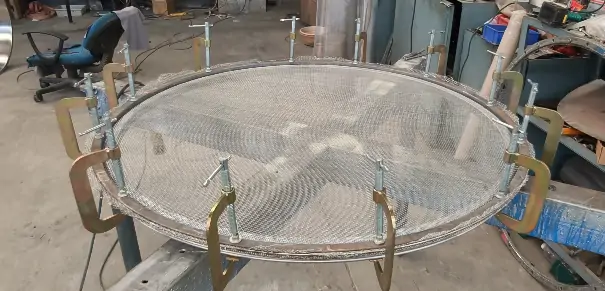
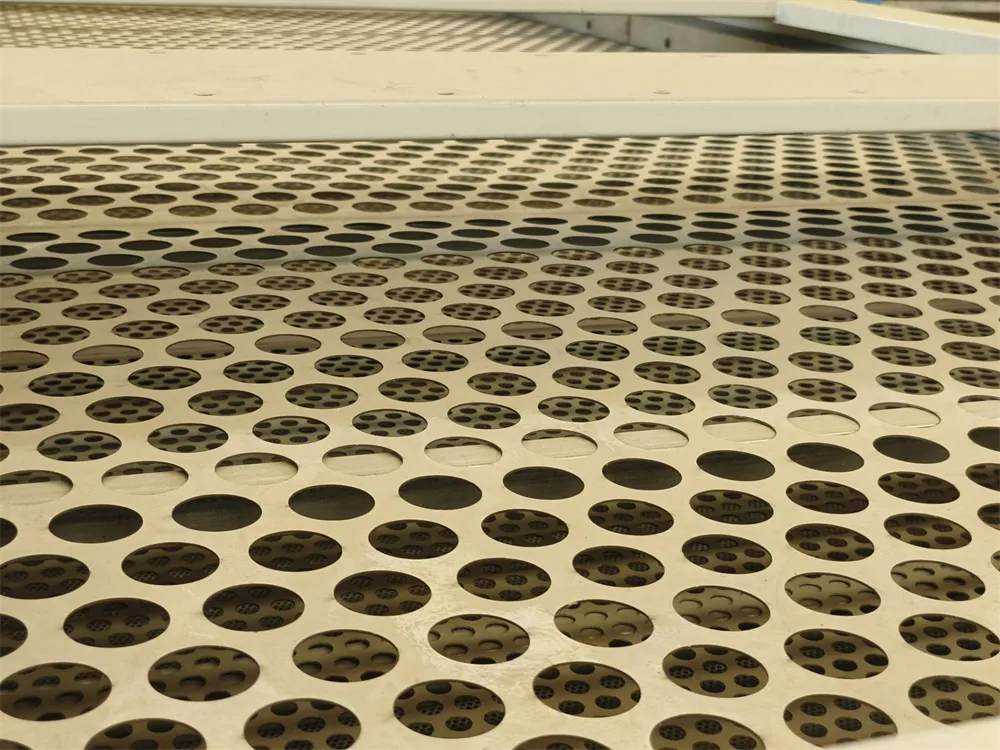
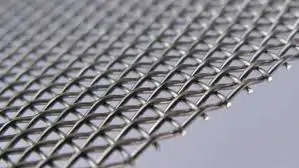
Common selection factors include:
| Factor | Influence |
| Mesh size | Determines final particle size |
| Material type | Affects wear resistance and service life |
| Opening design | Influences screening efficiency |
For example:
- Stainless steel mesh is commonly used for food and chemical applications.
- Stronger mesh structures are preferred for abrasive materials.
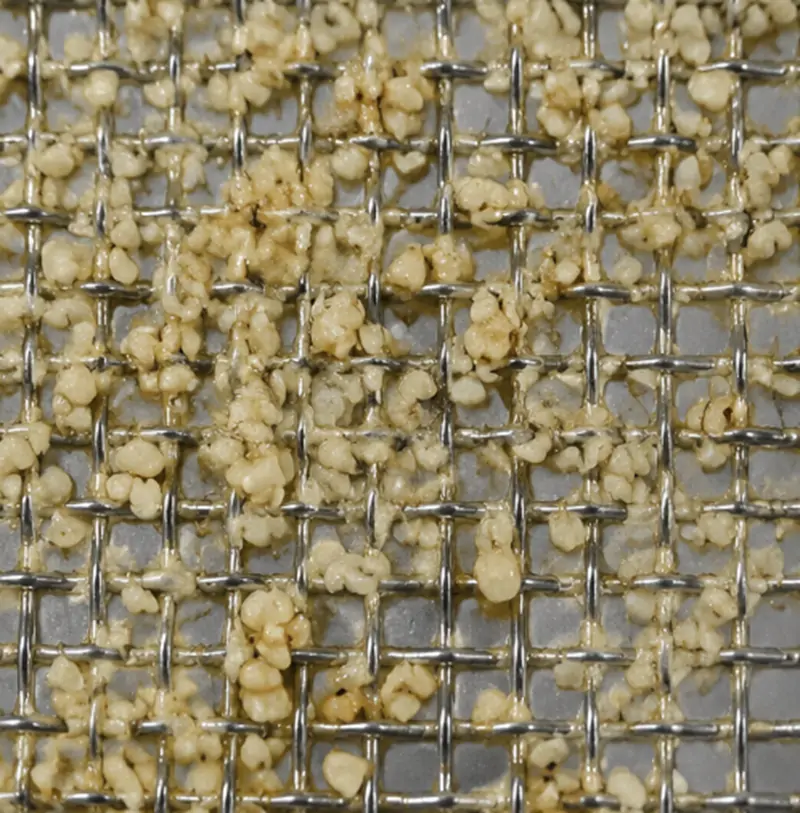
- Special cleaning systems may be required for fine powder with strong adhesion.
- Incorrect mesh selection is one of the most common reasons for unstable screening performance.
Automatic Mesh Cleaning System (Bouncing Balls + Tray)
The automatic cleaning device consists of:
- Silicone or rubber bouncing balls
- Perforated support tray
It is installed below the screen mesh.
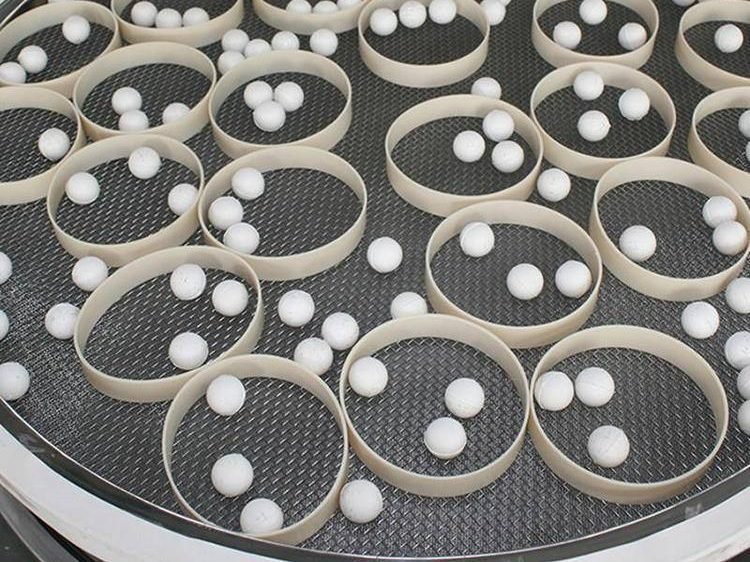
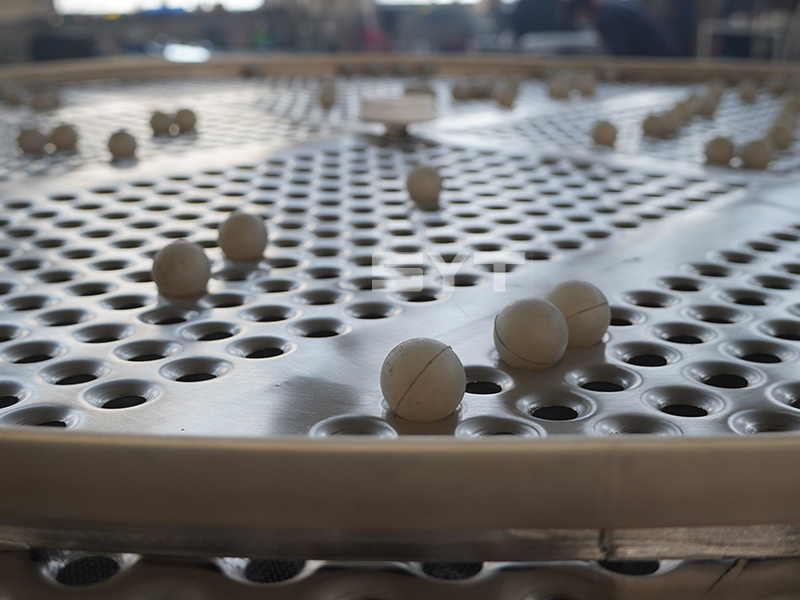
During operation, vibration causes the balls to repeatedly impact the bottom of the mesh.
This movement removes particles trapped in the mesh openings.
Typical applications:
| Material Condition | Recommended Cleaning Method |
| Normal powder | Rubber bouncing balls |
| Fine powder | Silicone bouncing balls |
| High viscosity or electrostatic powder | Additional ultrasonic cleaning may be required |
For materials such as fine chemical powder or high-static powder, bouncing balls alone may not always provide sufficient cleaning. In these cases, ultrasonic vibration systems can be added to improve mesh opening recovery.
3. Lower Vibration Drive Unit
The lower section provides the vibration force required for material movement.
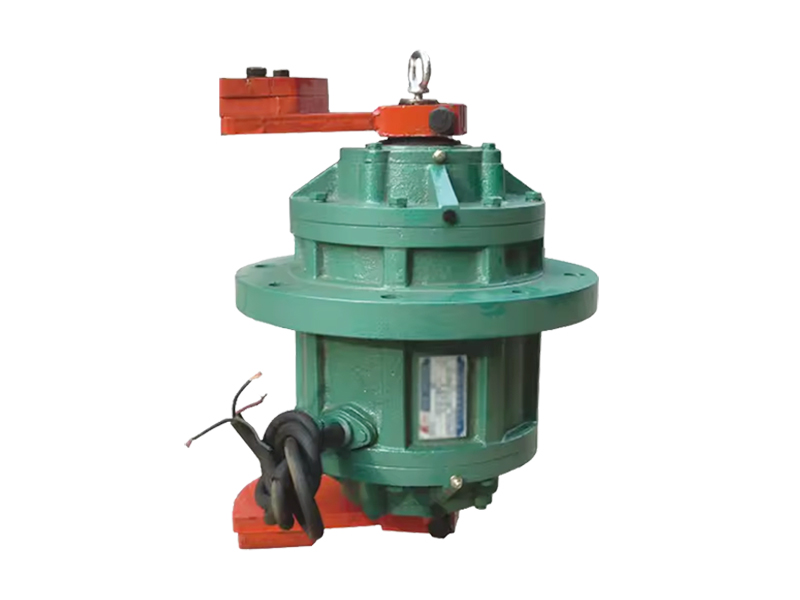
Vertical Vibration Motor
The vertical vibration motor is installed at the center of the machine base. It is the only power source of the rotary vibrating screen. Compared with traditional horizontal vibration systems, the vertical motor produces three-dimensional vibration movement, allowing materials to move in different directions across the screen surface.
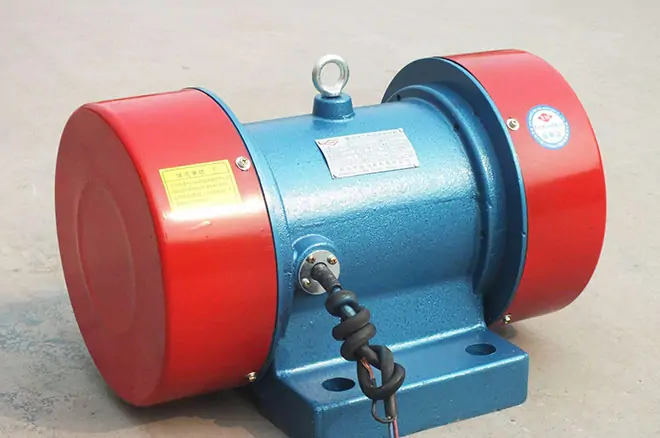
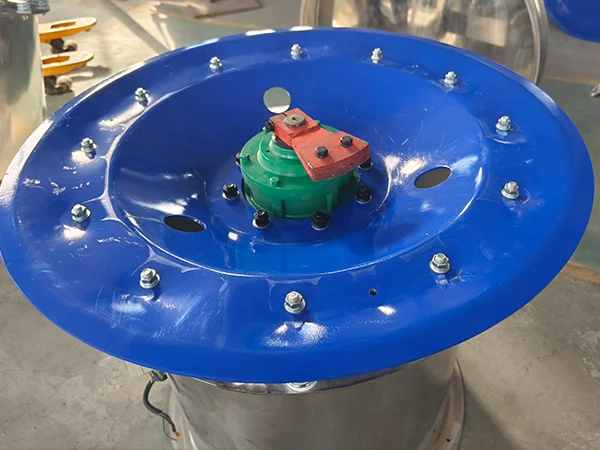
Main features:
- Stable operation
- Low noise
- Easy maintenance
- Continuous working capability
Upper and Lower Eccentric Weights
The eccentric weights are installed at both ends of the vibration motor.
By adjusting their relative angle and weight, operators can control material movement.
| Adjustment Effect | Material Movement |
| Increase horizontal force | Faster outward movement |
| Increase vertical force | Stronger jumping and separation |
| Balanced adjustment | Stable screening performance |
For different materials:
- Fine powder usually requires more controlled movement to prevent rapid discharge.
- Coarse particles may require stronger movement force.
- Wet materials often need stronger vibration conditions to reduce blockage.
Proper eccentric weight adjustment is an important factor in achieving the expected screening result.
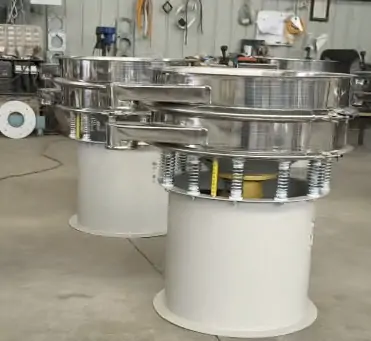
Vibration Bottom Frame and Shock Absorption System
The vibration bottom frame supports the screen body and fixes the vibration motor.
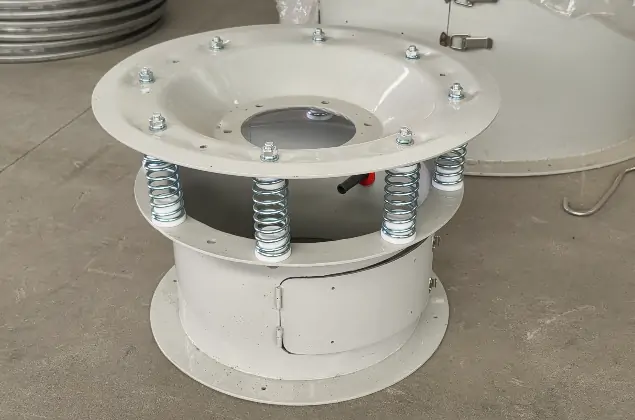
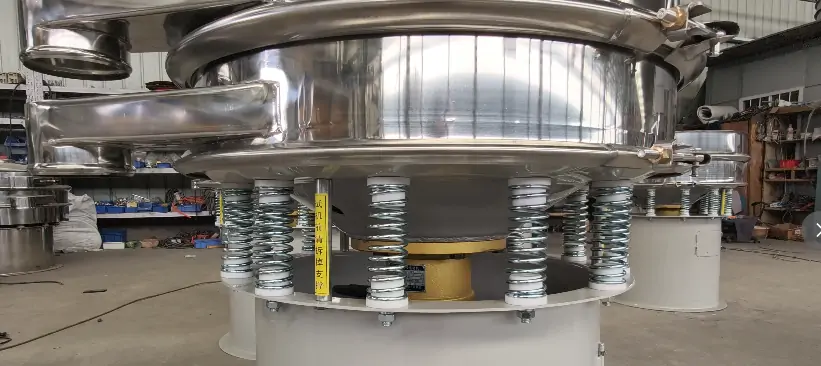
Between the vibrating body and fixed base, multiple high-strength rubber or steel springs are installed.
Their functions include:
- Absorbing vibration energy
- Reducing vibration transmission
- Lowering operating noise
- Improving equipment stability
The spring system also protects the machine structure and factory floor from excessive vibration.
Fixed Base
The fixed base is the bottom supporting structure of the rotary vibrating screen.
It is manufactured from thick steel plates to provide:
- Stable support
- Strong load-bearing capacity
- Long-term operating reliability
A strong base ensures that vibration energy is effectively used for screening instead of causing unnecessary machine movement.
How to Improve Rotary Vibrating Screen Performance?
From practical manufacturing experience, screening problems are often not caused by one single component.
Common factors include:
| Problem | Possible Cause |
| Low screening efficiency | Incorrect mesh selection or improper vibration adjustment |
| Frequent mesh blockage | Material moisture, static electricity, insufficient cleaning |
| Powder leakage | Poor sealing or loose clamp ring |
| Unstable output | Uneven feeding or incorrect eccentric weight setting |
Selecting the correct structure according to material characteristics is more important than simply choosing a larger machine.
Conclusion
The rotary vibrating screen is a complete system where feeding, screening, vibration, and cleaning structures A rotary vibrating screen is a complete system in which the feeding, screening, vibration, and cleaning mechanisms work in tandem.
Understanding each component helps you select the right equipment, improve screening accuracy, reduce maintenance frequency, and extend the screen’s service life. Depending on the specific materials and production requirements, the configuration of the rotary vibrating screen should be adjusted based on particle size, moisture content, viscosity, production capacity, and cleanliness standards.
A well-designed rotary vibrating screen structure can provide more stable performance and better long-term value for industrial screening applications.
If you have further questions, please contact us at Sangyuantang today, and we will provide you with the best solution.
Email: info@sanyuantang.com
Phone: +86-18639095165
FAQs
What are the main components of a rotary vibrating screen?
A rotary vibrating screen mainly consists of three sections: the upper feeding unit, middle screening unit, and lower vibration drive unit. The main components include the sealing cover, feeding inlet, screen frame, mesh system, vibration motor, eccentric weights, springs, and fixed base.
How does the structure of a rotary vibrating screen affect screening performance?
The structure directly affects material distribution, screening accuracy, and equipment stability. The feeding system controls material flow, the screen structure determines separation efficiency, and the vibration system controls the movement path of materials on the screen surface.
Why does a rotary vibrating screen need a bouncing ball cleaning system?
The bouncing ball cleaning system helps prevent powder from blocking the mesh openings. During vibration operation, the balls continuously impact the bottom of the screen mesh and remove particles trapped inside the openings, improving continuous screening efficiency.
How do eccentric weights affect rotary vibrating screen performance?
The upper and lower eccentric weights control the movement pattern of materials by adjusting vibration direction and intensity. Proper adjustment can improve material spreading, screening accuracy, and discharge speed for different materials.
What factors should be considered when selecting a rotary vibrating screen structure?
Selection should consider material characteristics, particle size, moisture content, viscosity, required capacity, cleanliness requirements, and the desired screening accuracy. Different materials may require different mesh structures and cleaning methods.
What is the difference between a standard rotary vibrating screen and a customized screening solution?
A standard rotary vibrating screen uses common configurations, while a customized solution adjusts the screen layers, mesh material, cleaning system, contact materials, and vibration settings according to specific production requirements.