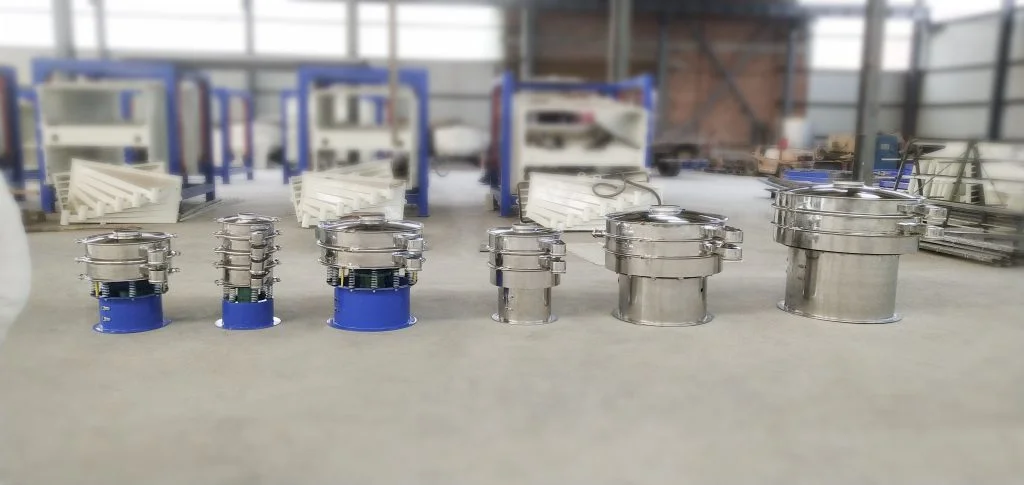
What is a circular vibrating screen?
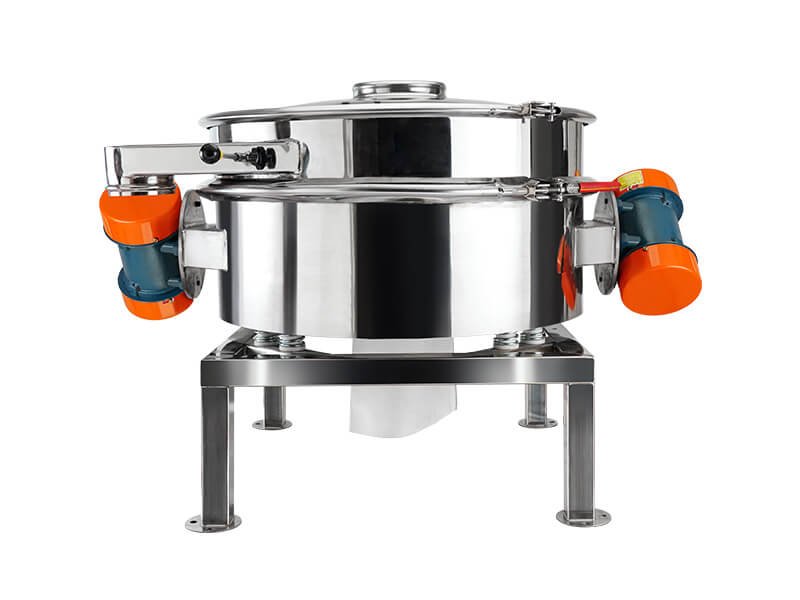
A circular vibrating screen is a screening machine that uses three-dimensional vibration generated by a vibrating motor to separate materials according to particle size. The vibrating screen working principle is based on the continuous movement of materials on the vibrating screen surface. Fine particles pass through the screen mesh, while oversized particles move toward the discharge outlet.
The vibration path describes how the screen moves, while amplitude describes how far it moves from equilibrium. See how vibrating screen amplitude is measured and how single amplitude differs from stroke.
This type of vibrating screen is widely used for powder, granule, slurry, and fine material screening in industries such as chemical processing, food, pharmaceuticals, mining, and new materials.

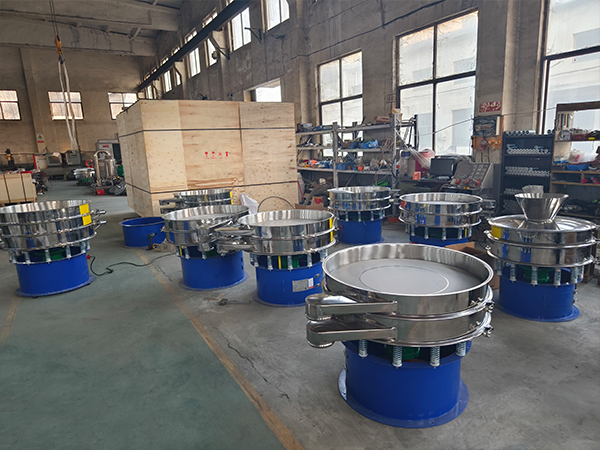
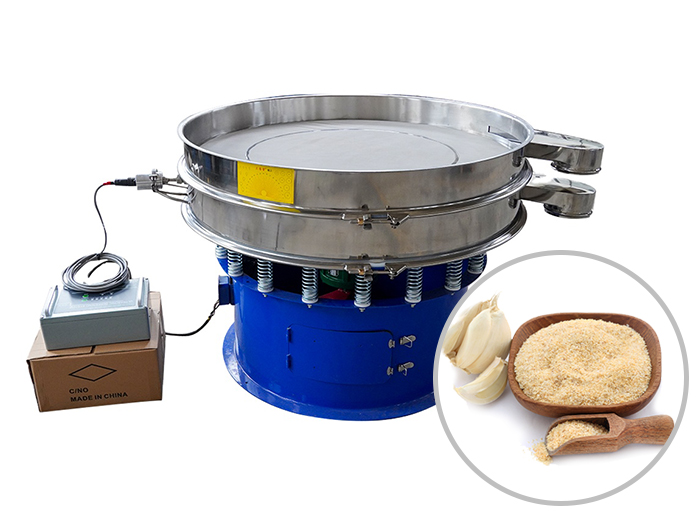
The circular vibrating screen with a round appearance is a kind of high-precision fine powder screening machinery, with low noise, high efficiency, fast mesh change that only takes 3-5 minutes, a fully closed structure, and suitable for screening and filtering of granules, powder, mucus, and other materials.
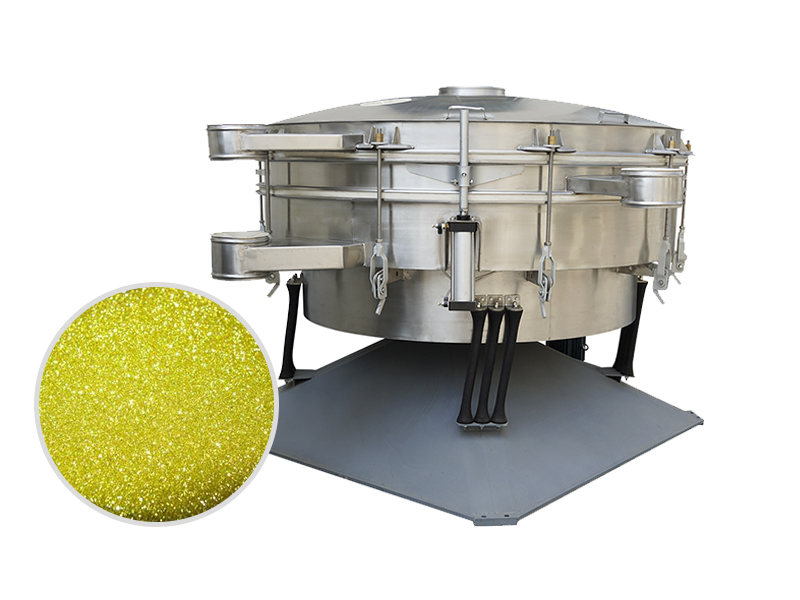
The types of vibrating screen separators include standard circular rotary vibrating screens, swing tumbler screens, ultrasonic vibrating screens, discharge flour sifter machines, and other different models.
Today, let’s take a look at its types, how it works, and its design.
Types of Circular Vibrating Screen
At Sanyuantang, we offer the following four main types of circular vibrating screens: Rotary Vibrating Screen, Circular Vibrating Screen, Tumbler Screen, and Inline Sifter Machine.
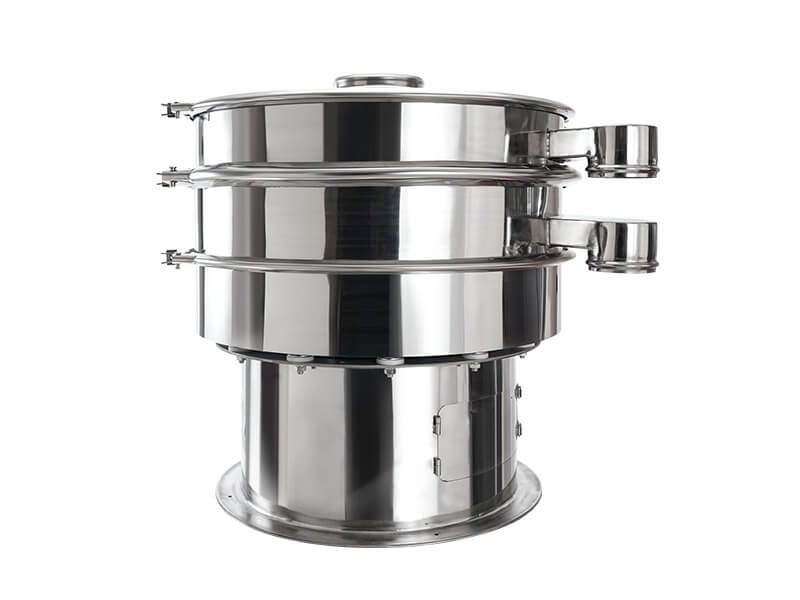
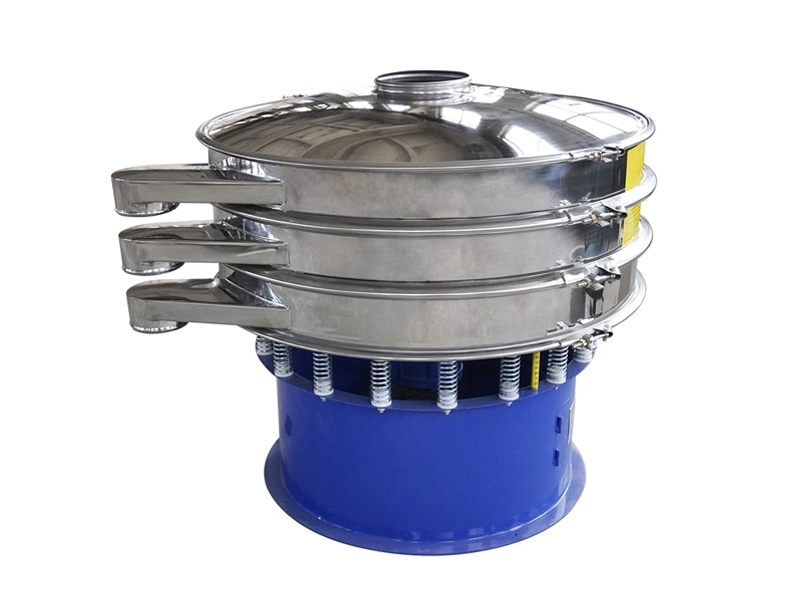
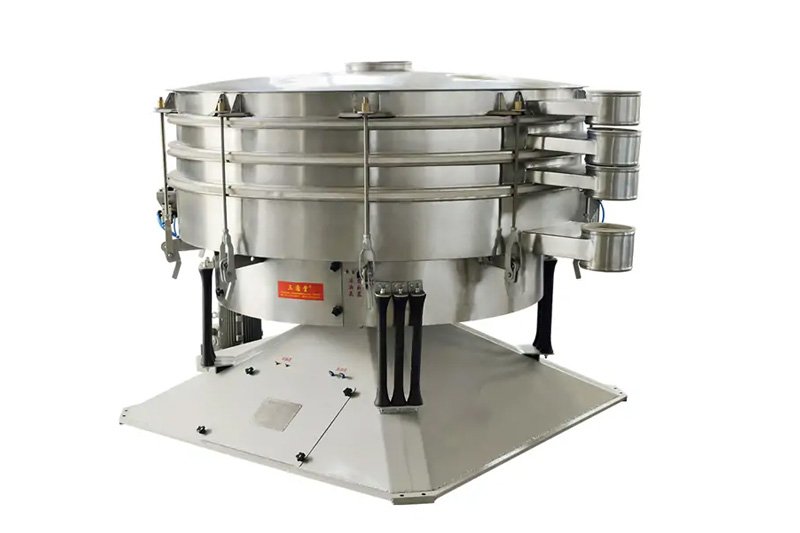
Circular Vibrating Screen Working Principle
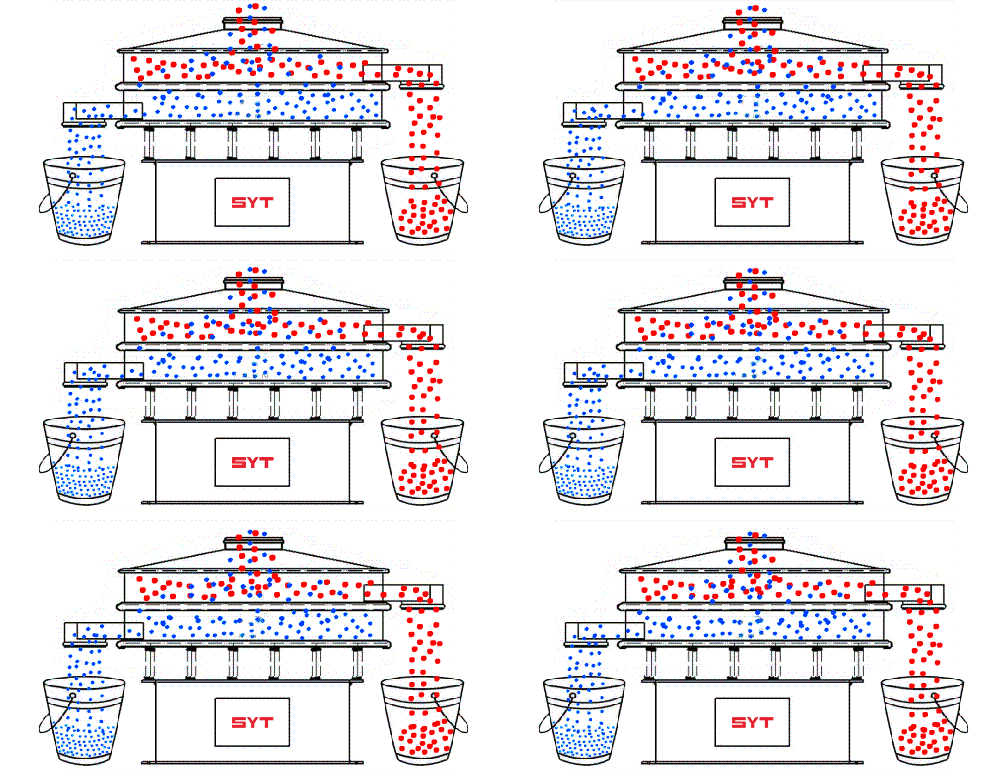
The circular vibrating screen machine is mainly composed of a vibrating motor, screen box, screen mesh, and other parts.
When working, the vibrating force generated by the vibrating motor is transmitted to the screen box through the spring, which makes the screen box vibrate.
The material enters the screen box from the inlet, jumps and loosens on the screen mesh; the material smaller than the aperture of the screen mesh falls through the screen mesh, and the material larger than the aperture of the screen mesh continues to move forward and is finally discharged from the discharge port.
The vibration track of a round vibrating screen is round or oval, which can be adjusted according to different material properties and screening requirements.
circular vibrating screen design
The circular vibrating screen usually consists of a dust cover, a feed port, a screen, a screen, a mesh frame, and a discharge port.
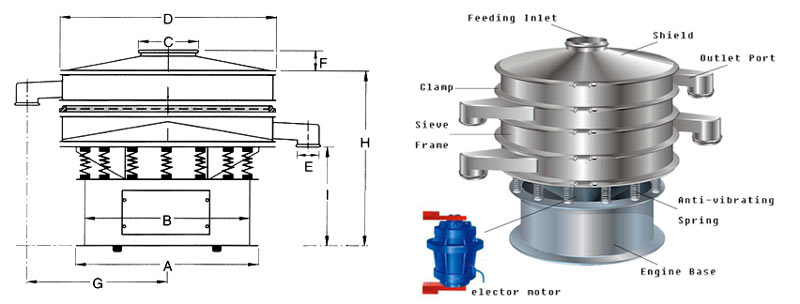
- Feed port: The design of the buffer plate makes the material flow into the screen surface evenly, and the material can be inspected through the observation port.
- Dust cover: It limits the movement range of the material and protects the machine and the surrounding environment from dust.
- Vibration motor: The vibration motor causes the vibrating screen to produce multi-plane vibration. This movement will increase the speed of materials passing through various screens.
- Shock Absorbing Spring: Allows the entire upper part of the machine to vibrate freely, it helps minimize power consumption, prevents any vibration from being transmitted to the floor, and reduces noise.
- Screen: maintains tension, making it easier for materials to move in the direction of vibration. This can be horizontal or vertical. One machine can separate multiple materials at the same time.
- Discharge port: The size of the discharge port can be designed as needed, and the discharge speed through the valve can be adjusted as needed.
Circular Vibrating Screen Features
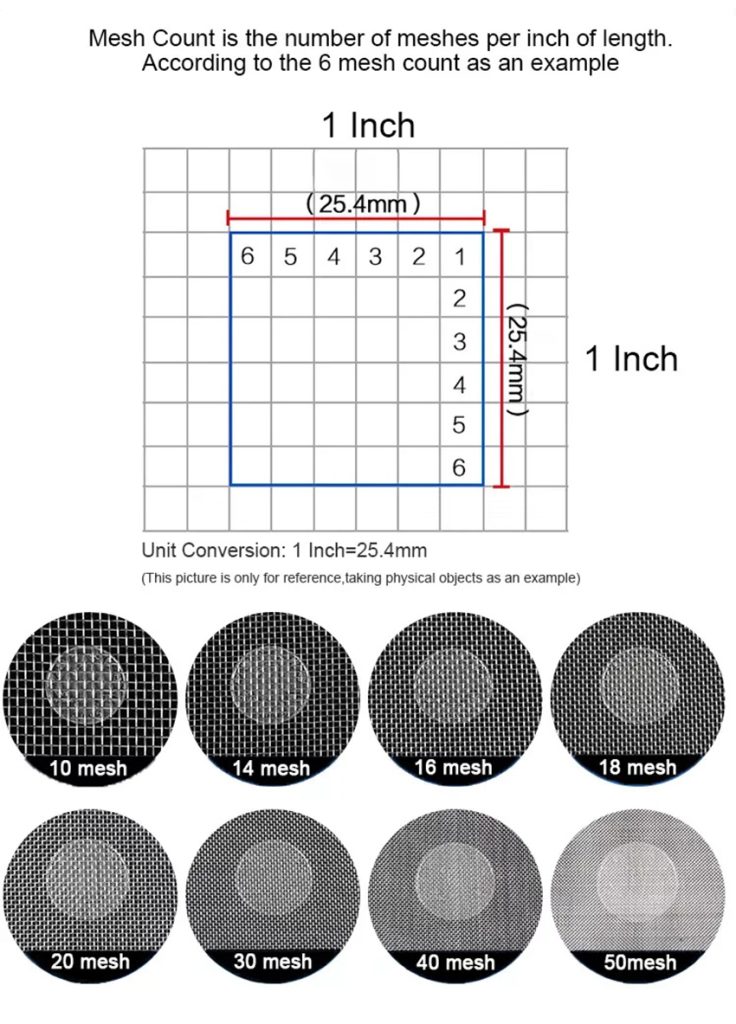
- Wide screening range: The Circular vibrating sieve can screen various particles, fine powders, and slurries. Screen apertures range from 0.01mm to 30mm and can be assembled as required.
- The mesh is anti-clogging: The circular motion vibrating screen function and the automatic cleaning and clogging device can knock out the materials stuck in the screen.
- Single-layer or multi-layer sorting: The high-efficiency Circular vibrating sieve can be selected from one to five layers of screen mesh and can perform two to six levels of sorting or filtration at the same time.
- High-efficiency and precise screening: Materials from the circular rotary vibrating screen are automatically discharged, and there is no material stored in the machine. Screening machines with the same screen surface have larger capacities than other types of screening machines.
- Screen replacement is convenient: The Rotary vibrating screen sifter has a variety of grid structures according to different needs; one of them reduces the time of screen replacement to 3 to 5 minutes, saving 30 to 60 minutes compared with other types of screening machines. The screen lasts longer and is more efficient.
- There is no mechanical transmission of vibration: The three-dimensional vibration generated by the new vibration source of the circular rotary vibrating screen is strong and stable. The equipment can be installed in any desired position and is easy to move.
- Economical and environmentally friendly: The long life of the whole machine and screen, low energy consumption, low maintenance costs, high efficiency, and easy replacement make the equipment economical and affordable. Low noise, fully enclosed, and outstanding environmental performance.
Working Video
Want to see more product and factory videos? Please click here.
Circular Vibrating Screen Price
The following is a price reference table for different models of Circular vibrating sieves, but the specific price depends on many factors, such as material, diameter, number of layers, screen, power, and other customized functions.
| Model | Screening Diameter(mm) | Power(kw) | Granularity(mm) | Voltage(V) | Price($/sets) |
|---|---|---|---|---|---|
| SYT-400 | 350 | 0.18 | <10 | 380 | 599~899$ |
| SYT-600 | 550 | 0.25 | <10 | 380 | 799~1099$ |
| SYT-800 | 750 | 0.55 | <10 | 380 | 999~1499$ |
| SYT-1000 | 920 | 0.75 | <10 | 380 | 1299~1699$ |
| SYT-1200 | 1120 | 1.1 | <10 | 380 | 1499~1899$ |
| SYT-1500 | 1420 | 1.5 | <10 | 380 | 1699~1999$ |
| SYT-1800 | 1720 | 2.2 | <10 | 380 | 1899~2099$ |
3 Aspects that Affect the Circular Vibrating Screen Price
1. Product model
Different models of circular vibrating screens have different motor powers, different equipment sizes, different numbers of layers and screen customization, etc. also determine the price of the circular vibrating screen. Therefore, users also need to choose the appropriate Circular vibrating sieve model based on their actual situation, site size, purpose, and function.
2. Quality and material
The material of the Circular vibrating sieve is divided into a carbon steel vibrating screen and a stainless steel vibrating screen. The difference in quality and material directly affects the price and service life of the circular vibrating screen.
3. Factory scale and supply capacity
The price of a circular vibrating sieve also depends on the cost invested by the manufacturer in production, as well as the management and sales costs directly caused by factors such as product research and development. Therefore, when users choose circular vibrating screens, they must choose brand products with high product quality, long service life, and reasonable prices.
Conclusion
In summary, we have provided an overview of the types, working principles, characteristics, applications, and prices of Circular vibrating sieves. Before purchasing a vibrating screen, tell the manufacturer your screening requirements, product application, and processing material characteristics. If you have any questions about circular vibrating screens, please contact us.
Email: info@sanyuantang.com
Phone: +86-18639095165
FAQs
1. How does this screening equipment separate materials?
The equipment uses vibration generated by a motor to create continuous movement of materials across the screen surface. During operation, smaller particles pass through the mesh openings, while larger particles move toward the discharge outlet. The separation efficiency depends on factors such as vibration intensity, screen size, material characteristics, and operating conditions.
2. What types of materials can be screened with this machine?
This type of screening equipment is suitable for processing powders, granules, liquids, and slurry materials. Common applications include chemical products, food ingredients, pharmaceutical powders, ceramic materials, mineral particles, and other fine materials that require accurate particle classification.
3. What factors should be considered when selecting a vibrating screening machine?
The selection mainly depends on material properties, required output, particle size range, moisture content, and screening accuracy. Users should also consider the number of layers, screen material, installation space, and whether additional functions such as ultrasonic cleaning are required.
4. Why does the screen mesh become blocked during operation?
Mesh blockage usually happens when processing fine, wet, sticky, or electrostatic materials. Common solutions include adjusting vibration parameters, selecting a suitable mesh design, adding an ultrasonic cleaning system, or choosing a screening method that matches the material characteristics.
5. What is the difference between a rotary vibrating screen and a tumbler screening machine?
A rotary vibrating screen is commonly used for high-precision separation of powders and small particles, while a tumbler screening machine uses a gentle reciprocating motion that is suitable for materials requiring higher screening accuracy and lower impact force. The best choice depends on material properties and production requirements.
6. How can the service life of a vibrating screen be improved?
Service life can be extended through regular maintenance, proper installation, selecting suitable screen materials, avoiding overload operation, and using equipment configurations that match the characteristics of the processed material.