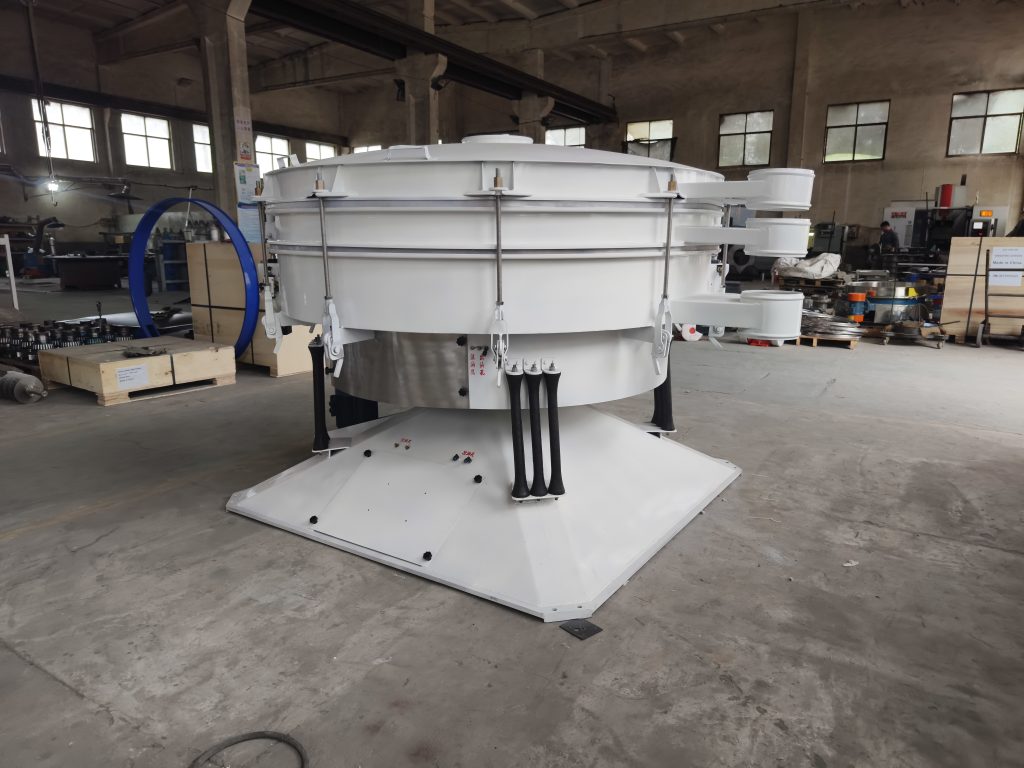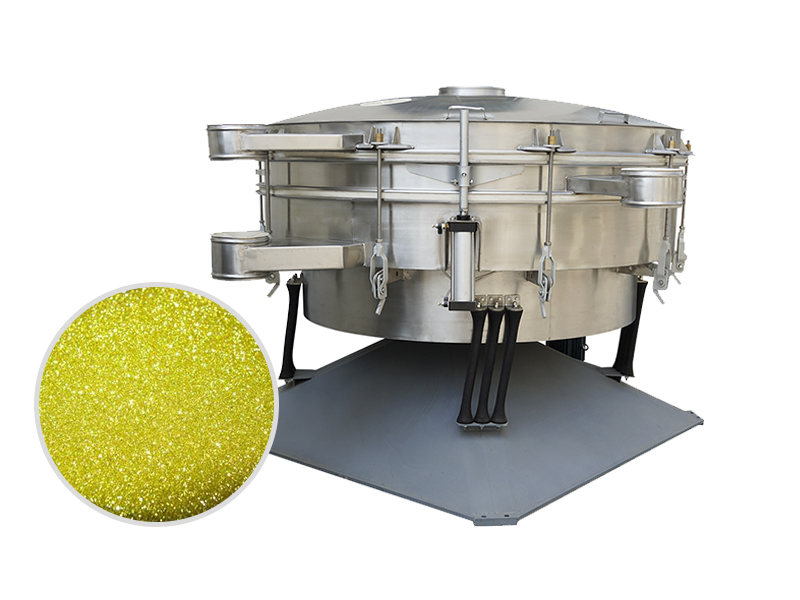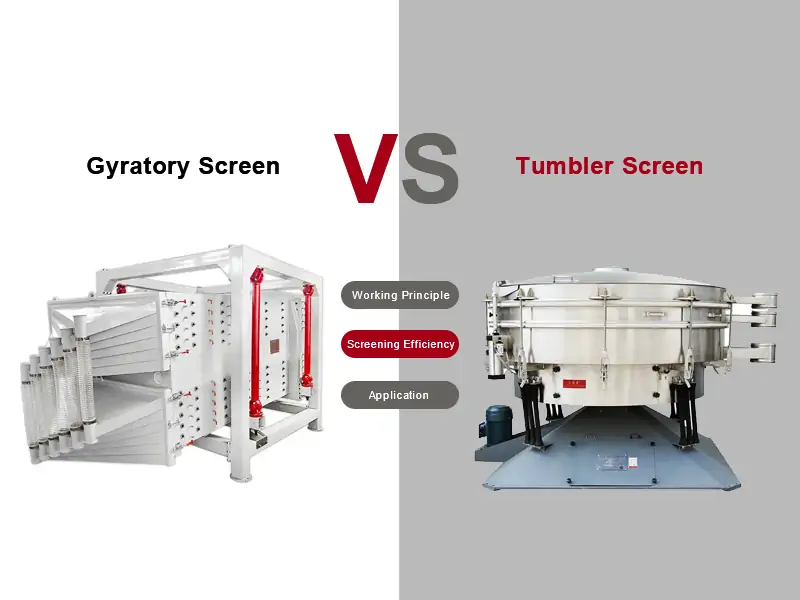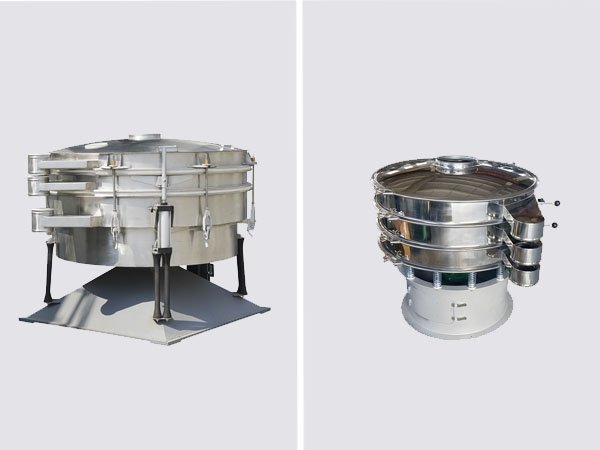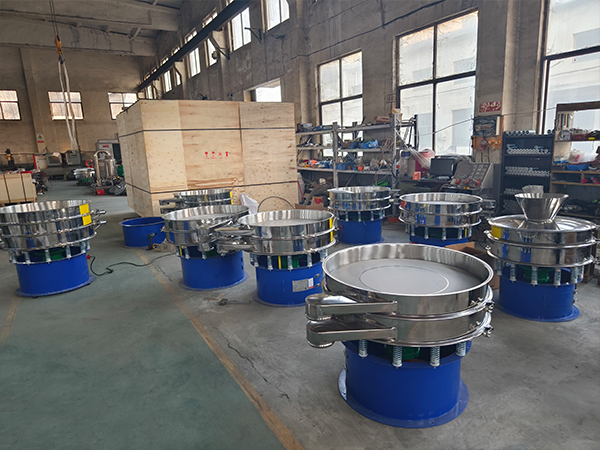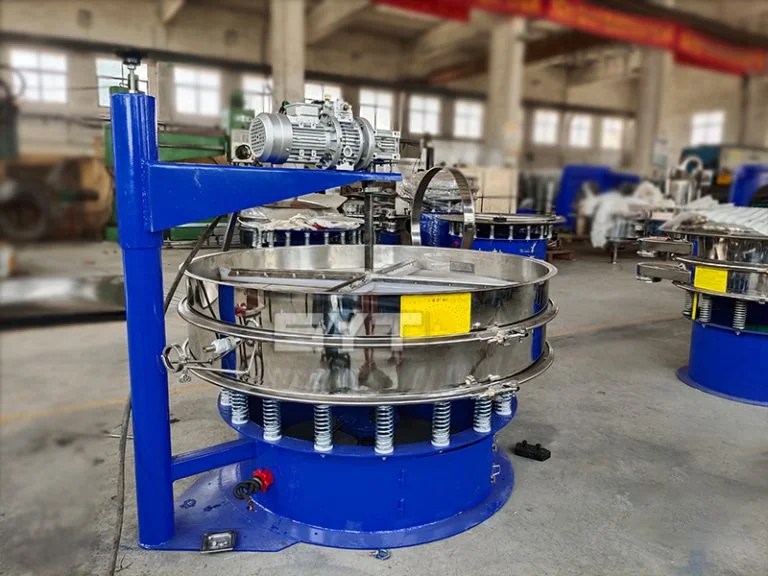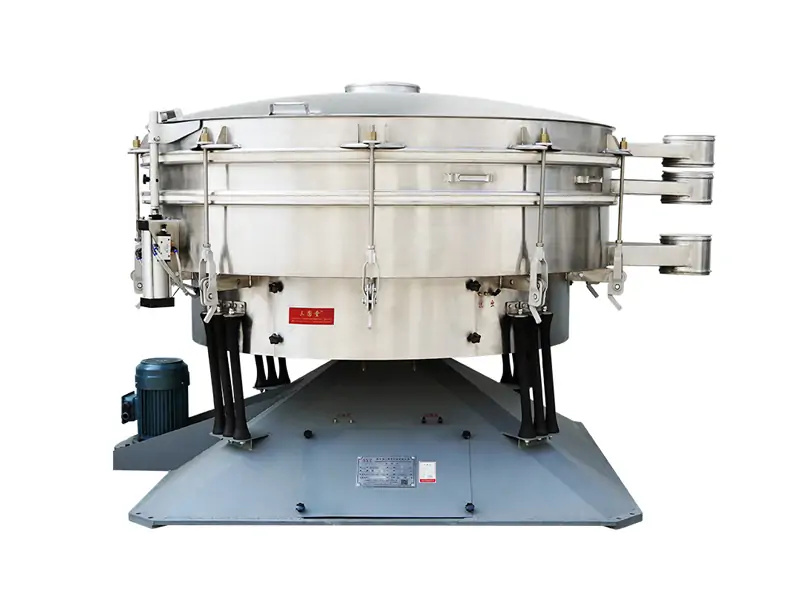
The screening performance of a rotary vibrating screen depends not only on the vibration motor, screen mesh, and screen box structure. Some seemingly small components can also directly affect the operating condition of the equipment. Among them, bouncing balls and damping springs are two common rotary vibrating screen parts.
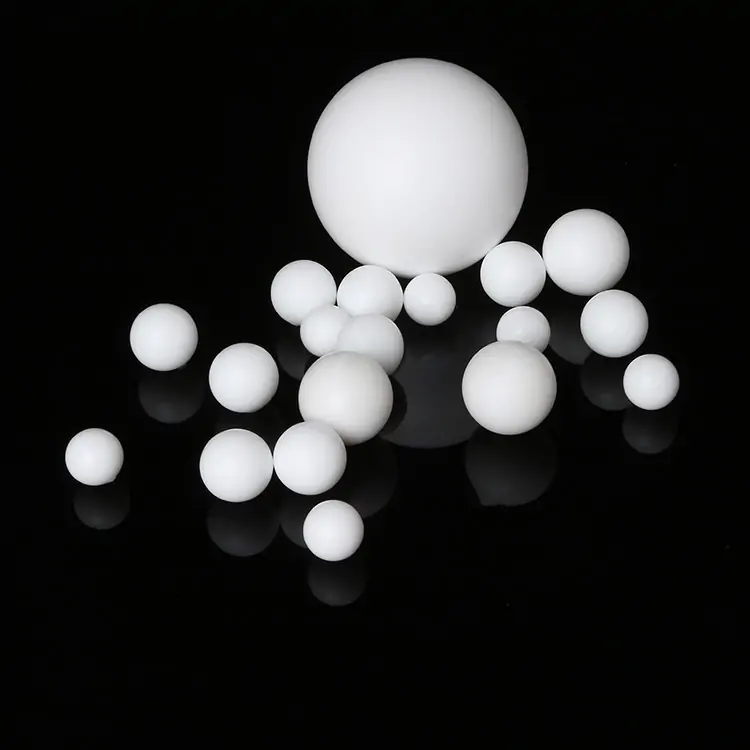
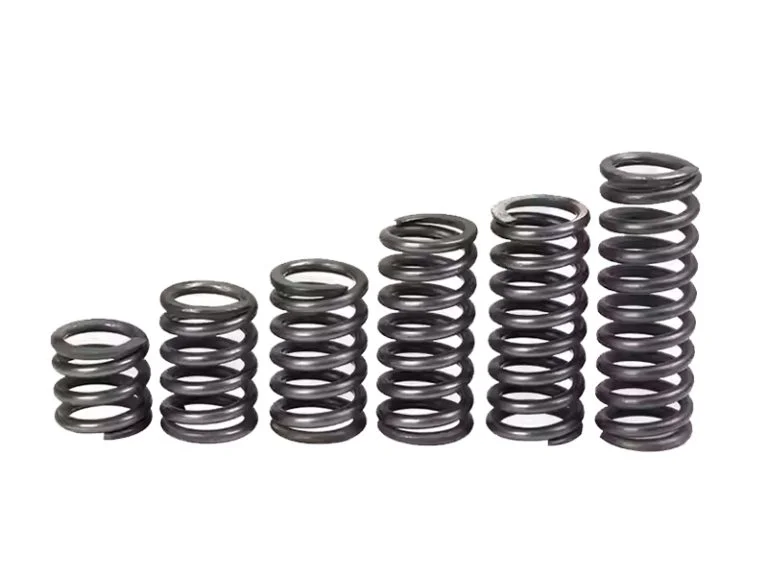
Bouncing balls are mainly used to assist in cleaning the screen mesh and reduce material becoming trapped in the screen openings. Damping springs support the screen body and regulate vibration transmission. Although they solve different problems, both can affect screening stability and routine maintenance.
For production lines using rotary vibrating screens to process powders, granules, and fine materials, understanding when these two components need to be inspected or replaced is more practical than focusing only on the main machine specifications.
What Is the Function of Rotary Vibrating Screen Bouncing Balls?
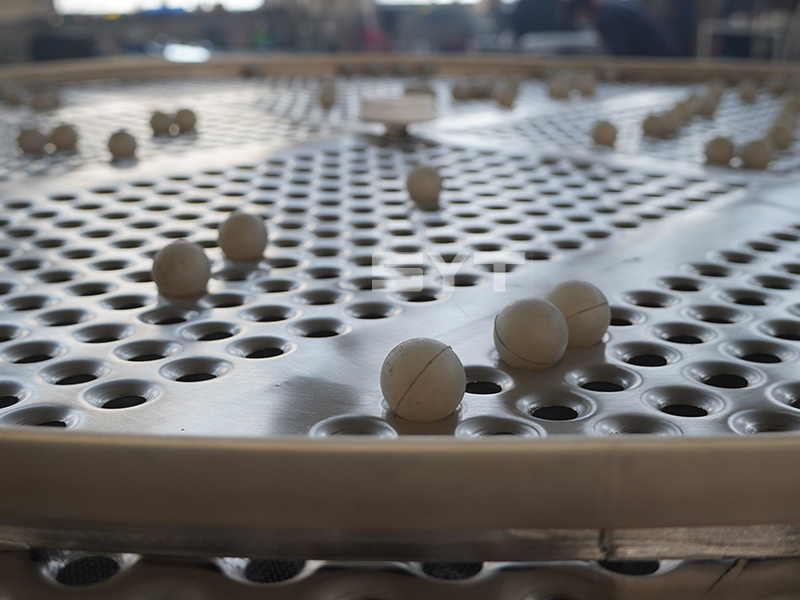
Bouncing balls are typically installed below the screen mesh, within the ball tray or screen-cleaning structure. When the equipment operates, the screen box vibrates, causing the bouncing balls to move continuously and impact the screen mesh. This helps loosen and remove some material attached to or trapped in the screen openings.
Common materials for bouncing balls include silicone and rubber. The specific material should be selected according to the material characteristics, temperature, and screening requirements.
Bouncing balls are not an independent power device and do not require an additional motor. Instead, they use the vibration generated by the rotary vibrating screen itself to assist in screen cleaning.
For fine powders, irregularly shaped particles, or materials that are prone to blocking the openings, elastic ball screen-cleaning technology can help maintain the openness of some screen apertures.
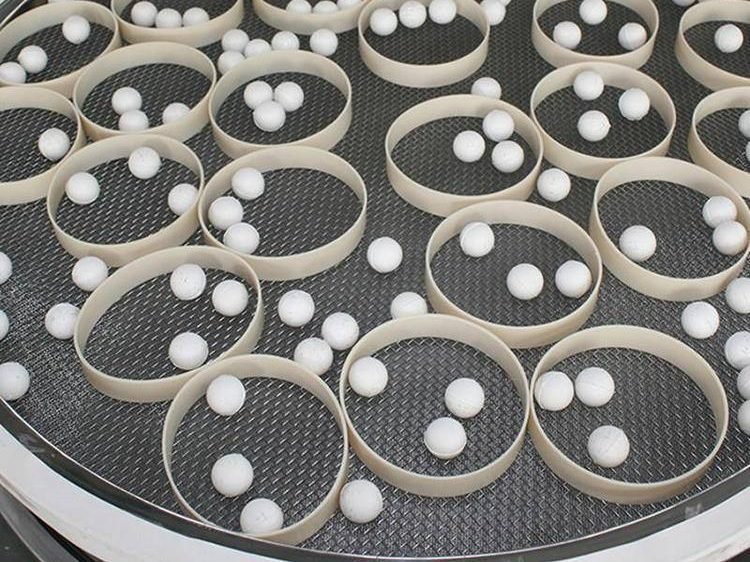

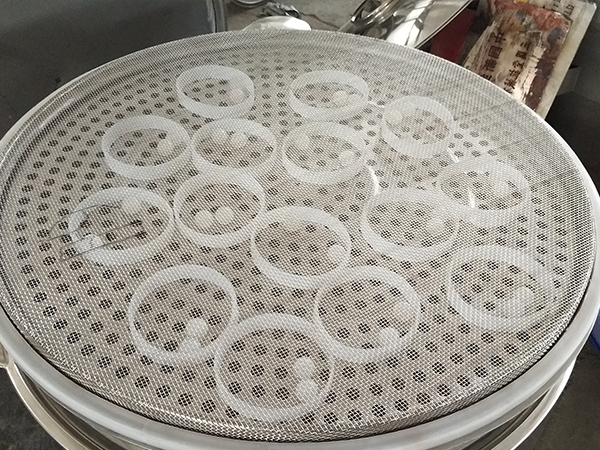
What Problems Do Bouncing Balls Mainly Solve?
| Function | Working Method | Impact on Production |
|---|---|---|
| Assist screen cleaning | Bouncing balls impact the screen mesh as the screen body vibrates | Reduces some material blockage in the screen openings |
| Maintain open screen apertures | Loosens material trapped in the screen openings | Helps maintain screening capacity |
| Reduce localized material buildup | Continuously assists in cleaning the screen mesh | Improves material distribution across the screening surface |
| Reduce manual screen-cleaning frequency | Provides continuous passive screen cleaning | Reduces the number of shutdowns for cleaning |
It is important to note that bouncing balls cannot guarantee that the screen mesh will never become blocked.
If the material has a high moisture content, strong stickiness, or a particle size very close to the screen opening, bouncing balls alone may not solve the blockage problem. In such cases, adjustments may also be required to the screen mesh specification, screen-cleaning method, feed rate, and material pretreatment.
When Should Rotary Vibrating Screen Bouncing Balls Be Replaced?
Bouncing balls are wear components. After long-term operation, they may experience wear, deformation, hardening, or cracking.
If screen blockage becomes noticeably more frequent or screening capacity decreases under the same equipment parameters, inspect the bouncing balls below the screen mesh to determine whether they have lost their elasticity.
Common inspection items include:
- Whether there is obvious wear;
- Whether cracking or damage has occurred;
- Whether the balls have become noticeably hardened;
- Whether their dimensions have changed significantly;
- Whether they bounce normally;
- Whether any balls are missing.
The service life of bouncing balls varies considerably depending on the material being screened and operating time. Therefore, it is not recommended to specify a fixed replacement interval for every application. During actual maintenance, inspection and replacement should be based on the degree of wear.
What Is the Function of Rotary Vibrating Screen Damping Springs?
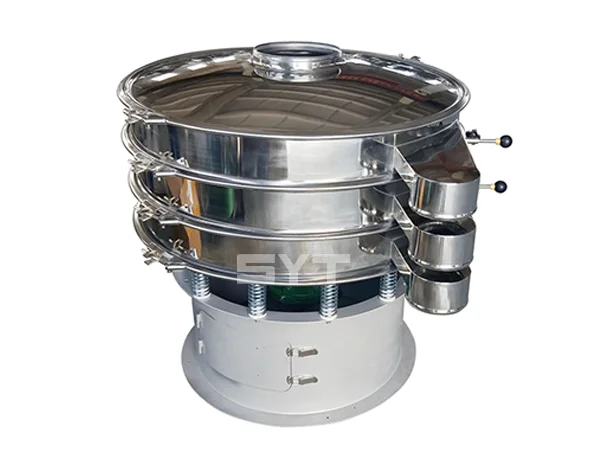
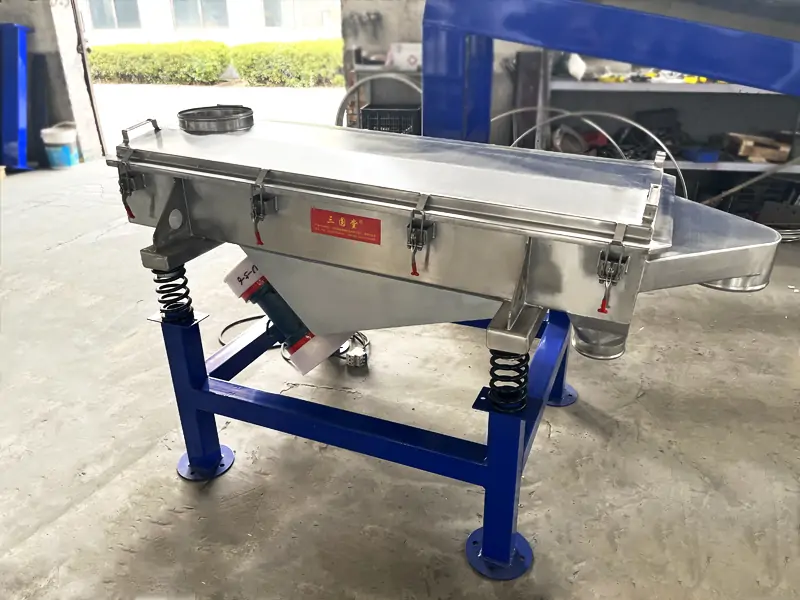
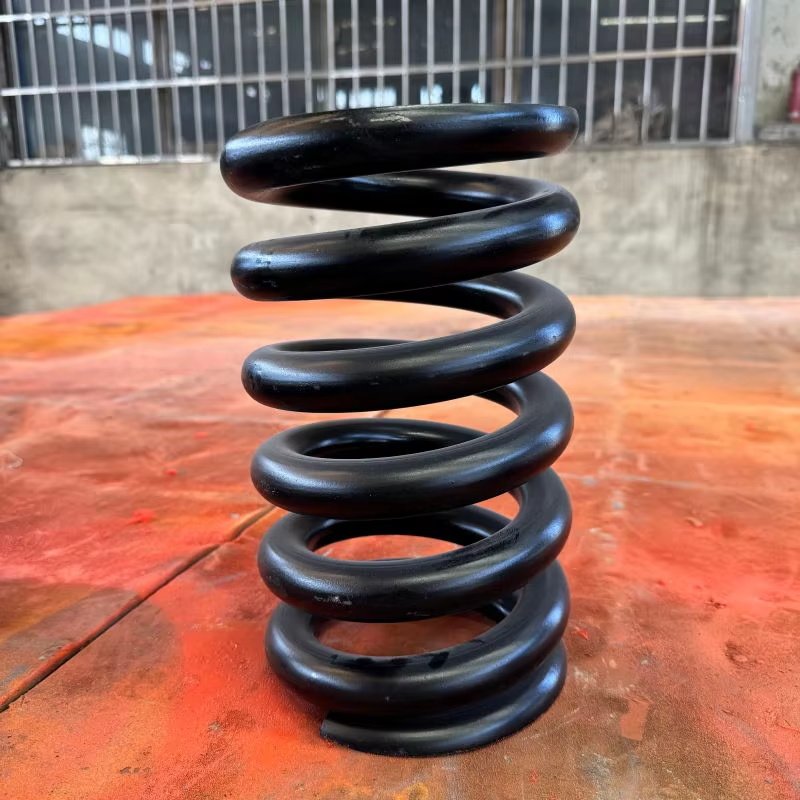
Damping springs are important support components and are typically located between the screen body and the base.
When the rotary vibrating screen operates, the vibration motor generates excitation force, and the screen body needs to move continuously along the designed trajectory. On one hand, the damping springs support the weight of the screen body. On the other hand, their elastic deformation absorbs and regulates part of the vibration, allowing the screen body to maintain its normal operating motion.
Therefore, damping springs should not simply be understood as components that “eliminate vibration.” Their more important functions are to support the screen body and control vibration transmission, helping the equipment operate stably.
If the spring stiffness, installation condition, or spring height changes significantly, the movement trajectory of the screening machine may be affected.
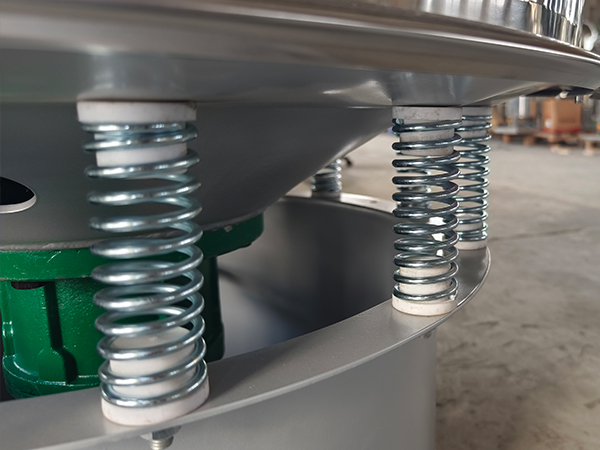
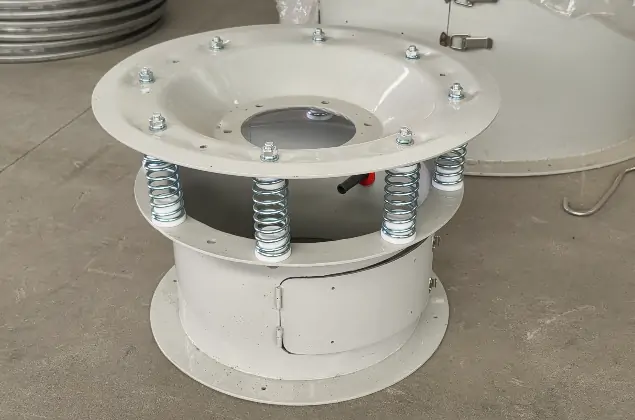
Main Functions of Damping Springs
| Function | Specific Performance | Possible Problems When Abnormal |
|---|---|---|
| Support the screen body | Supports the weight of the screen box and material | Unstable screen-body operation |
| Cushion vibration | Uses elastic deformation to regulate vibration | Abnormal vibration or increased impact |
| Stabilize the movement trajectory | Maintains the normal operating condition of the screen body | Unstable screening performance |
| Reduce vibration transmission | Reduces part of the vibration transmitted to the base | Increased base vibration or abnormal noise |
| Work with the screening machine structure | Operates together with the vibration system | Possible eccentric vibration, shaking, and other abnormal conditions |
It should be specifically noted that damping springs alone do not determine the noise level of a rotary vibrating screen. Equipment noise is also affected by factors such as the vibration motor, screen-frame connections, base structure, material impact, and installation condition.
What Happens When a Damping Spring Has a Problem?
If a damping spring breaks, becomes significantly deformed, suffers from fatigue, or develops excessive height differences between different positions, the operating condition of the equipment may change.
Common signs include abnormal screen-body vibration, unstable equipment operation, increased abnormal noise, and changes in the screening trajectory.
For rotary vibrating screens with multiple support springs, if one spring is damaged and the equipment continues operating, the load carried by the other springs may change. Therefore, once a spring abnormality is detected, the machine should be stopped for inspection rather than continuing operation for observation.
At the same time, when replacing springs, dimensions should not be the only consideration. The free height, wire diameter, number of coils, outside diameter, and actual stiffness of the spring can all affect equipment operation. Replacement springs should be matched as closely as possible to the original equipment design specifications.
What Is the Difference Between Bouncing Balls and Damping Springs?
Although both are common Rotary Vibrating Screen Parts, they are installed in different locations and solve completely different problems.
| Comparison Item | Bouncing Balls | Damping Springs |
| Installation position | Screen-cleaning structure below the screen mesh | Between the screen body and base |
| Main function | Assist screen cleaning | Support the screen body and regulate vibration |
| Main impact | Screen-opening permeability | Equipment operating stability |
| Common problems | Wear, hardening, cracking, missing balls | Breakage, deformation, fatigue |
| Wear component | Yes | Yes |
| Maintenance focus | Check wear and elasticity | Check height, condition, and installation |
| Main symptoms after failure | Increased screen blockage, reduced screening capacity | Abnormal vibration, shaking, abnormal noise |
Therefore, bouncing balls can mainly be understood as screen-cleaning components, while damping springs are screen-body support and vibration-system components.
How Does Sanyuantang Handle Rotary Vibrating Screen Parts Selection?
In actual rotary vibrating screen applications, components are not necessarily better simply because they are harder, larger, or used in greater quantities.
For example, bouncing balls need to be selected according to the screen mesh specifications and material characteristics. If the elasticity is unsuitable, the expected screen-cleaning effect may not be achieved.
Damping springs, meanwhile, need to match the screen-body weight, vibration parameters, and equipment structure. Arbitrarily replacing them with springs of different specifications may change the original vibration condition of the equipment.
During rotary vibrating screen design and equipment configuration, Sanyuantang considers the screening machine specifications, material characteristics, and production requirements when determining the screen mesh, screen-cleaning structure, and support system. For equipment already in operation, if screen blockage, abnormal vibration, or frequent component damage occurs, the specific failure symptoms should also be evaluated instead of immediately replacing a single part.
What Should Be Checked During Routine Maintenance?
After long-term operation of a rotary vibrating screen, bouncing balls, damping springs, and the screen mesh should be included in routine inspection items.
For bouncing balls, focus on wear, hardening, cracking, and missing components. For damping springs, focus on breakage, deformation, fatigue, and significant differences in installation height.
The screen tension, screen-frame fasteners, vibration motor, and base fixation should also be inspected.
| Inspection Item | Normal Condition | When an Abnormality Is Found |
| Bouncing balls | Complete and elastic | Replace damaged components promptly |
| Screen mesh | Properly tensioned with no obvious damage | Check tension and replace the screen mesh if necessary |
| Damping springs | Similar height with no cracks or breakage | Stop the machine for inspection and replacement |
| Screen-frame connections | Secure with no obvious looseness | Check fasteners |
| Vibration motor | Stable operation with no abnormal noise | Inspect the motor and bearings |
| Base | Stable with no obvious abnormal vibration | Check the installation condition |
If screening efficiency suddenly decreases, screen blockage increases, or the vibration trajectory changes significantly, the cause should be identified first before deciding whether a component needs to be replaced.
Conclusion
Although bouncing balls and damping springs are not the primary power components of a rotary vibrating screen, they perform important functions in screen cleaning and stable support.
When bouncing balls fail, the screen-cleaning capability may decrease and screen blockage may increase. When damping springs fail, the normal movement of the screen body may be affected and can even lead to abnormal equipment operation.
Therefore, maintenance of a rotary vibrating screen should not focus only on the motor and screen mesh. Regular inspection of Rotary Vibrating Screen Parts, including bouncing balls, damping springs, and screen-frame connections, can help identify minor problems early and prevent component failures from affecting the operation of the complete machine.
For different materials and screening requirements, Sanyuantang can match suitable screen mesh, screen-cleaning structures, and component configurations according to equipment specifications and actual operating conditions. For difficult-to-screen materials, screen blockage, or abnormal equipment operation, targeted evaluation based on the actual material and equipment condition is recommended.
Email: info@sanyuantang.com
Phone: +86-18639095165
FAQ
1. What is the main function of bouncing balls in a rotary vibrating screen?
Bouncing balls are installed below the screen mesh. They use the vibration generated during equipment operation to impact the screen mesh, loosening some material trapped in the screen openings. This helps reduce screen blockage and maintain open screen apertures.
2. Can a rotary vibrating screen operate without bouncing balls?
Yes. Bouncing balls are auxiliary screen-cleaning components rather than power components of a rotary vibrating screen. However, for fine powders or materials that are prone to blocking screen openings, the absence of a suitable screen-cleaning structure may reduce the effective screening area.
3. How often should rotary vibrating screen bouncing balls be replaced?
There is no fixed replacement interval that applies to all equipment. Service life depends on material characteristics, operating time, vibration intensity, and bouncing-ball material. Bouncing balls should be replaced when obvious wear, hardening, cracking, or loss of elasticity is detected.
4. Can a rotary vibrating screen continue operating if a damping spring is damaged?
It is not recommended. Damping springs support the screen body and work as part of the vibration system. If a spring breaks or becomes severely deformed, continued operation may cause abnormal screen-body movement and increase the load on other structures and components.
5. Can any damping spring be purchased as a replacement for a rotary vibrating screen?
It is not recommended. Spring dimensions and stiffness can both affect equipment operation. Replacement springs should be matched according to the original equipment design specifications rather than selected solely by outside diameter or length.
6. Is screen blockage always caused by bouncing balls?
Not necessarily. Screen blockage can also be related to screen-opening size, material moisture content, particle shape, feed rate, screen-mesh material, and material stickiness. Before replacing bouncing balls, the actual cause of screen blockage should first be identified.