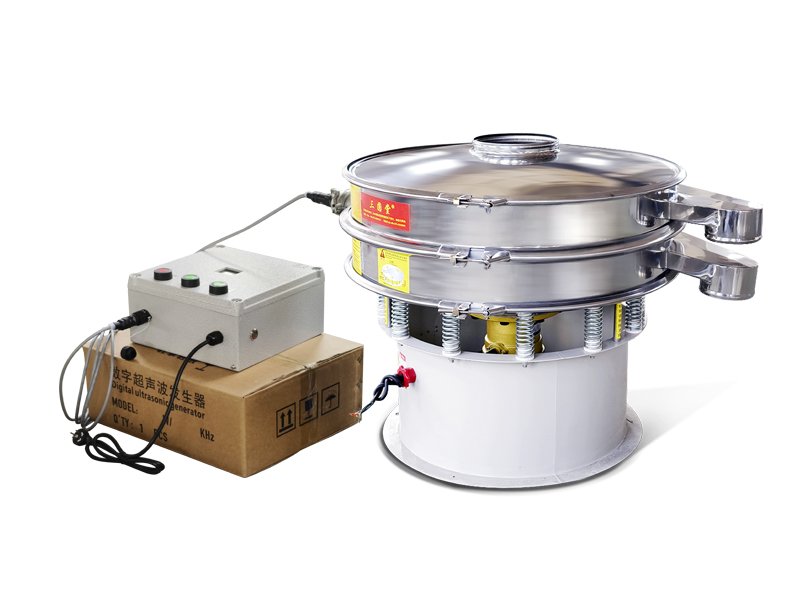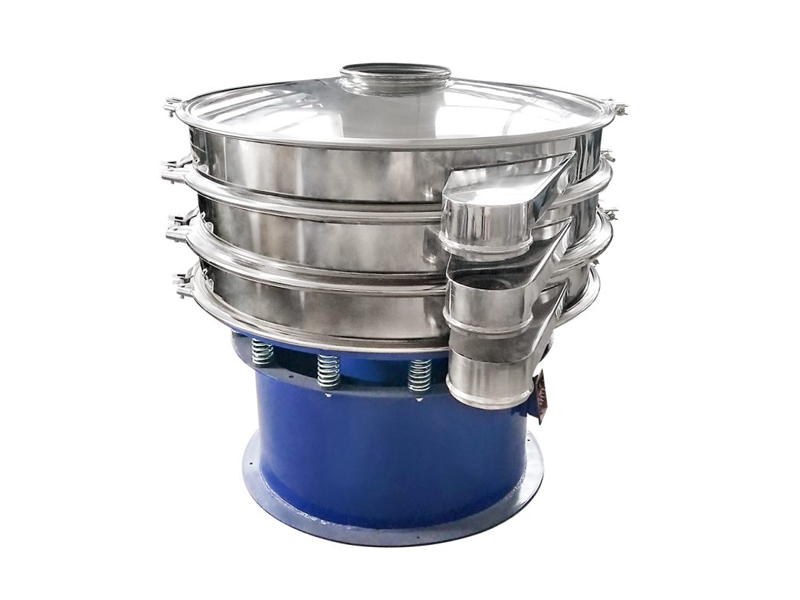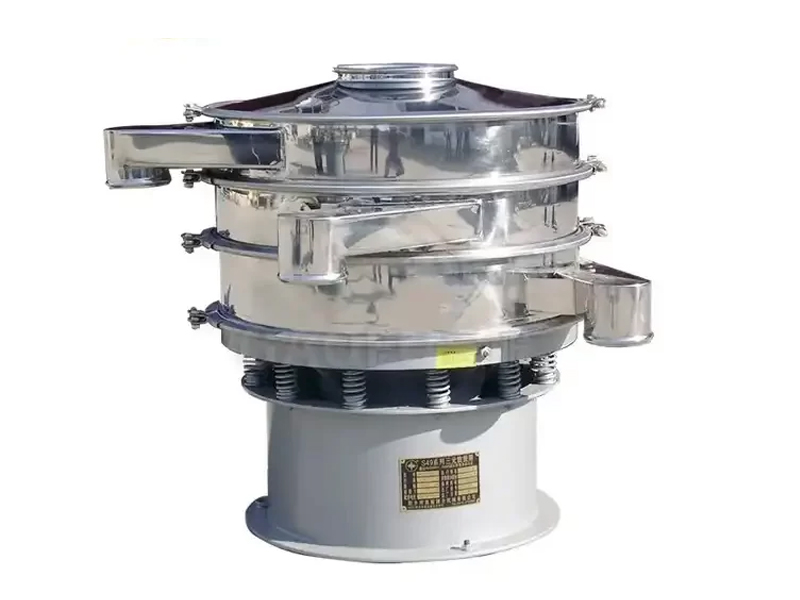
In industrial material screening processes, selecting the right equipment directly affects production efficiency and final product quality. The tumbler screener simulates manual screening action and is an efficient tool for handling fine powders and particles. However, many users feel confused when choosing between a tumbler screener and a gyratory screen.
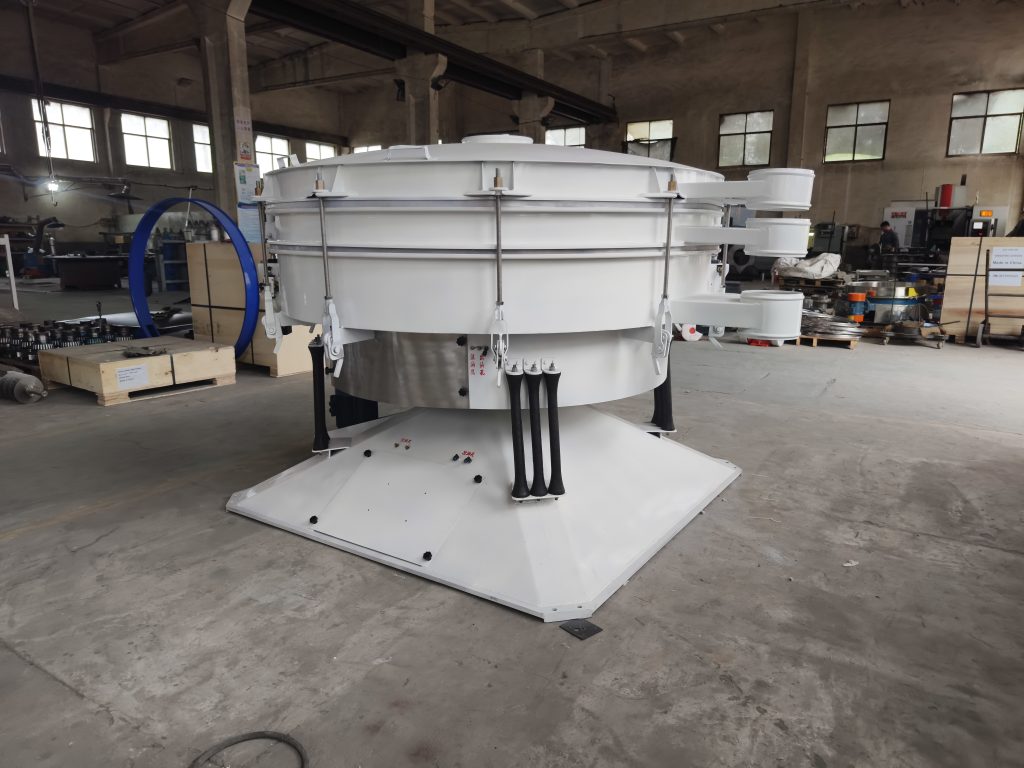

This article provides professional selection guidance from three dimensions: technical principles, performance indicators, and application scenarios.
Comparison of Structure and Motion Principles
1. Tumbler Screener
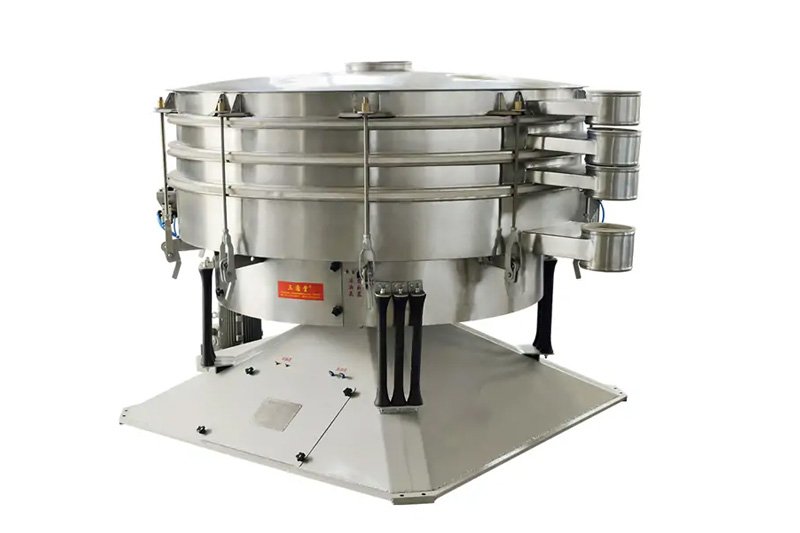
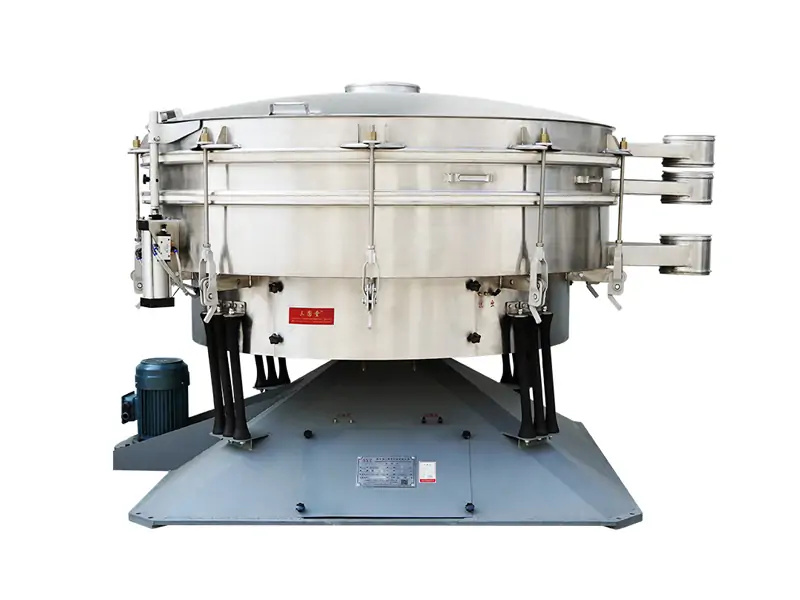
The tumbler screener adopts a vertical structure, with its core based on a three-dimensional circular tumbling motion.
Motion trajectory:
By adjusting the eccentric weights, the screen body generates a combined motion of “rotation, swinging, and tossing.” Materials move in a spiral path from the center to the edge on the screen surface.
Technical features:
This gentle motion extends the contact time between the material and the screen mesh, resulting in extremely high screening efficiency. It effectively prevents fine powder adhesion and clogging.
2. Gyratory Screen
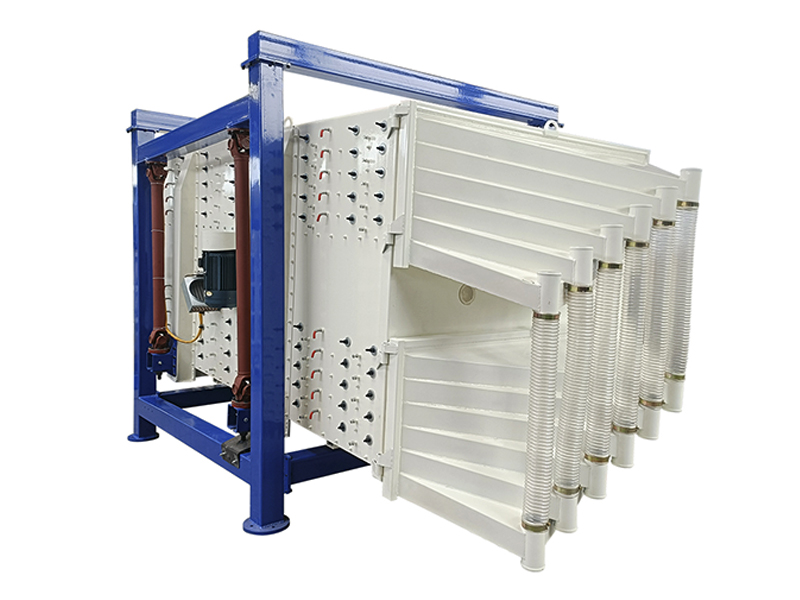
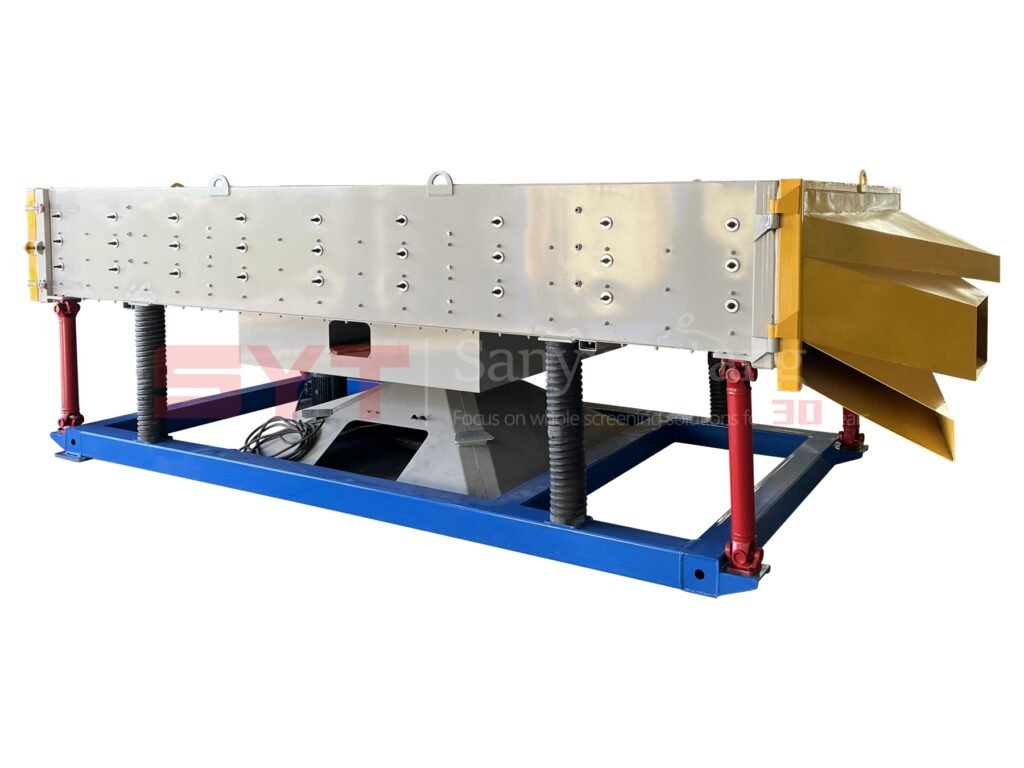
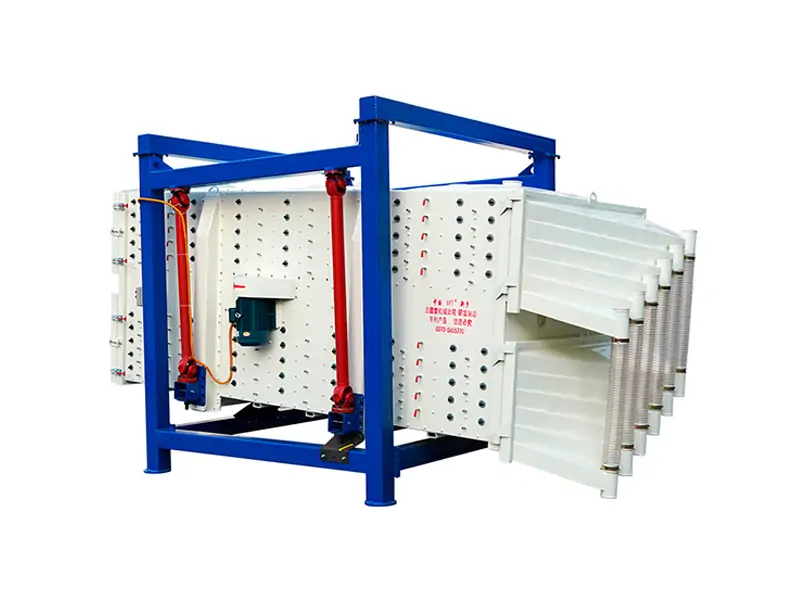
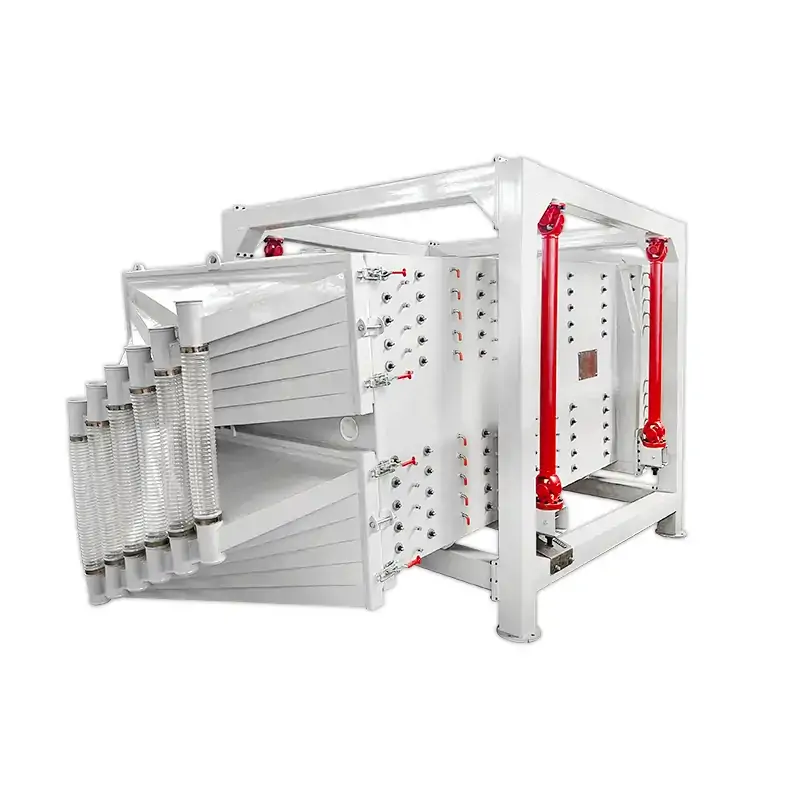
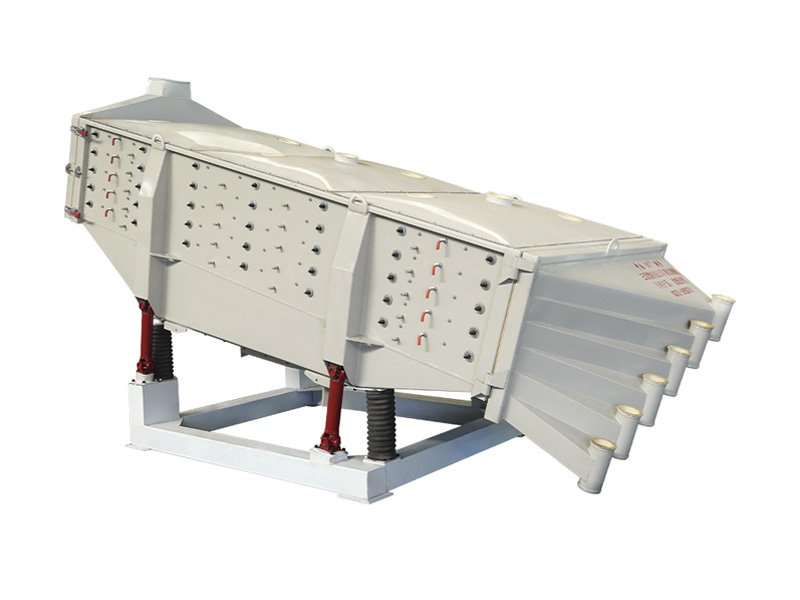
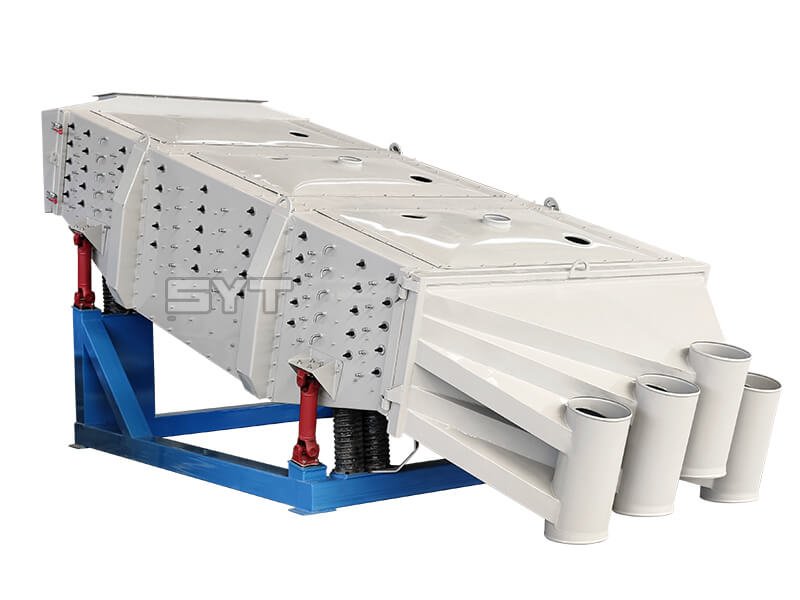
The gyratory screen adopts a horizontal structure and mainly relies on reciprocating linear motion.
Motion trajectory:
The driving device moves the screen body in a regular horizontal reciprocating motion. Materials advance in a jumping pattern on the screen surface.
Technical features:
Its advantage lies in the large effective screening area. By adjusting the screen inclination angle, the material flow rate and residence time can be precisely controlled, making it more adaptable to materials with higher moisture content.
Performance Comparison Table
To clearly illustrate the differences, we compare them in terms of capacity, accuracy, and material characteristics:
| Evaluation Dimension | Tumbler Screener | Gyratory Screen |
|---|---|---|
| Main Application | High-precision, fine material screening | Large capacity, multi-stage classification |
| Processing Capacity | Relatively small, multi-deck design | Extremely high, suitable for continuous large-scale production |
| Screening Accuracy | suitable for ultrafine powders within 500 mesh | Excellent, adjustable for precise control |
| Cleaning Method | Bouncing balls, optional ultrasonic cleaning | Mainly bouncing ball cleaning |
| Footprint | Vertical design, space-saving | Horizontal layout, requires wider space |
Core Selection Logic: Decision Based on Application Scenarios
When to Choose a Tumbler Screener?
If you are in industries such as food, pharmaceuticals, or fine chemicals, where particle size distribution requirements are extremely strict, and materials have characteristics such as static electricity, adhesion, or easy clogging, the tumbler screener is the preferred choice.
Its stability and high screening efficiency in handling ultrafine powders are irreplaceable.
When to Choose a Gyratory Screen?
If you are in industries such as metallurgy, mining, building materials, or fertilizers, where the core demand is “high throughput” and “coarse material classification,” the gyratory screen has greater advantages.
Under the same footprint, a 1.8m × 1.8m square screen has 20% higher capacity than a tumbler screener. It can be stacked with 3–5 layers to achieve 4–5 levels of classification. In mining applications, large stones, medium stones, small stones, and stone powder can be separated in one process without multiple machines in series.
With Sanyuantang’s parameter control system, you can flexibly adjust amplitude and inclination to balance output speed and screening accuracy.
The motor power of a gyratory screen is 15%–20% lower than that of a tumbler screener with the same capacity. Noise is controlled at 65–75 dB (tumbler screener: 85–95 dB). Bearing life reaches 1–2 years (tumbler screener: 3–6 months). Annual maintenance cost is only $500–$1000, saving 50% compared to tumbler screeners.
Conclusion
The core selection principle can be summarized as:
Choose a tumbler screener for high precision, small batches, and ultrafine powders; choose a gyratory screen for large capacity, high efficiency, and large-scale production.
As a professional industrial screening solution provider, Sanyuantang Machinery is committed to developing high-performance screening equipment. Our machines have reached industry-leading levels in motion optimization, dust sealing design, and screen mesh lifespan.
Technical Support
If you have questions about screening performance for specific materials (such as mineral particles), please feel free to contact our technical team. We can provide customized parameter adjustment and equipment selection solutions based on your material characteristics.
Ready to upgrade your recycling production line? Contact Sanyuantang engineers for a customized tire recycling screening solution and turn waste processing into your profit growth engine.
Email: info@sanyuantang.com
Phone: +86-18639095165
FAQs
Q1. What is the difference between a tumbler screener and a gyratory screen?
A: A tumbler screener uses 3D tumbling motion for high-precision fine screening, while a gyratory screen uses horizontal reciprocating motion for high-capacity bulk material classification.
Q2. Which is better for fine powder screening?
A: For ultrafine powders (up to 500 mesh), the tumbler screener is better due to its higher screening accuracy, longer material contact time, and anti-clogging performance.
Q3. Which screening machine has higher capacity?
A: The gyratory screen offers significantly higher capacity. Under the same footprint, it can achieve about 20% higher throughput and supports multi-layer classification.
Q4. Is a gyratory screen suitable for wet or sticky materials?
A: Yes, gyratory screens are more adaptable to materials with higher moisture content due to adjustable inclination angles and controlled material flow.
Q5. Which machine has lower maintenance cost?
A: Gyratory screens have lower maintenance costs, with longer bearing life (1–2 years) and reduced power consumption, saving about 50% annually compared to tumbler screeners.
Q6. How do I choose between tumbler screener vs gyratory screen?
A: Choose a tumbler screener for high precision and fine powders, and choose a gyratory screen for large-scale production, high throughput, and coarse material classification.