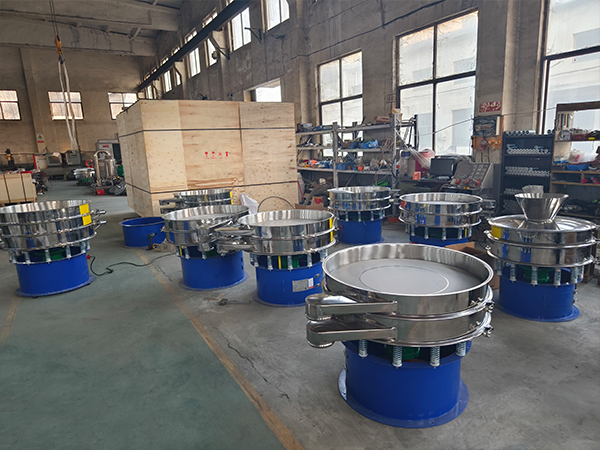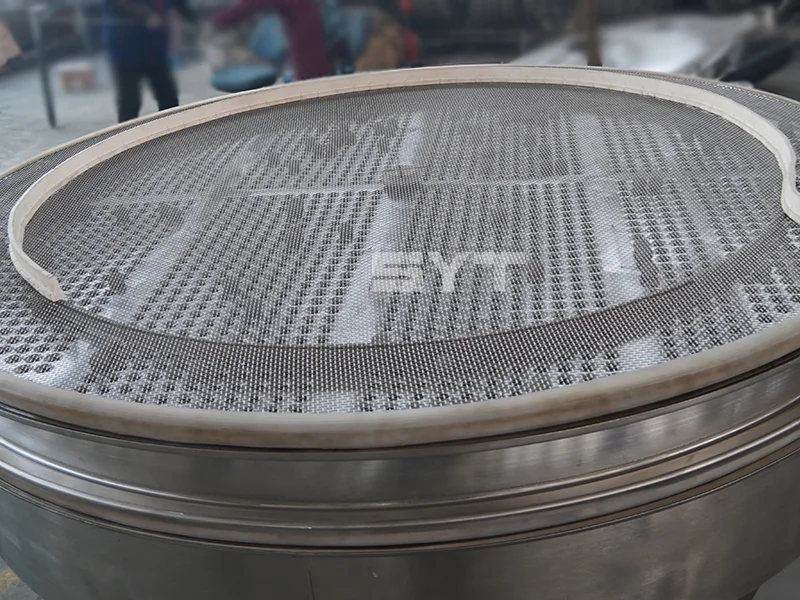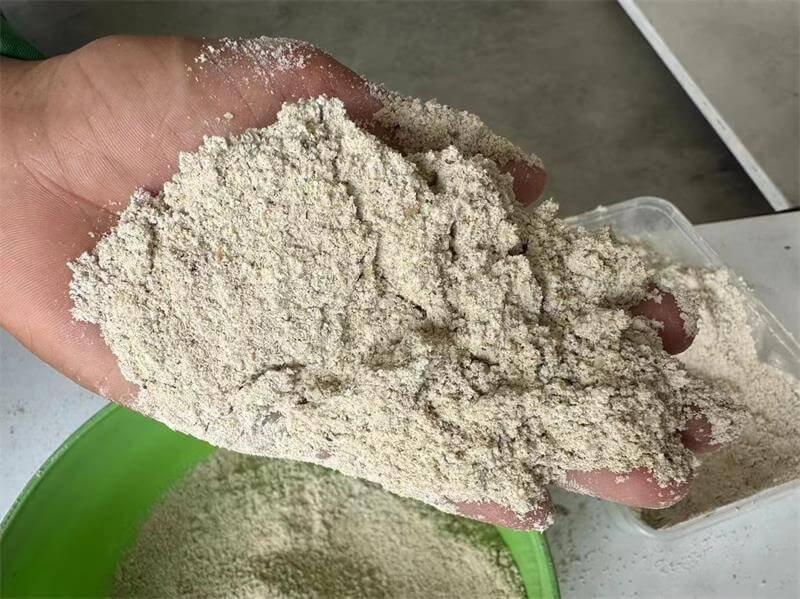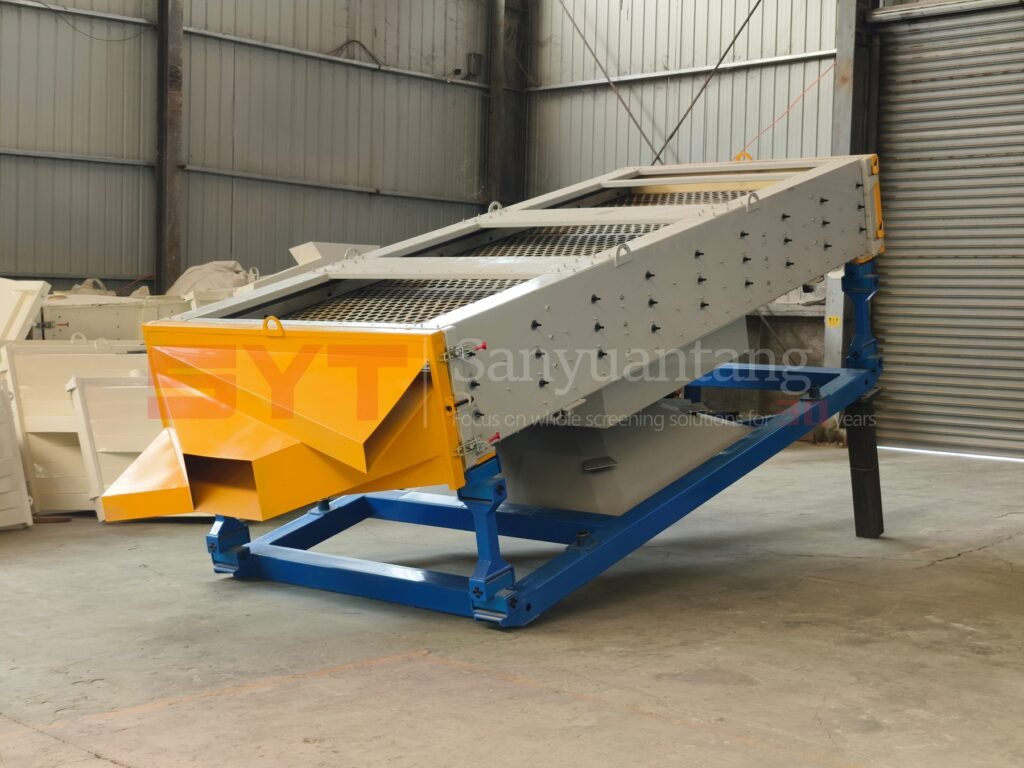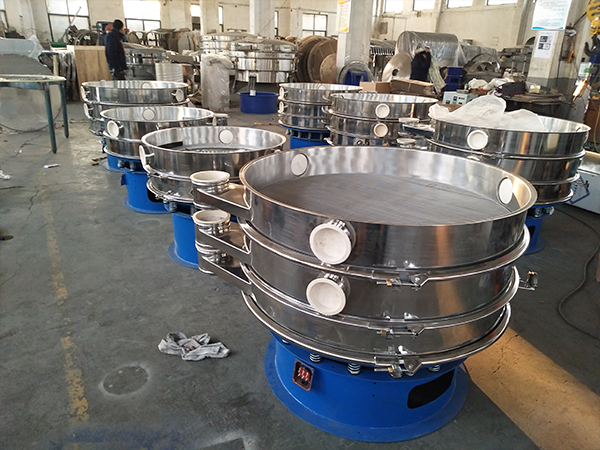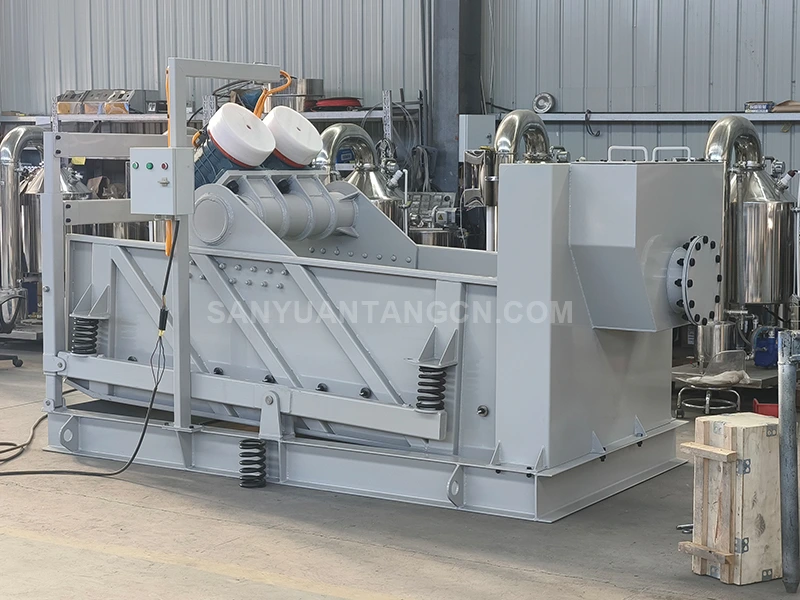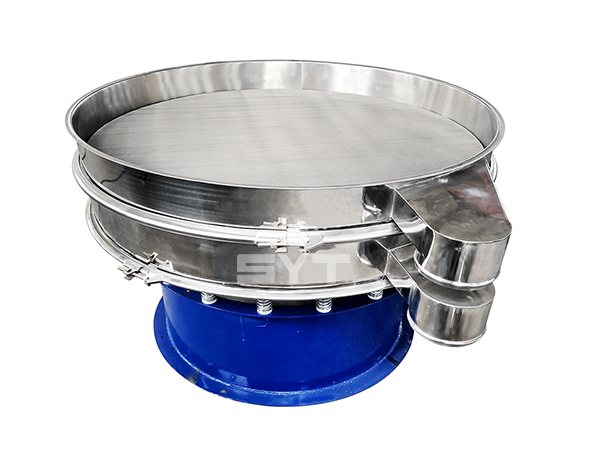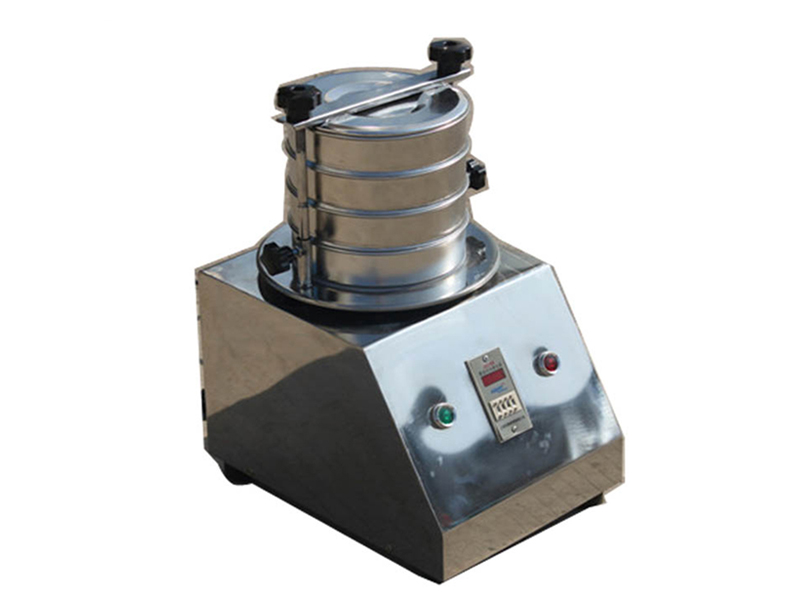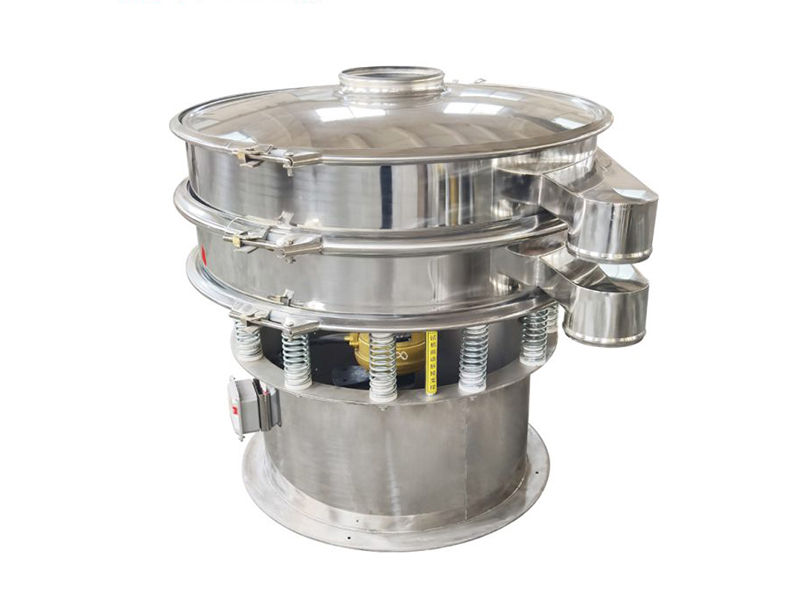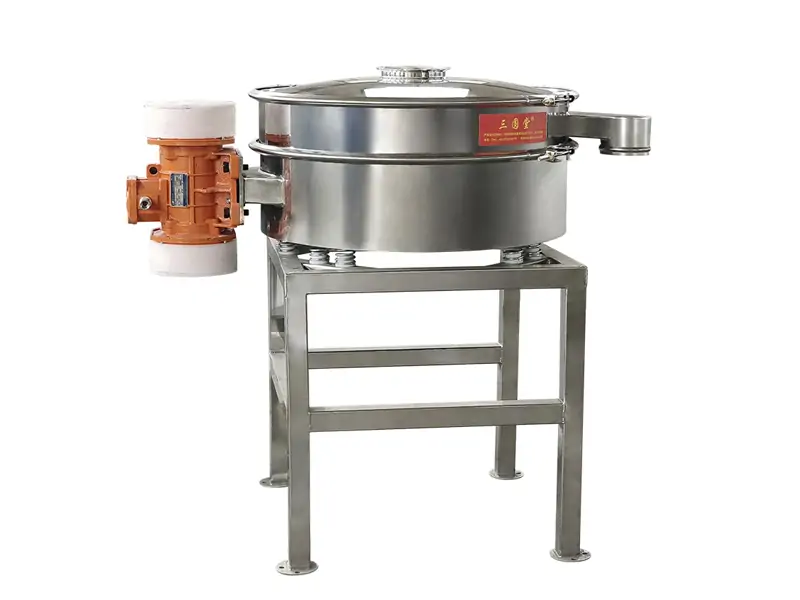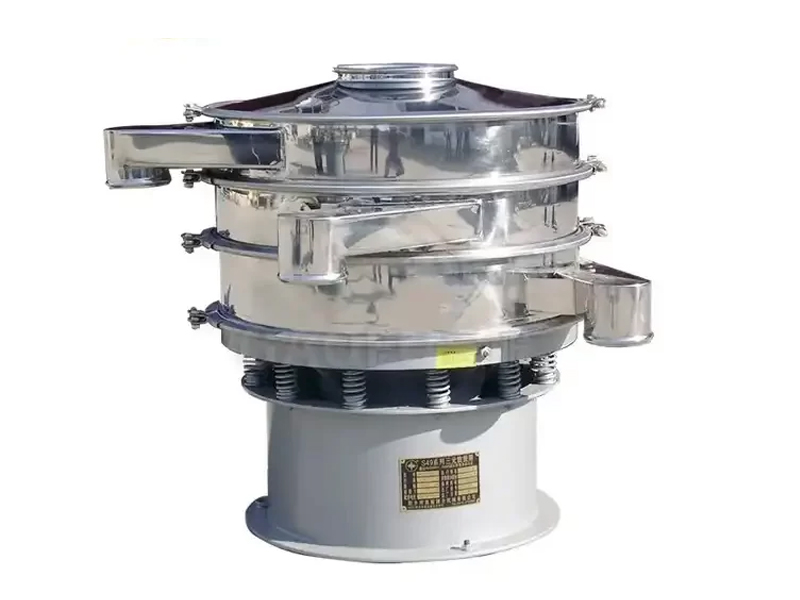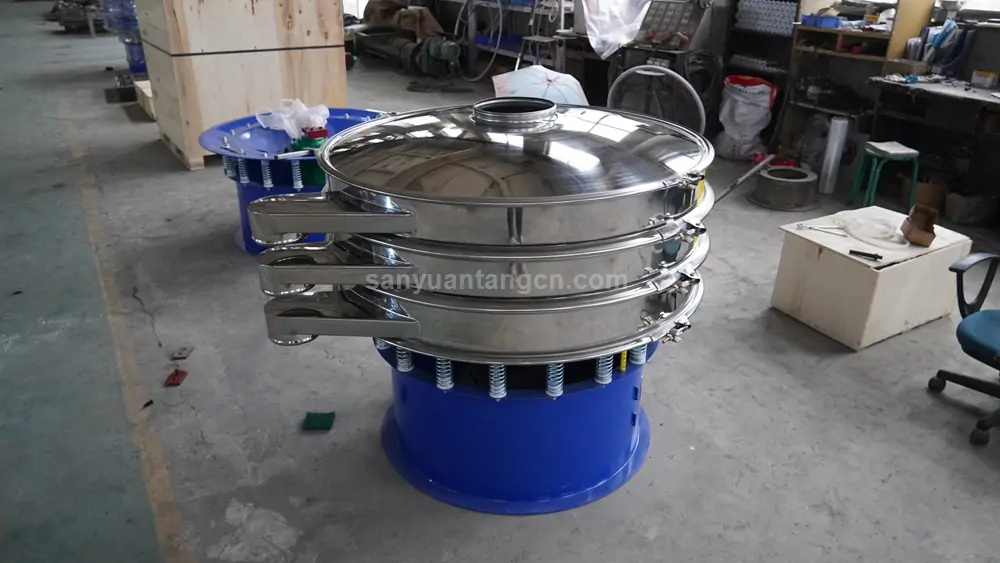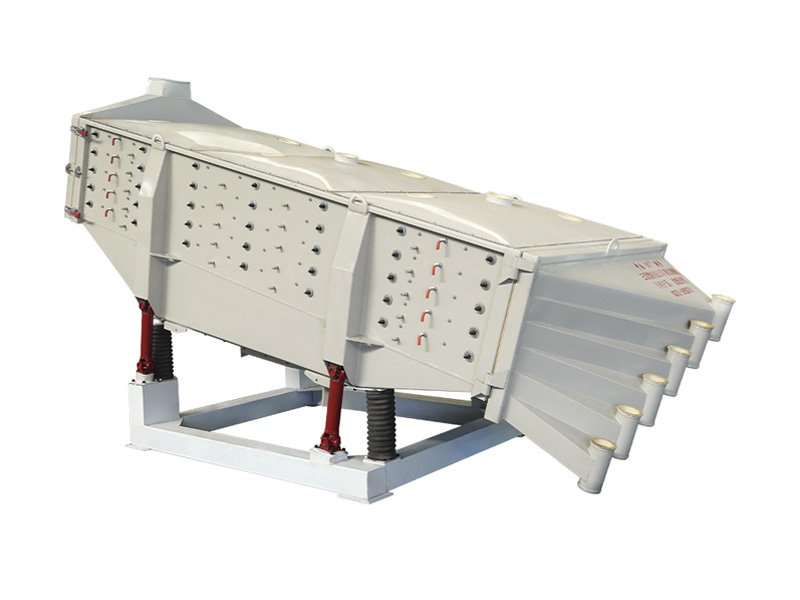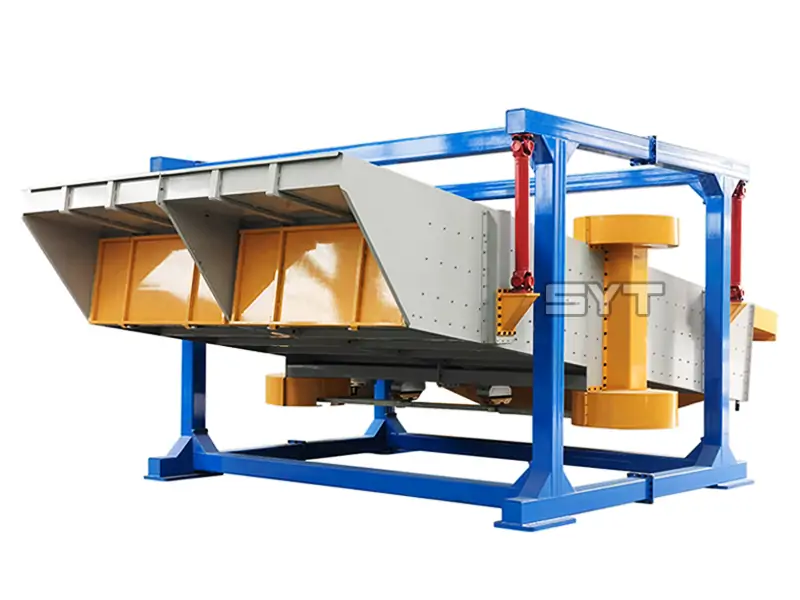
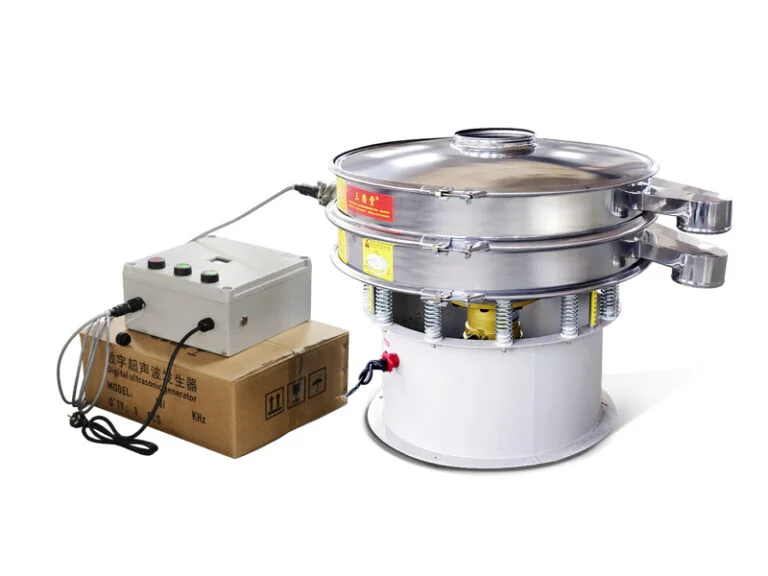
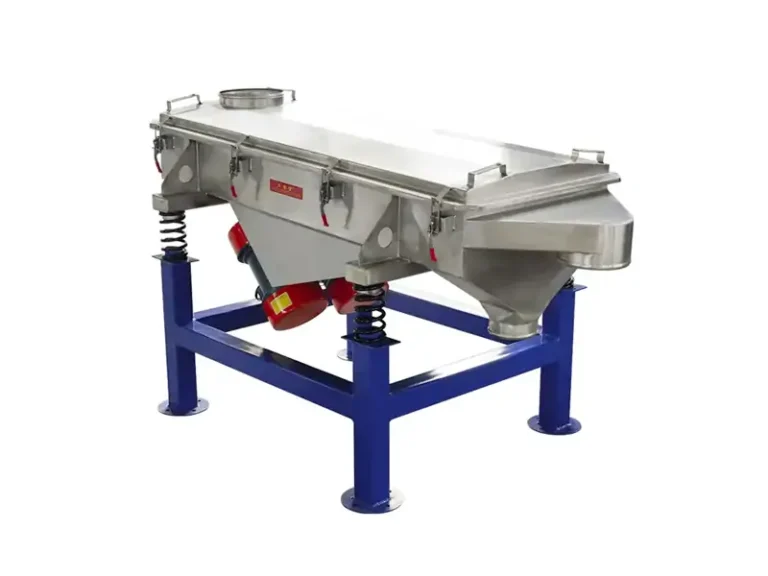
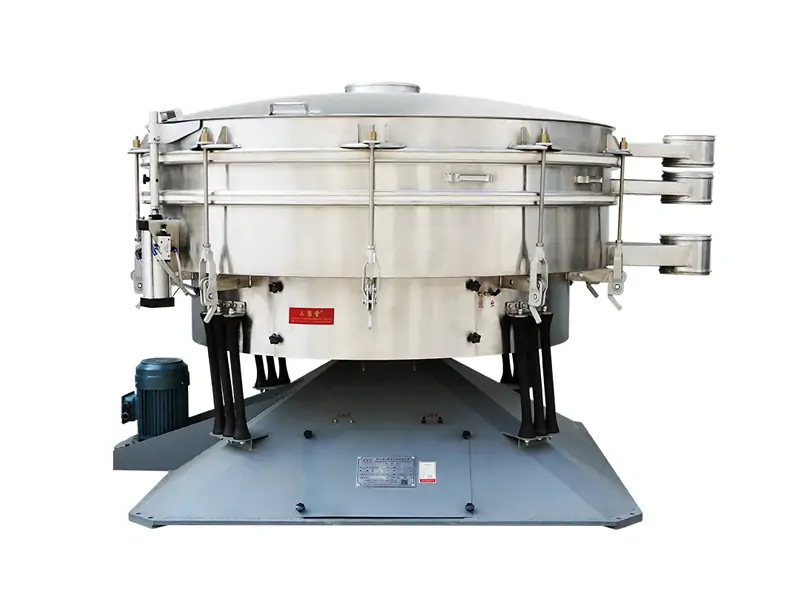
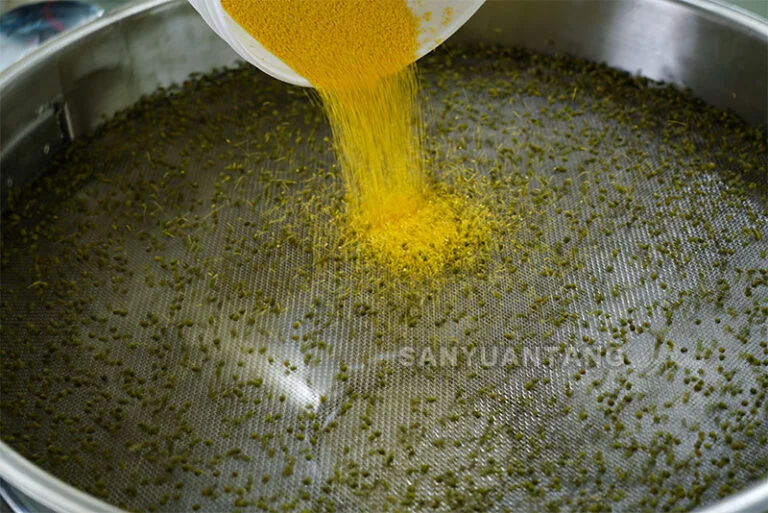
During the material screening process in a vibratory screen separator (also known as a vibrating screen separator or vibration screen machine), static electricity is sometimes generated, which may endanger operators. Today, Sanyuangtang Machinery will analyze the causes of static electricity in material screening and the corresponding solutions.
Causes of Static Electricity in Material Screening
There are generally two main reasons for static electricity generation:
- The material itself carries static electricity. When the material is conveyed to the vibratory screen separator, it already has a static charge.
- During the screening process, friction between the material and the screen mesh, or excessive dryness of the material itself, leads to charge accumulation and static electricity generation.
Results of Static Electricity
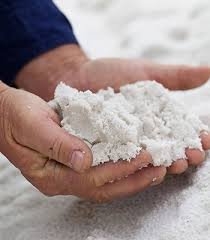
Static electricity can easily cause material agglomeration, adhesion to the screen mesh, reduced screening accuracy, decreased output, and, in severe cases, may cause harm to the human body.
How to Solve Static Problems in Vibratory Screen Separator Systems
Sanyuangtang Machinery generally adopts the following six methods to solve static electricity problems during screening:
- Grounding method
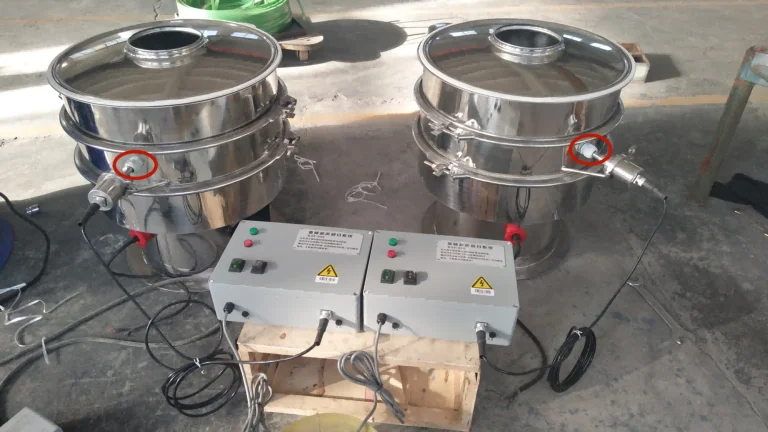
- Adding an ultrasonic system
- Installing anti-static equipment
- Material pretreatment
- Screen mesh material optimization
- Process optimization
Below are the specific solutions and applicable scenarios:
Grounding Method
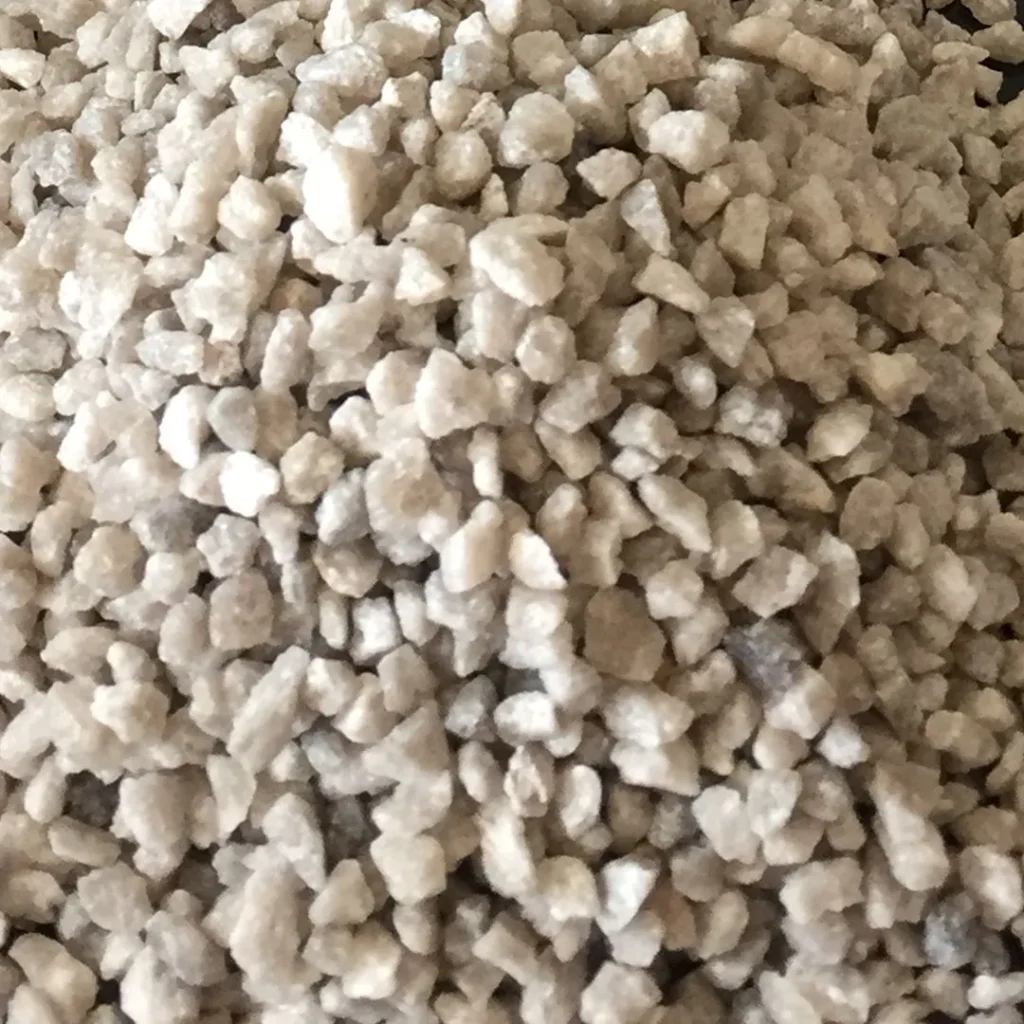
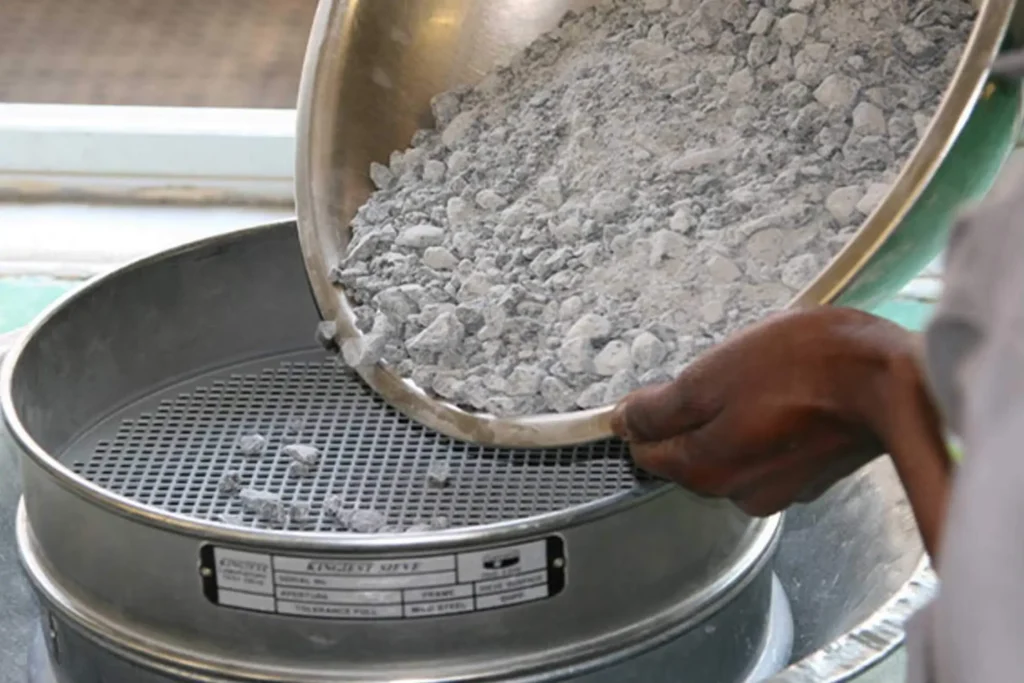
Applicable Scenario: Materials with weak static electricity and low production efficiency requirements (such as ore and sand).

Operation Method:
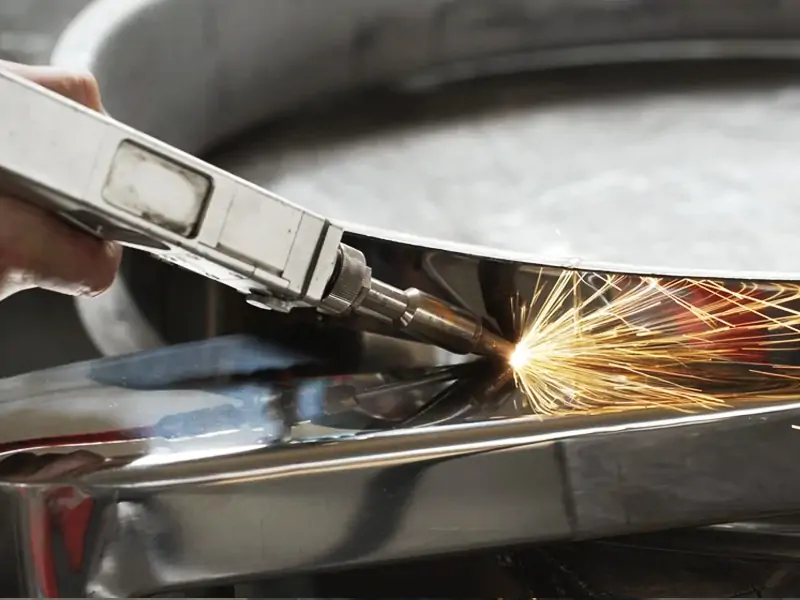
- Weld a grounding wire to the screen frame or screen mesh of the vibratory screen separator or industrial screening machine and directly connect it to the ground (grounding resistance must be less than 4Ω).
- If the screen frame and mesh frame are not in tight contact, the grounding wire should be directly connected to the mesh frame to prevent cable breakage caused by friction during equipment operation.
Precautions: Regularly check whether the grounding wire is loose or damaged to prevent static electricity from accumulating again.
Adding an Ultrasonic System
Applicable Scenario: Ultra-fine materials with high static electricity and easy agglomeration (such as pharmaceutical powders, metal powders, lithium battery materials, etc.).
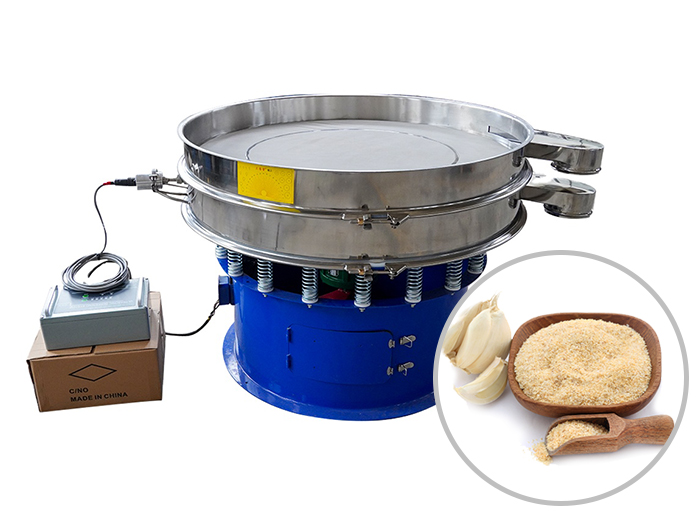
Principle: Based on a traditional vibratory screen separator or rotary vibrating screen, high-frequency and low-amplitude ultrasonic vibration waves (18kHz) are superimposed to disperse material agglomerates and destroy static adsorption forces.
Advantages:
- Screening accuracy increased by 50%–400%
- Capable of handling ultra-fine powders above 25μm (600 mesh)
- No additional mesh cleaning devices (such as bouncing balls) are required, avoiding material contamination
- Suitable for industries with high hygiene requirements, such asthe pharmaceutical and food industries (in compliance with GMP standards)
Case: Vitamin powder and traditional Chinese medicine fine powder can operate continuously for several hours in an ultrasonic vibratory screen without mesh blockage.
Installing Anti-Static Equipment
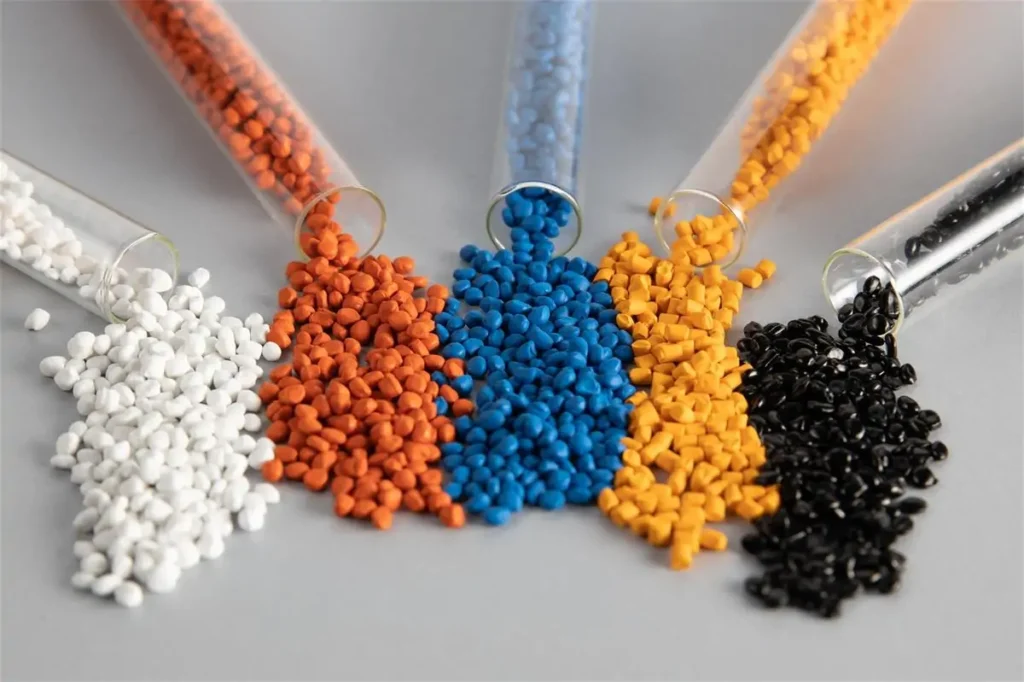
Applicable Scenario: Open screening environments with low-dust materials (such as plastic granules and grains).

Common Equipment:
- Ion Air Blower: Generates positive and negative ions through high-voltage corona discharge to neutralize static electricity on the material surface. It needs to cooperate with airflow to blow ions onto the material surface.
- Static Elimination Bar: Installed inside the screening chamber of the vibratory screening system or vibro separator to directly release ions and neutralize static electricity, suitable for enclosed screening systems.
Precautions: Ensure proper grounding of the equipment to avoid secondary discharge.
Material Pretreatment
Applicable Scenario: Materials with low moisture content and prone to dryness (such as chemical raw materials and mineral powders).


Methods:
- Humidity Control: Spray water into the screening environment or use a humidifier to maintain air humidity above 45% to reduce static generation.
- Add Anti-Static Agents: Mix 0.1%–1% anti-static agents (such as surfactants) into the material to reduce surface resistance.
- Pre-drying / Humidifying: If the material is too dry, humidify it before screening; if the material is wet and agglomerated, dry it before screening.
Screen Mesh Material Optimization
Applicable Scenario: Production lines with high screening efficiency requirements and long-term operation.
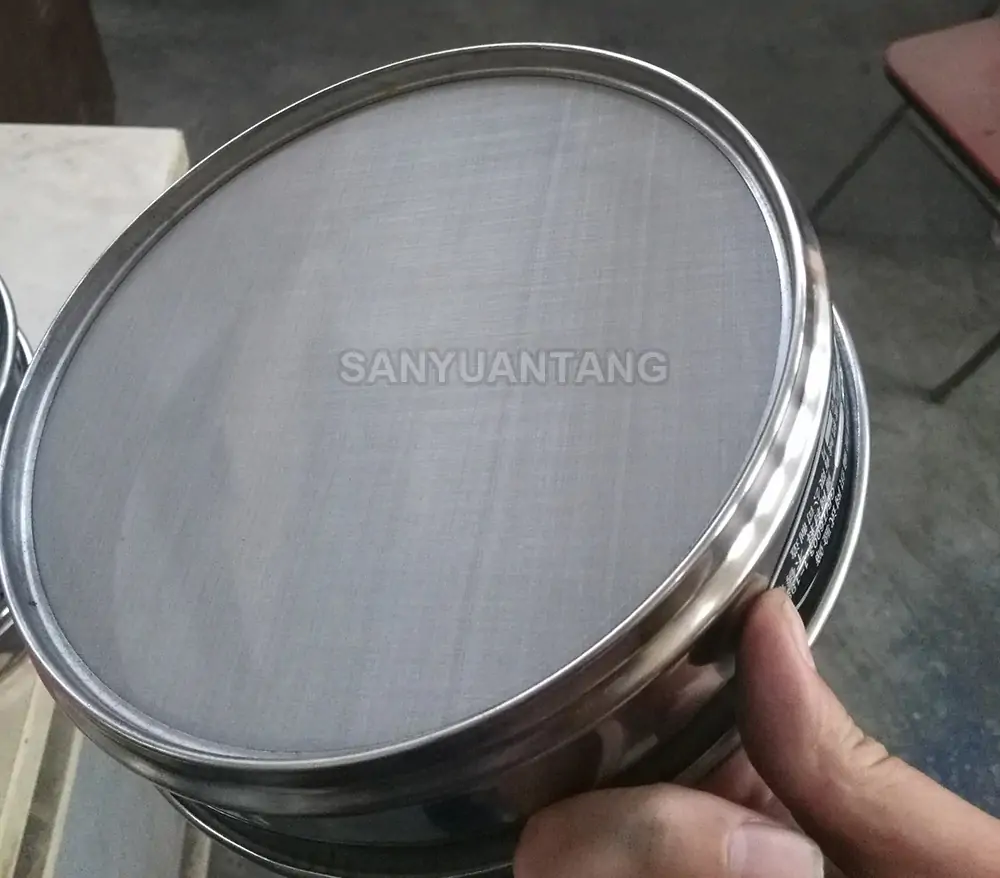
Selection Principles:
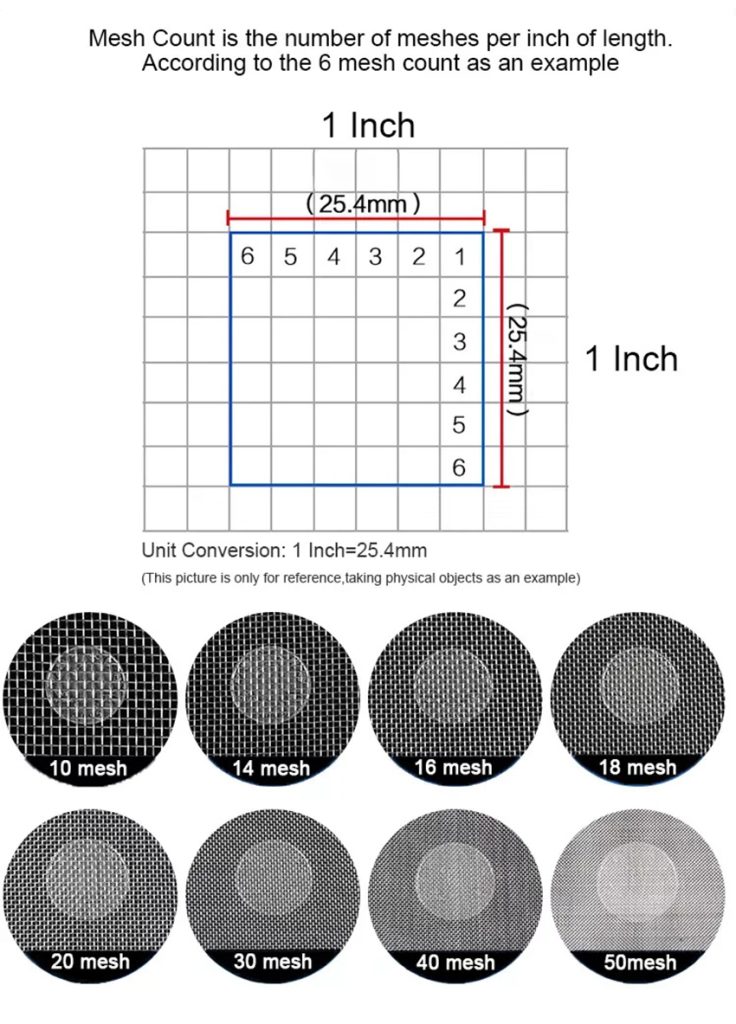
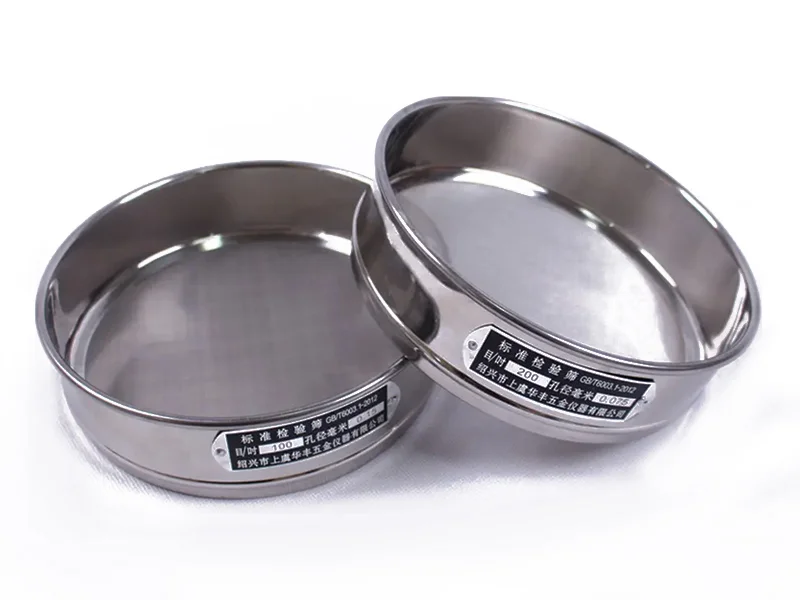
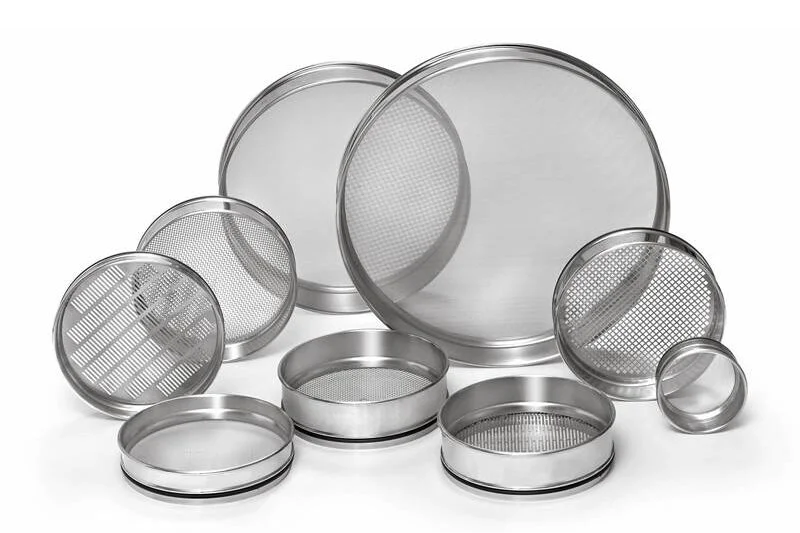
- Give priority to materials with good conductivity (such as stainless steel and copper mesh), and avoid insulating materials (such as nylon and plastic).
- For materials prone to static electricity, anti-static coatings (such as graphite or conductive resin) can be applied to the screen surface.
Based on our experience, stainless steel mesh can reduce static generation by more than 60% compared to nylon mesh.
Process Adjustment
- Reduce Screening Speed: Adjust the eccentric block angle of the vibration motor in the vibratory screen separator system to reduce amplitude and decrease friction intensity between material and mesh.
- Optimize Feeding Method: Ensure uniform material distribution on the screen surface to avoid localized overload that increases friction.
- Regular Cleaning: Remove residual materials on the mesh surface in time to prevent dust accumulation that may trigger static electricity.
Selection of Solutions
Below is a comparison table we summarized to help you quickly understand and compare different methods:
| Method | Applicable Materials | Advantages | Disadvantages |
|---|---|---|---|
| Grounding Method | Ordinary ore, sand | Low cost, simple operation | Only suitable for weak static materials |
| Ultrasonic Vibratory Screen | Ultra-fine powder, high-static materials | Completely solves mesh blockage, high precision | Higher equipment cost |
| Ion Air Blower | Open environment, low-dust materials | Fast effect, no material contact | Requires airflow cooperation, higher energy consumption |
| Anti-Static Agents | Chemical raw materials, plastic granules | Suppresses static from the source | May affect material purity |
If dealing with ordinary materials, the grounding method or an ion air blower should be considered first.
If dealing with ultra-fine, high-value materials (such as pharmaceutical or electronic materials), an ultrasonic vibratory screen is the optimal solution.
For long-term production, combine screen mesh material optimization and process adjustment to fundamentally reduce static electricity generation.
Through the above methods, static electricity problems in the vibratory screen separator can be effectively solved, improving production efficiency and product quality.
Conclusion
Through this article, we understand how to solve static problems in vibratory screen separator systems and how to solve static electricity problems generated during the screening process.
Sanyuangtang Machinery has more than 30 years of experience in manufacturing and R&D of screening machines. We need to better understand the various challenges encountered during the screening process. If you have any questions about selecting a vibratory screen separator, vibrating sieve machine, or other screening equipment, contact us now. Our professional team will provide you with the latest solutions.
Email: info@sanyuantang.com
Phone: +86-18639095165