Strainers and sieves are common filtering tools used in daily life and industrial production. Although they look very similar in appearance, there are clear differences in their design structure, application fields, and working principles. Today, we will explore Strainer vs Sieve: Key Differences Explained.
Strainer: Mainly used for filtering liquids or gases
Sieve: Mainly used for grading and screening solid particles
Below, we compare them in detail based on their characteristics.
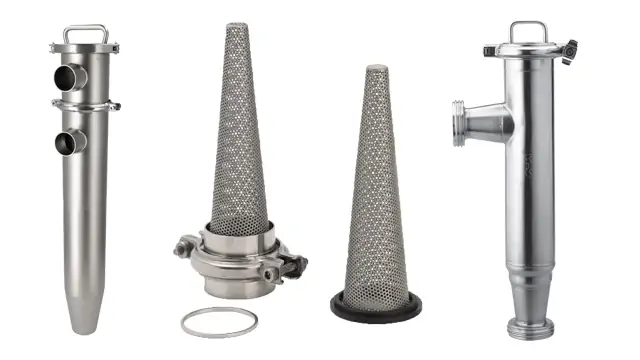
 Strainer
 Sieve
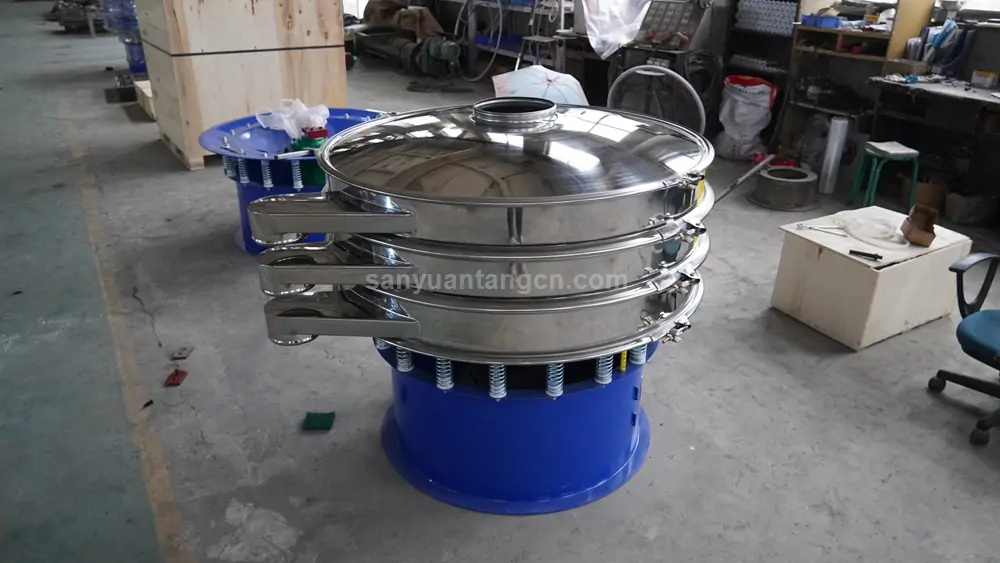
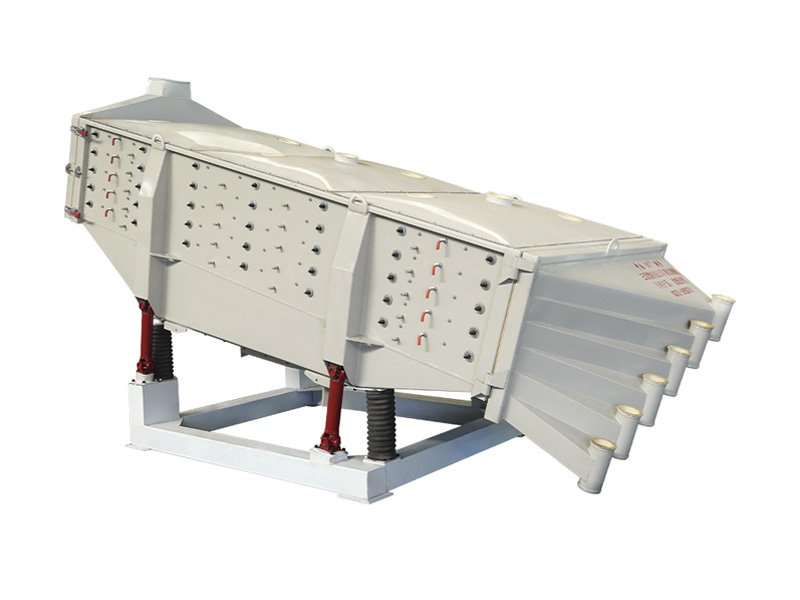
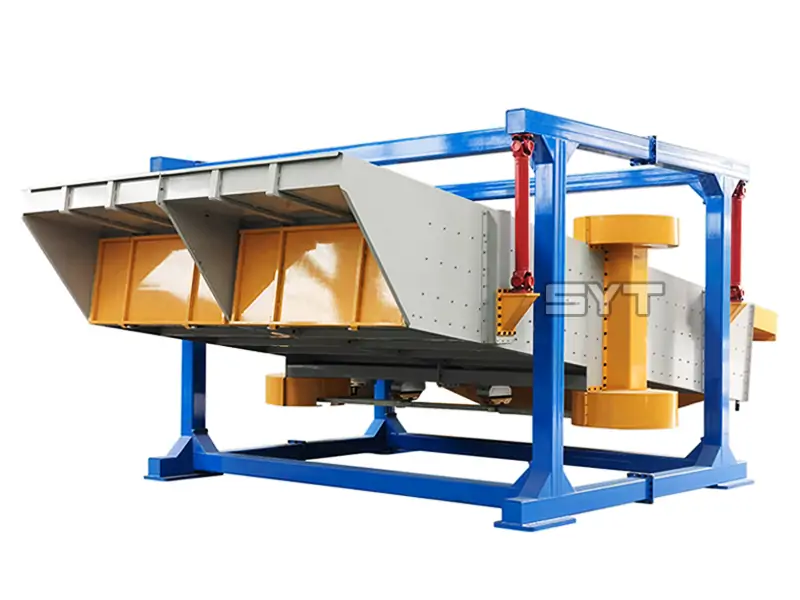
Sieve
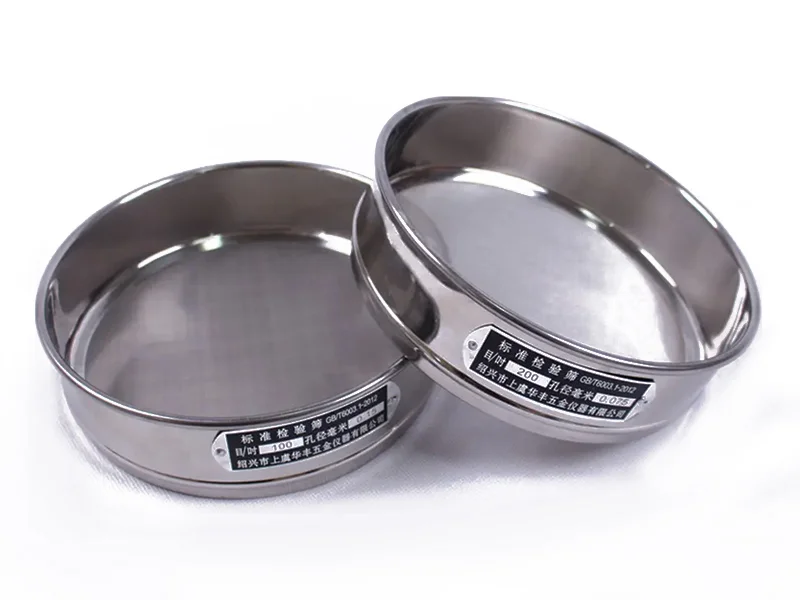
Strainer vs Sieve: Core Differences and Application Scenarios
Strainer
Definition:
A strainer is a filtering tool that removes impurities from liquids, gases, or solids through physical interception or adsorption. It is usually made of metal, plastic, or fiber materials, and its mesh size is typically smaller than the target impurity particles.
This type of filtering tool is commonly referred to as a strainer or filter mesh.
Application scenarios:
- Water filtration systems
- Air purification equipment
- Food processing (coffee filtering, soy milk filtering)
- Precision filtration in chemical and pharmaceutical industries
- Oil filtration systems
Characteristics:
- Mainly used for liquid or gas filtration
- Focuses on impurity removal capability
- Usually relies on pressure difference or fluid flow for filtration
- Generally provides high filtration precision
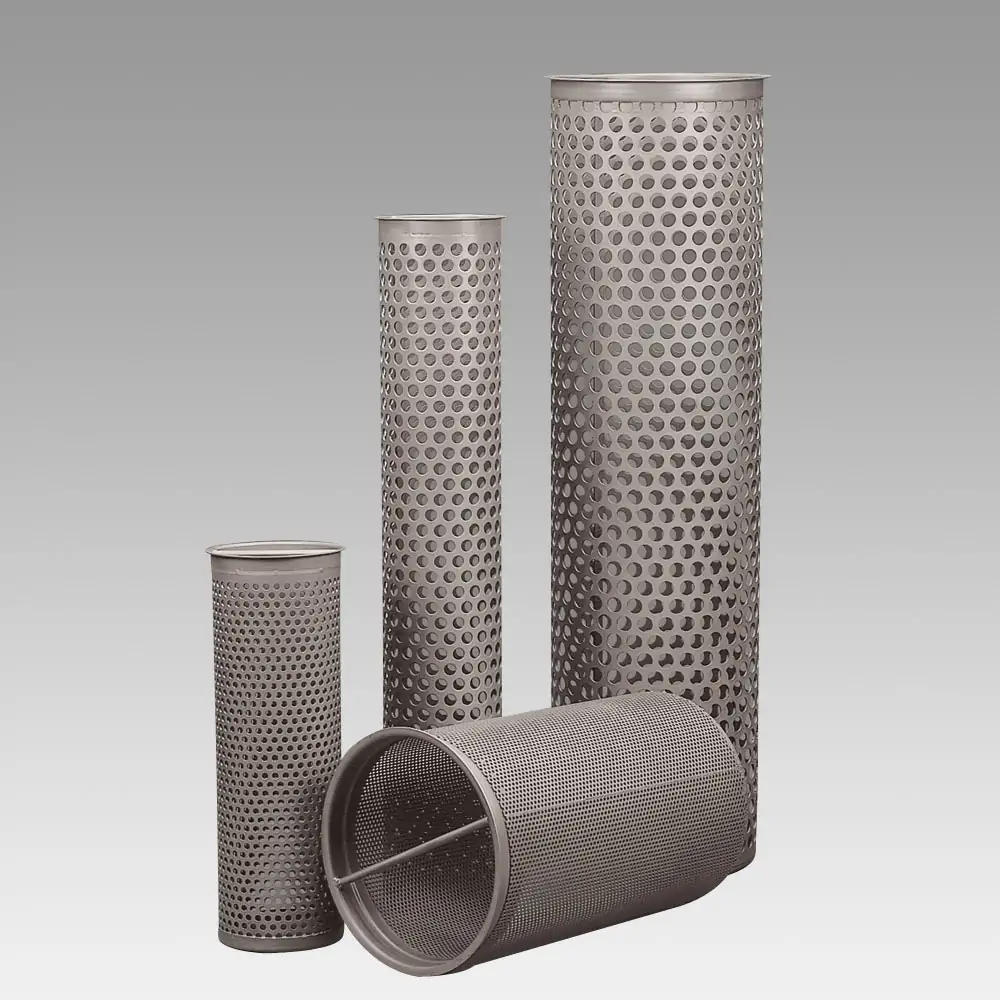
In many industrial filtration systems, a strainer is an important component that protects equipment such as industrial pumps, valves, and pipeline systems through pre-filtration.
Sieve
Definition:
A sieve is a tool used to separate solid particles by mesh size. It is mainly used for material classification, screening, or grading.
In industrial fields, sieves are often referred to as sieve or screening mesh.
Application scenarios:
- Sifting flour in the kitchen
- Tea filtering
- Ore screening
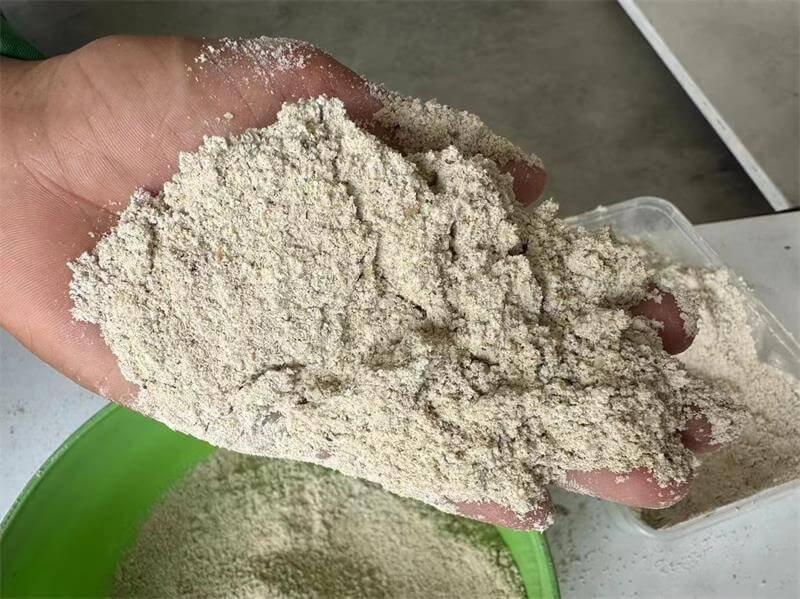
- Powder classification
- Laboratory particle analysis
- Construction material screening
Characteristics:
- Mainly used for solid particle separation
- Mesh size is usually uniform and standardized
- Relies on gravity, vibration, or mechanical movement for screening
- Commonly used for particle size classification
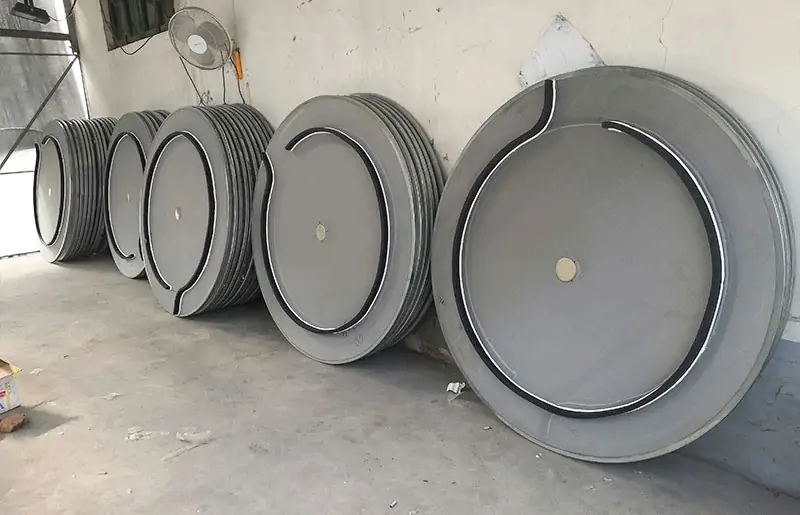
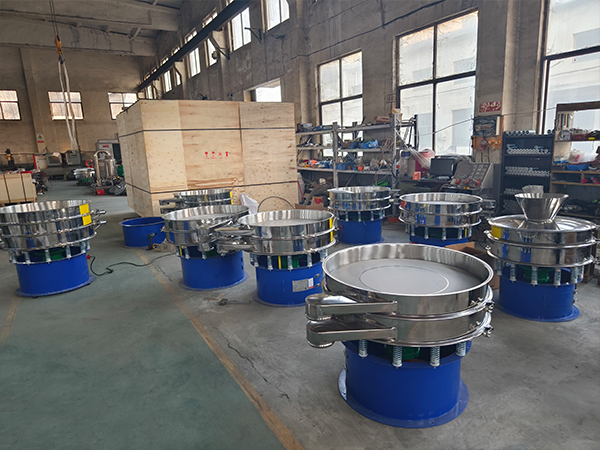
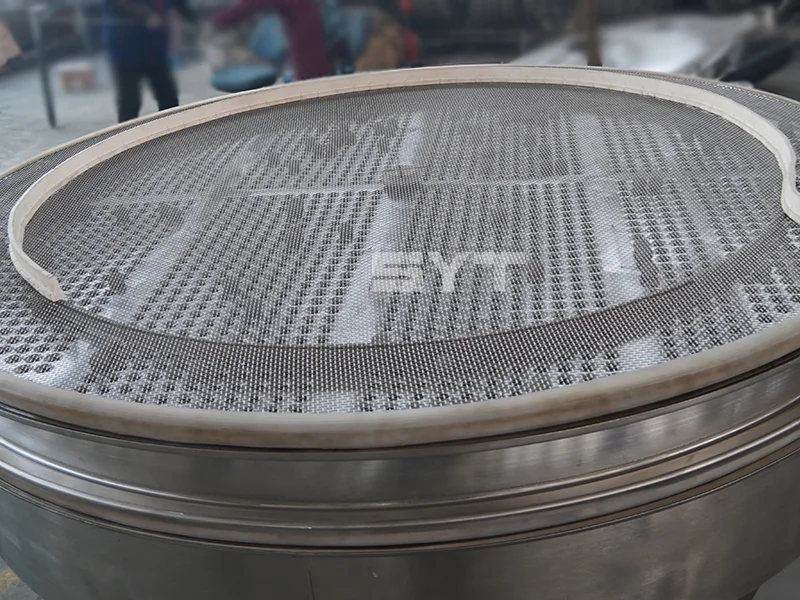
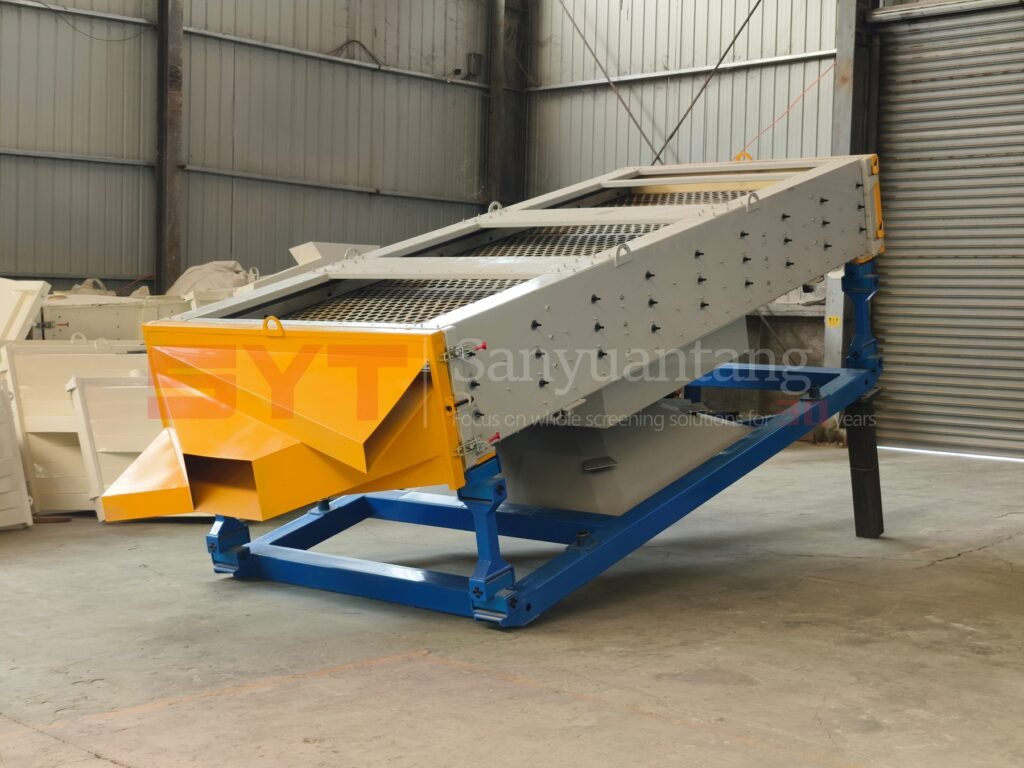
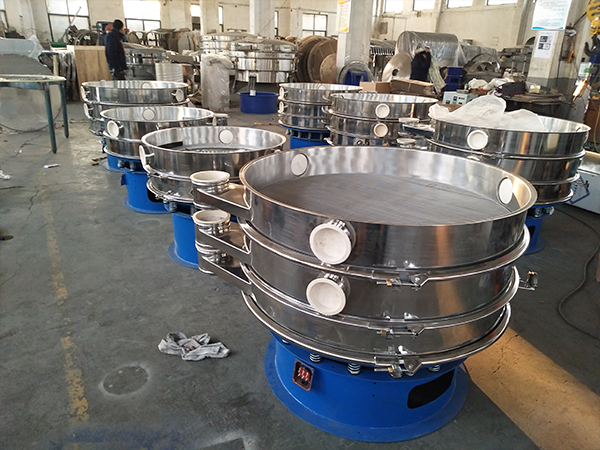
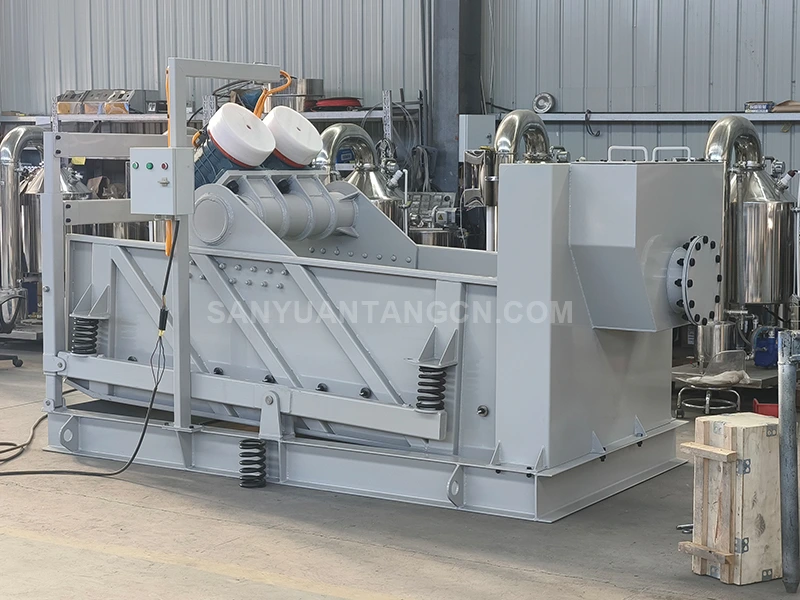
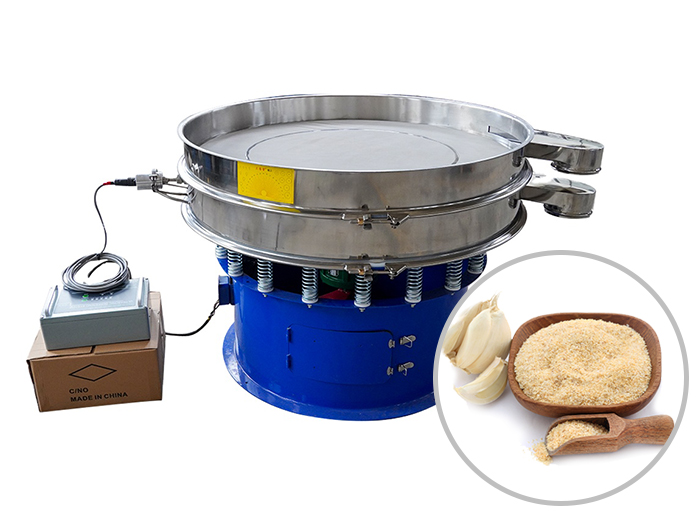
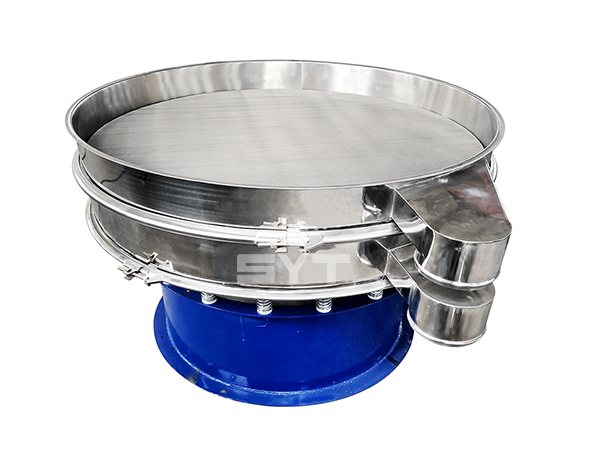
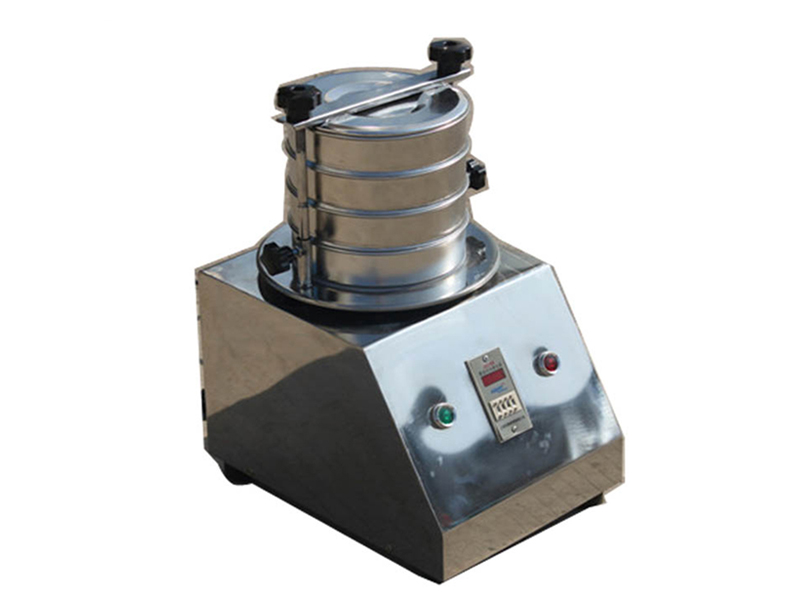
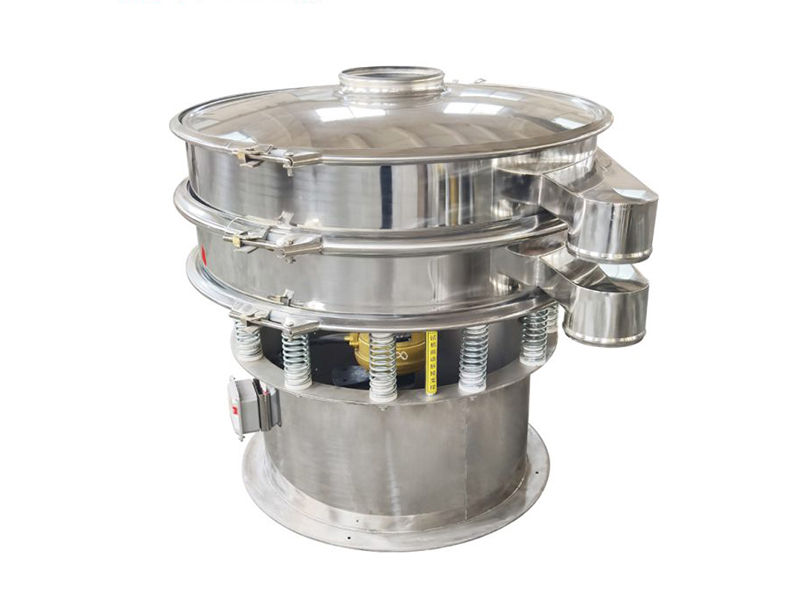
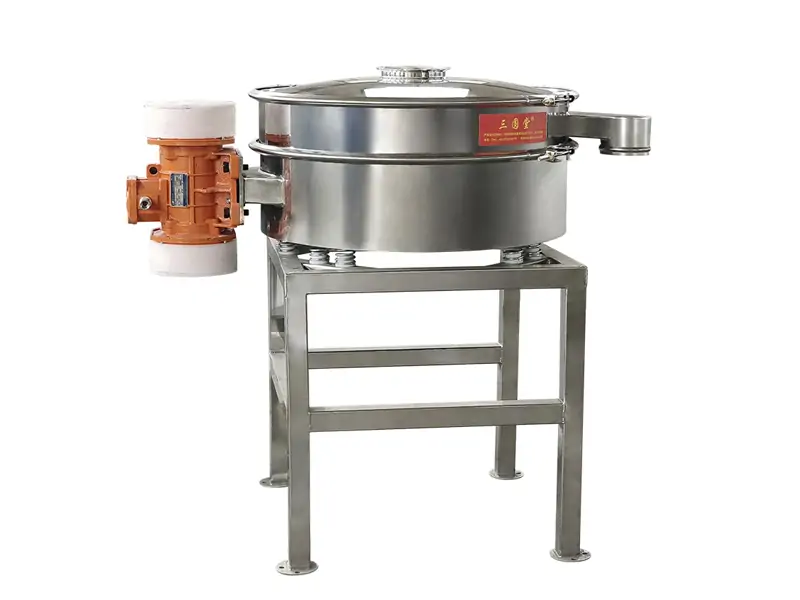
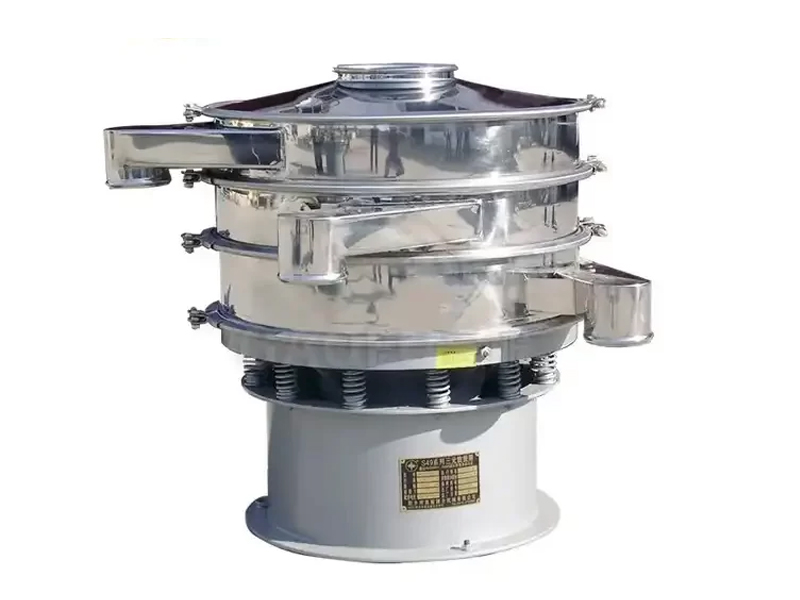
In industrial screening systems, sieves are typically installed on vibrating screens, rotary sifters, or screening machines for continuous production.
Key Parameters of Strainer vs Sieve: Mesh and Aperture
Whether it is a strainer or a sieve, one of the most important parameters is mesh size.
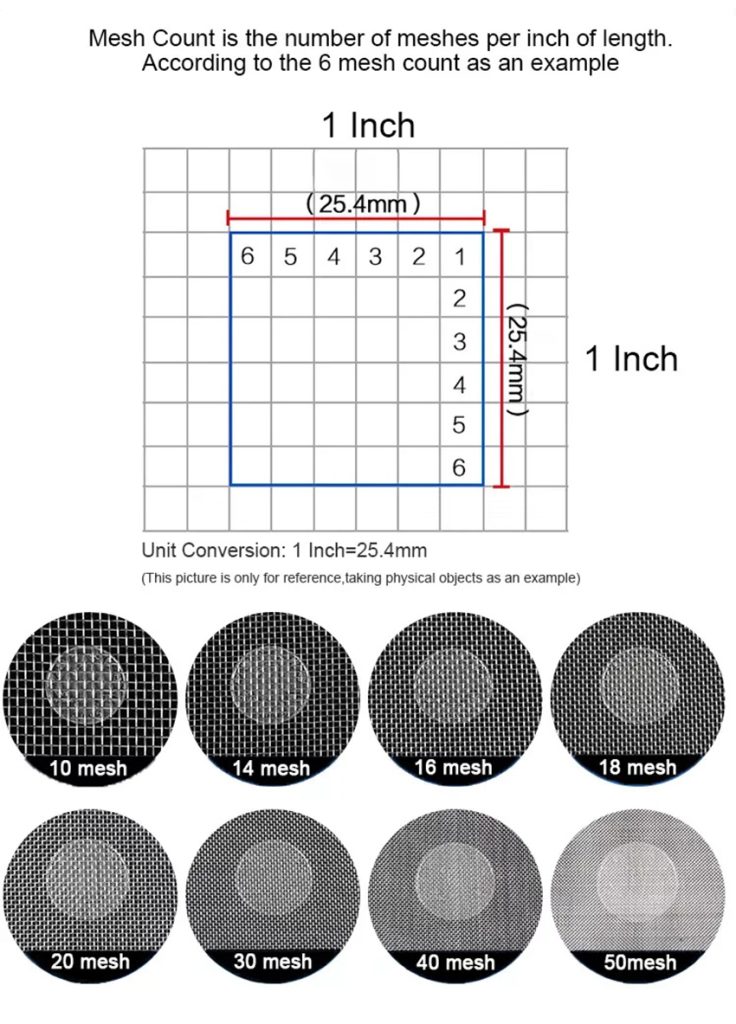
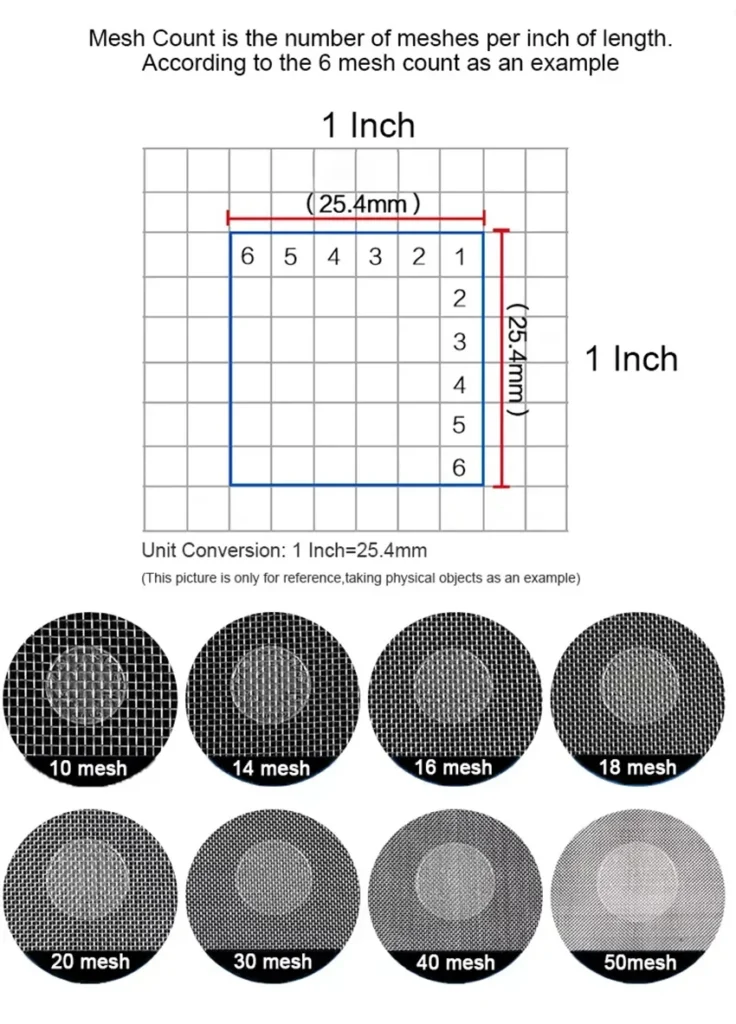
Mesh
Mesh refers to the number of openings per inch (25.4 mm) of screen.
- Higher mesh → smaller openings → higher filtration precision
Common mesh ranges:
| Application | Mesh | Aperture |
|---|---|---|
| Flour sifting | 40–60 mesh | 0.3–0.4 mm |
| Soy milk filtering | 80–120 mesh | 0.12–0.18 mm |
| Laboratory sieving | 200 mesh | 74 μm |
| Industrial precision filtration | 200+ mesh | <75 μm |
Common conversions:
- 200 mesh ≈ 74 microns
- 325 mesh ≈ 44 microns
- 1000 mesh ≈ 13 microns
In industrial applications, selecting the correct mesh size is critical to ensuring screening efficiency and filtration accuracy.
Working Principle of Strainer vs Sieve
Working Principle of a Strainer
The filtration mechanism of a strainer usually includes the following methods:
1. Physical interception
Large particles are directly blocked by the mesh openings.
Example: HEPA filters in air purifiers can capture PM2.5 particles.
2. Adsorption
Some filter materials, such as activated carbon, remove odors or harmful gases through chemical adsorption.
3. Dynamic filtration
When liquid or gas flows through the strainer, impurities are retained on the surface. Therefore, the strainer must be cleaned or replaced regularly.
Working Principle of a Sieve
A sieve mainly separates particles based on particle size differences.
Its working methods typically include:
Gravity screening
Smaller particles pass through the mesh under gravity, while larger particles remain on the surface.
Vibration screening
Industrial screening equipment uses vibration to move materials across the screen surface, improving screening efficiency.
This method is commonly used in:
- Mining screening
- Powder processing
- Chemical industry
Materials and Structures of Strainer vs Sieve
| Material Type | Strainer | Sieve |
|---|---|---|
| Metal | Stainless steel, copper, nickel; corrosion-resistant and durable | Stainless steel or galvanized steel; strong and wear-resistant |
| Synthetic Materials | Plastic or fiber mesh; lightweight and inexpensive | Nylon, silk, polyester; suitable for fine particle screening |
| Specialty Filtration Materials | HEPA materials such as polypropylene fiber for air filtration | Rarely used; sieves mainly rely on mesh structures |
Cleaning and Maintenance Methods
Strainer Cleaning
Metal strainers
Rinse with clean water and use a soft brush. Avoid hard brushes that may damage the mesh.
HEPA filters
Do not wash with water. It is recommended to replace them every 3–6 months.
Plastic or fiber strainers
Use mild detergent and allow them to air dry naturally.
Sieve Cleaning
Metal sieves
Can be washed directly with water. Use a soft brush for stubborn residues.
Nylon sieves
Avoid strong scrubbing to prevent deformation of the mesh.
Typical Applications of Strainer vs Sieve
| Tool | Mesh / Aperture | Application |
|---|---|---|
| Strainer | 200 mesh | HEPA filtration in air purifiers |
| Strainer | 80–120 mesh | Coffee filtering, soy milk filtering |
| Sieve | 40–60 mesh | Flour sifting |
| Sieve | 200+ mesh | Laboratory particle analysis |
In industrial production, the choice between strainer vs sieve usually depends on the material type (liquid or solid) and the required filtration precision.
Conclusion
Strainer
- Used for liquid or gas filtration
- Provides high filtration precision
- Common in water treatment, air purification, and food processing
Sieve
- Used for solid particle classification
- Common in powder processing, mining, and food production
- Screening is completed through vibration or gravity
Selection Suggestions
- Flour sifting: 40–60 mesh sieve
- Soy milk filtering: 80–120 mesh strainer
- Industrial precision filtration: 200+ mesh filter
- Powder screening: choose industrial screening mesh according to particle size
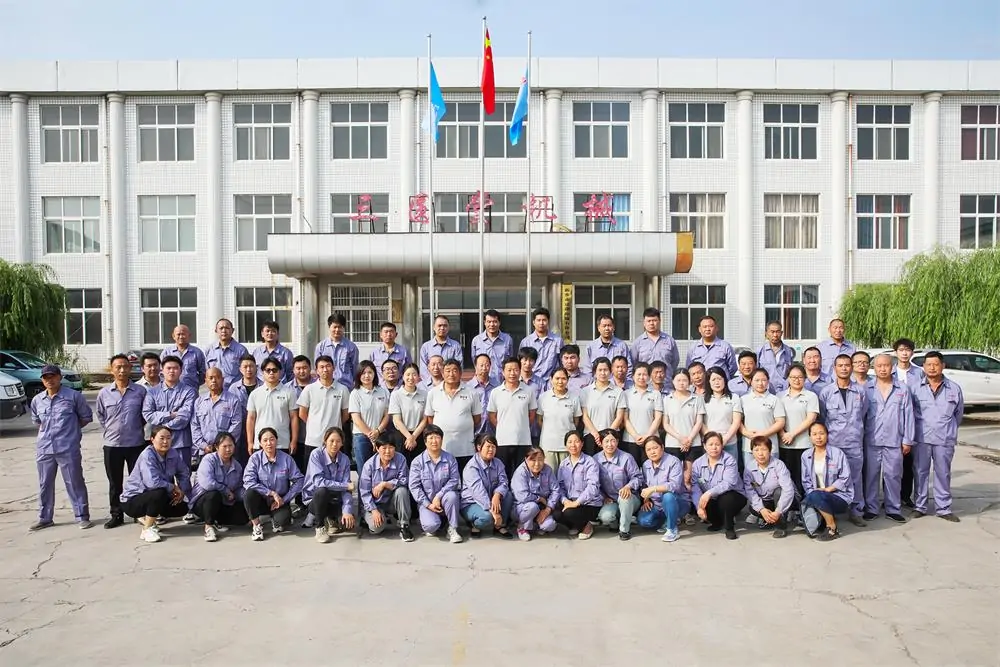
We are a vibrating screen manufacturer in China. If you have any questions about sieve selection, replacement, or maintenance for vibrating screens, feel free to contact us. Sanyuantang Machinery has more than 30 years of industry experience and can help you quickly solve industrial screening problems.
Email: info@sanyuantang.com
Phone: +86-18639095165
Quick Comparison: Strainer vs Sieve
| Feature | Strainer | Sieve |
|---|---|---|
| Main Function | Filtration | Particle separation |
| Material Type | Liquid or gas | Solid particles |
| Working Principle | Fluid flow or pressure | Gravity or vibration |
| Typical Use | Water filtration, coffee filter | Flour sifting, powder screening |
| Mesh Size | Usually fine mesh | Mesh varies by particle size |
Related Terms in Screening and Filtration
When discussing strainer vs sieve, several related terms are often used in industrial filtration and particle screening:
- filter mesh – mesh material used for liquid or gas filtration
- sieve mesh – mesh used for separating solid particles
- screen mesh – industrial screening surface used in vibrating screens
- particle size screening – classification of materials based on particle size
- industrial sieve – sieves used in mining, food, and powder processing
- vibrating screen mesh – screen mesh used in vibrating screening equipment
Understanding these related concepts helps engineers and operators select the correct filtration or screening equipment for different industrial applications.