Structural Failure Mechanism of Vibrating Screens
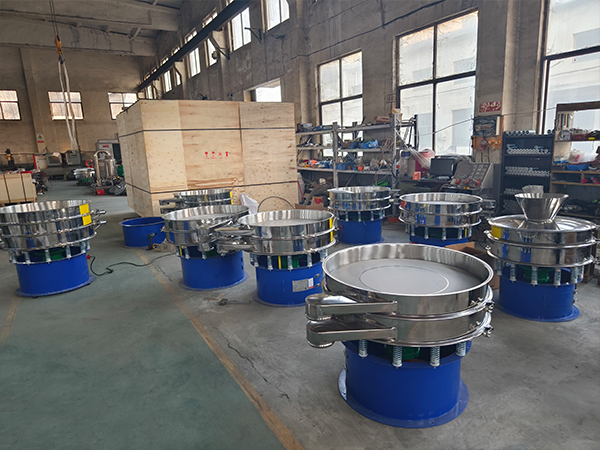
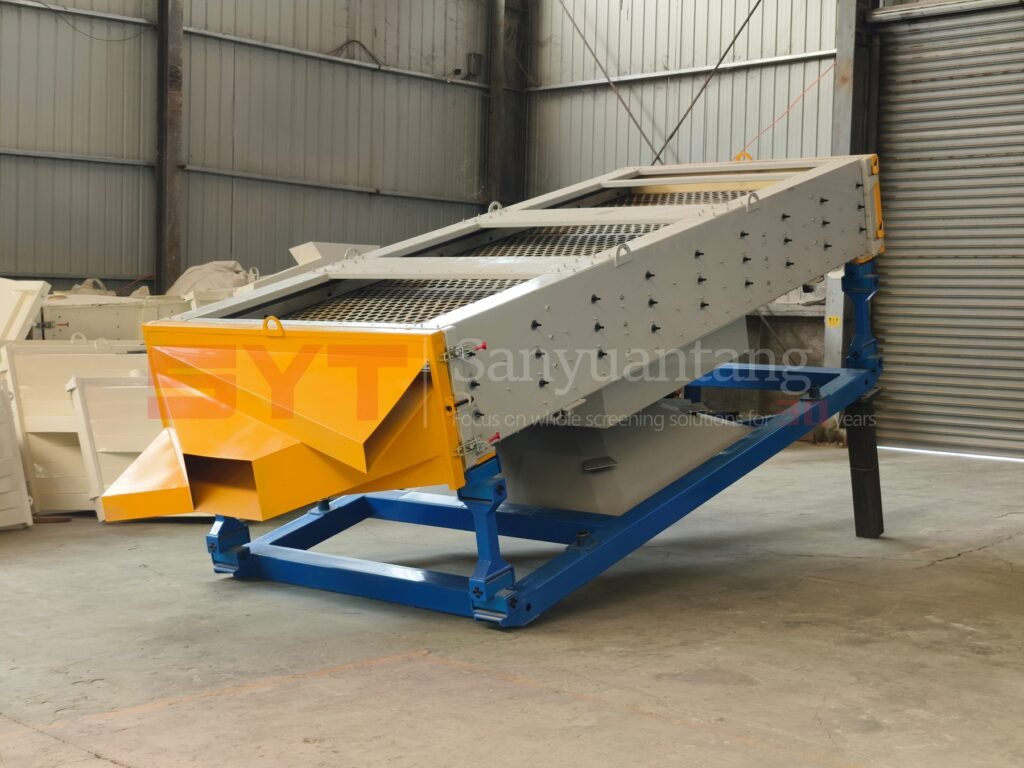
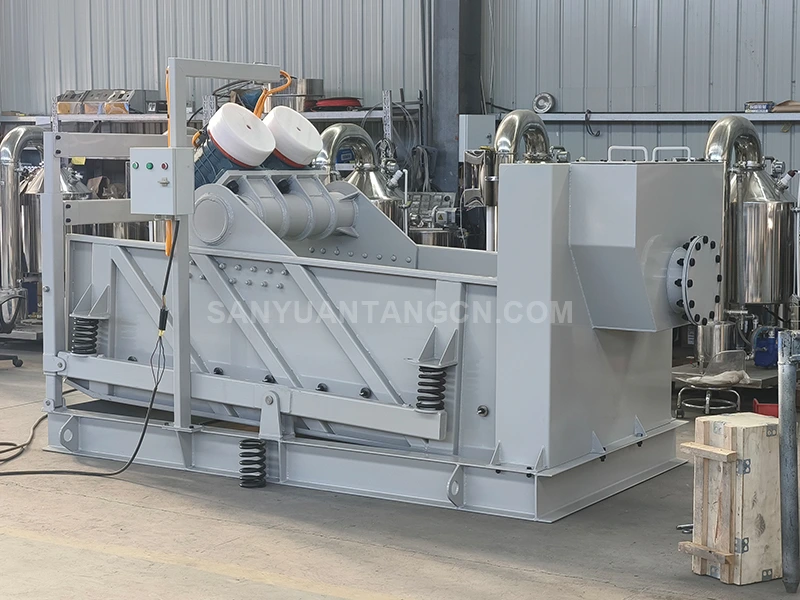
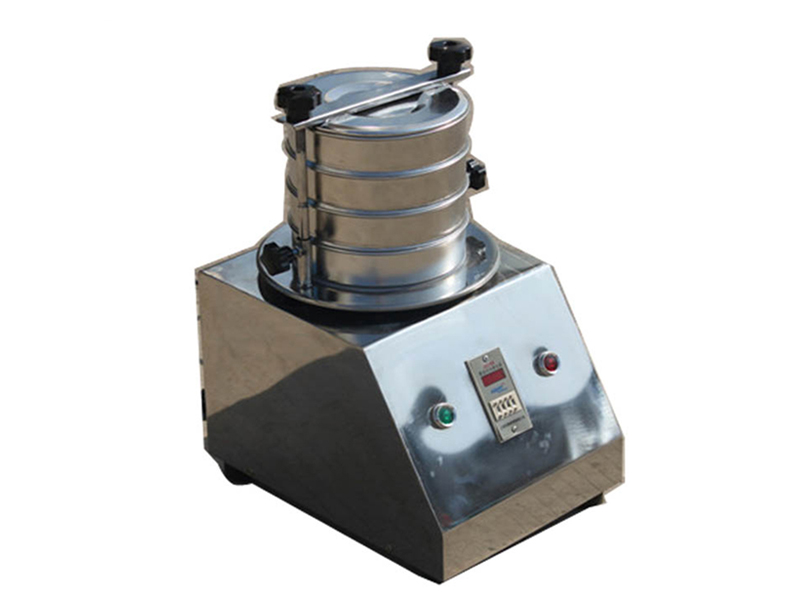
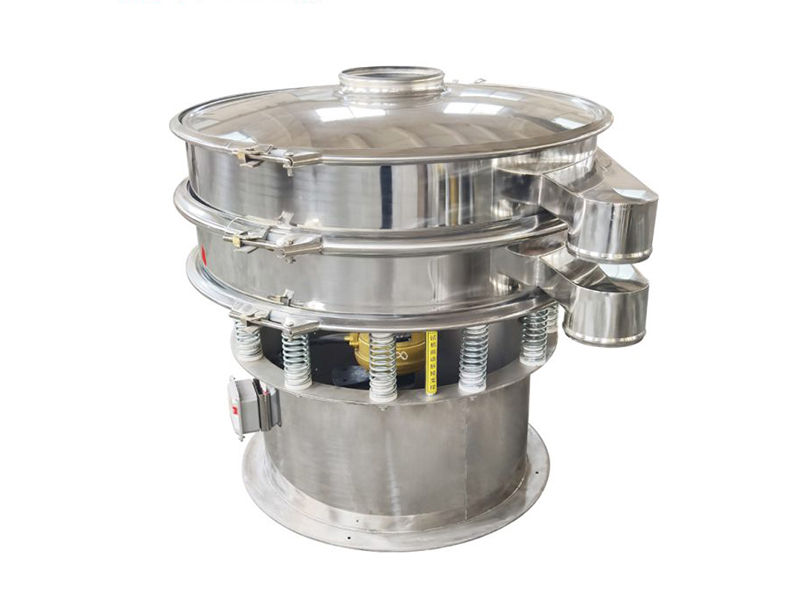
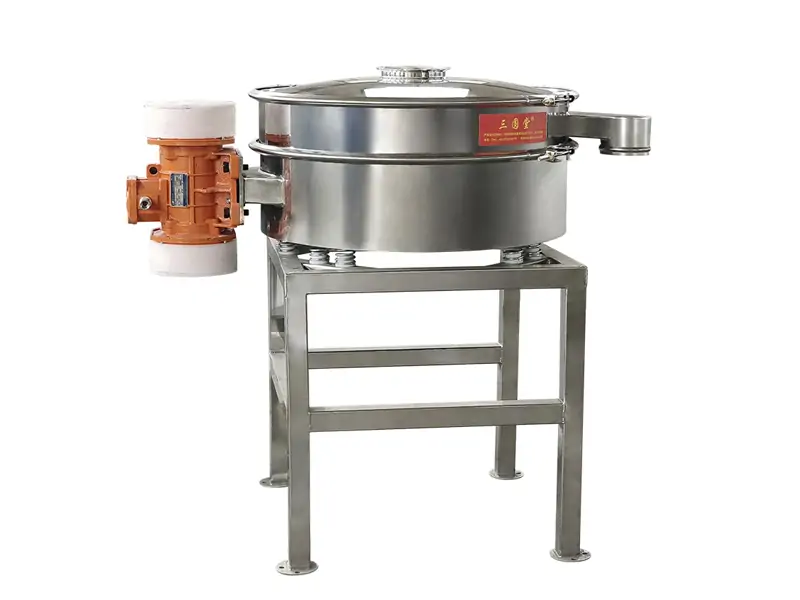
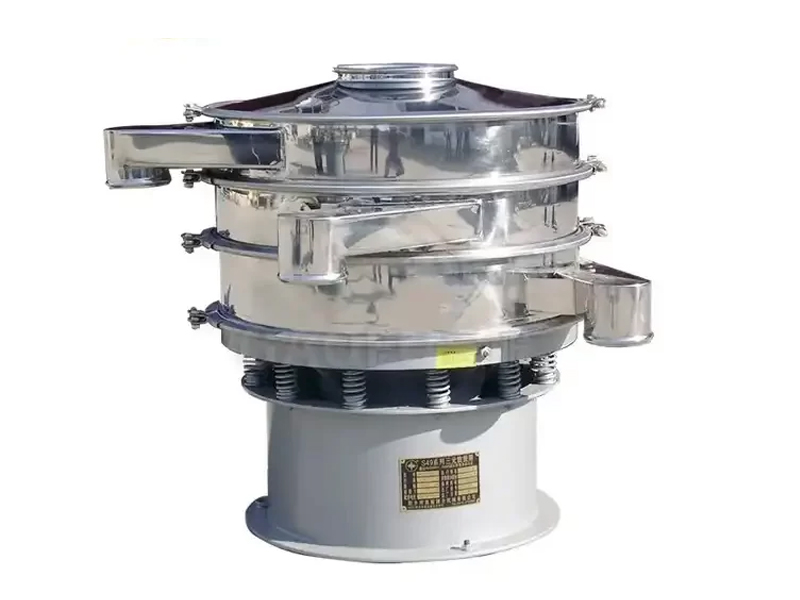
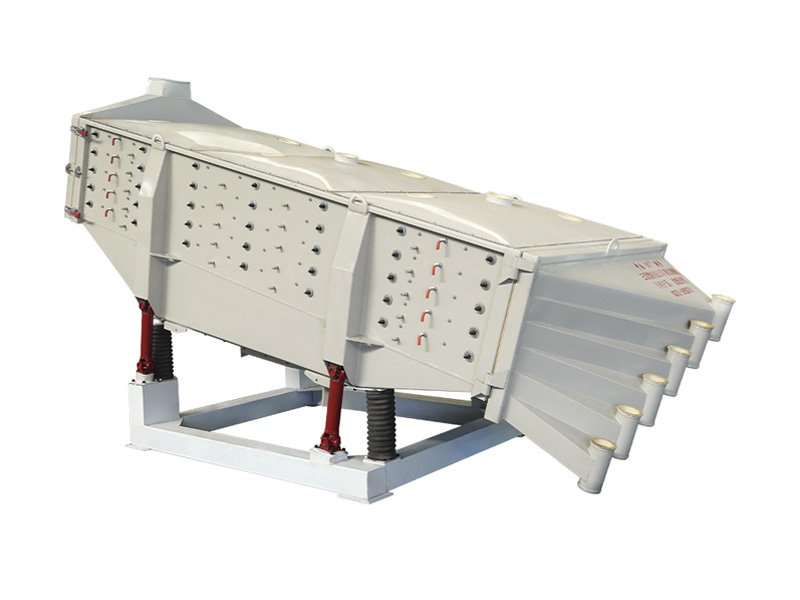
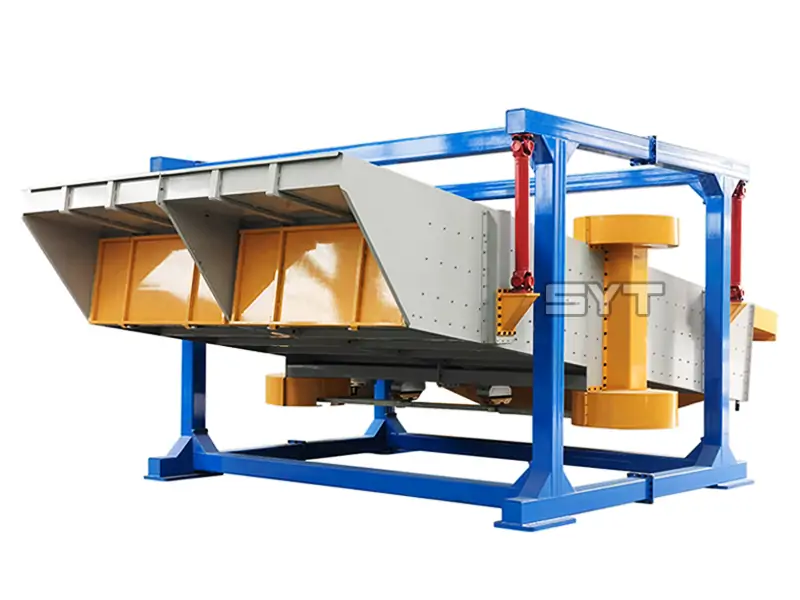
Vibrating screens are high-frequency, dynamic-load equipment widely used in the mining, aggregates, coal processing, and metallurgical industries. During operation, periodic centrifugal forces generated by the exciter are transmitted from the side plates to cross beams and the screen frame, forming continuous alternating stress.
Unlike static equipment failure, structural damage in vibrating screens is primarily fatigue-driven rather than instantaneous fracture. When stress concentrations arise from welding defects or geometric discontinuities, cracks initiate at weld toes or heat-affected zones (HAZ) and gradually propagate under cyclic loading.
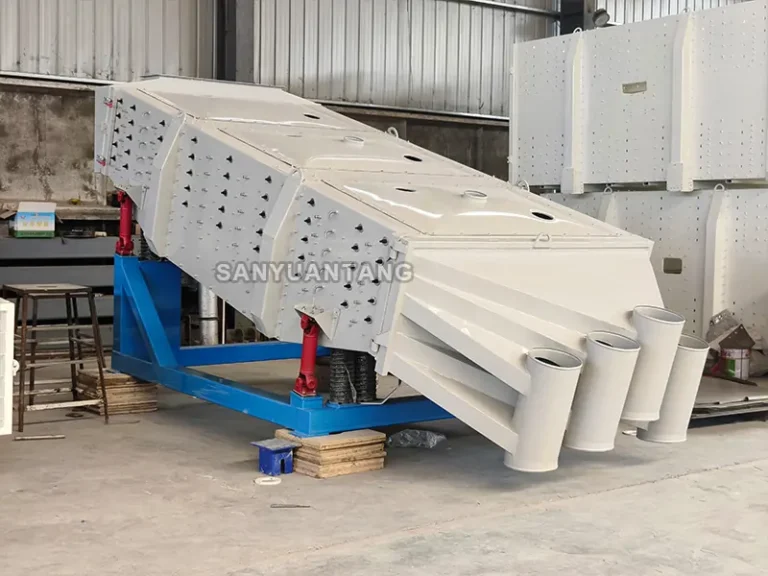
At Sanyuangtang Machinery, long-term field service data shows that recurring structural cracks are rarely material-strength problems alone. They are usually caused by improper stress distribution, welding quality variation, or design mismatch with the excitation force.
Therefore, effective vibrating screen maintenance must focus on identifying stress sources and optimizing load paths, not simply repairing visible cracks.
Common Structural Problems and Technical Causes
Side Plate Cracking
The side plate serves as the primary load-bearing component of a vibrating screen. Cracks commonly occur near beam connections or stiffener terminations.
Typical root causes include:
- Sharp weld transitions cause stress concentration
- Plate thickness not matching the excitation force
- Excessive welding heat input
- Long-term cyclic fatigue accumulation
Surface patch welding alone does not eliminate stress concentration. Without structural improvement, cracks often reappear within months.
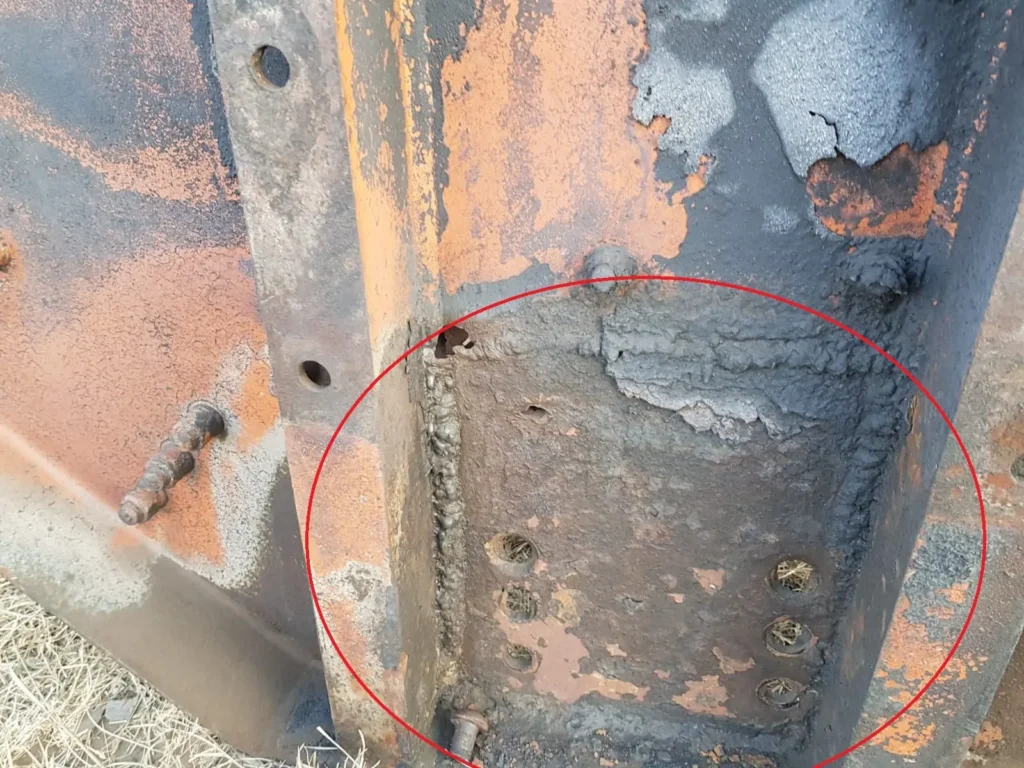
Engineering solution:
- Stress recalculation based on excitation force
- Increasing transition radius at weld toes
- Reinforcement plate redesign
- Optimized welding heat control
Beam Failure or Deformation
Cross beams support the screen deck and material load while simultaneously enduring dynamic inertial forces. Inadequate material selection or uncorrected welding distortion during fabrication can result in bending deformation or fracture during service.
In some cases, insufficient consideration of dynamic load coefficients during structural design significantly reduces fatigue life.
Engineering solution:
- Dynamic load verification during the design phase
- Material strength and thickness matching calculation
- Controlled welding sequence to reduce distortion
- Post-fabrication alignment inspection

Welding Fatigue in Vibratory Screens
Welded joints are the most fatigue-sensitive regions in vibrating screen structures. Common welding-related defects include:
- Lack of fusion
- Slag inclusion
- Sharp weld toe geometry
- High residual stress
In high-frequency dynamic equipment, weld integrity directly determines service life.
Engineering solution:
- Standardized groove preparation
- Controlled interpass temperature
- Multi-layer welding for thick plates
- Non-destructive testing (UT / MT) when necessary
Welding Process Optimization in Manufacturing
During the fabrication of vibrating screens and other welded structures, welding process selection directly affects dimensional accuracy, structural strength, and service life.
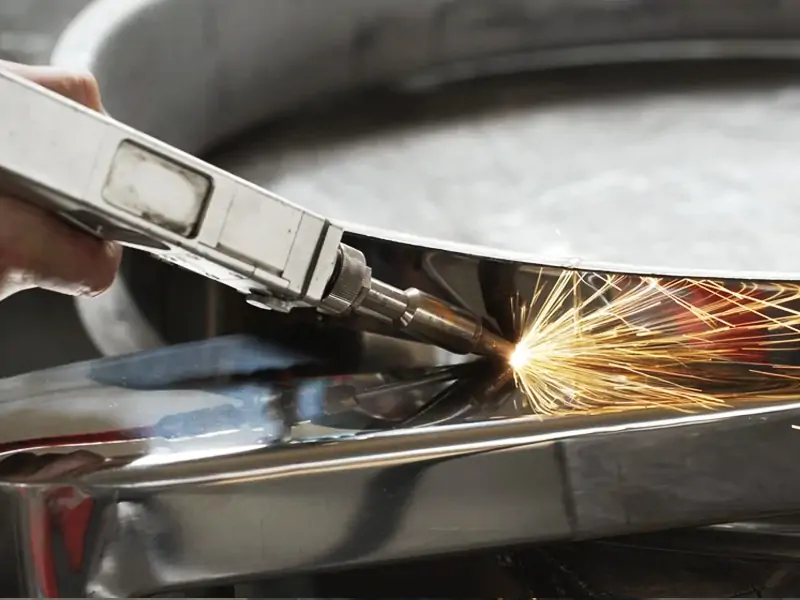
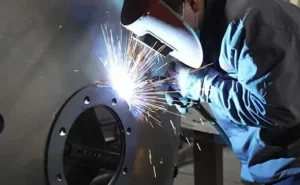
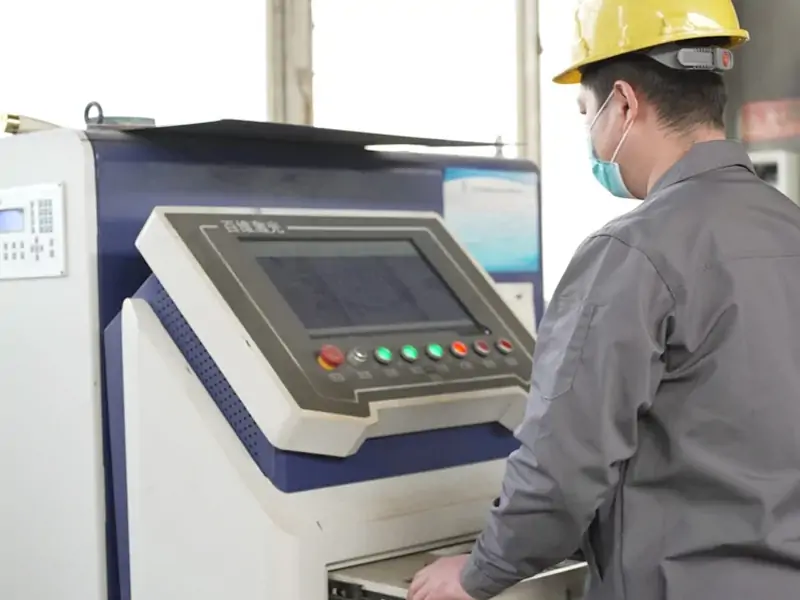
Although CO₂ gas shielded welding (MIG/MAG) is widely applied in structural manufacturing, advanced laser welding technology offers concentrated energy input and stable penetration control. This ensures uniform weld seams while preserving the mechanical properties of the base material.
For medium and thick plate structures, it remains essential to:
- Control interpass temperature
- Limit excessive heat input
- Apply symmetrical welding sequences
Compared with traditional arc welding, laser welding produces a smaller heat-affected zone (HAZ), reduces residual stress, and minimizes deformation, making it suitable for high-precision structural components requiring long-term reliability.
Structural Reinforcement Strategies in Maintenance
In vibrating screen frame repair, restoring the original structure is often insufficient to prevent recurring fatigue failures.
Long-term stability can be achieved through:
- Adding transition reinforcement plates
- Increasing weld toe radius
- Redistributing load paths
- Optimizing plate thickness proportion
At Sanyuangtang Machinery, structural reinforcement is always based on stress analysis rather than temporary reinforcement welding. This approach significantly extends service life and reduces downtime.
How Manufacturing Quality Reduces Failure Rate
The long-term reliability of a vibrating screen is determined during the manufacturing phase. To minimize structural failure rates, the following aspects must be strictly controlled:
- Rational structural design to avoid geometric discontinuities
- Material strength matching according to the excitation force calculation
- Standardized welding procedures
- Post-weld inspection and dimensional verification
Structural durability depends on integrated stress control, welding quality, and fatigue design considerations.
About Sanyuangtang Machinery
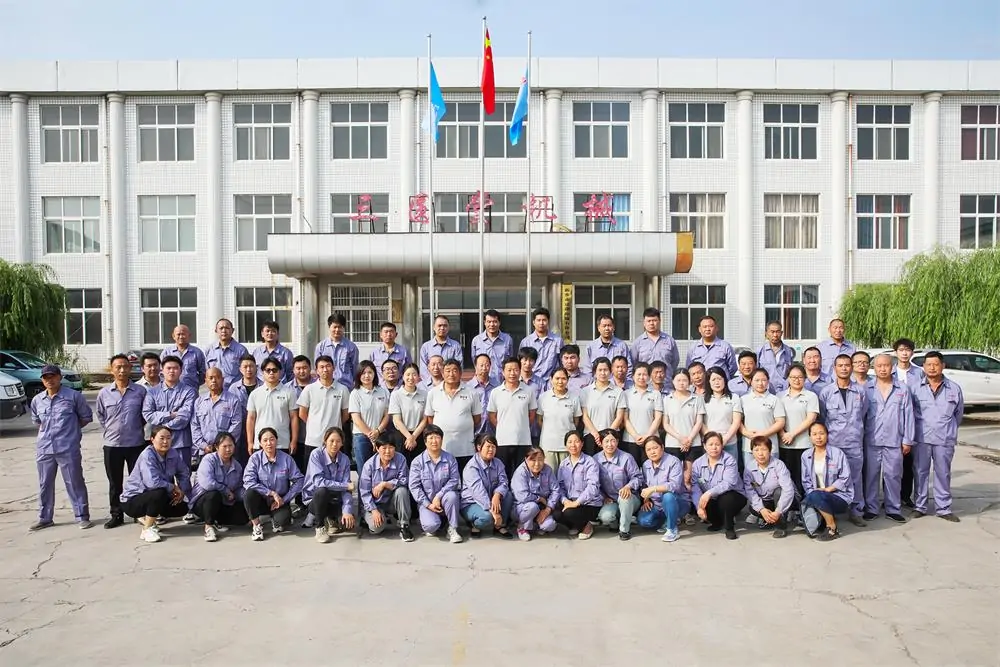
With over 30 years of manufacturing experience, Sanyuangtang Machinery specializes in the production of small, medium, and large-scale vibrating screens for mining, aggregates, coal, and industrial processing applications.
Our engineering team focuses on:
- Structural fatigue analysis
- Welding process optimization
- Dynamic load verification
- Long-term reliability improvement
If you require structural evaluation, maintenance support, or customized vibrating screen solutions, our technical team is available for professional consultation.
Email: info@sanyuantang.com
Phone: +86-18639095165