In the field of industrial screening, sieve vs sifter are two concepts that are related but fundamentally different.
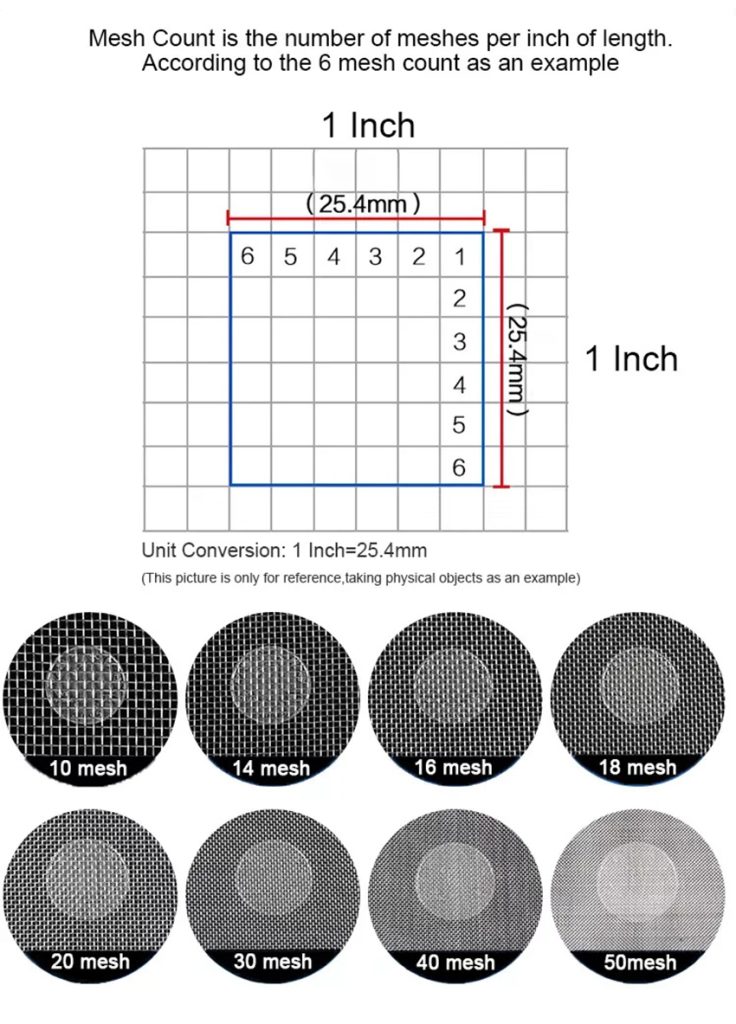
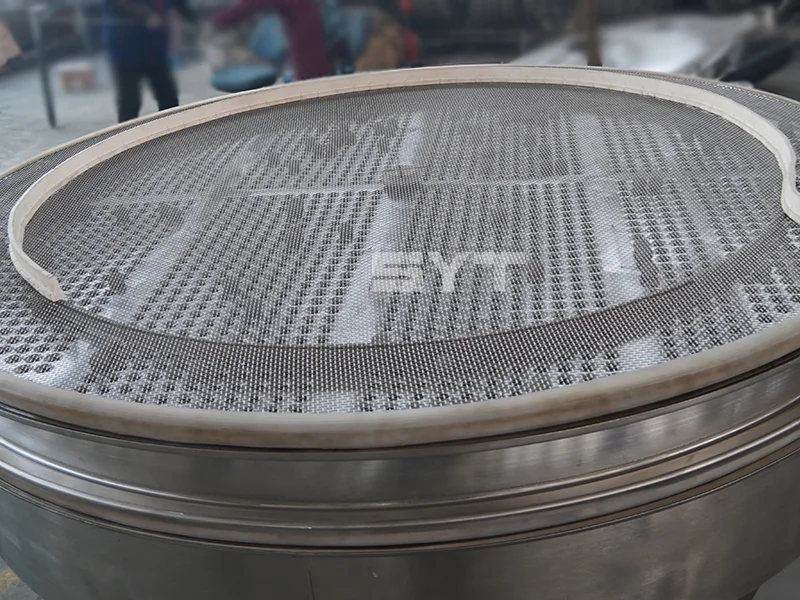
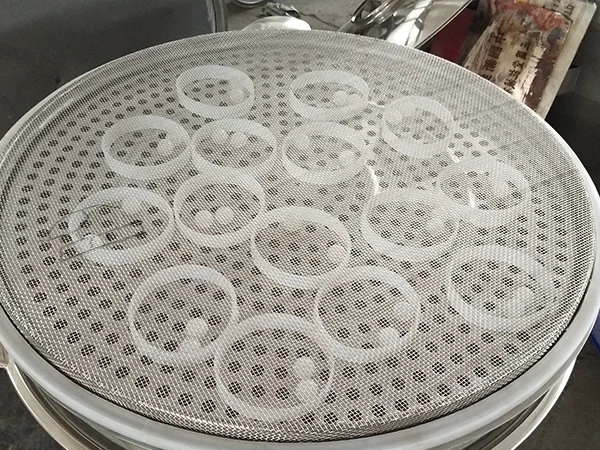
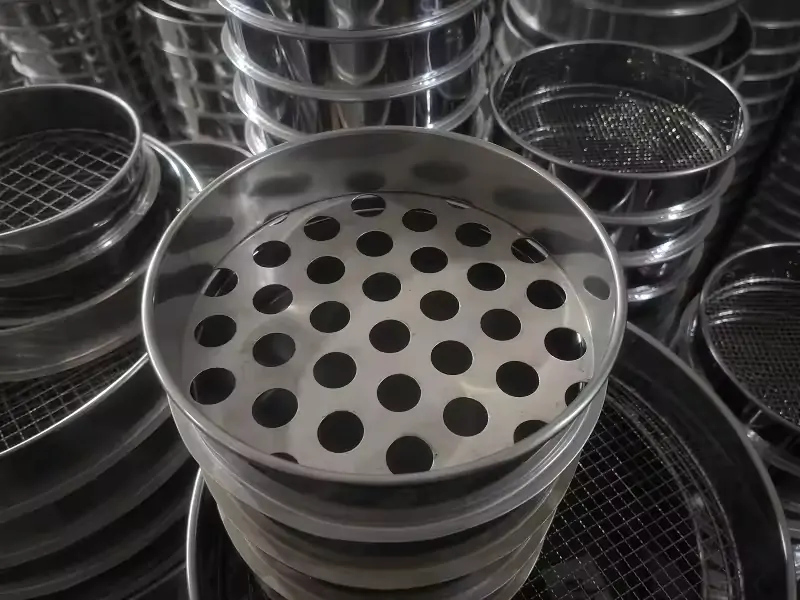
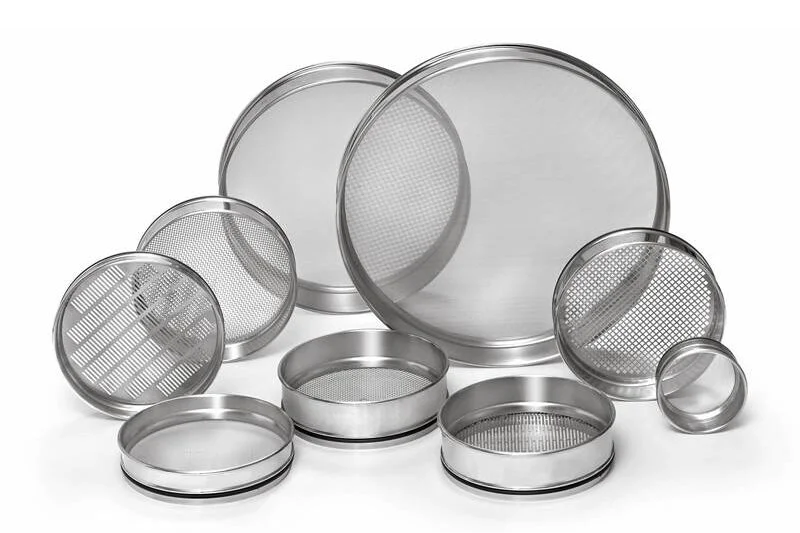
A sieve is the core functional component in the screening process. It refers to the screening surface with specific apertures (such as metal mesh, polyurethane plates, etc.), and its function is to separate materials of different particle sizes through the size of the openings.
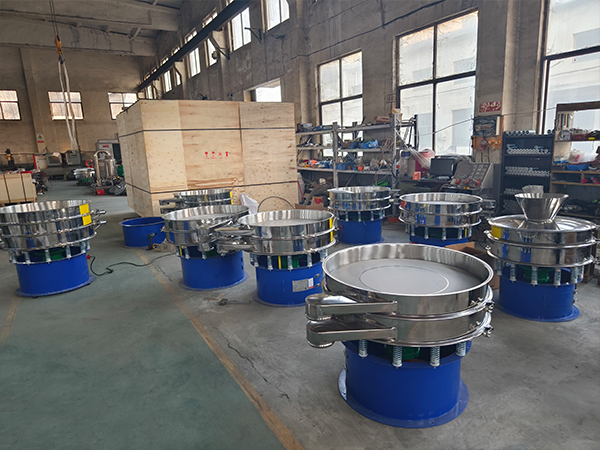
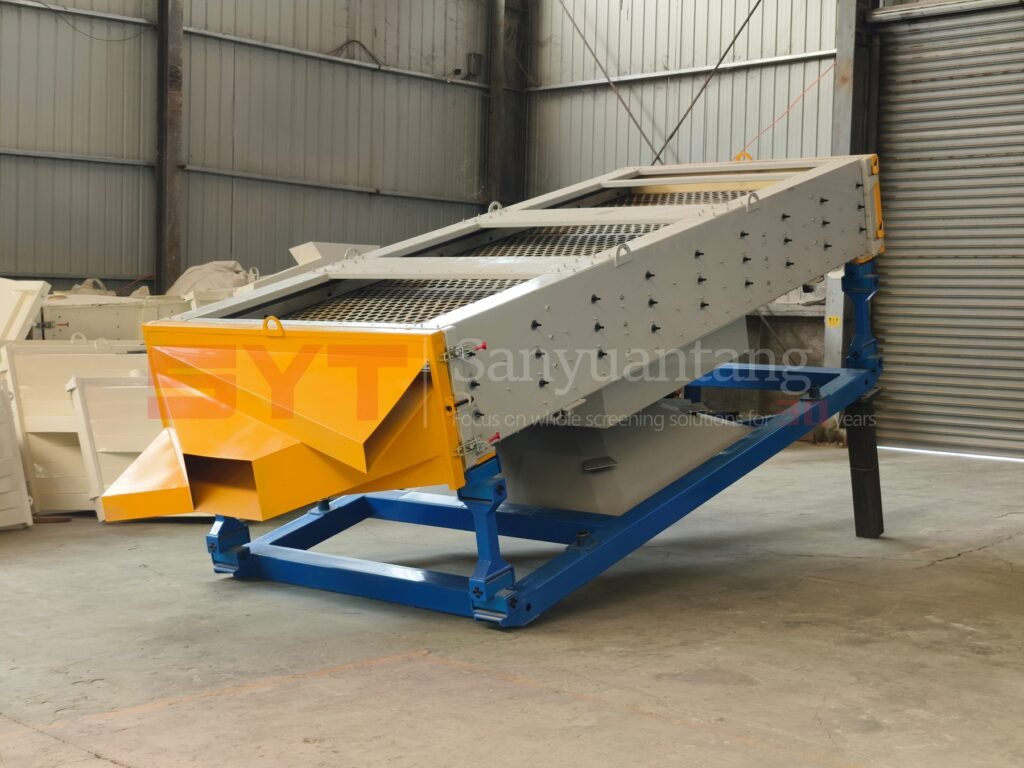
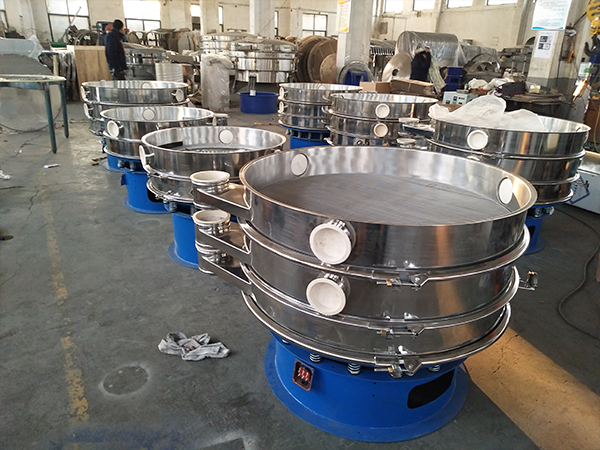
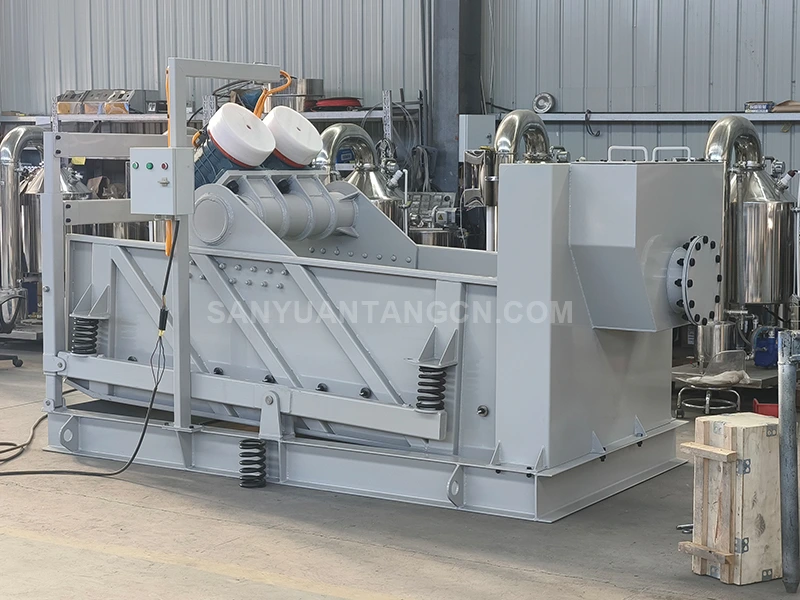
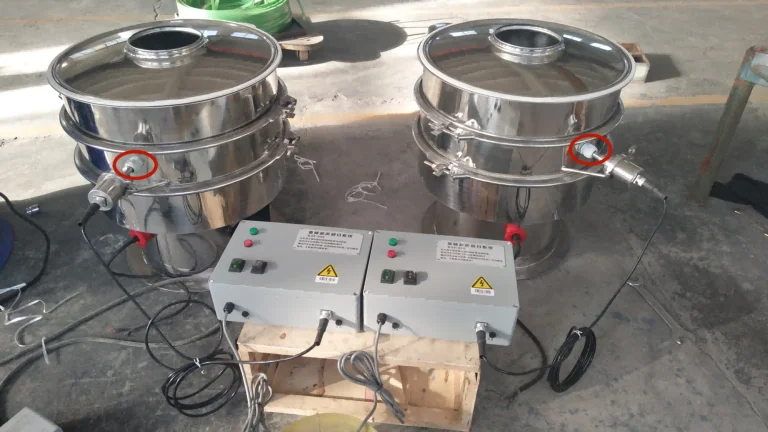
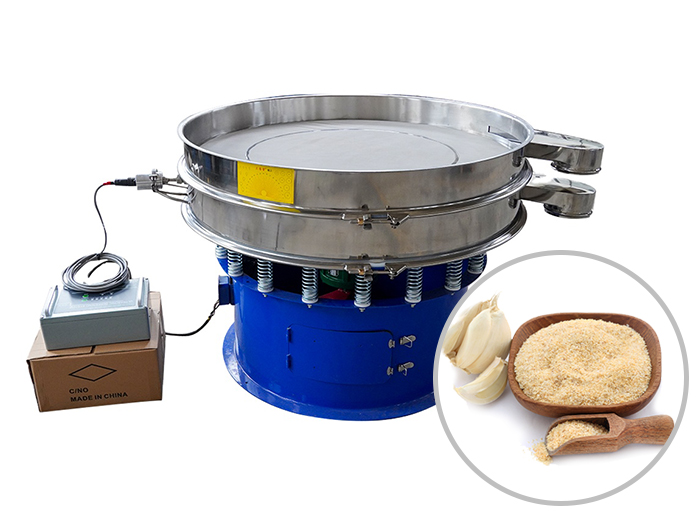
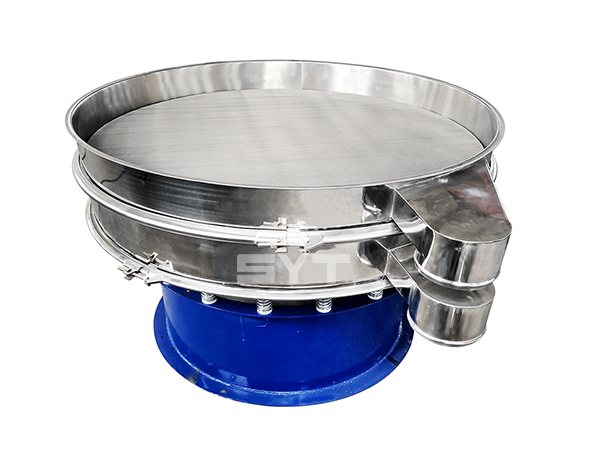
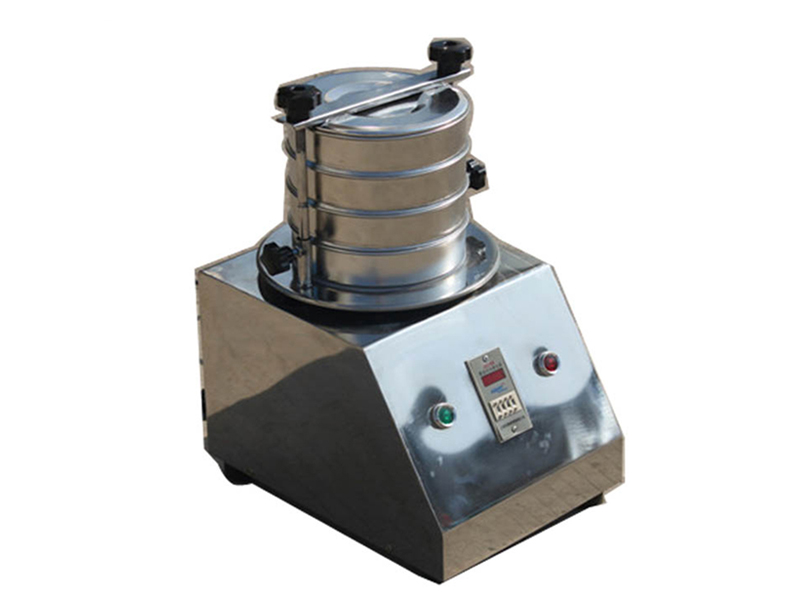
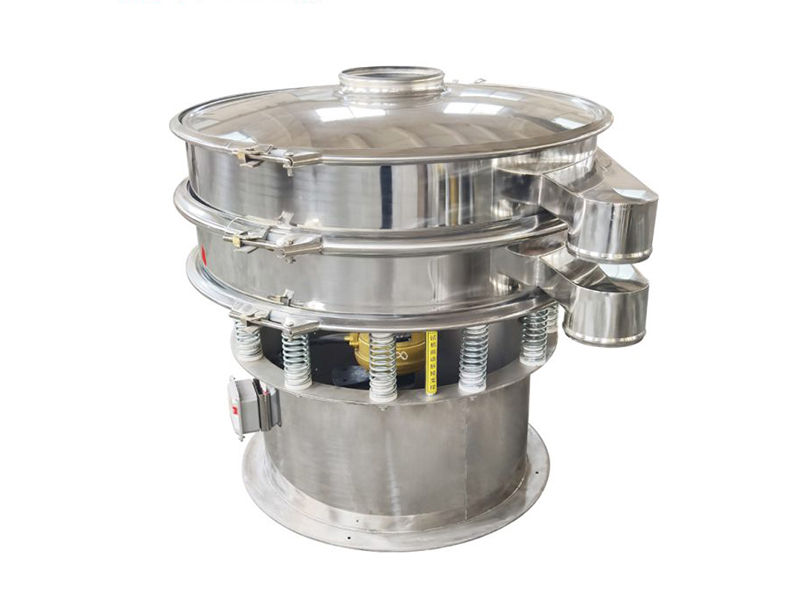
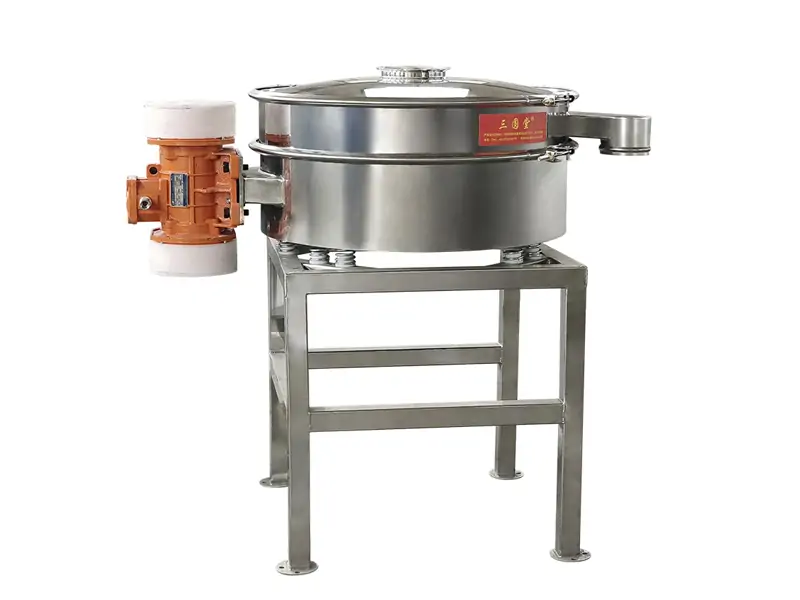
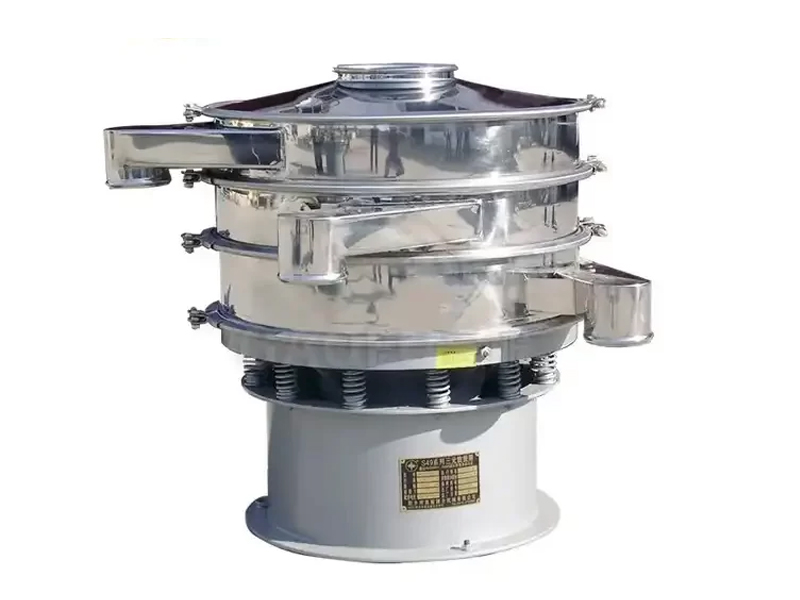
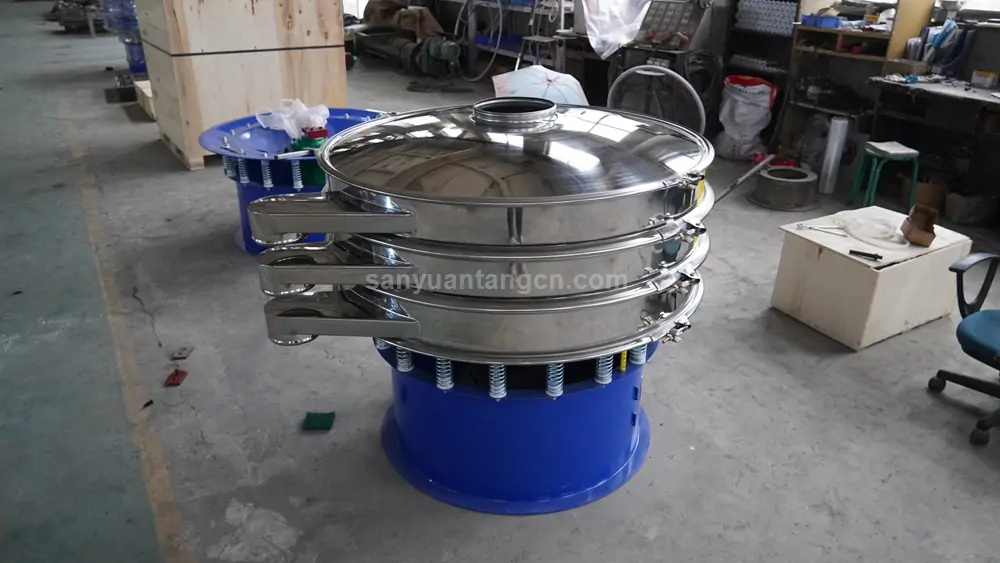
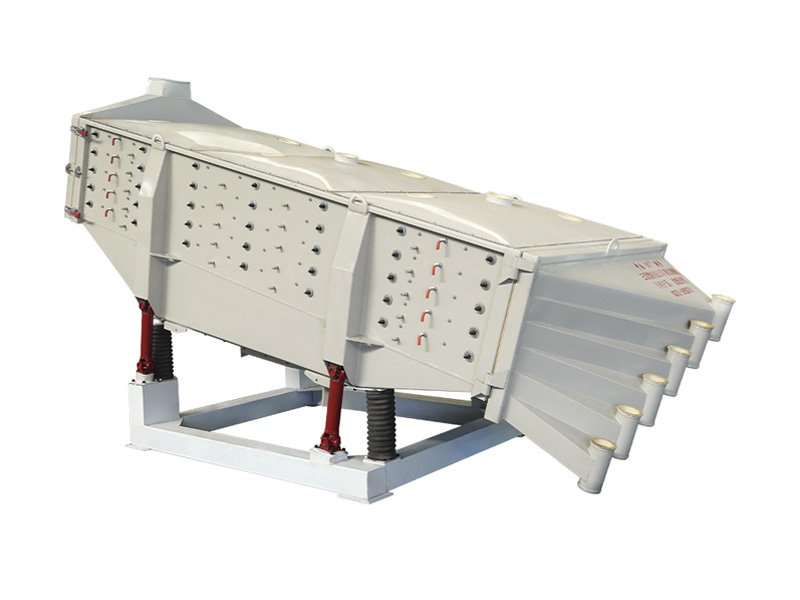
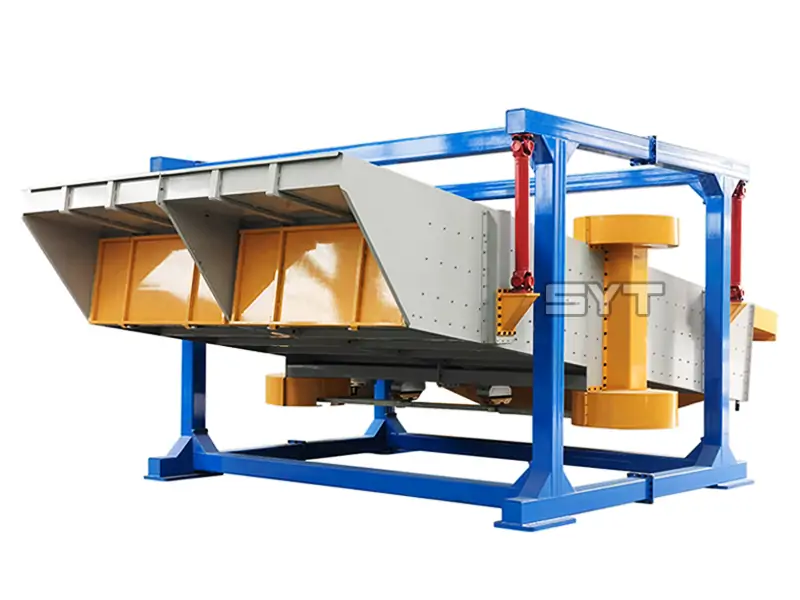
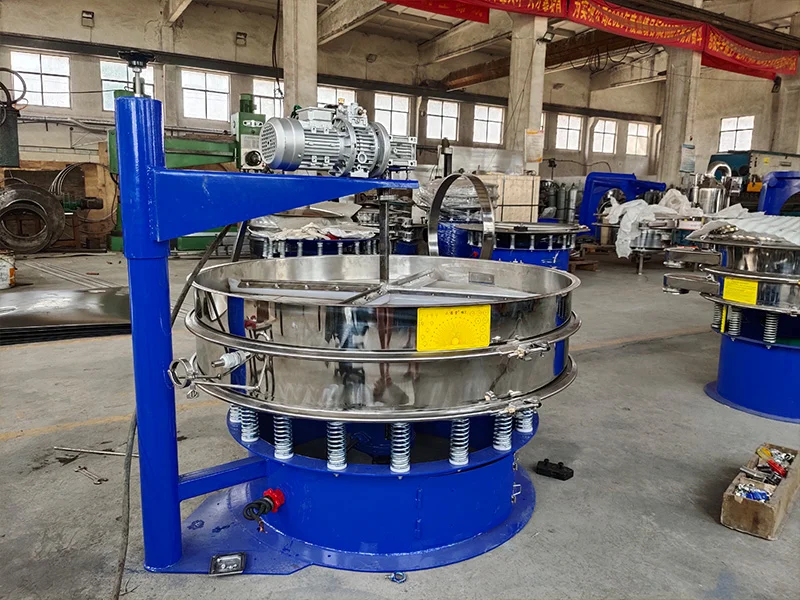
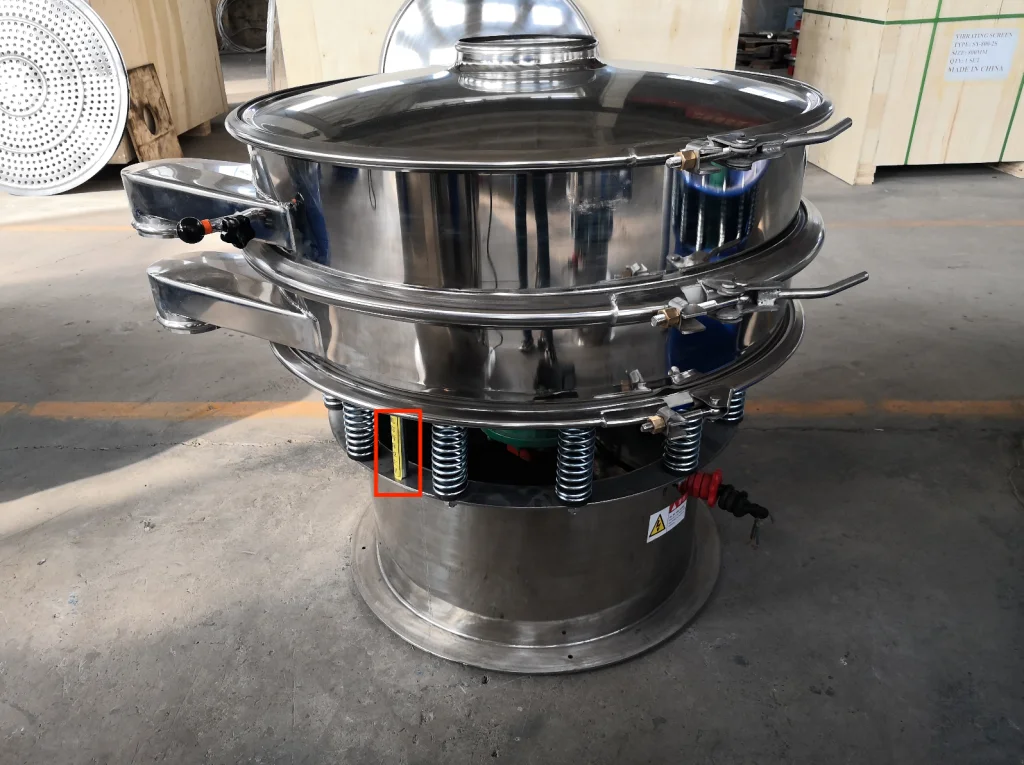
A sifter, on the other hand, is the complete equipment that performs the screening function. It integrates components such as the sieve, driving device, and frame, and uses mechanical motion (such as vibration or oscillation) to create relative movement between the material and the screen surface, thereby completing the classification process.
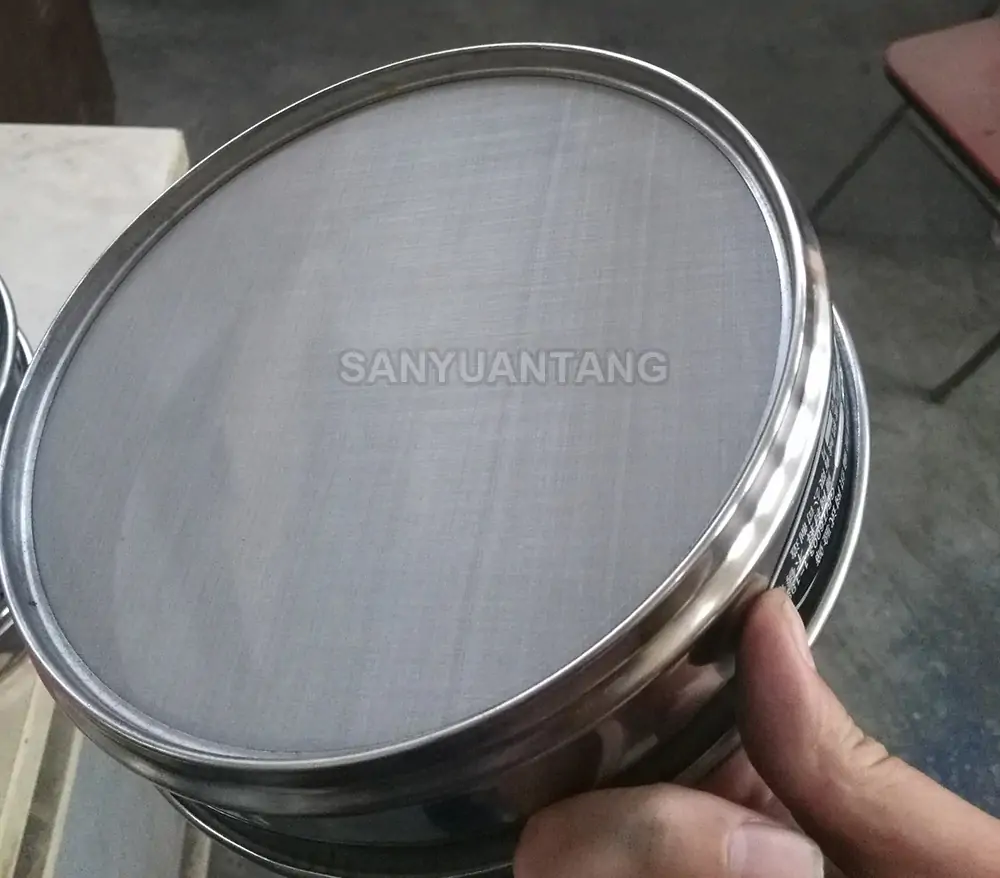
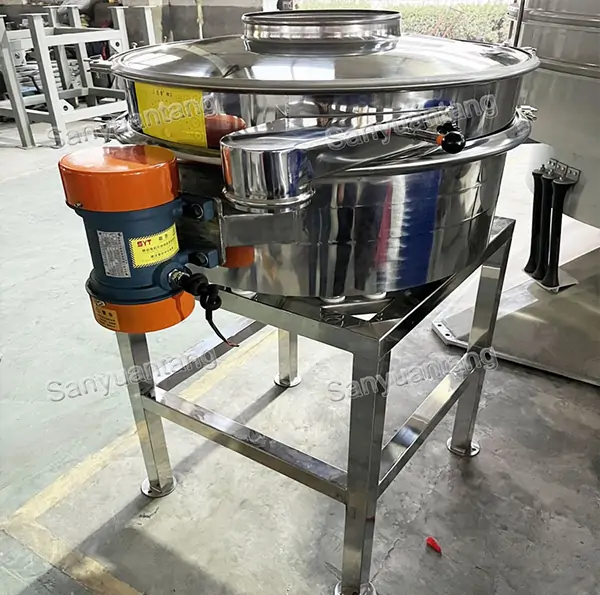
Simply put, the sieve is a core component of the sifter, while the sifter is the equipment that allows the sieve to work efficiently.
This is also the essential difference between sieving and sifting.
Sieve vs Sifter
Sieve: A Physical Separation Component with a Single Function
The core of a sieve is the screening surface. It is made of metal wire, plate materials, or polymer materials, with regularly arranged apertures processed on the surface.
According to the size and shape of the openings (such as round, square, or slot holes), a sieve can separate materials with different particle sizes. For example, the aperture of reinforced steel mesh used in mining can reach more than 350 mm, while the aperture of ultra-fine mesh used in the pharmaceutical industry can be as small as 50 µm.
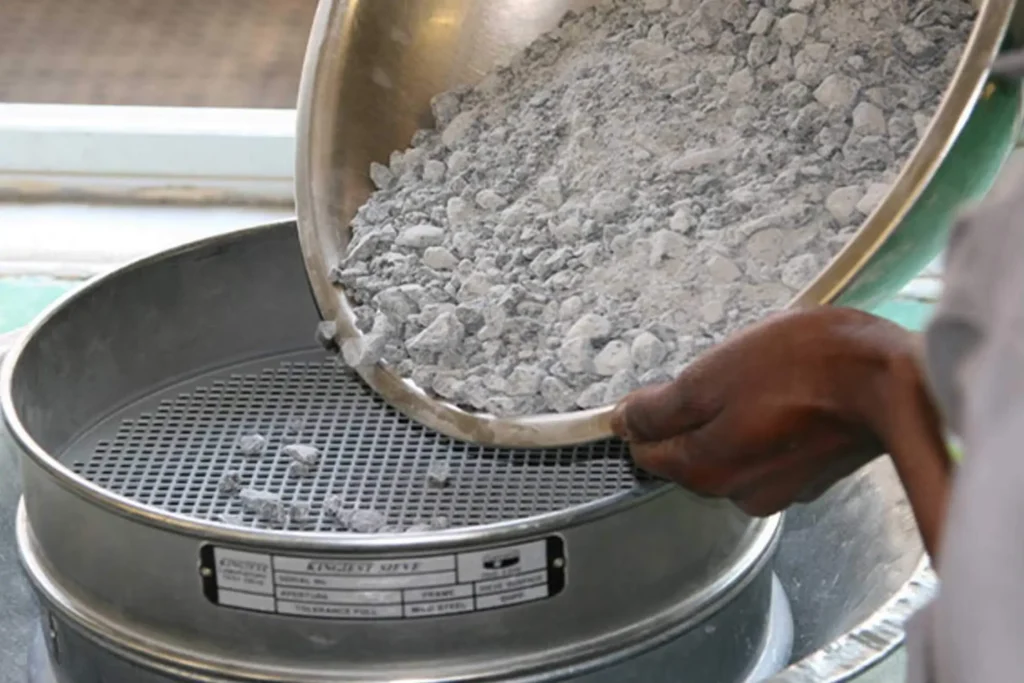
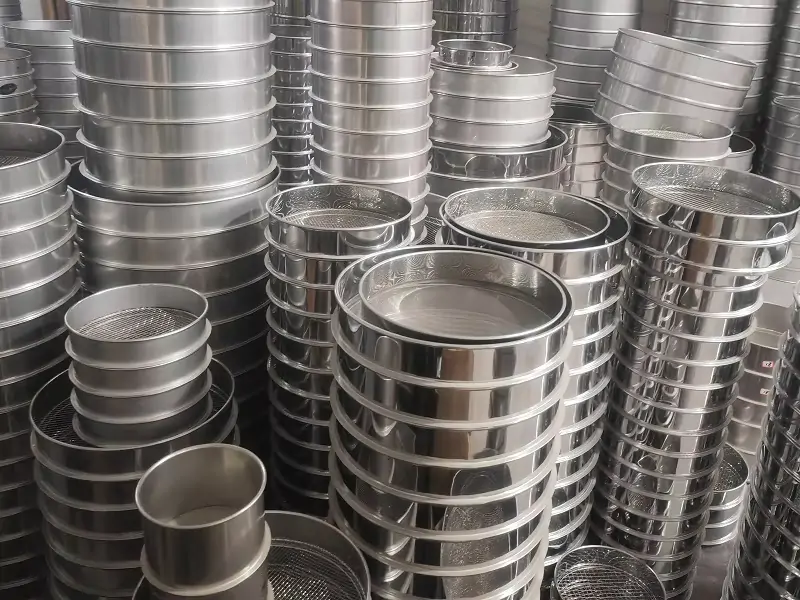
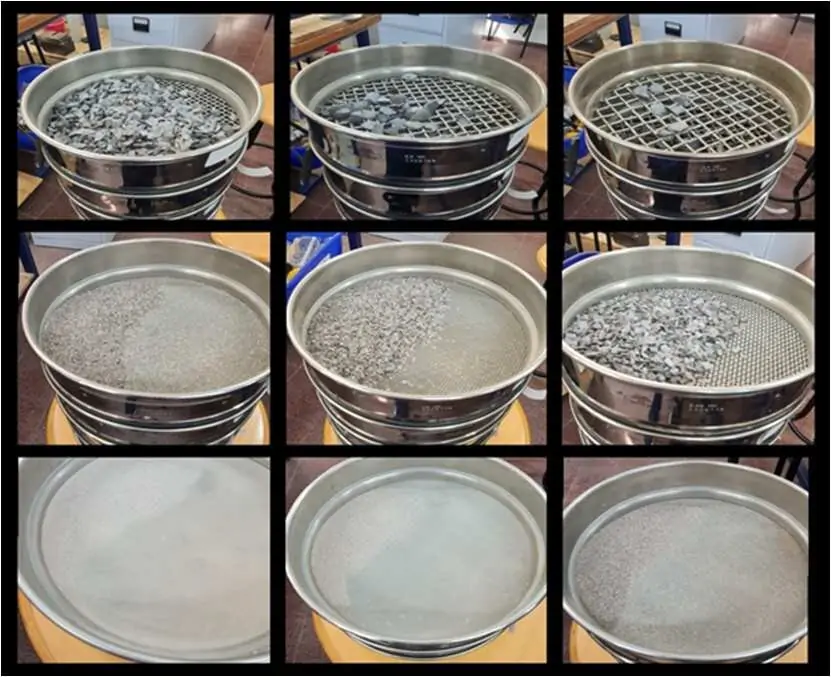
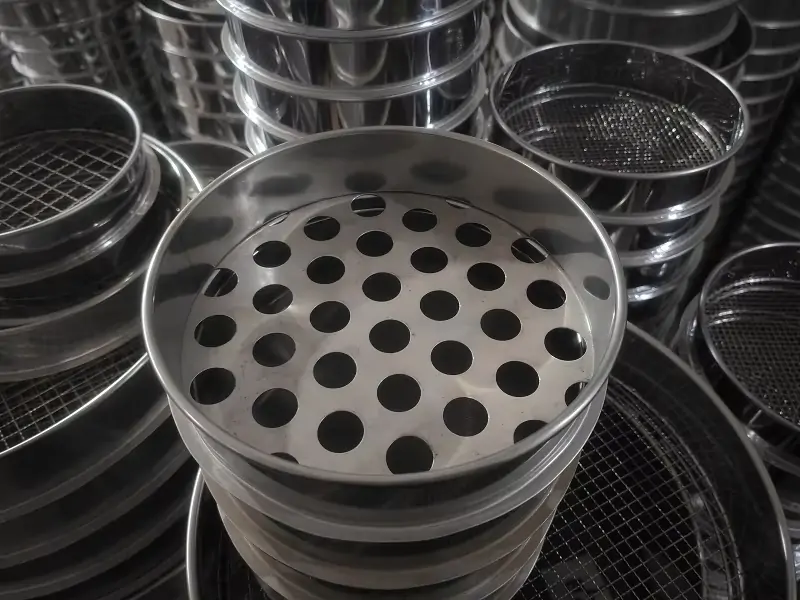
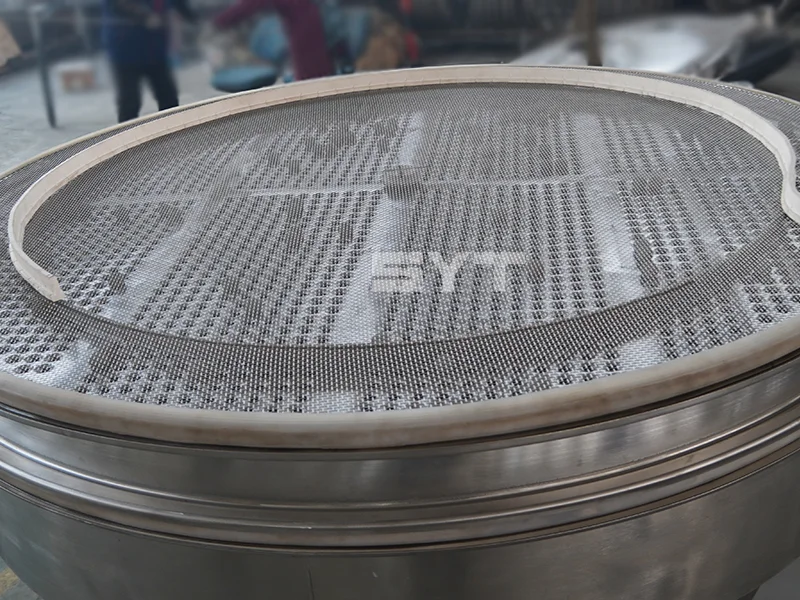
A sieve itself does not have power. It relies on external forces (such as manual shaking or mechanical vibration) to allow the material to pass through the screen.
Sifter: Mechanical Screening Equipment
A sifter is a complete piece of equipment that includes the sieve. It usually consists of a screen frame, vibrator, transmission mechanism, and supporting frame.
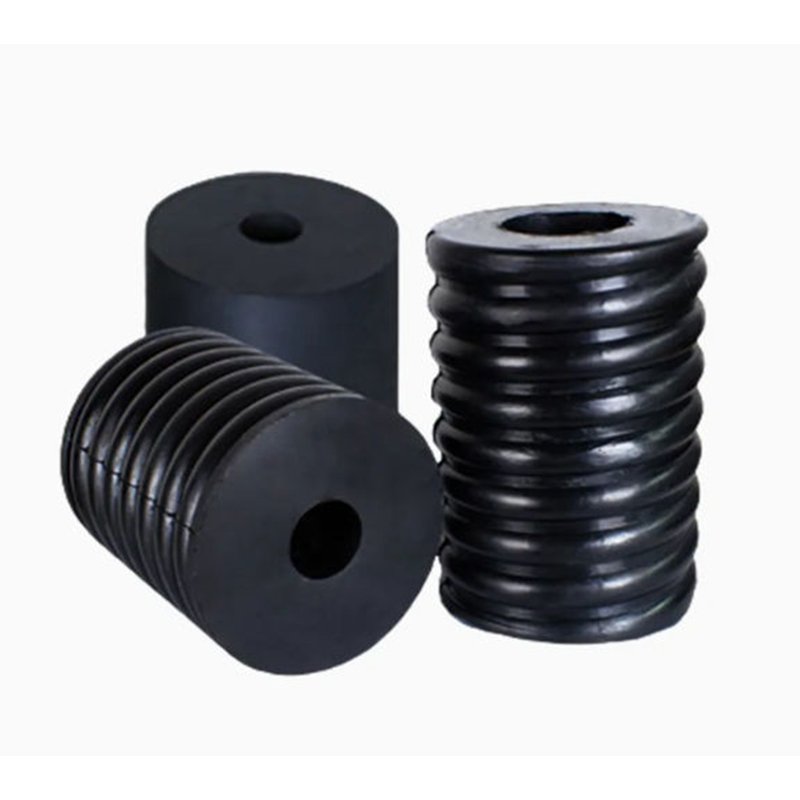
It generates vibration, oscillation, or rotational motion through a motor drive, allowing materials to disperse, stratify, and pass through the screen surface.
For example:
- Vibrating screens generate centrifugal force through the rotation of eccentric blocks, causing the screen surface to vibrate at high frequency. The screening efficiency can reach 80%–90%.
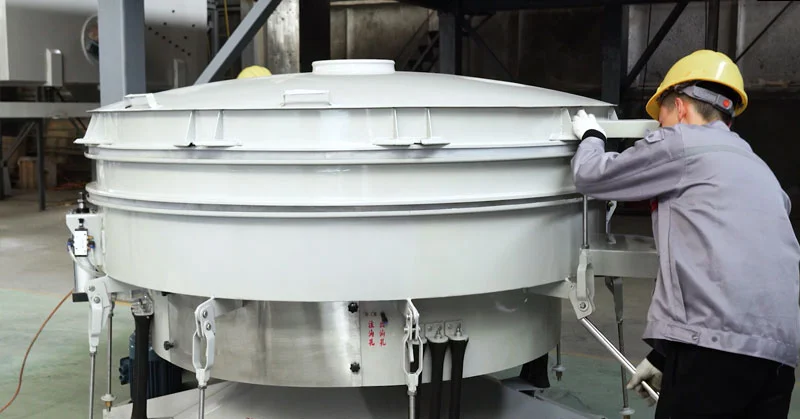
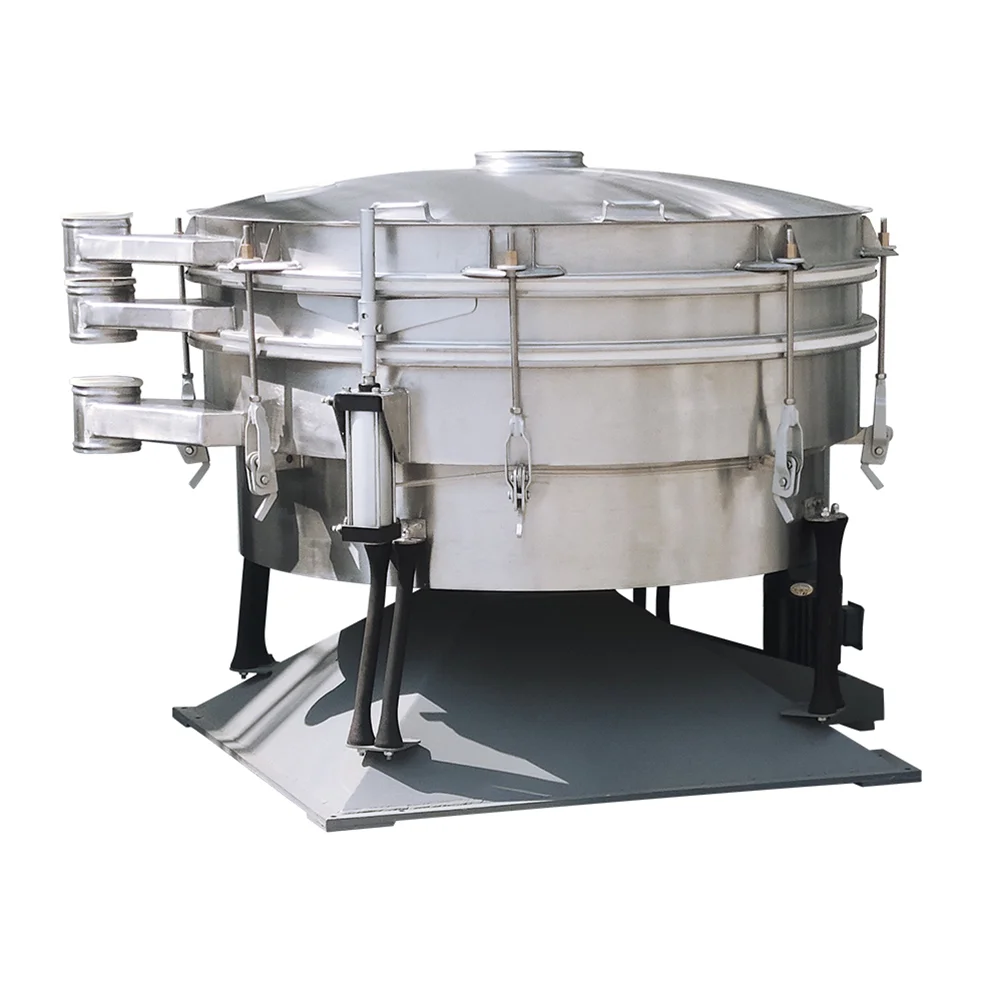
- Circular swing sifters produce three-dimensional compound motion (forward-back swinging + side vibration), which is particularly suitable for fine powders and sticky materials. The screening efficiency can reach over 90%.
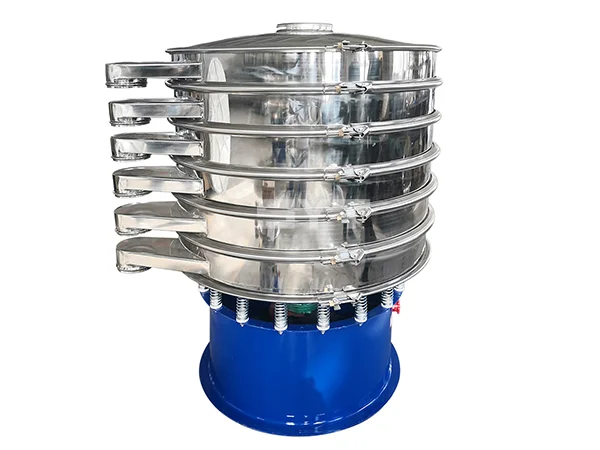
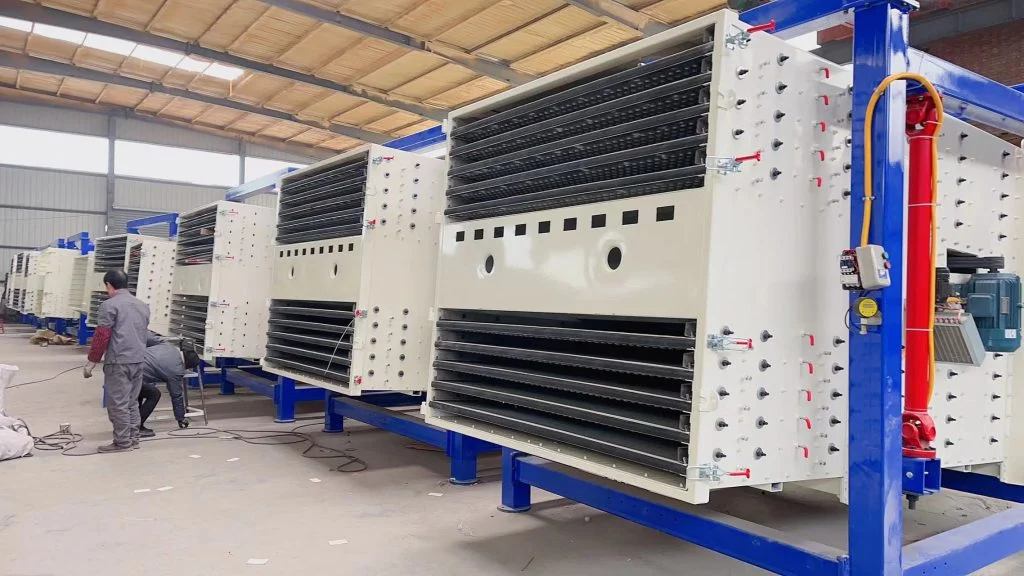
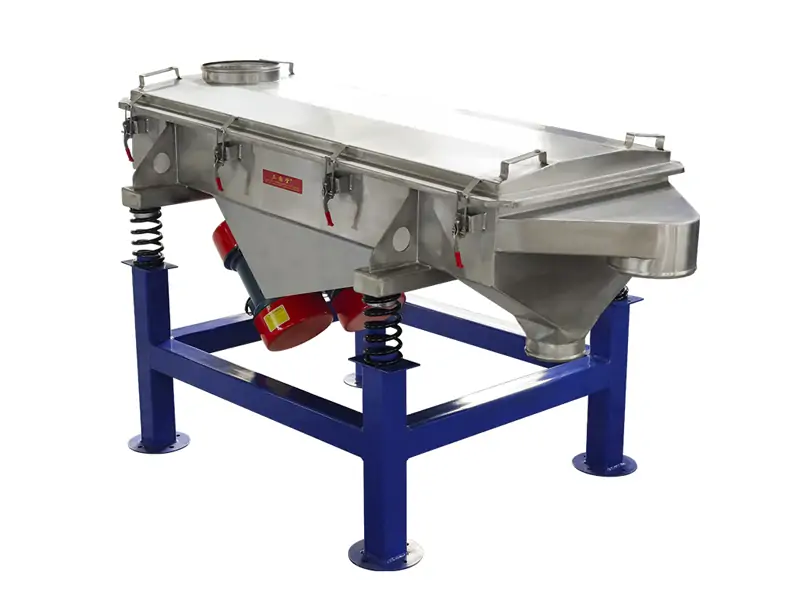
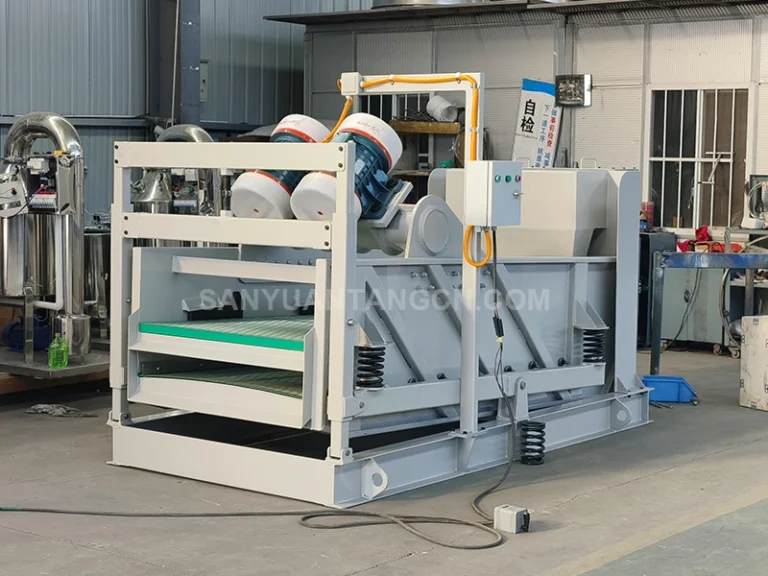
In industrial scenarios, understanding sieve vs sifter also helps procurement personnel choose the appropriate sifter type to match different material characteristics.
Technical Comparison of Sieve vs Sifter
| Comparison Dimension | Sieve | Sifter |
|---|---|---|
| Motion State | Fixed or passively forced | Active motion (vibration, oscillation, rotation, etc.) |
| Processing Capacity | Low (requires manual assistance) | High (single machine capacity can exceed 50 tons per hour) |
| Screening Efficiency | Low (50%–60%, such as fixed screens) | High (80%–99%, such as vibrating screens and swing sifters) |
| Application Scenario | Laboratory small-scale screening, simple manual operations | Large-scale continuous industrial production |
| Core Parameters | Aperture size, open area ratio, material | Vibration frequency, amplitude, processing capacity, classification accuracy |
Typical Application Scenarios: Division of Roles from Simple to Complex
Industrial Applications of Sieves
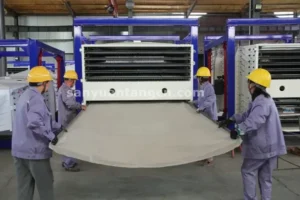
Sieves are commonly used in laboratory screening (such as the mesh used in standard test sieve shakers), small manual classification processes, or as wear parts in screening machines that require regular replacement.
Industrial Applications of Sifters
Sifters are widely used in industries such as mining, chemical processing, and food production. For example:
- Heavy-duty vibrating screens in mining are used to process large ores below 350 mm.
- In the food industry, square swing sifters are used for flour screening with an accuracy of over 95%.
- In the chemical industry, ultrasonic vibrating sifters are used to process resin powder that easily agglomerates, reducing mesh clogging by 80%.
Whether in laboratory testing or large-scale industrial production, understanding the difference between sieving and sifting helps achieve more precise equipment selection and production optimization.
Selection and Maintenance
Sieve Selection
When selecting a sieve, attention should be paid to:
- Aperture matching (for difficult-to-screen particles, choose a sieve aperture 1.1–1.2 times the particle size)
- Material wear resistance (polyurethane screens have a lifespan 3–5 times longer than metal screens)
- Open area ratio (reinforced steel mesh has a higher open area and better screening efficiency than polyurethane screens)
Sifter Selection
The selection of a sifter should consider:
- Material characteristics (sticky materials are suitable for swing sifters, coarse particles are suitable for circular vibrating screens)
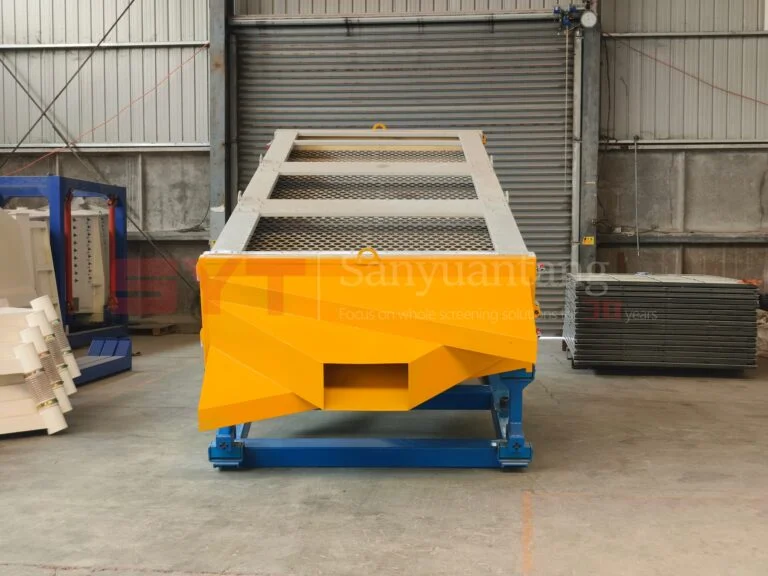
- Production capacity requirements (linear vibrating screens can reach 20 tons per hour)
- Energy consumption costs (circular swing sifters consume 40% less energy than traditional vibrating screens)
Conclusion
With the continuous development of screening technology, sifters improve screening performance by optimizing motion trajectories (such as three-dimensional swinging motion) and integrating intelligent systems and control algorithms.
In the future, the cooperation between sieves and sifters will more accurately meet the screening needs of industries such as fine chemicals and new energy materials.
In your production scenario, is the screen surface wearing out faster, or is the equipment vibration efficiency insufficient?
This may be the key breakthrough point for optimizing your screening system.
If you are not sure how to optimize it, you can contact Sanyuantang Machinery now. Our professional team can help upgrade your screening equipment and achieve more efficient screening performance.
Email: info@sanyuantang.com
Phone: +86-18639095165