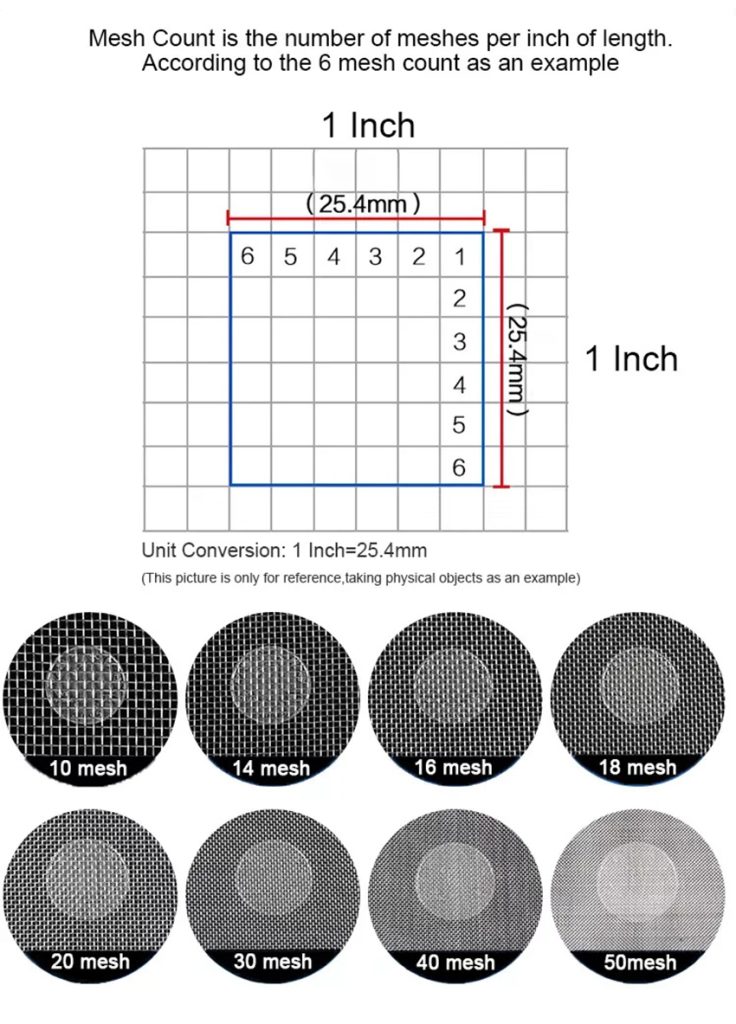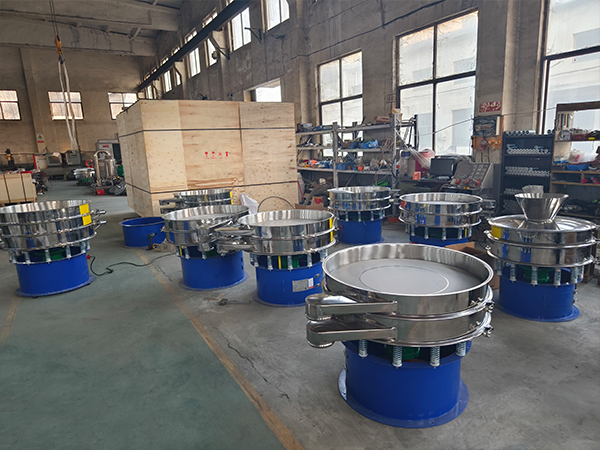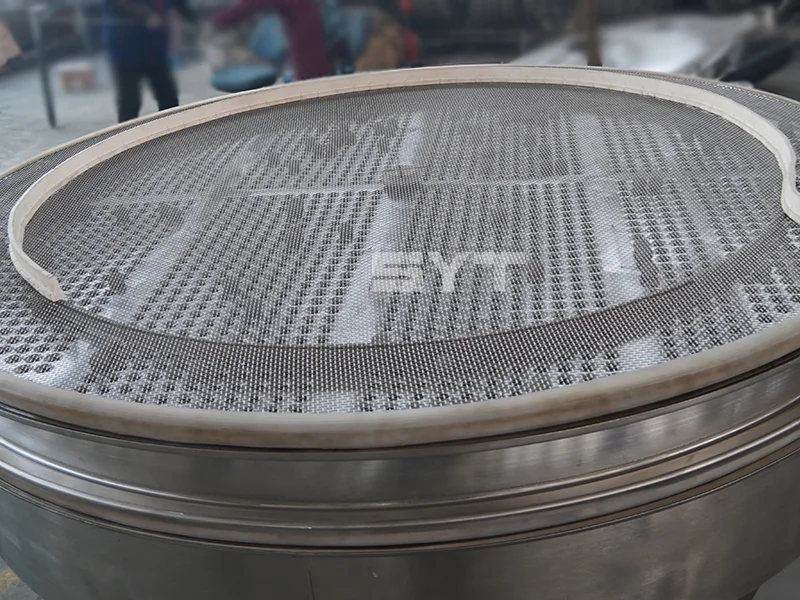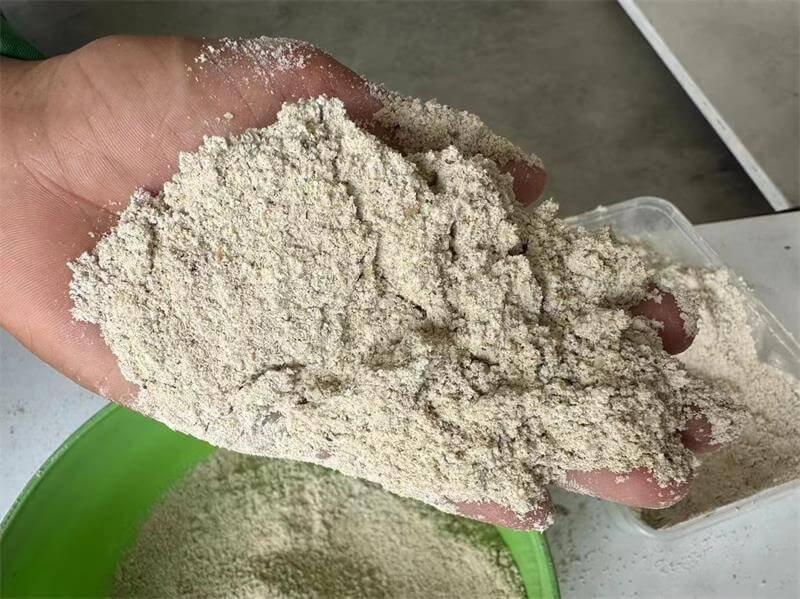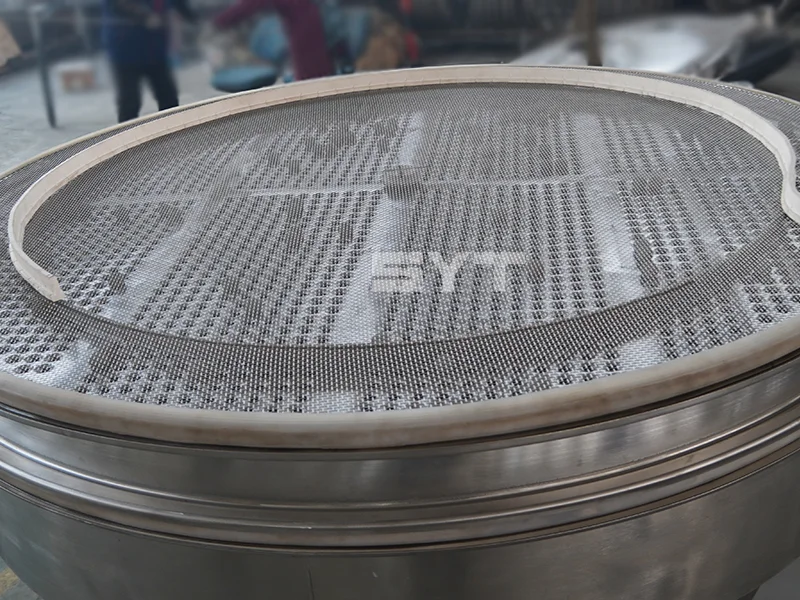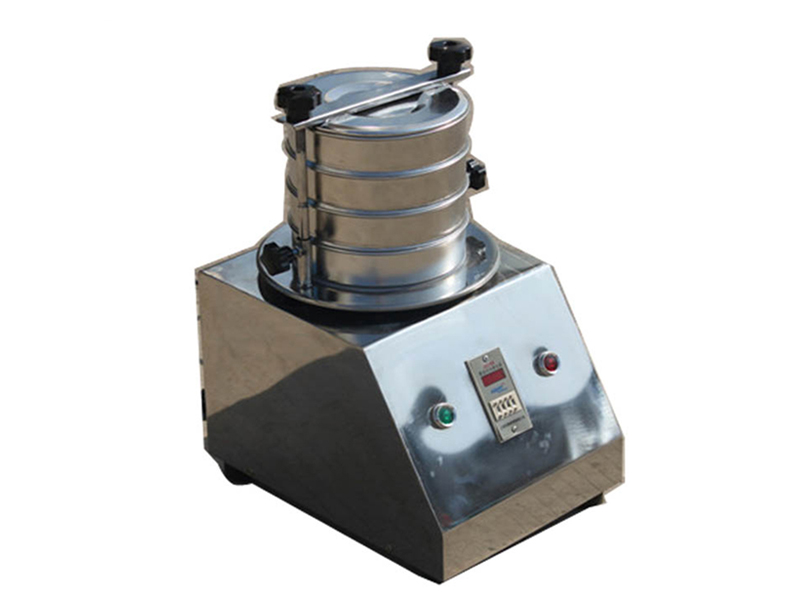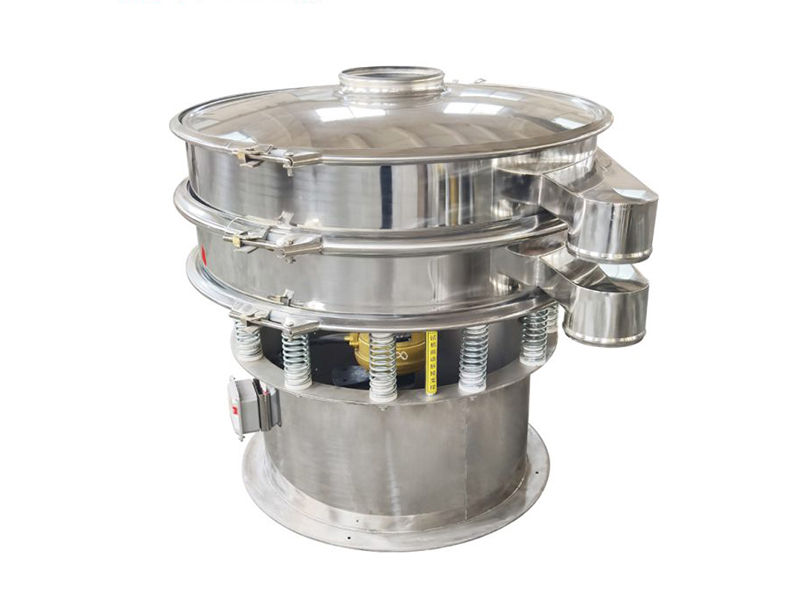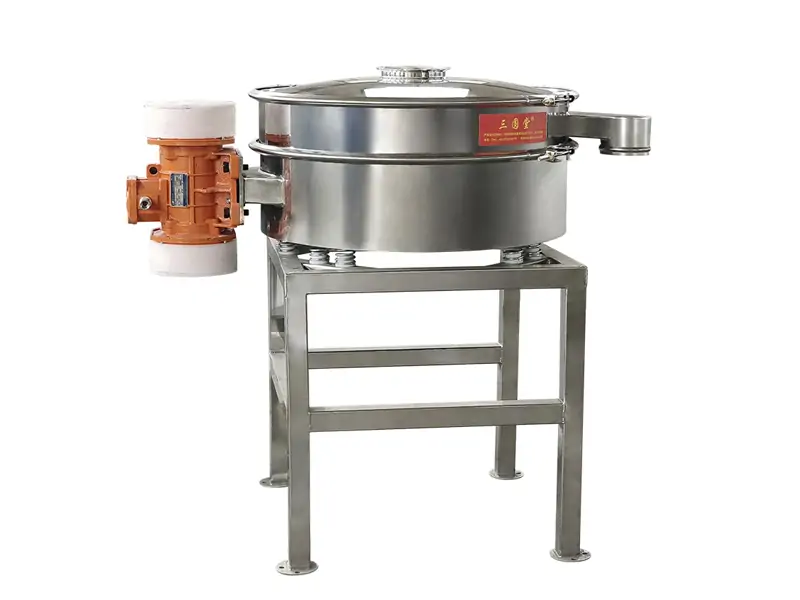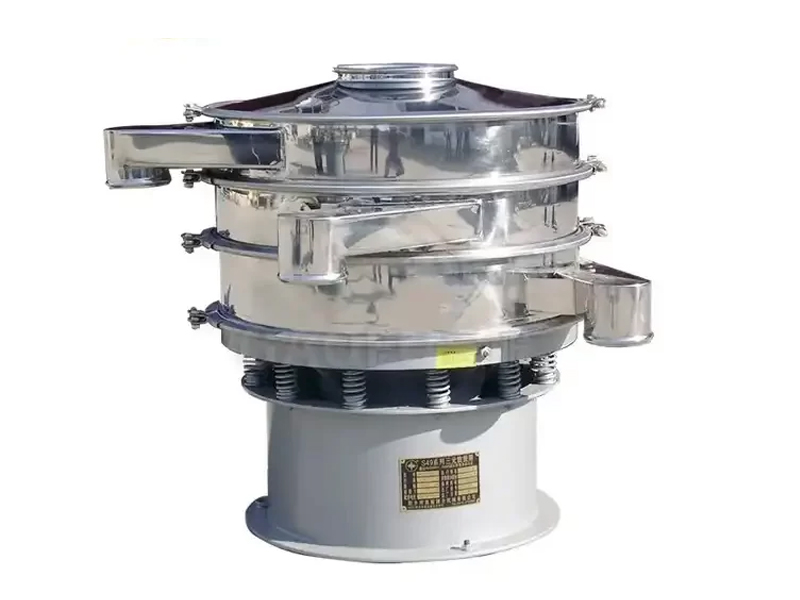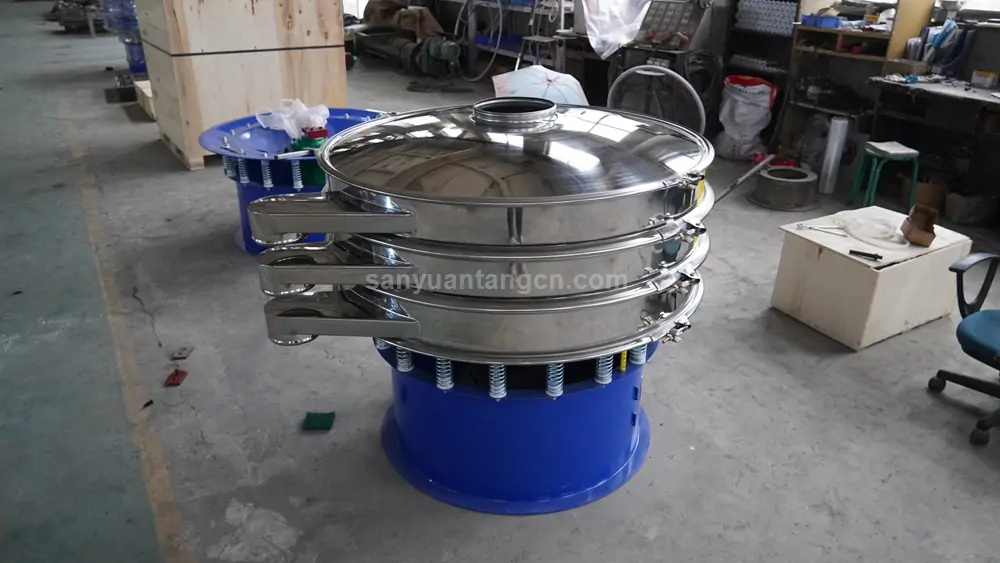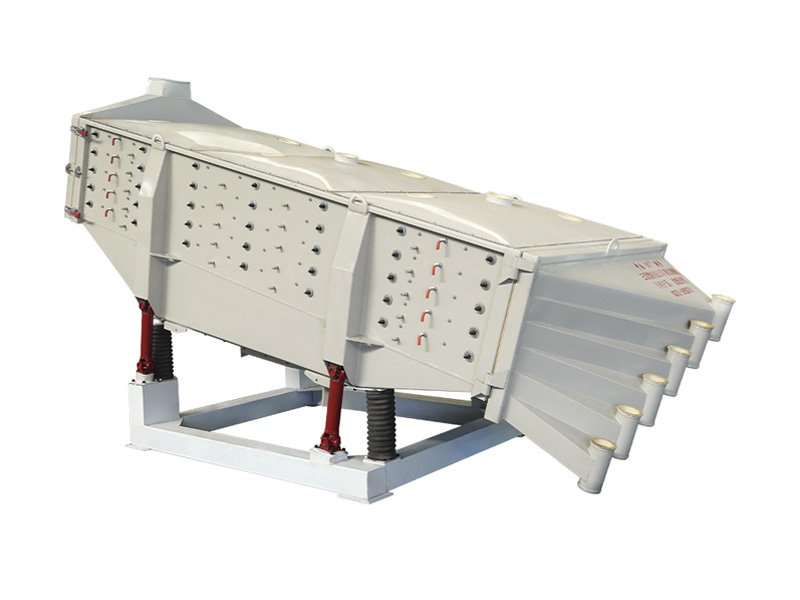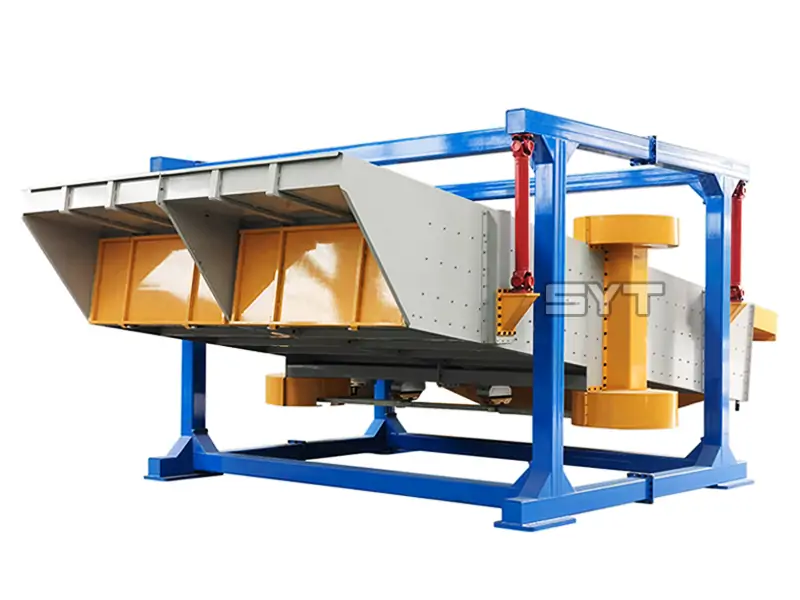
A sieve is a tool used to separate particulate materials through mesh openings. Its core principle is to use mechanical force (such as vibration or rotation) to move materials across the sieve surface. Particles smaller than the mesh pass through the openings, while larger particles are retained, thereby achieving classification, impurity removal, or dewatering.
Whether in laboratory micro-sample analysis or industrial production lines processing hundreds of tons of material, sieve machines have become indispensable basic equipment in industries such as chemicals, mining, food, and pharmaceuticals. Understanding what is a sieve can help manufacturing companies choose the most suitable screening solution.

Core Types of Sieves and Their Characteristics
Sieves can be classified in various ways. Based on motion trajectory and structure, they can mainly be divided into the following categories:
Vibrating Sieve
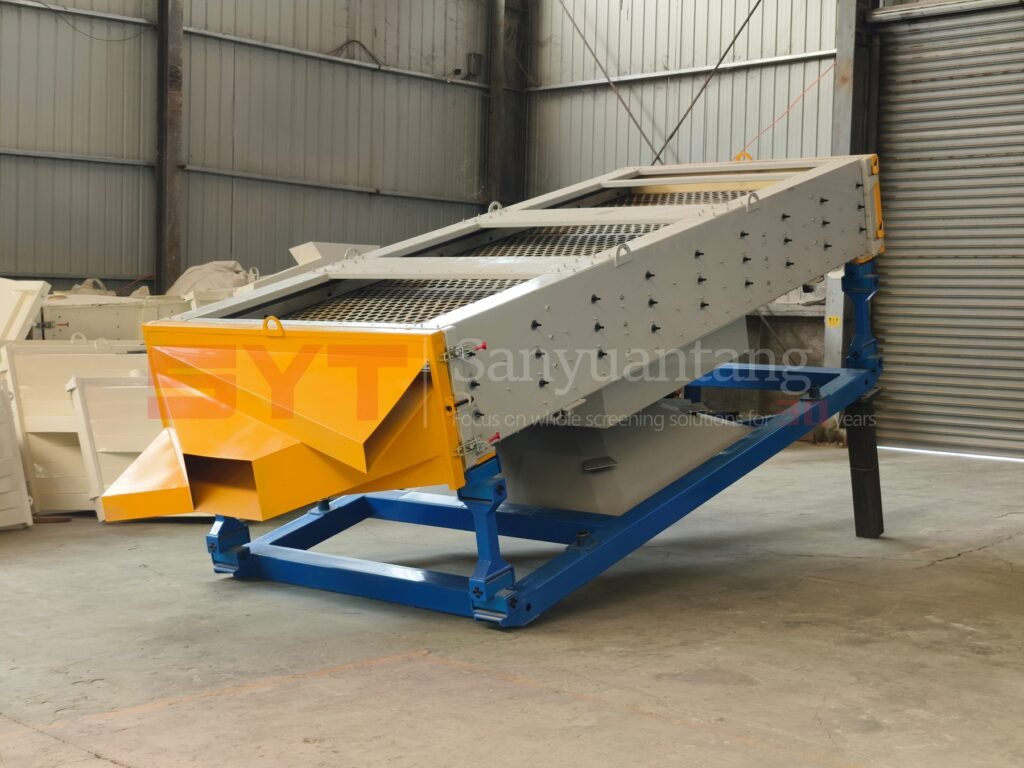
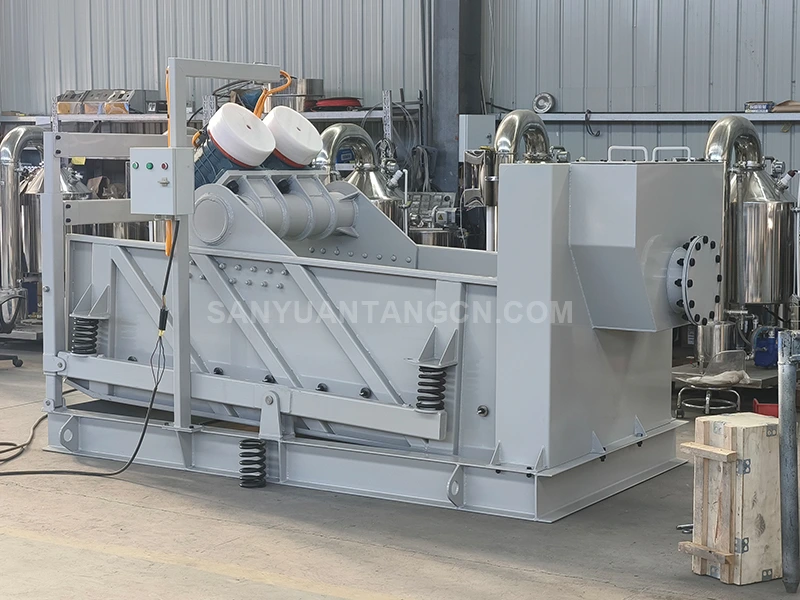
The vibrating sieve is the most commonly used sieve machine in industry. It uses a vibration motor or exciter to continuously move materials on the sieve surface, enabling particle classification and impurity removal.
Whether handling powders or granular materials, it can operate stably with simple maintenance and is suitable for long-term continuous operation.
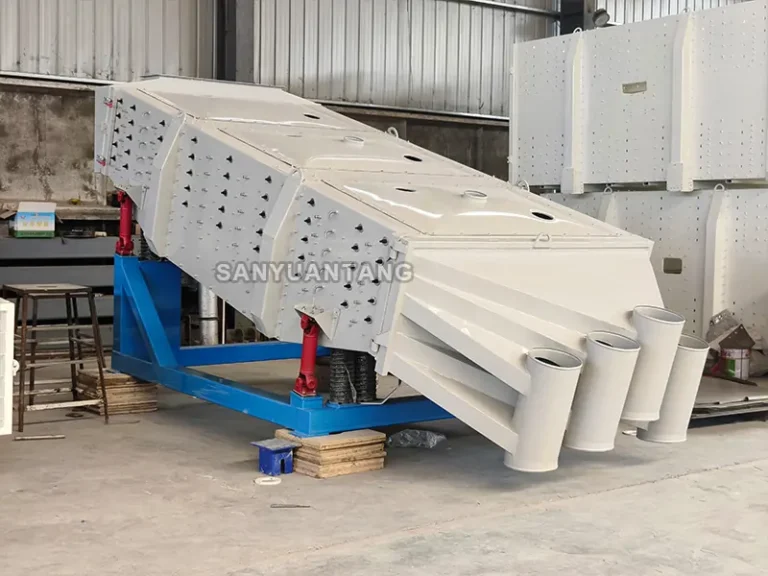
Linear Vibrating Sieve
Materials move in a straight line. Through multi-layer screens, different particle sizes can be classified. The linear vibration design reduces material residence time and prevents powder agglomeration and mesh blockage.
It is commonly used in fine screening applications such as food powders, herbal powders, and chemical granules.
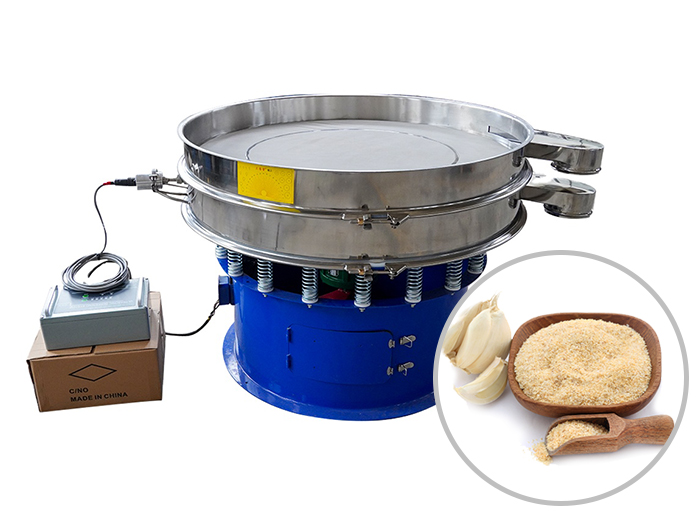
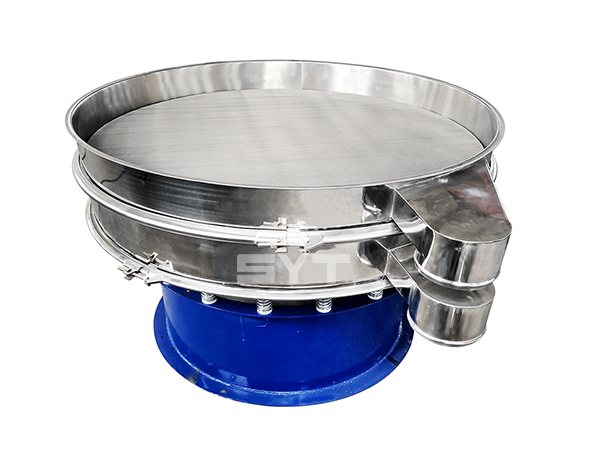
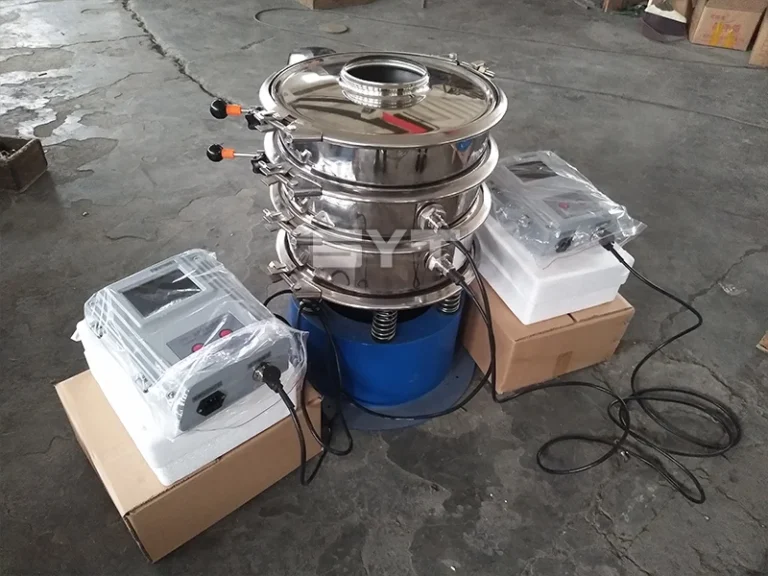
Round Vibrating Screen
Materials move in a circular trajectory and are suitable for medium to coarse particles and wet material screening.
Circular vibrating sieves have a robust structure, evenly distributed screen load, and large processing capacity. They are commonly used in mining, metallurgy, and chemical production lines.
Ultrasonic Vibrating Sieve
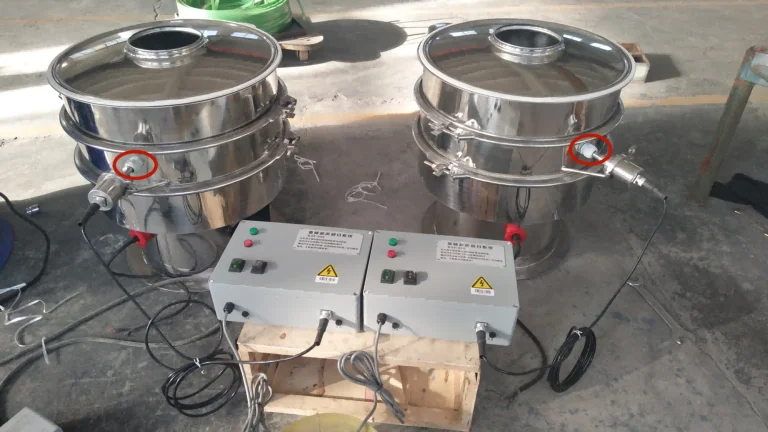
Based on a conventional vibrating sieve, high-frequency micro-vibration is added to prevent fine powders from blocking the mesh.
It is suitable for ultrafine powders (above 2000 mesh) such as ceramic powder and lithium battery materials. In engineering applications, it can significantly improve screening efficiency and reduce downtime caused by mesh cleaning.
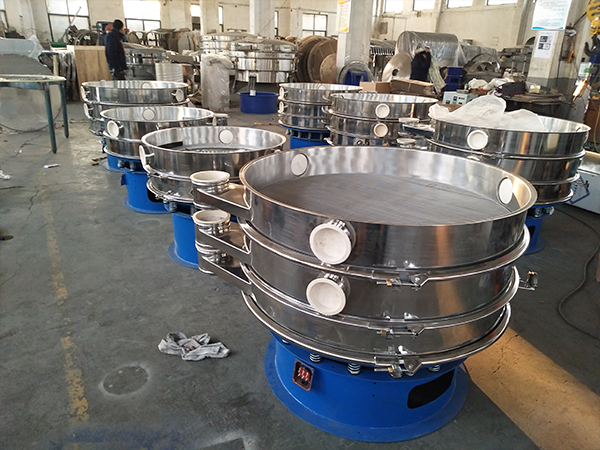
Tumbler Sieve
Materials are evenly distributed under rotary vibration, and multiple layers of screens can simultaneously complete the screening of different particle sizes.
It is suitable for powders, granules, and liquid dewatering processes, and can replace multiple traditional screening machines, improving workshop space utilization and production efficiency.
Swing Sieve
The swing sieve simulates manual screening motion, combining horizontal rotation and vertical swinging. This effectively prevents powders and granular materials from agglomerating and blocking the mesh.
In practical applications, swing sieves are suitable for materials that require high particle integrity, such as pharmaceutical granules, traditional Chinese medicine powders, and food powders. Screening accuracy can reach more than 98%.
Engineers usually adjust the swing amplitude and mesh aperture according to material characteristics to ensure screening efficiency and equipment lifespan.
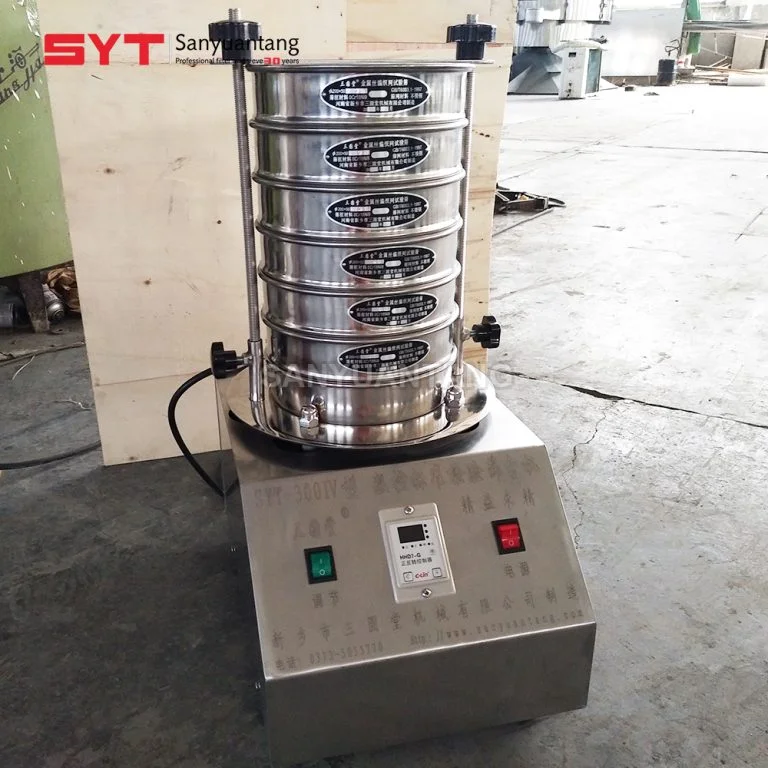
3. Standard Test Sieve (Standard Test Sieve)
Standard test sieves are mainly used for laboratory particle size analysis and represent the fundamental application of what is a sieve.
They comply with GB/T 6003.1-2012 or ASTM standards, with mesh aperture tolerance ≤ ±3%. The material is typically stainless steel or nickel mesh, offering corrosion resistance and wear resistance to ensure repeatability in multiple analyses.
In engineering practice, test sieves are commonly used for pharmaceutical quality control, soil particle testing, and small-batch material screening in research and development.
Industrial Application Scenarios and Typical Cases
The application of sieve screens runs through the entire production process. The following are typical applications in key industries:
Mining and Metallurgy
Heavy-duty vibrating sieves are used to process iron ore and coal, with a single machine capable of handling hundreds of tons per hour.
Pharmaceutical and Food Industries
Stainless steel rotary vibrating sieves meet GMP standards and are used for impurity removal in traditional Chinese medicine powder and milk powder. Multi-layer vibrating sieves use 3–5 layers of screens to achieve multi-size classification, replacing multiple traditional machines.
Chemical and New Materials
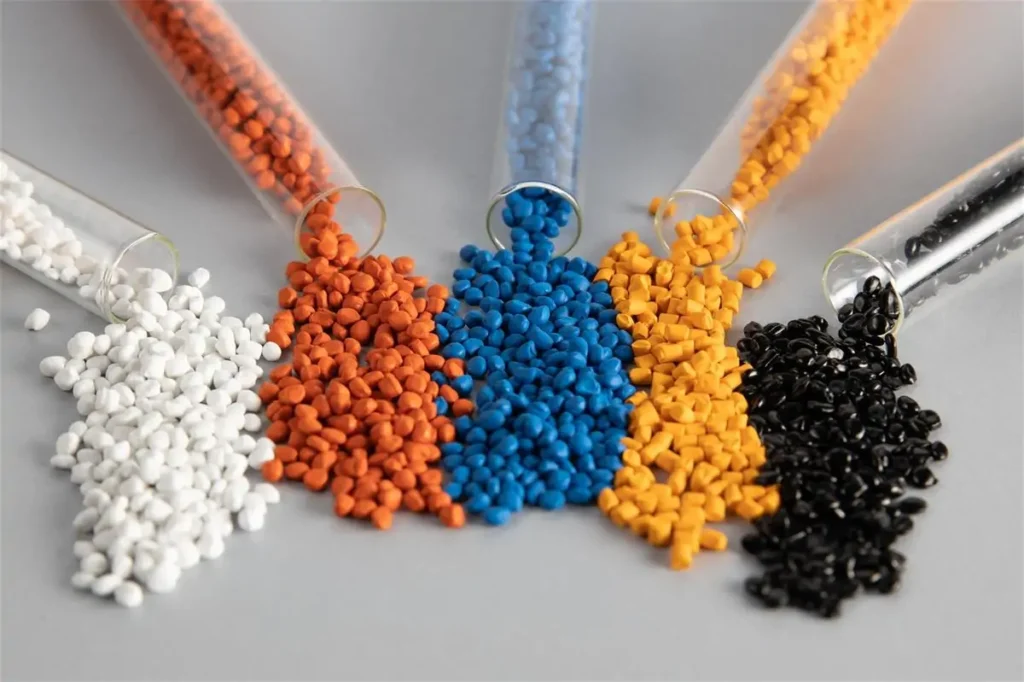
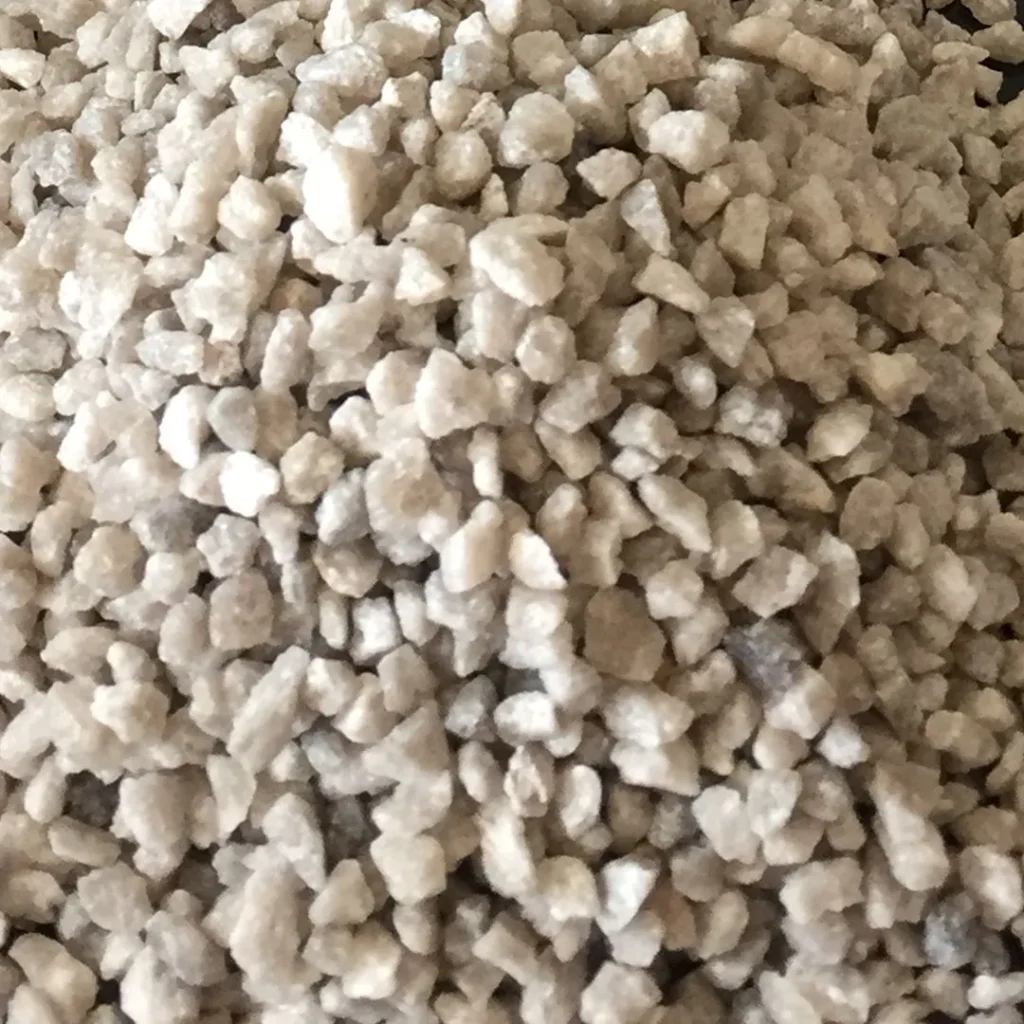
Ultrasonic vibrating sieves solve ultrafine screening challenges for coating powders and lithium battery materials. Molecular sieves (although containing the word “sieve,” they are actually adsorption materials) are used for gas separation and purification.


Why Choose Us (Why Choose Sanyuantang)
Sanyuantang, established in 1994, is a large vibration equipment enterprise integrating research, production, and sales, specializing in fine screening equipment.
The company’s products include rotary vibrating sieves, drum screens, square vibrating screens, linear vibrating sieves, as well as supporting conveying, crushing, mixing, and packaging equipment.
Core Advantages
Batch Customization
With a professional R&D team, the company can design sieve machines according to special models and support large-scale customization.
Fast Delivery
Standard equipment can be shipped within 5 days, ensuring production schedules are not delayed.
Comprehensive Service
30-minute rapid response service, providing online guidance, drawings, and video support. The complete machine has a 1-year warranty, while core components have a 6-month warranty.
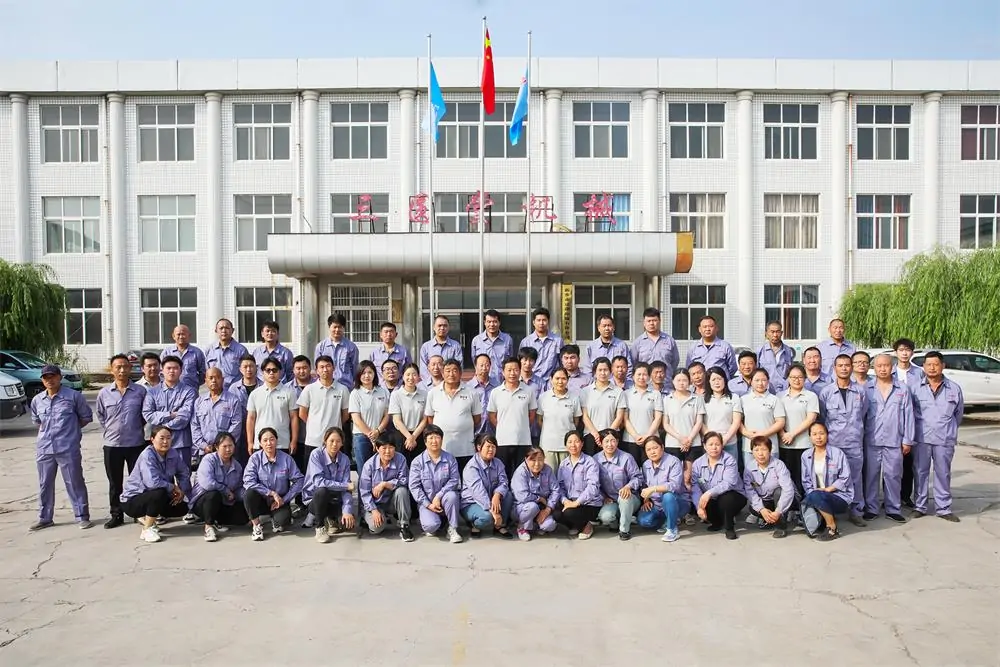
Sanyuantang Machinery Factory covers an area of 8,000 square meters, including 5,000 square meters of standard heavy-industry workshops and advanced processing equipment. The company has more than 100 employees, including over 50 mid- and senior-level technical personnel.
Adhering to the philosophy of “customer practicality and usability as the foundation, and scientific research and innovation as the focus,” the company has become an important sieve manufacturing base in China.
Email: info@sanyuantang.com
Phone: +86-18639095165