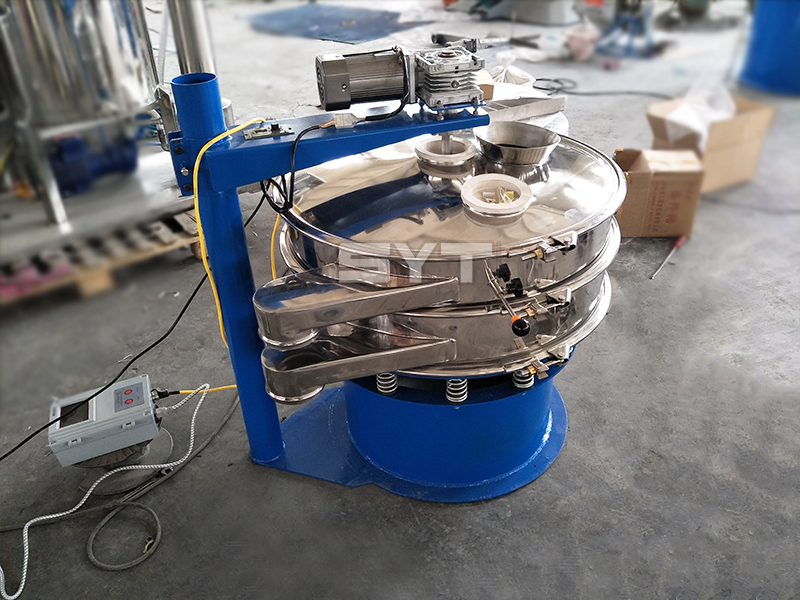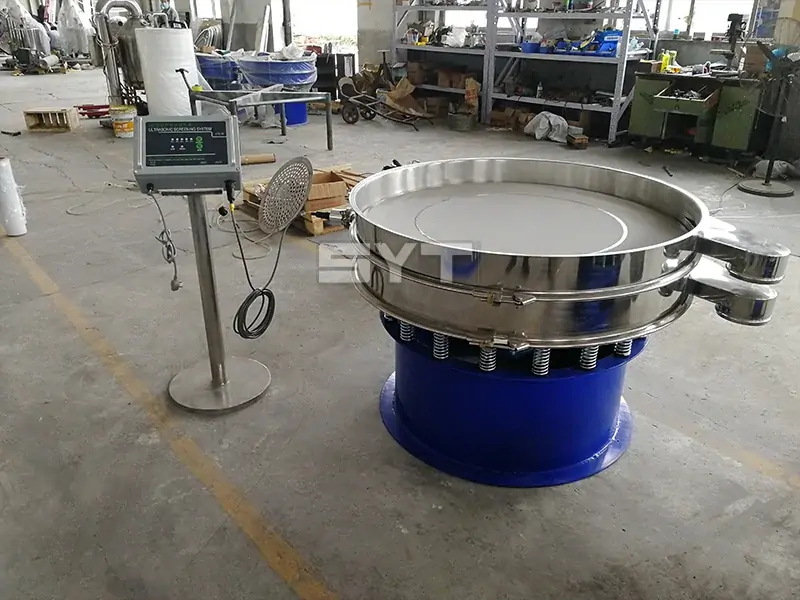
What is a vibrating screen?
Sanyuantang is a Chinese vibrating screen supplier. We have been focusing on overall screening and conveying solutions for 30 years. The vibrating screens we produce have obtained US patents and 40 domestic patents in terms of function and technology, and are in a leading position in the industry. Sanyuantang vibrating sieving machines are mainly divided into the following types according to different structures and working principles. Please choose the appropriate product type based on actual needs, or contact us directly to provide you with a one-stop screening and conveying solution. Start with your material, target aperture and required output so the machine options below can be compared against the same duty.
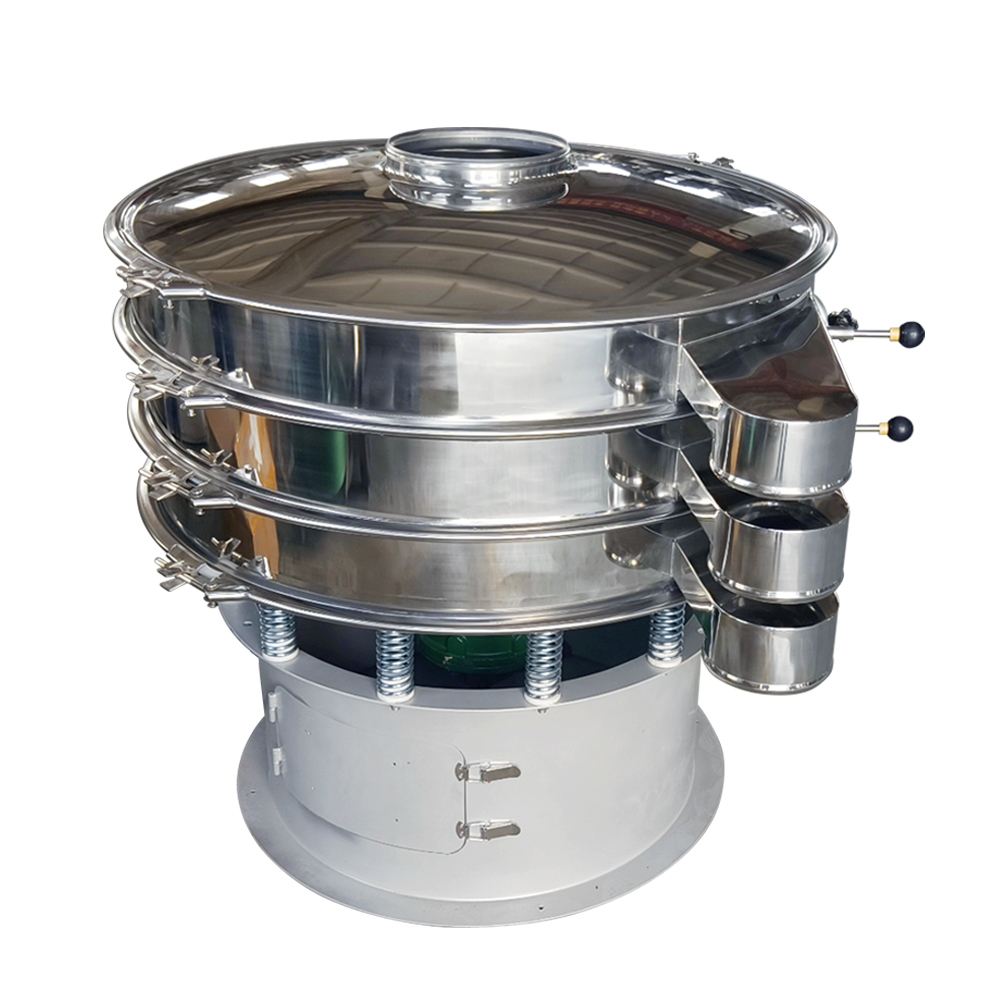
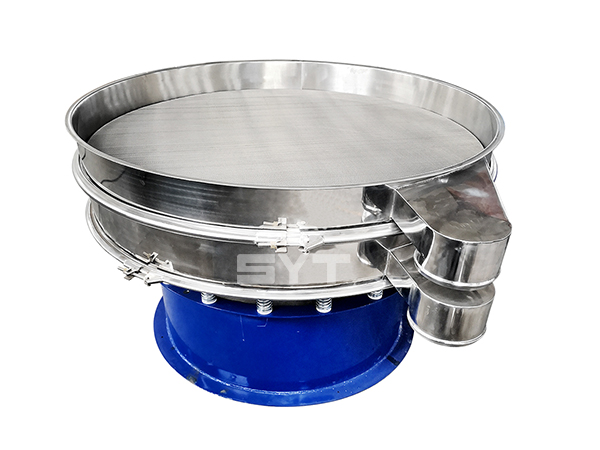
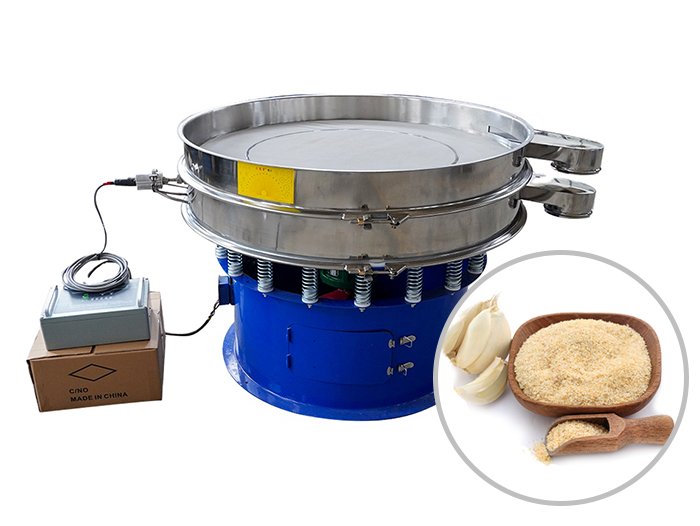
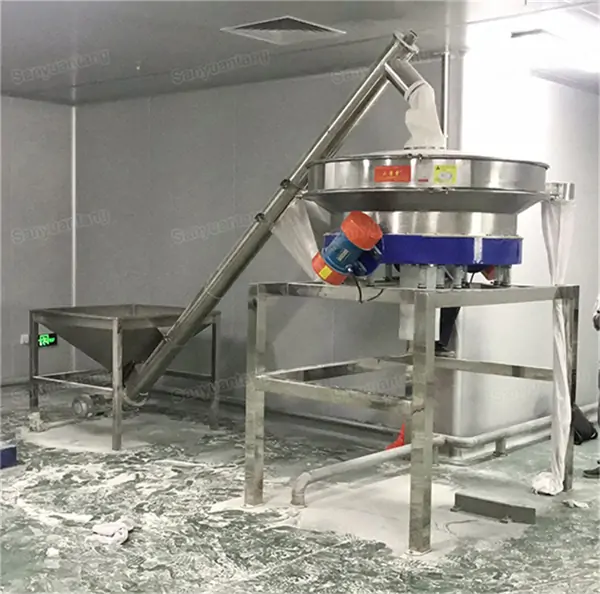
Circular rotary vibrating screen
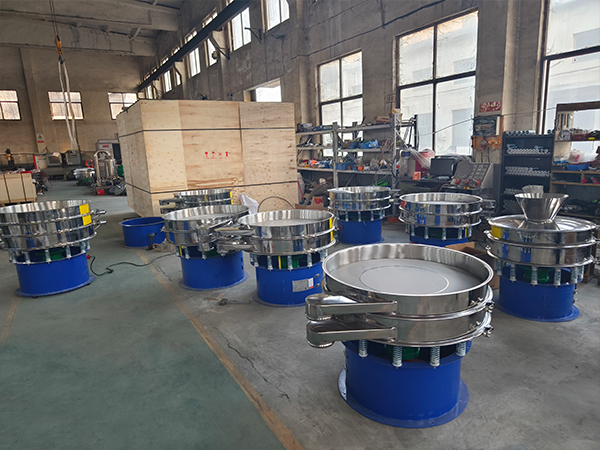
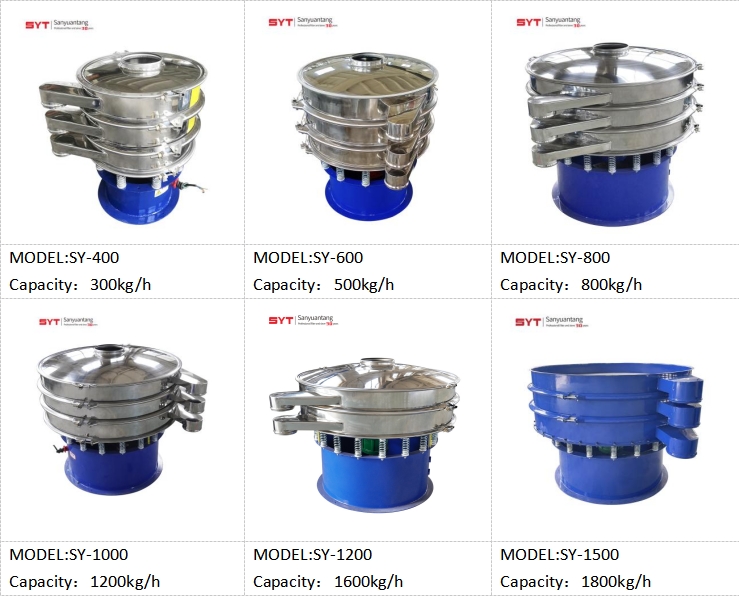
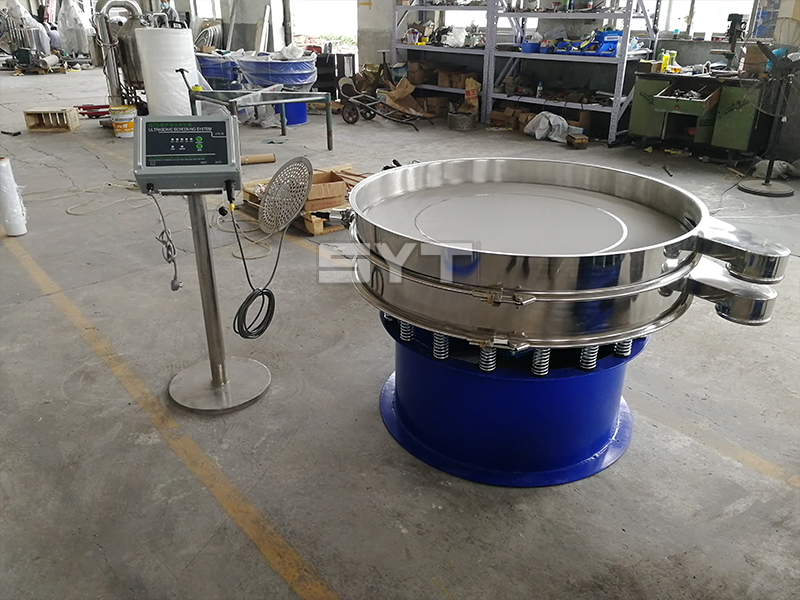
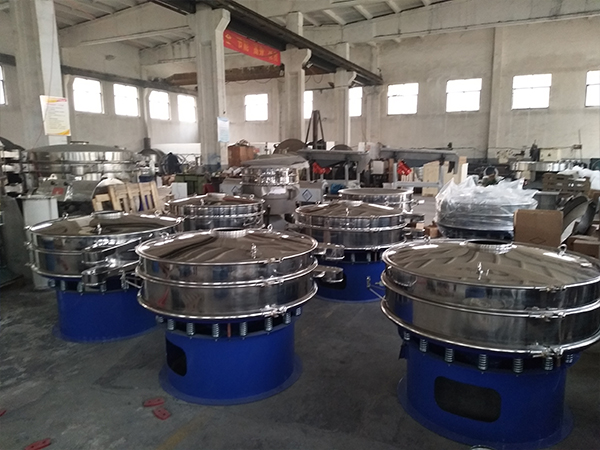
The rotary vibrating screen is suitable for fine screening of materials with fine particle size and strong viscosity. For materials that require efficient separation, the rotary vibrating screen has a higher screening efficiency, which can reach more than 95%. It also has the advantages of low noise, small footprint, and easy cleaning, and is suitable for screening small batches of materials.
Application: Various powder industries. Any particles, powders, and slurry can be screened within a certain range.
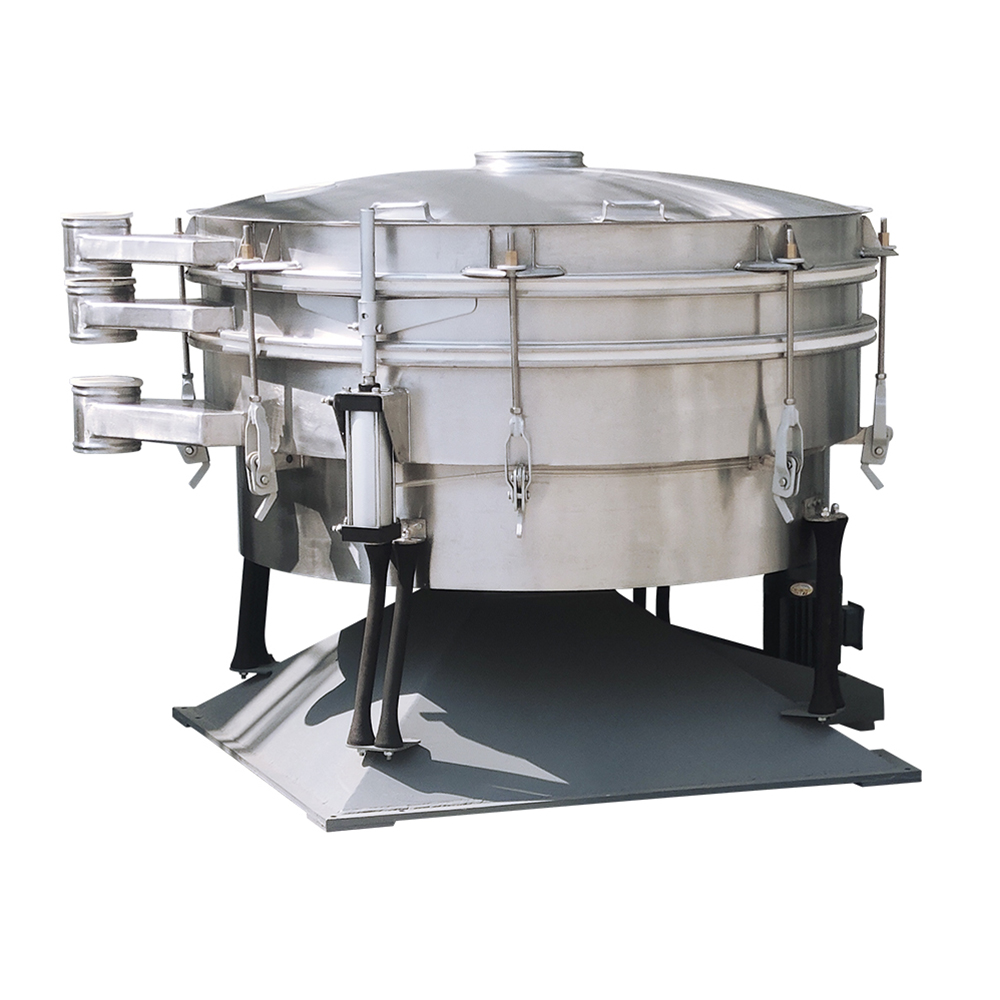
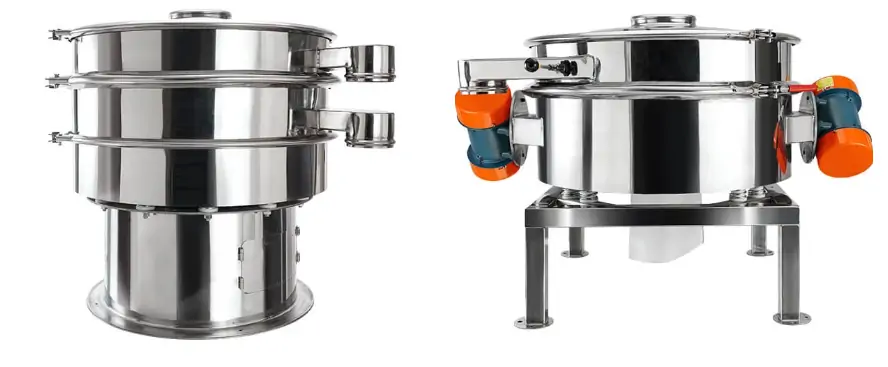
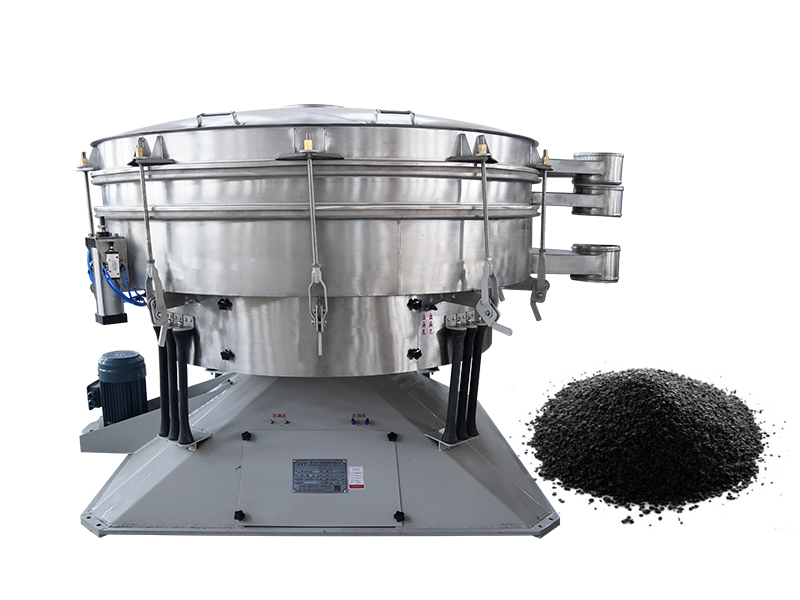
Tumbler vibrating screen
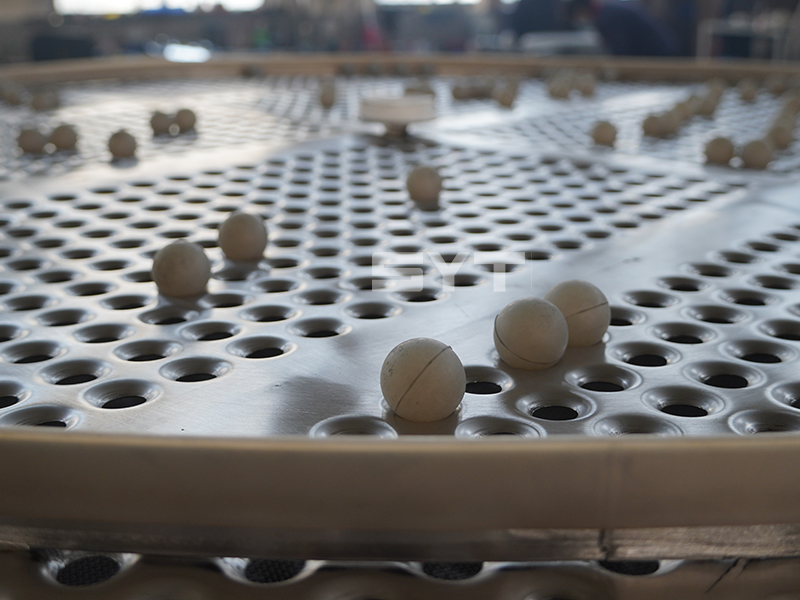
The tumbler vibrating screen is modeled on the low-frequency and high-efficiency principle of imitating manual screening, suitable for continuous screening and classification of granules, powders, liquids and viscous materials, with a screening accuracy of 90-95%. it can screen 80-500 meshes and is accurate to 6-level separation. The screening efficiency is as high as 90%-99%. It uses silicone rubber balls, ultrasonic and other high-efficiency screen cleaning device systems, screen holes will not be clogged.
Application: flour, salt, graphite, spices, feed, plastics, rubber, chemical fertilizers, sugar and salt and other precision, brittle and irregular materials.
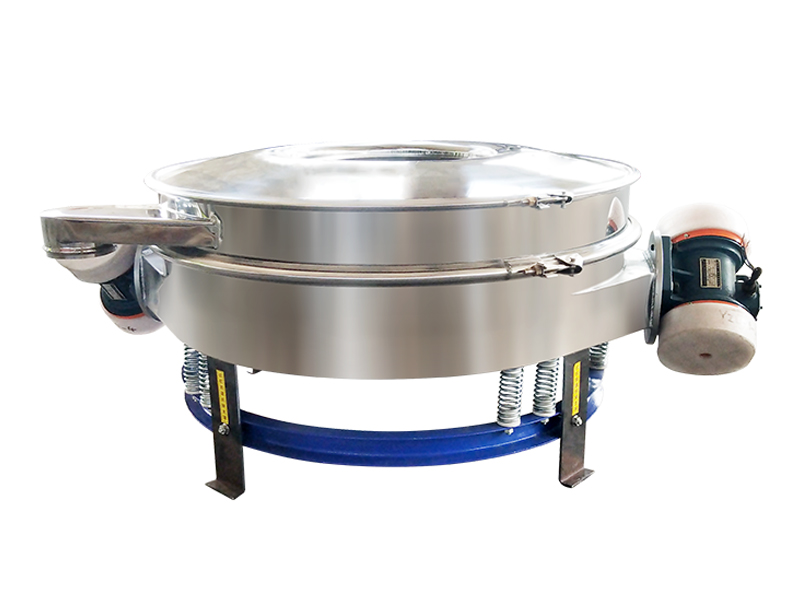
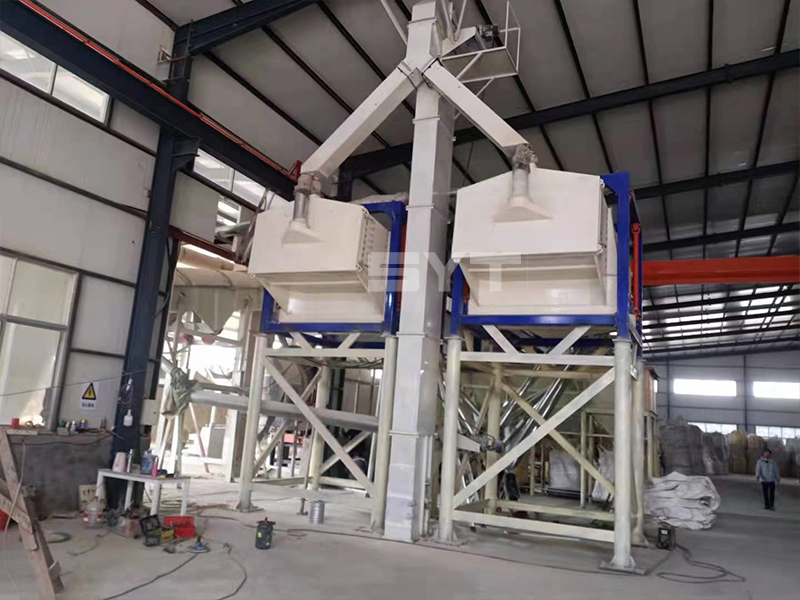
Inline Sifter Machine
The inlet and outlet of the inline sifter machine are in the same vertical direction, that is, the straight-row screen is used, and the screened materials are directly discharged through the screen at the discharge point. The screening speed is fast and the material is discharged quickly. It is suitable for screening large output and coarse materials, with an output of up to 30 tons per hour. Suitable for drying, dust removal, screening, etc. of granules, powders, and slurries.
Application: flour, fertilizer granules, pebbles, food additives, lime powder, condiments, sodium sulfate, metal powder, chemical raw materials, starch, silicon carbide, zinc oxide powder, puffed soybeans, feed additives, calcium powder, soda ash.
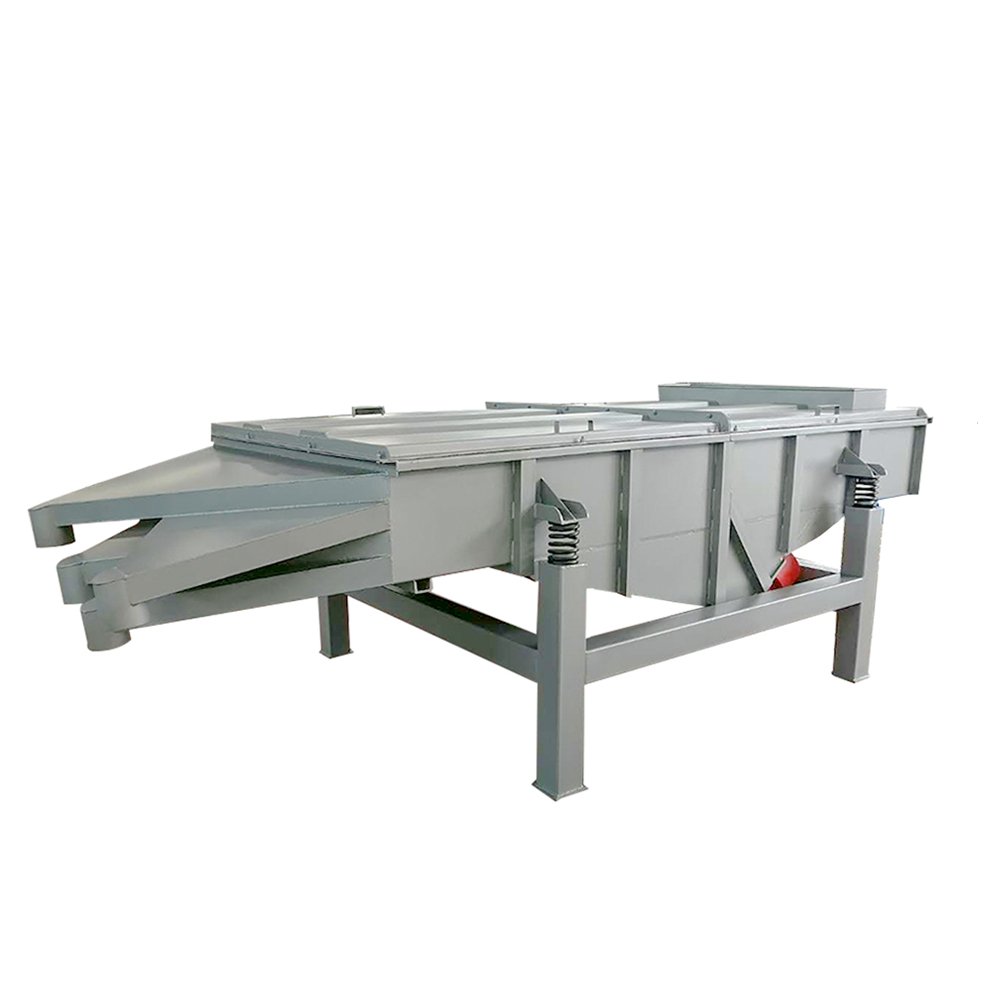
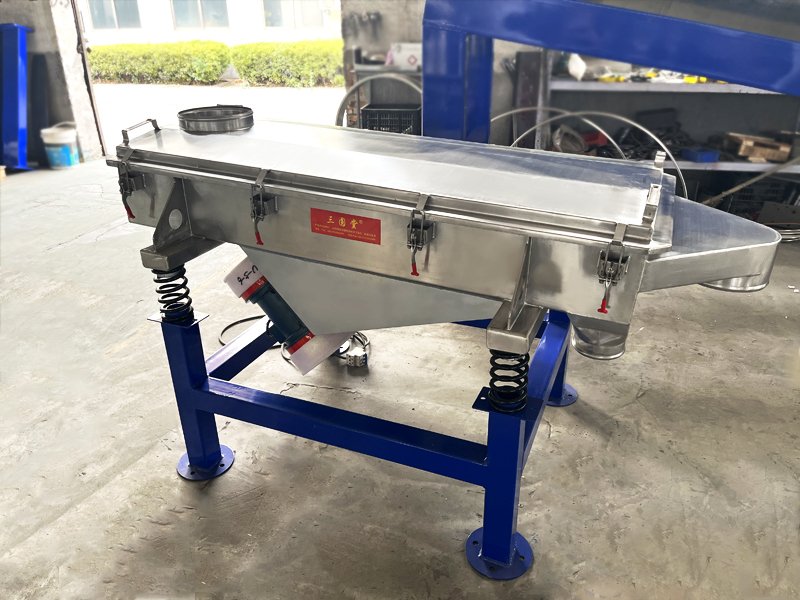
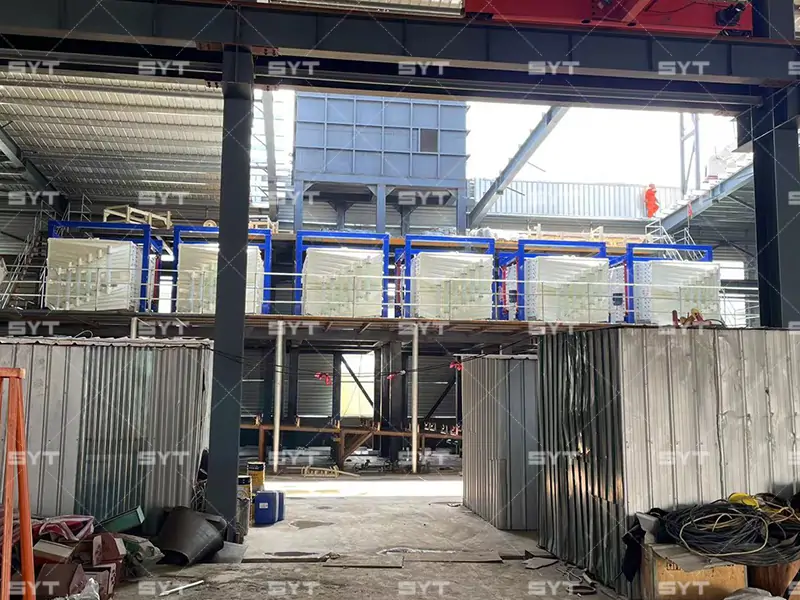
Linear vibrating screen
The linear vibrating screen is mainly used to remove impurities, for high-fluidity powder and particle processing, and to quickly remove large particles or fine powder with low content. It has a simple structure and is suitable for screening a large amount of materials. It has the characteristics of high efficiency and high output.
Application: food spices, Chinese herbal medicine, tea, silica powder, chemical fertilizers, plastic particles, resin, machine-made sand, quartz sand, etc.

Gyratory vibrating screen
The gyratory vibrating screen adopts the principle of plane rotation, the rotation frequency is 180-260 rpm, and the screen surface inclination angle is 0~5°. It can have a good screening effect on materials below 300 mesh, and the screening efficiency can reach more than 98%. It has a stable structure and smooth operation and can meet the screening needs of high intensity and large output.
Application: quartz sand, machine-made sand, fracturing sand, garnet, brown corundum, resin, compound fertilizer, reduced iron powder, zirconia, ceramsite, barite, wood chips, etc.
Function of vibrating screen
The main functions of vibrating screening machines include:
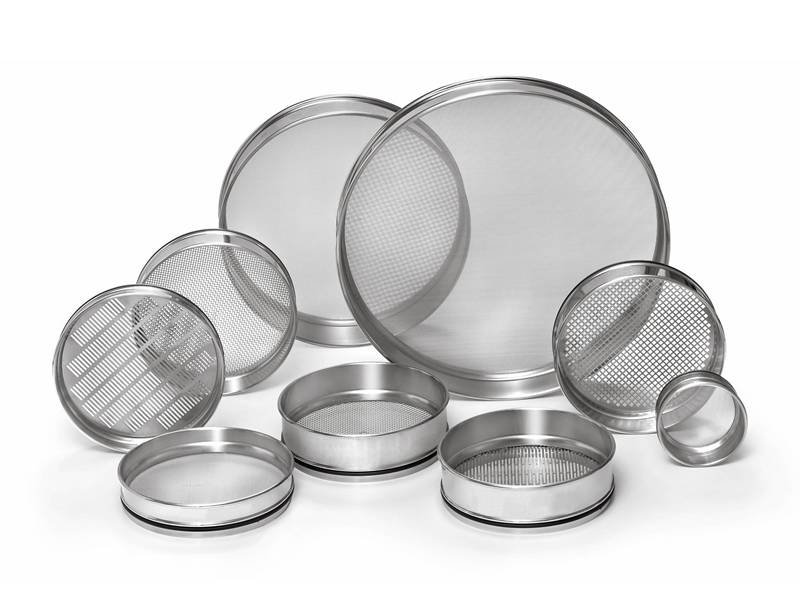
- Screening: Screen the raw materials according to different particle sizes to separate products with the required particle size.
- Removal of impurities: Impurities and foreign matter in raw materials are removed through the screening process to improve product quality.
- Grading: According to the requirements of different particle sizes, the raw materials are graded to meet the needs of different industries.
applications of vibrating screens
Vibratory screens are widely used in various industries, including but not limited to:
- Mining: In a sand crushing production line, it is used to screen and classify raw ore and mined materials such as limestone and quartz sandstone.
- Chemical industry: used for screening and filtering chemical raw materials, such as granules, powders, etc.
- Food Beverage: used for screening and classifying food powders, grains, etc. in the food processing industry.
- Pharmaceutical: Used for screening and filtering of medicinal materials and powders in the pharmaceutical industry.
- Vibrating screens provide important support and guarantee for the production of various industries through their efficient and precise screening capabilities.
How to Select a Vibrating Screen for Your Material
After reviewing the machine types and applications, compare them against your actual separation task. The useful product fraction, aperture and feeding conditions determine which configuration should be assessed.
| Screen type | When to evaluate it | What to check |
|---|---|---|
| Rotary vibrating screen | Powder or granule grading and suitable liquid screening | Aperture, mesh cleaning, product loss and sustained output |
| Tumbler screening machine | Gentle handling or several product fractions | Fraction recovery, particle breakage and cleaning access |
| Inline sifter | Check screening with a direct vertical product path | Available height, feed peaks and oversize discharge |
| Linear vibrating screen | Continuous screening of suitable free-flowing bulk material | Feed distribution, bed depth and discharge arrangement |
| Gyratory vibrating screen | Controlled grading of suitable dry granular material | Screen area and the size distribution at each outlet |
For a powder, include moisture condition, bulk density and particle-size distribution. For a slurry, include viscosity, temperature and solids loading. A quotation based on these conditions is easier to compare than a model name and mesh count alone.
Trustworthy China Vibrating Screen Supplier and Manufacturer
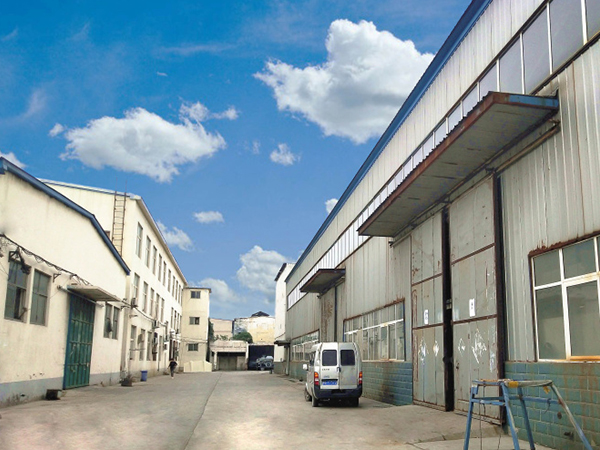
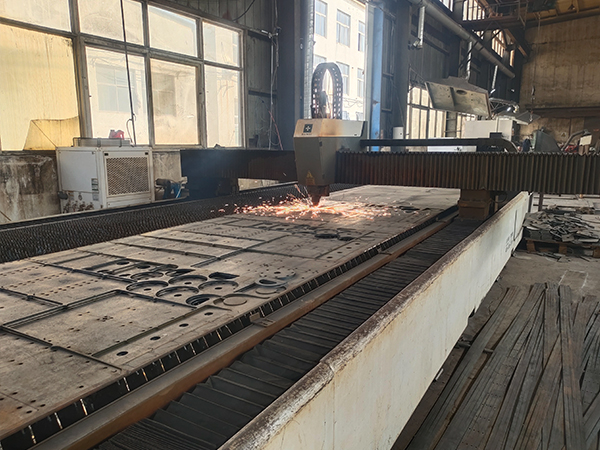
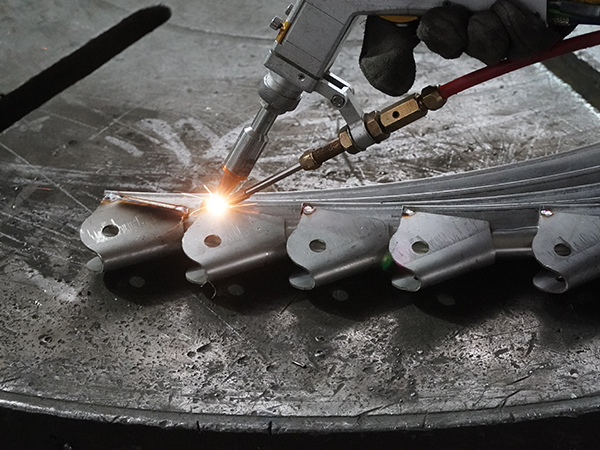
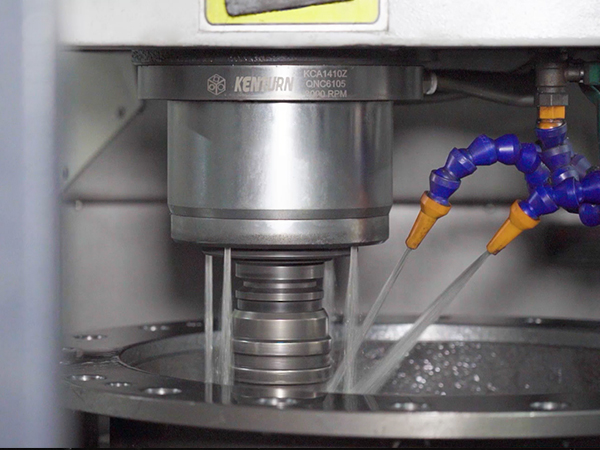
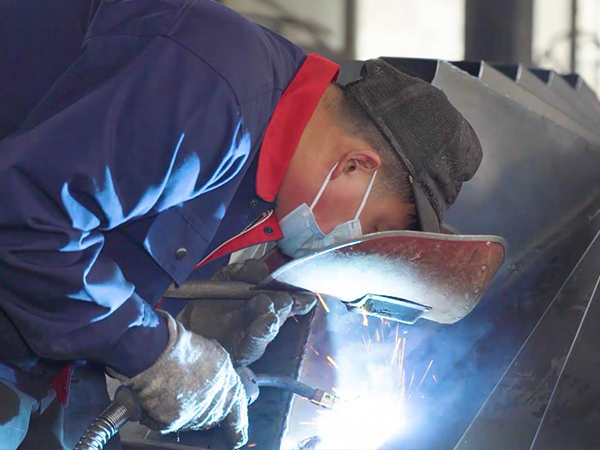
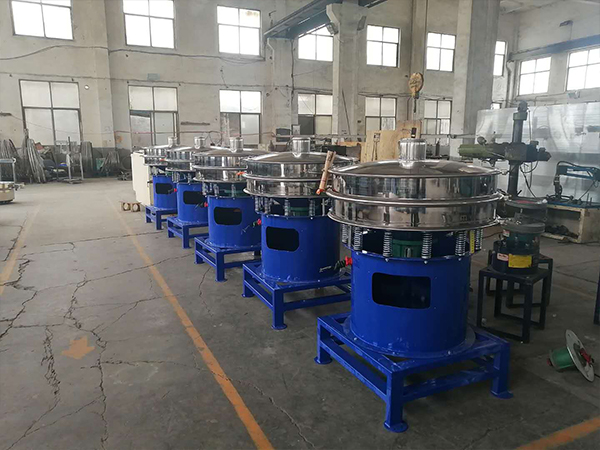
As a professional China vibrating screen supplier and manufacturer, Sanyuantang is committed to providing high-quality, high-performance vibrating screens and related equipment. The company has advanced production technology and rich experience, provides customers with a full range of vibrating screen solutions, and has established a good reputation and credibility in the industry.
Why Choose Us?
Vibrating Screen Supplier FAQs
How do I choose a vibrating screen supplier
Choose a supplier that can explain the proposed screen type against your material and separation target. Compare the specified configuration, relevant documents, trial conditions and support terms. A catalogue capacity without the material and aperture is not enough to assess suitability.
What information do you need for a quotation
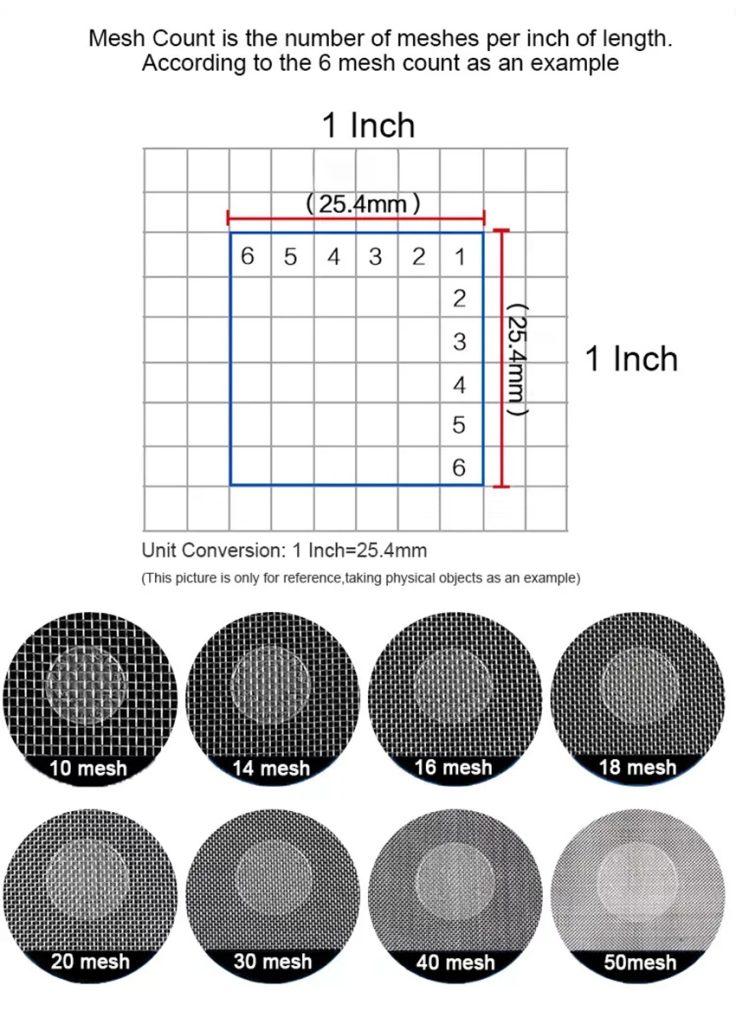
Send the material name, target aperture, required fractions, normal and peak feed rates, moisture or liquid conditions, contact-material requirements and available installation space. For an existing screening problem, include mesh photographs and an operating video.
Can one vibrating screen handle powders and slurries
Some screen types can be configured for either duty, but the same setup should not be assumed to suit both. Liquid screening needs suitable seals, drainage and wetted materials. Dry powder screening needs attention to feeding, mesh cleaning and dust containment.
Can the screen be customised for my production line
We can discuss the inlet, outlets, deck arrangement, contact materials and installation layout for your process. Confirm the complete scope against drawings and the quotation before ordering, especially where upstream or downstream equipment is involved.
Why do prices differ for similar vibrating screens
Screen area, contact materials, deck count, mesh construction, cleaning systems, electrical components and accessories affect price. Compare the same supply scope and the same separation target rather than treating the model diameter as the full specification.
How are capacity and delivery time confirmed
Capacity should relate to your material, aperture and agreed acceptance conditions. Delivery time depends on the final configuration and production schedule. Confirm both in the written proposal rather than applying a general website figure to every order.