
In a sand-making plant, the conveyor belt is an important link between the various equipment in the sand-making production line. It is specifically designed for conveying highly abrasive crushed aggregates, manufactured sand, and gravel with a typical bulk density of approximately 1.6 t/m³. Standard conveying capacities range from 50 t/h to 800 t/h, making it suitable for a wide variety of quarrying, mining, and aggregate processing applications. It is mainly used to transfer sand and gravel raw materials from one processing link to the next link to ensure the continuity and efficiency of the production process. The following are several main functions of sand conveyor belts in sand-making plants:
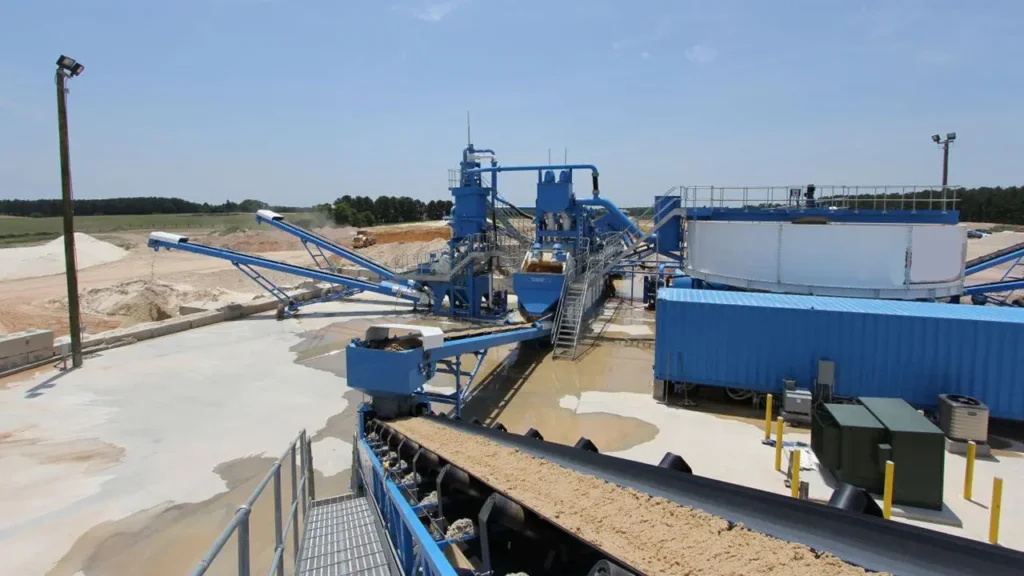
Connection and conveying function
In a standard sand-making configuration, the entire process relies on synchronized conveyor transfer systems.
Primary Stage: Run-of-mine (ROM) materials are fed into a jaw crusher through a vibrating feeder for initial size reduction.
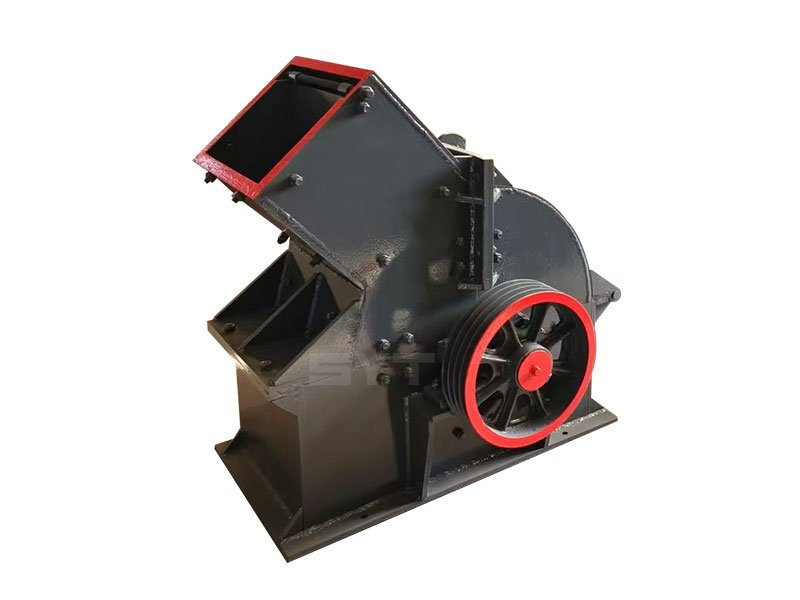
Secondary & Tertiary Transfer: The coarsely crushed material is transported via heavy-duty sand conveyor belts to secondary cone crushers or impact crushers for further crushing, and then routed to a Vertical Shaft Impact (VSI) sand making machine.
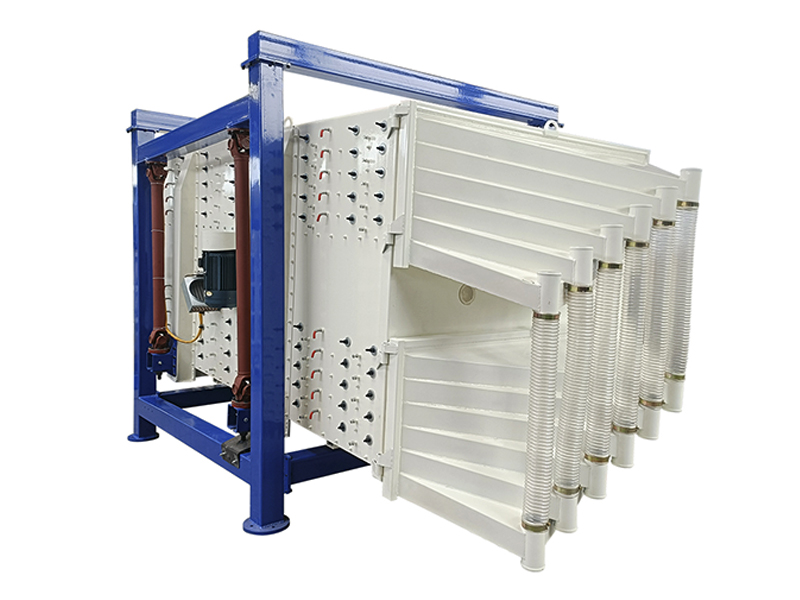
Final Classification: After high-velocity impact shaping, the material is delivered to vibrating screens and sand washing systems. Finished sand (0–5 mm) is then transported by stockpiling conveyor belts to designated storage yards.
Therefore, the conveyor belt ensures the continuity and automation of the sand making production line.
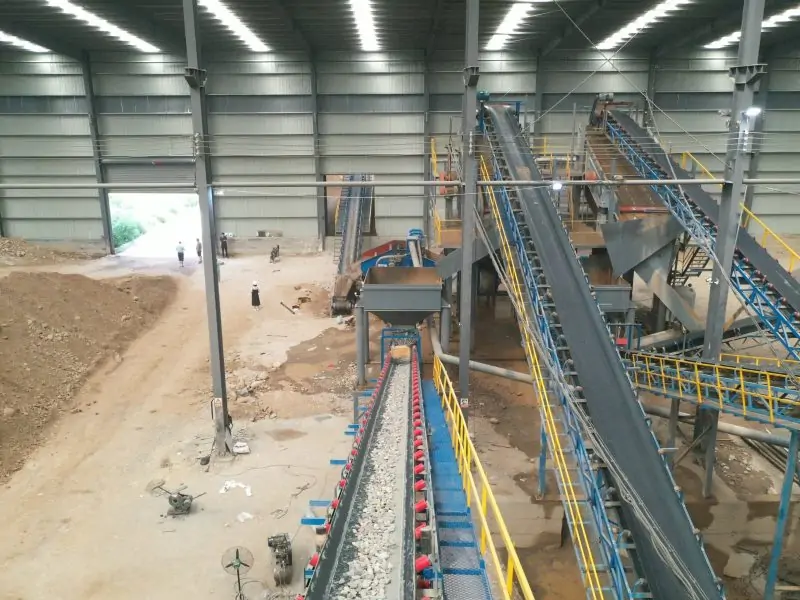
daptability and flexibility
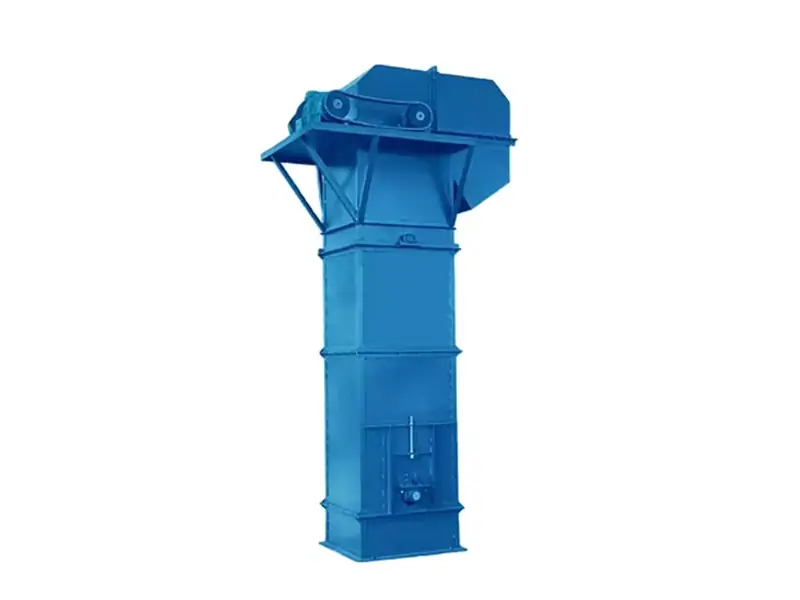
The sand conveyor belt has the characteristics of a simple structure, low operating cost, and strong adaptability. In the sand making plant, due to the different types, particle sizes, and production requirements of raw materials, the belt conveyor can adjust the bandwidth, conveying length, angle, and usage according to actual needs to meet different production process requirements. In addition, the sand conveyor belt can also be used in conjunction with other equipment such as crushers, bucket elevator, sand screening machines, sand washers, etc., to form a complete sand production line.

Technical Specifications for Highly Abrasive Materials
When conveying highly abrasive materials such as quartz sand, granite, basalt, or river pebbles, standard commercial rubber conveyor covers tend to wear out quickly due to continuous abrasion, cutting, and surface impacts. To prevent premature belt wear, thinning, and unexpected tearing, industrial sand conveyor belts must comply with internationally recognized abrasion-resistance standards.
DIN-X Rating (Abrasion Loss ≤ 120 mm³)
This grade offers top-tier tensile strength and excellent resistance to cutting, gouging, and severe impact abrasion. It is recommended for primary feed lines handling sharp, large-sized stone aggregates before secondary crushing stages.
DIN-Y Rating (Abrasion Loss ≤ 150 mm³)
Designed for standard heavy-duty abrasive conditions, this grade provides a balanced combination of durability and cost efficiency. It is widely used in general transfer conveyors and finished manufactured sand (0–5 mm) delivery systems.
Ensure production efficiency and safety
The operational state of the sand conveyor belt directly governs the uptime of the entire manufacturing facility. To maximize Mean Time Between Failures (MTBF) and prevent catastrophic belt drift or motor burnouts, a modern system configuration must integrate real-time electronic safety switches:
Under-Speed / Slip Switches: Monitors head-pulley tachometry relative to the belt velocity, automatically pausing system feed if friction-induced slippage is detected.
Belt Misalignment/Deviation Switches: Positioned along both sides of the conveyor frame to detect tracking errors and prevent edge tearing against structural steel.
Safety Pull-Rope Switches: Mounted along the maintenance walkways, enabling operational personnel to execute emergency stops immediately during local hazards.
Optimize production processes and costs
The application of sand and gravel conveyor belts in sand making plants can also help optimize production processes and reduce production costs. For example, by reasonably arranging the location and number of belt conveyors, the loss and waste of materials during the transportation process can be reduced; at the same time, the belt conveyor has a high degree of automation, which can reduce the cost and time of manual operation. In addition, the belt conveyor can also be linked with other equipment to achieve linkage control to improve the automation level and production efficiency of the entire production line.
Common types of sand and gravel conveyor belts in sand making plants
When choosing a sand and gravel conveyor belt, the sand making plant needs to make comprehensive considerations based on specific conveying scenarios, material characteristics, safety requirements, and cost budgets. Common types are as follows:
| Type | Characteristic | Application Environment |
|---|---|---|
| Rubber Conveyor Belt | High-temperature working environment | General sand and gravel production line, dry environment |
| Wire Rope Conveyor Belt | Widely used in gravel yards, mines ,and other environments, and can effectively cope with the challenges brought by rough materials. | Especially suitable for long-distance and large-angle conveyor lines, such as large sand and gravel processing plants and large-scale material transportation. |
| Polyester (EP) Conveyor Belt | Low elongation, impact resistance, good heat resistance, suitable for open-air transportation. | Widely used in gravel yards, mines and other environments, and can effectively cope with the challenges brought by rough materials. |
| PVC Conveyor Belt | Good wear resistance, corrosion resistance and anti-slip performance | Good wear resistance, corrosion resistance, and anti-slip performance |
Conclusion
In summary, the sand conveyor belt has multiple functions in the sand making plant, such as connection and conveying function, adaptability, flexibility, etc. It is one of the indispensable and important pieces of equipment in the sand-making production line. When selecting and customizing the sand and gravel conveyor belt, it is necessary to comprehensively consider the actual application scenario, required functions, material characteristics, production efficiency, and other aspects to ensure that the equipment can meet the production needs, while ensuring production safety, optimizing the production process, and reducing costs.
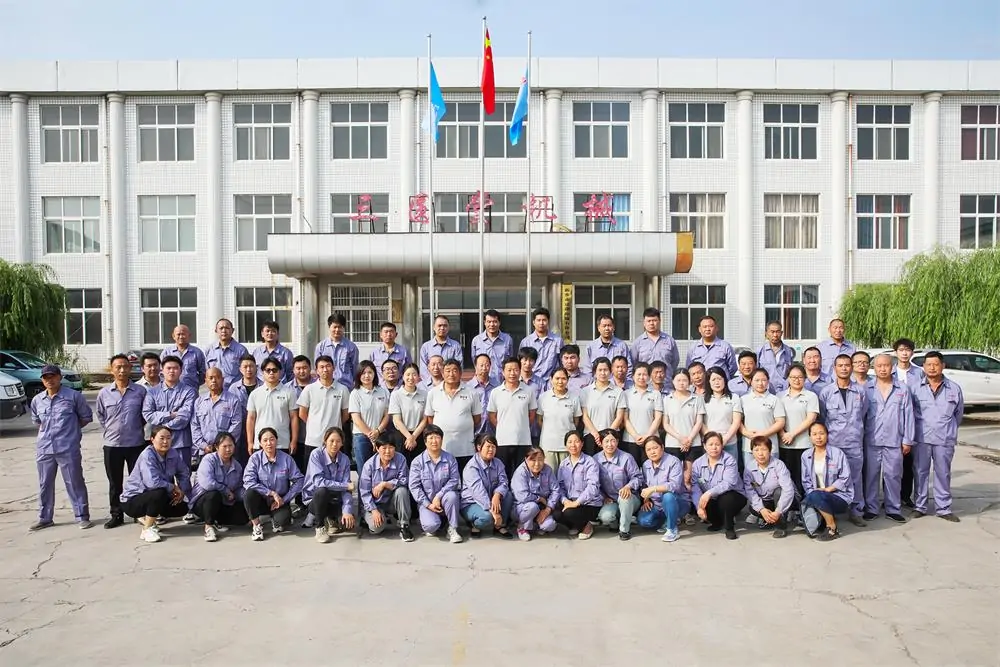
If you are looking for high-quality belt conveyors or sand screening production lines, please feel free to contact our professional team. Sanyuantang has rich project experience and can provide a one-stop sand production line solution according to your specific needs.
Email: info@sanyuantang.com
Phone: +86-18639095165
FAQs
Related Products





Related Articles
- The Role Of Dewatering Vibrating Screen In Sand Production Line?
- Sand Conveyor Belt Types And Price
- Understanding The Inclination Angle Of Belt Conveyors
- Chain Conveyor VS Belt Conveyor
- How To Prevent Dust In Sand Making Production Line
- Application and Principle of Grain Belt Conveyor
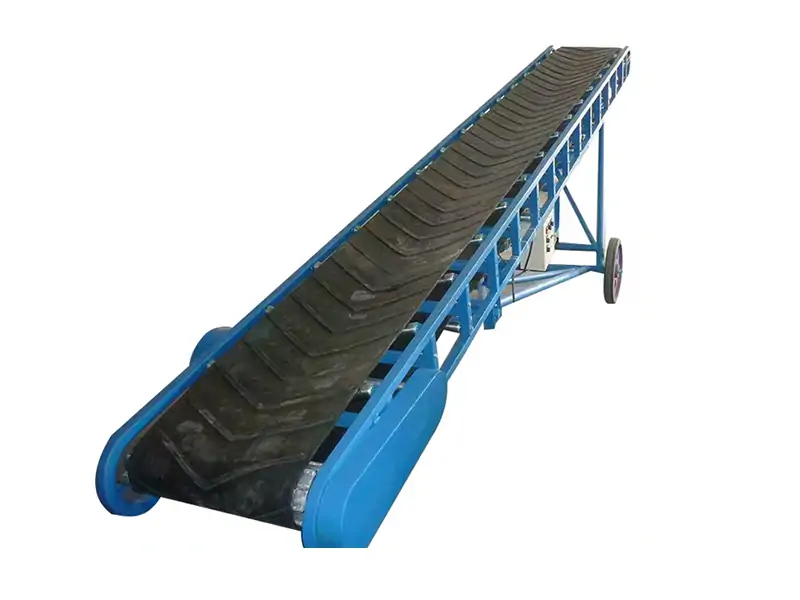
- The Most Commonly Used Mobile Conveyor Belt