In modern industrial manufacturing, the purity and particle size consistency of raw materials are the foundation of producing high-quality products. Whether in food processing, pharmaceuticals, or the chemical industry, the vibratory sieve is a core piece of equipment for achieving efficient material separation. In many industrial applications, screening equipment design and performance are aligned with international standards such as those established by the International Organization for Standardization and material testing frameworks developed by ASTM International to ensure consistency, safety, and operational reliability.
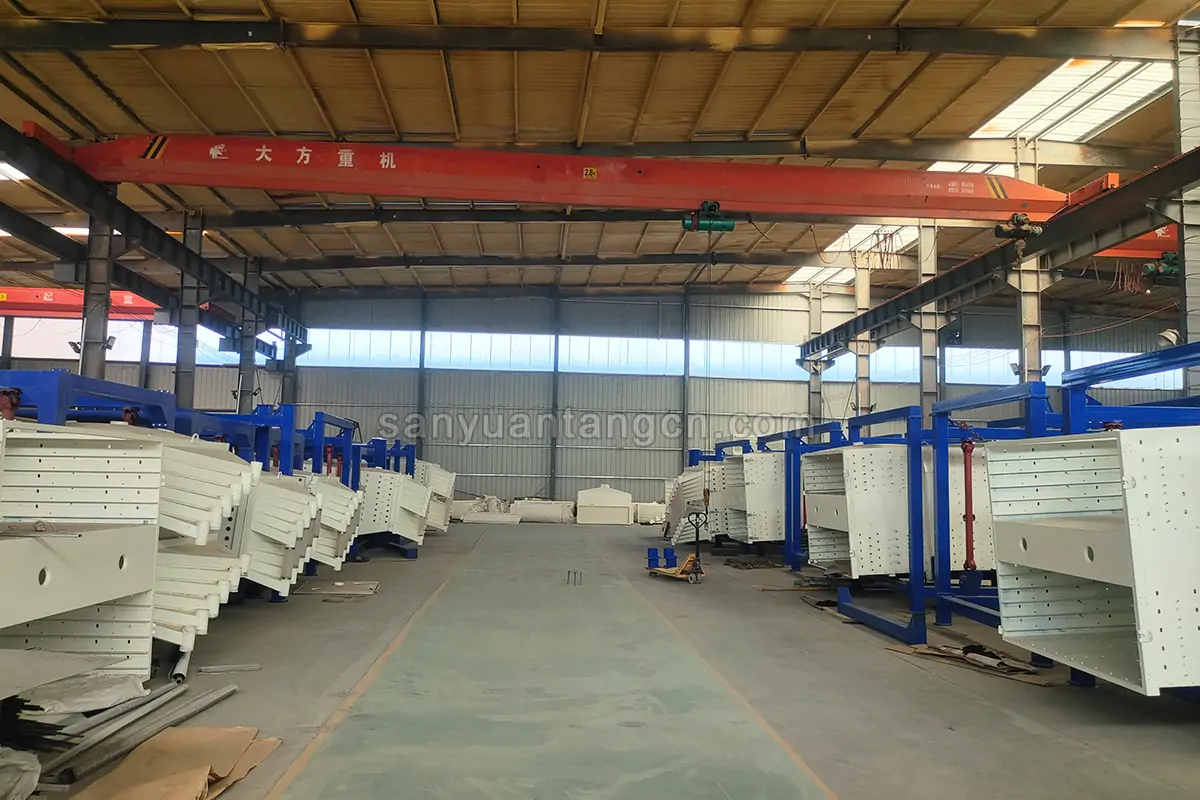
As a globally leading provider of screening solutions, Sanyuantang is committed to helping enterprises optimize their production processes through innovative vibratory sifters technology. This article provides an in-depth analysis of their working principles, key parameters, and their critical role in industrial screening.
What Are Vibratory Sifters?
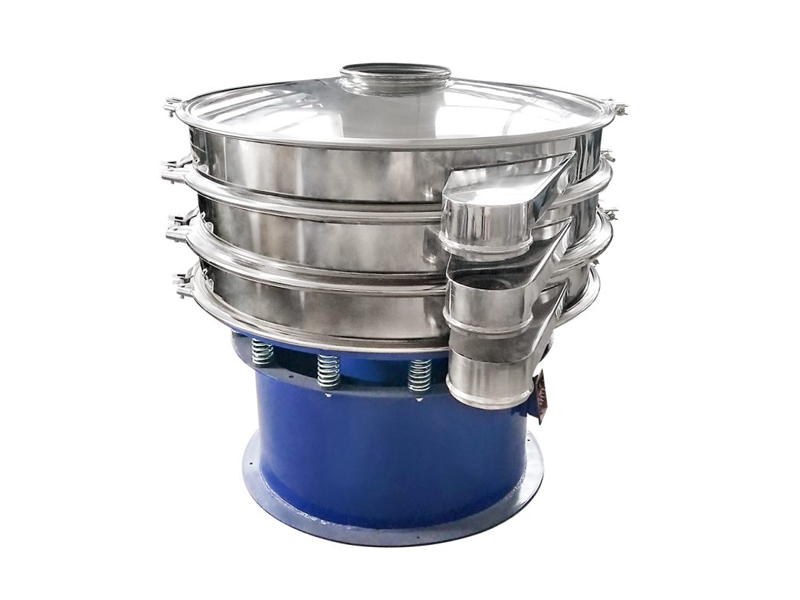
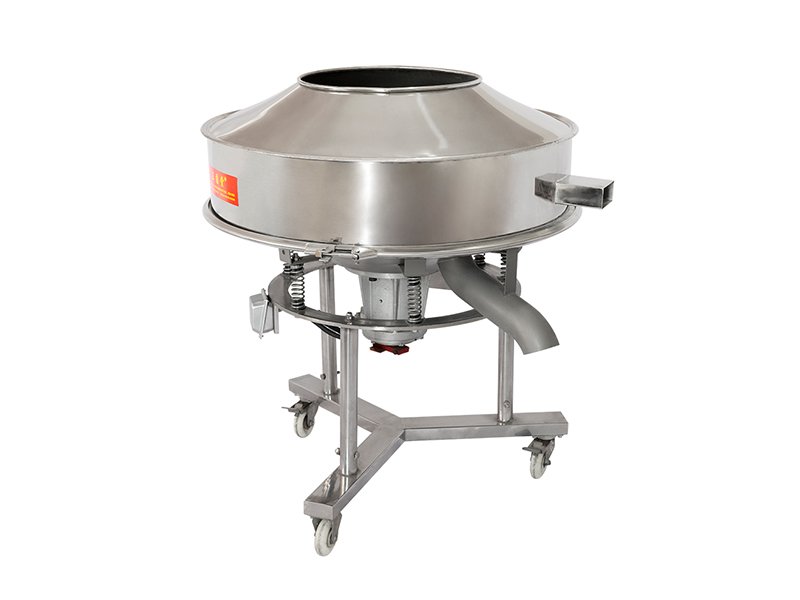
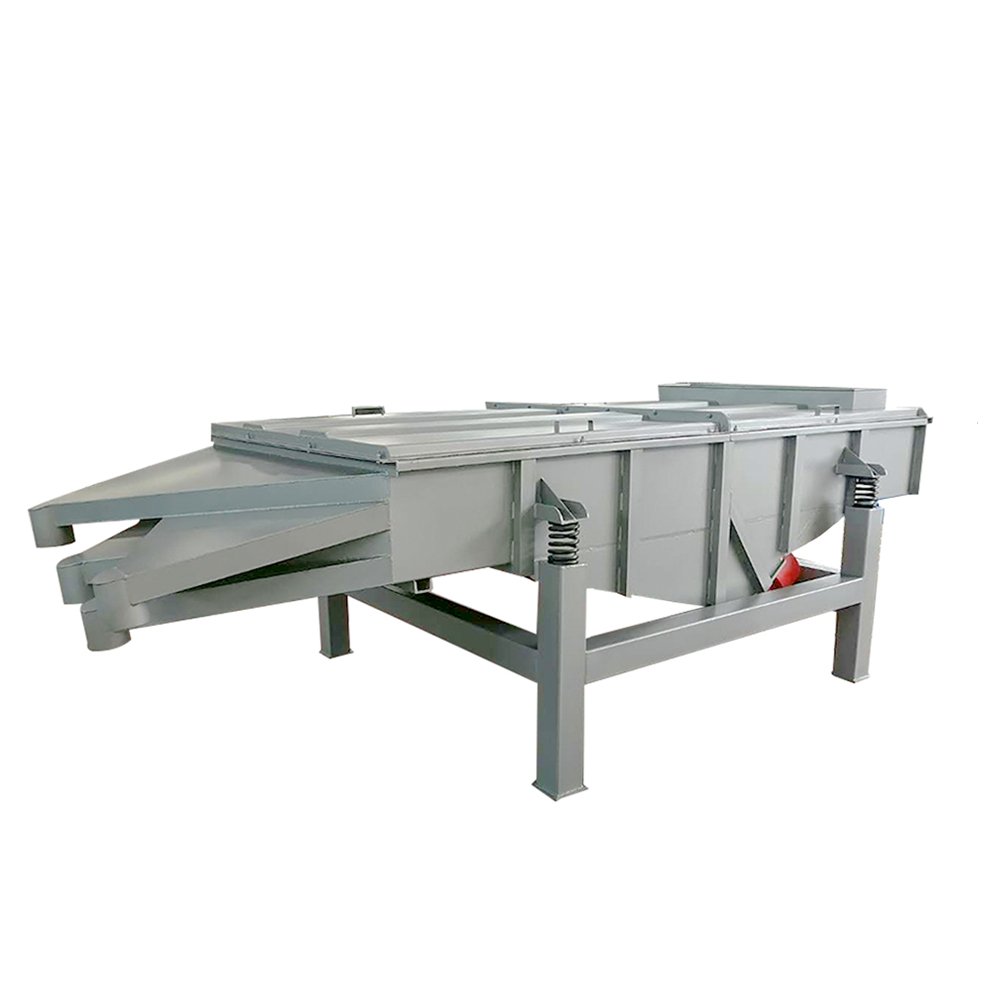
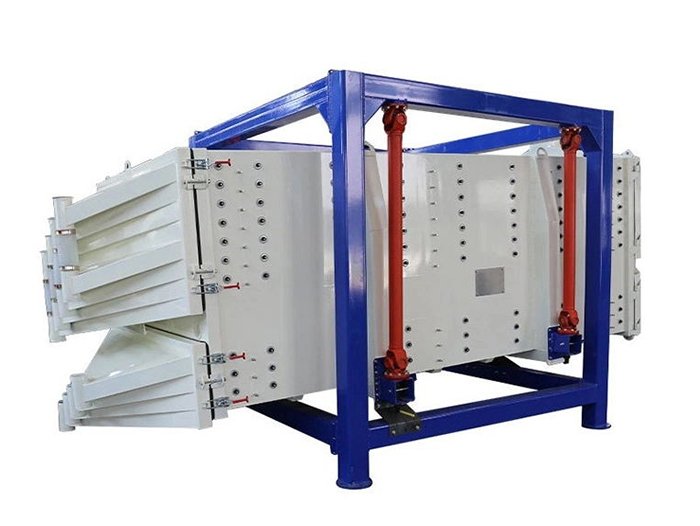
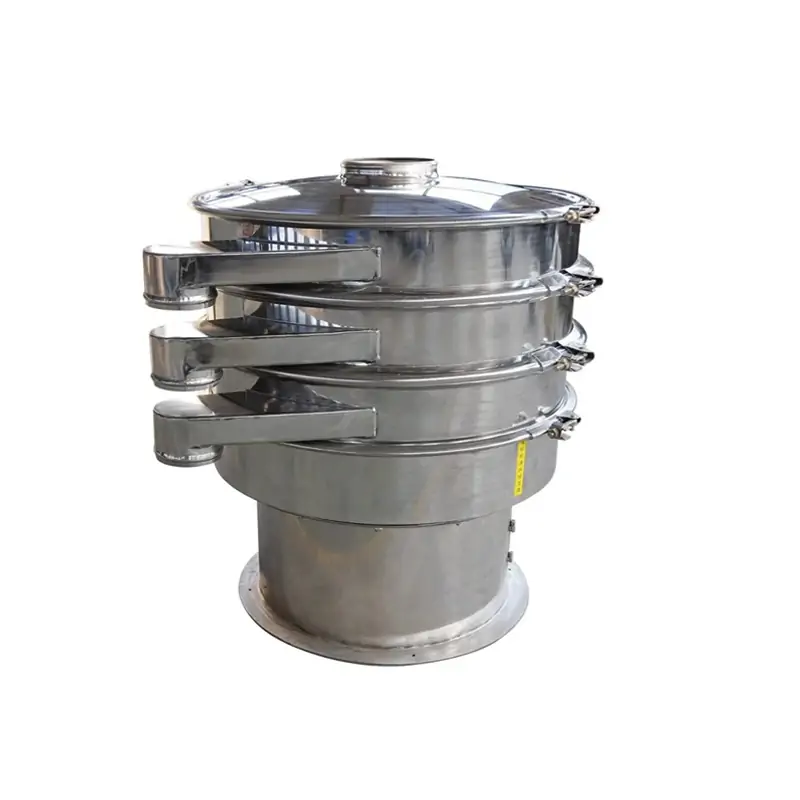
Vibratory sifters are industrial screening machines that use mechanical vibration to classify, filter, or remove impurities from dry or wet materials. They generate high-frequency vibrations that cause materials to move along specific trajectories on the screen surface, enabling particle separation by size.
Core Advantages:
- High precision: Screening accuracy can reach over 98%
- Multi-layer classification: Supports 1–5 layers, enabling separation into 2–6 grades simultaneously
- Fully enclosed and environmentally friendly: Prevents dust leakage and meets environmental and hygiene standards
This enclosed design also aligns with industrial dust control and air quality recommendations from the United States Environmental Protection Agency, helping manufacturers reduce airborne particle emissions and improve workplace safety.
Working Principle of a Vibratory Sieve
The core of a vibratory sieve lies in its three-dimensional vibration mechanism. The working process can be summarized as follows:
- Power source: A vertical vibration motor is installed at the center of the equipment. Eccentric weights are mounted on both ends of the motor shaft.
- Motion conversion: When the motor rotates at high speed, the eccentric weights convert rotational motion into a three-dimensional composite motion consisting of horizontal, vertical, and inclined vibrations.
- Trajectory control: This motion is transmitted to the screen surface, forcing materials to spread outward from the center in a spiral motion.
- Material separation: Particles smaller than the mesh size pass through the screen and fall to the lower layer, while larger particles and impurities are discharged automatically from the outlet.
Expert Tip: By adjusting the phase angle of the eccentric weights at both ends of the motor, the residence time and motion trajectory of materials on the screen can be controlled, allowing adaptation to different material characteristics such as high-viscosity slurries or ultra-fine powders.
Technical Parameters
The following specifications are based on industry standards and high-performance Sanyuantang models:
| Parameters | Standard Specifications |
|---|---|
| Diameter | 400mm / 600mm / 1000mm / 1200mm / 1500mm |
| Layers | 1–5 layers optional |
| Material | SUS304 stainless steel / 316L stainless steel / Q235 carbon steel |
| Capacity | 100kg/h – 3300kg/h (depending on material) |
| Mesh Size | 2 mesh – 500 mesh (down to 28 microns) |
| Power | 0.18kW – 2.2kW |
| Cleaning System | Bouncing ball / Ultrasonic system |
Industrial Applications of Vibratory Sifters
Depending on different industrial requirements, Sanyuantang provides various types of vibratory sifters:
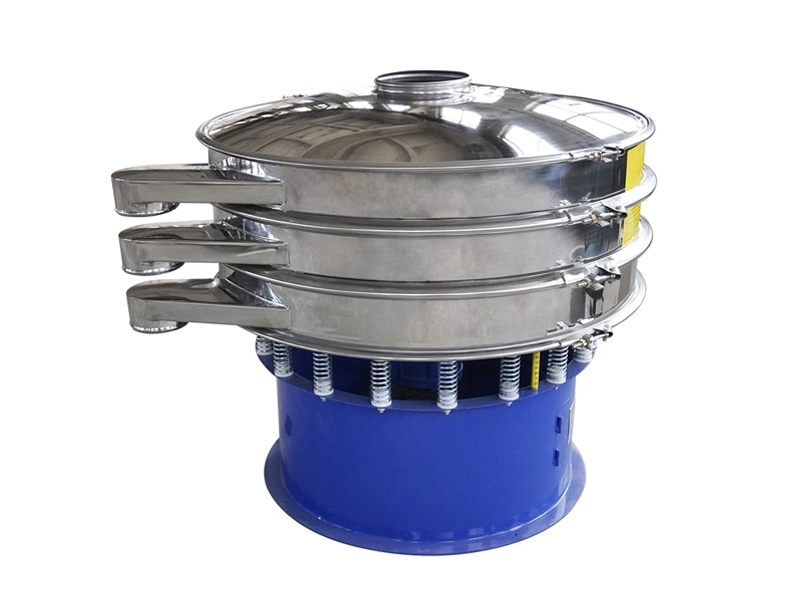
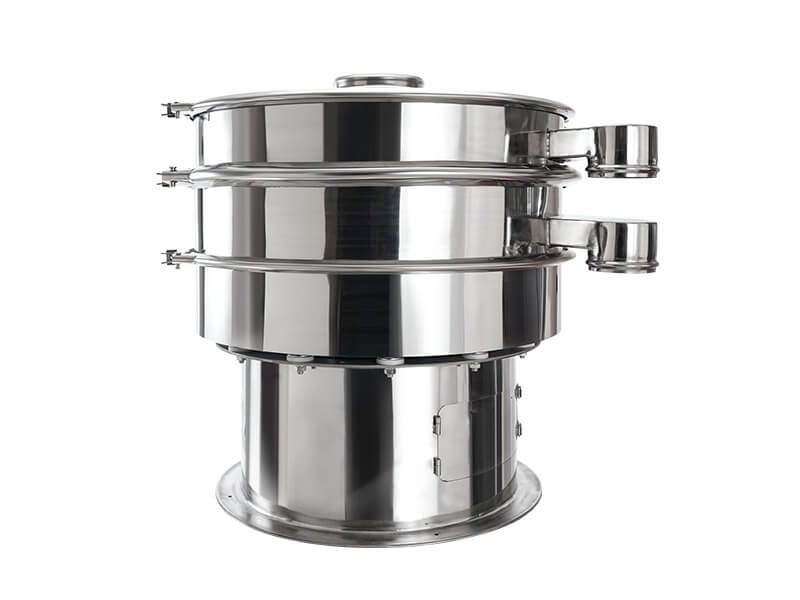
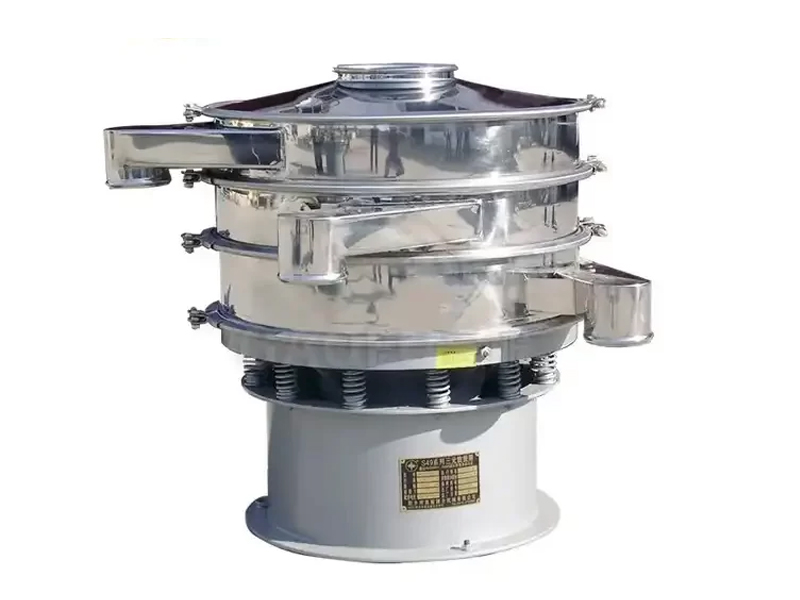
Rotary Vibrating Sieve
The most versatile model, suitable for continuous screening of most powders and granules.
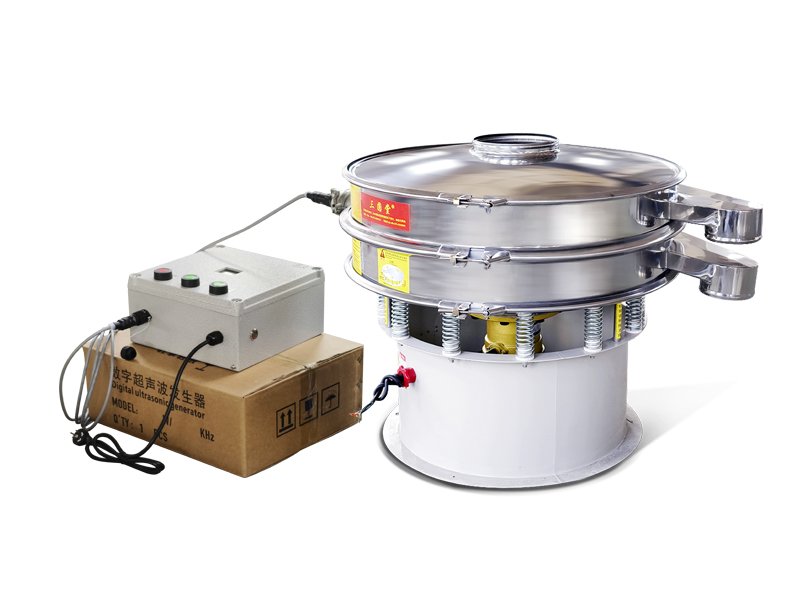
Ultrasonic Vibratory Sieve
Designed for ultra-fine powders with high static electricity, strong adsorption, or easy agglomeration (e.g., metal powders above 300 mesh). Ultrasonic energy eliminates mesh clogging and can increase capacity by 1–10 times.
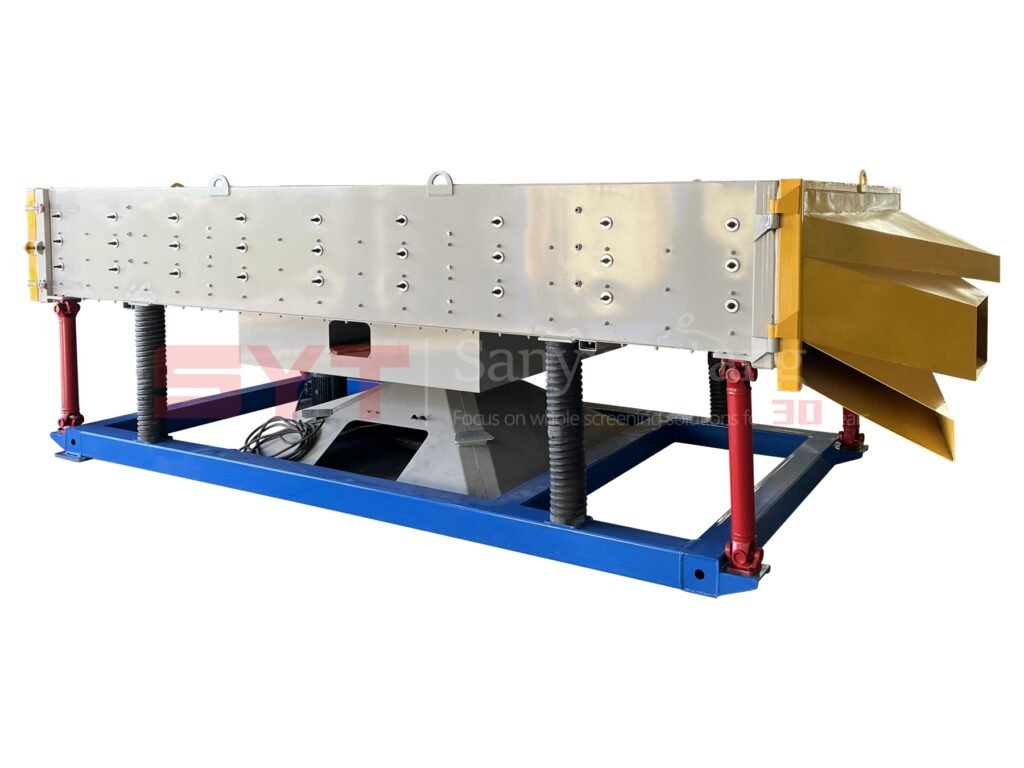
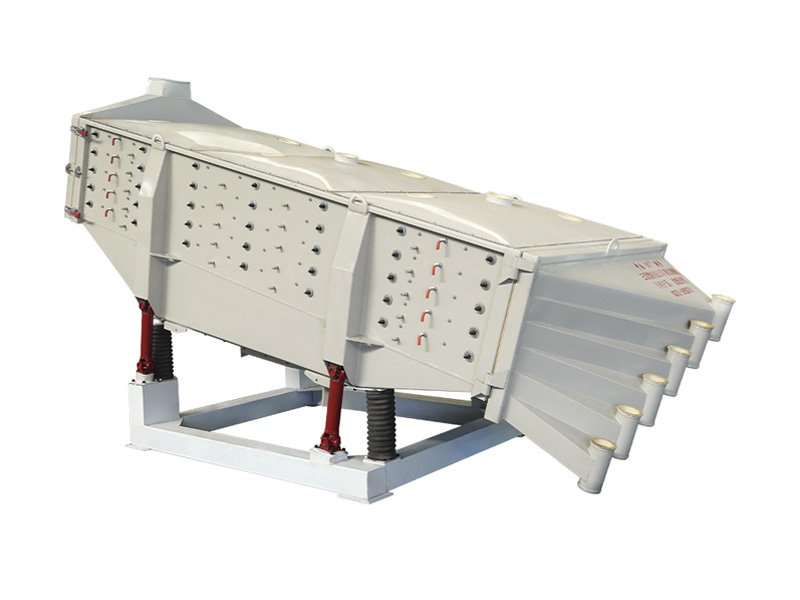
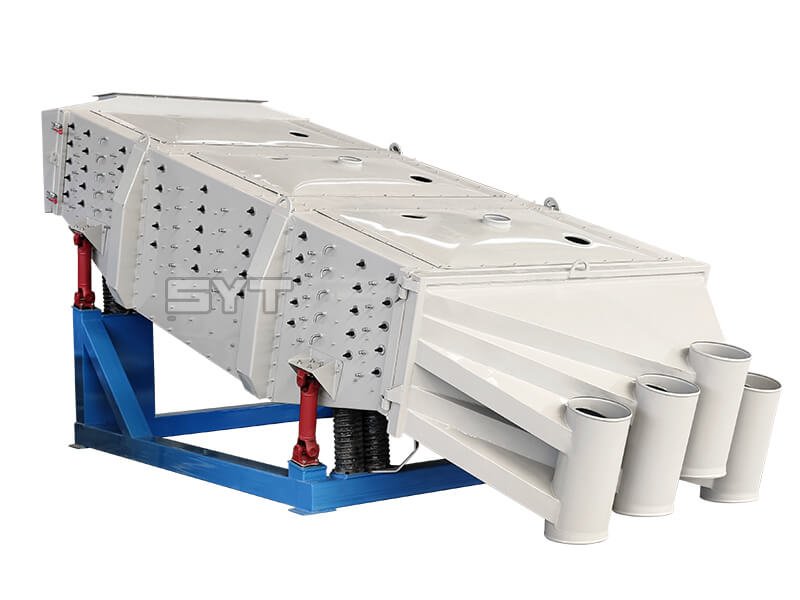
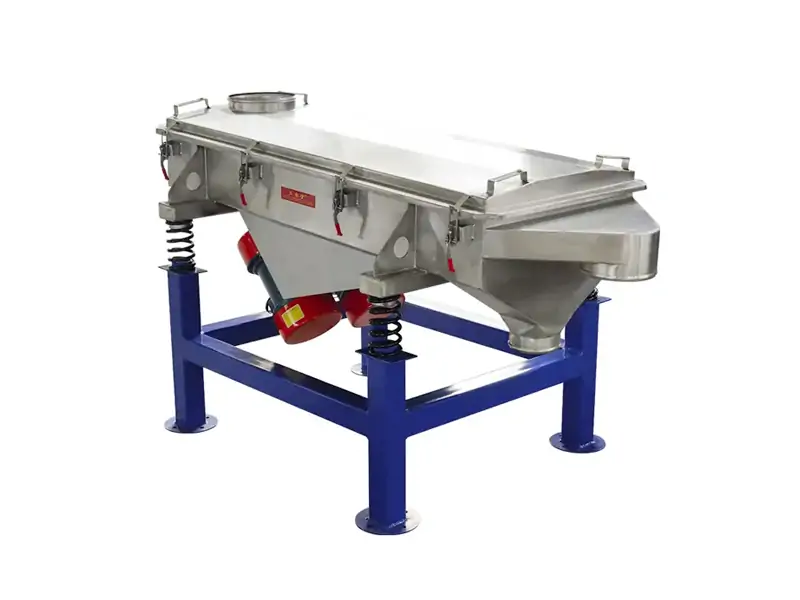
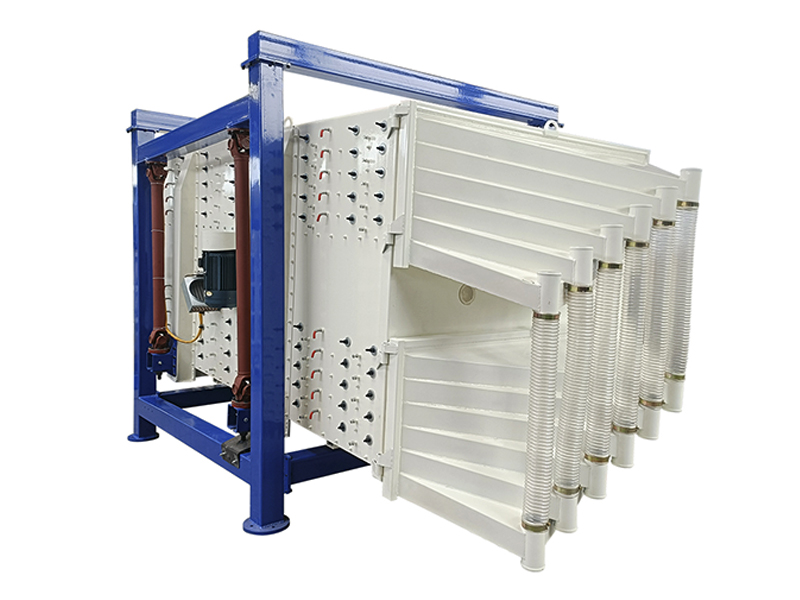
Inline Sifter
A gravity-fed design used for primary impurity removal and material loosening in production lines. It offers extremely high throughput and is commonly used in flour and detergent production.
Why Choose Sanyuantang Screening Solutions?
At Sanyuantang, we do more than manufacture equipment—we provide customized process solutions. Our vibratory sieve designs incorporate multiple practical improvements:
- Quick screen replacement: Completed within 3–5 minutes, significantly reducing downtime
- Fully customizable design: Includes splash-proof inlets and 360° rotatable outlets to fit existing production lines
- Excellent durability: Reinforced base and high-strength springs ensure stable and quiet 24-hour operation
FAQ
Q1: How do I choose the most suitable vibratory sieve specification for my material?
A: Selection depends on material characteristics (particle size, moisture, viscosity) and required throughput. Sanyuantang offers models ranging from 400mm to 1500mm diameter. For fine powders such as pharmaceutical materials, ultrasonic vibratory sifters are recommended to prevent clogging. For high-volume coarse screening, inline sifters are more suitable.
Q2: How do vibratory sifters prevent screen clogging during operation?
A: Sanyuantang provides two effective anti-clogging solutions:
- Bouncing ball system, which mechanically impacts the screen surface
- Ultrasonic cleaning system, which uses high-frequency vibration to break surface tension and improve screening efficiency
Q3: Are Sanyuantang vibratory sifters compliant with food hygiene standards?
A: Yes. The equipment is made of 304 or 316L stainless steel with finely polished welds and no dead corners to prevent bacterial growth. All seals meet food-grade standards to ensure contamination-free screening.
Q4: How long does it take to replace a vibratory sieve screen?
A: Thanks to the quick-lock design, screen replacement can typically be completed within 3 to 5 minutes without specialized tools, minimizing production downtime.
Q5: Can vibration frequency and motion trajectory be adjusted?
A: Yes. By adjusting the phase angle of the eccentric weights on the vibration motor, users can control material movement speed and residence time to achieve optimal screening performance.
Q6: Why are Sanyuantang vibratory sifters more durable than traditional models?
A: Key components are reinforced, including a thickened base for stability, fatigue-tested springs for longer lifespan, and high-protection-grade motors that ensure reliable operation even in dusty environments.
References
- International Organization for Standardization
https://www.iso.org/home.html - United States Environmental Protection Agency
https://www.epa.gov/air-research
Conclusion
Understanding how vibratory sifters work in industrial screening is the first step toward improving production efficiency. Choosing a high-performance vibratory sieve not only enhances product quality but also reduces maintenance costs.
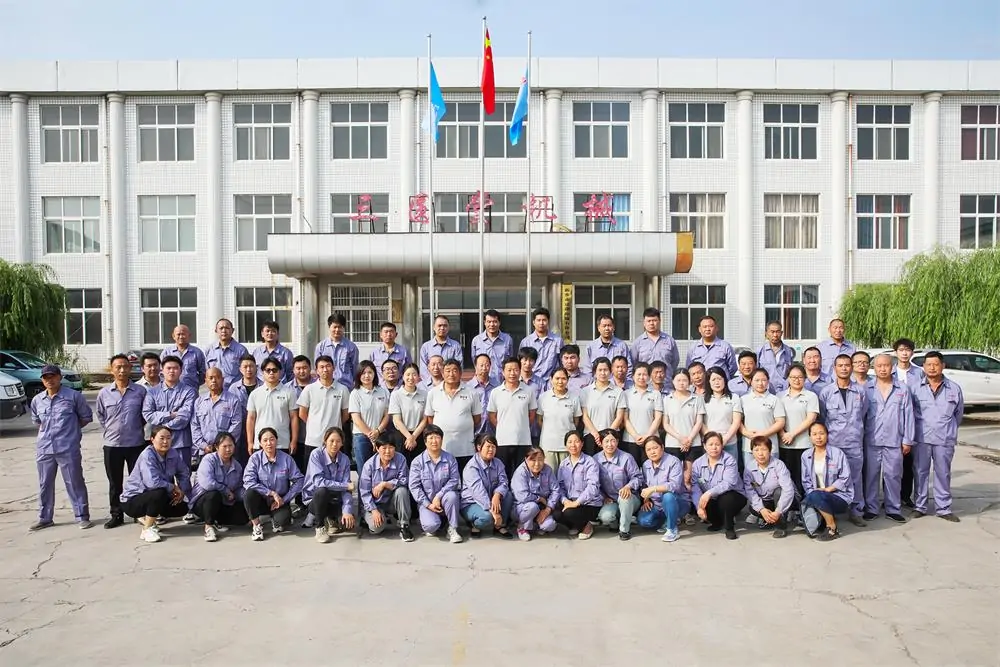
If you are looking for a reliable vibratory sifter supplier or need a customized screening solution for specific materials, feel free to contact our engineering team.
Email: info@sanyuantang.com
Phone: +86-18639095165